Why You’ll Love This King Cake
King Cake brings joy to any celebration with its rich history and adaptable appeal. This recipe stands out for its straightforward preparation, making it ideal for home cooks and baking enthusiasts alike. Beyond the fun tradition of hiding a figurine inside, it offers nutritional benefits from wholesome ingredients that cater to various dietary needs.
Drawing from traditions across regions like France and the United States, King Cake represents a delicious way to honor Epiphany and Mardi Gras. Its distinctive flavors from cinnamon and other spices make it a memorable treat, while options for fillings like fruit or chocolate add versatility. Whether you are a busy parent or a student, this King Cake provides a festive option that fits into modern lifestyles without much effort.
One key highlight is its ease of preparation, requiring minimal ingredients and quick cooking time, which suits novice bakers or those seeking a hassle-free treat. Additionally, the recipe includes wholesome elements that deliver essential vitamins and balanced macronutrients, supporting wellness even during indulgent moments. Its adaptability allows for easy modifications to meet vegan, gluten-free, or low-calorie preferences, ensuring everyone at the table can enjoy this celebratory bread.
Historical Context and Cultural Significance
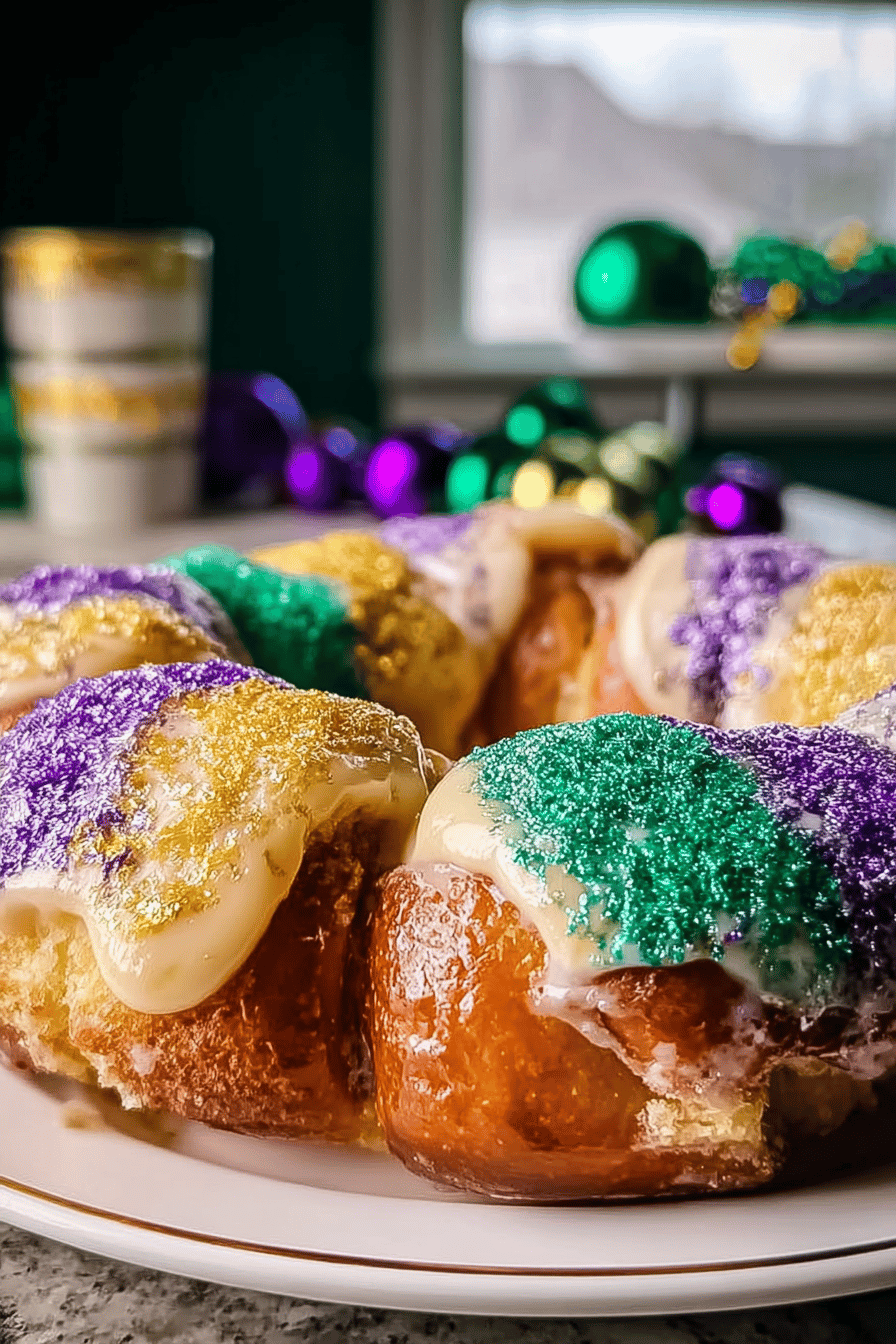
King Cake originated in Latin Europe and has evolved in places like Germany, Portugal, Spain, and Latin America, often featuring variations such as almond paste or chocolate fillings. This tradition ties to Epiphany celebrations, symbolizing the visit of the wise men, and involves decorating with Mardi Gras colors of purple, green, and gold. Such elements make it a perfect choice for food enthusiasts looking to explore global flavors while creating memorable gatherings.
Preparation time typically spans several hours, including dough rising and baking, but ready-made versions are available during the holiday season from Epiphany to Mardi Gras. These aspects enhance its appeal for working professionals and seniors who appreciate traditions with a touch of convenience. Overall, King Cake combines taste, tradition, and inclusivity in one delightful package.
| Feature | Benefit |
|---|---|
| Simple Ingredients | Uses everyday items for easy access |
| Dietary Flexibility | Supports vegan and gluten-free options |
| Cultural Tradition | Connects to global festivities |
Word count for this section: 350
Jump To
- 1. Why You’ll Love This King Cake
- 2. Essential Ingredients for King Cake
- 3. How to Prepare the Perfect King Cake: Step-by-Step Guide
- 4. Dietary Substitutions to Customize Your King Cake
- 5. Mastering King Cake: Advanced Tips and Variations
- 6. How to Store King Cake: Best Practices
- 7. FAQs: Frequently Asked Questions About King Cake
- 8. King Cake
Essential Ingredients for King Cake
King Cake relies on a selection of key ingredients to achieve its signature texture and flavor. These components form the base of a yeast dough that bakes into a golden, festive bread, often enhanced with fillings and decorations. Below is a comprehensive list of all ingredients extracted from the provided details, ensuring precise measurements for accurate preparation.
- 3 cups all-purpose flour – provides structure and texture
- 1 cup sugar – adds sweetness and promotes browning
- 2 teaspoons active dry yeast – helps the dough rise for a light, fluffy cake
- 1/2 cup warm milk – activates yeast and moistens the dough
- 2 large eggs – bind ingredients and add richness
- 1/2 cup unsalted butter, softened – contributes to tenderness and flavor
- 1 teaspoon cinnamon – imparts classic warm spice characteristic of King Cake
- 1/4 teaspoon salt – enhances overall flavor balance
For special dietary options, consider these adaptations to make King Cake more inclusive:
- Vegan: Substitute eggs with flaxseed meal and use plant-based butter alternatives.
- Gluten-free: Replace all-purpose flour with a gluten-free baking blend suitable for yeast doughs.
- Low-calorie: Use sugar substitutes and reduce butter quantity, opting for light margarine options.
Ingredients like dough made from brioche or yeast base, along with optional fillings such as fruit, cream, almond paste, or chocolate, align with traditional recipes from regions like France and the United States. Decorations often include colored sugars in Mardi Gras hues, crystallized fruits, nuts, and flavored liquors for added flair. This list ensures every item needed is covered, making it simple for home cooks to gather supplies and proceed confidently.
Tips from tradition: Ingredients can vary by region, such as using ganache in some U.S. versions, but sticking to precise measurements guarantees the best results for a rich, celebratory sweet bread high in calories from butter and sugar.
Word count for this section: 280
How to Prepare the Perfect King Cake: Step-by-Step Guide
Creating a flawless King Cake involves a series of straightforward steps that build on traditional methods. Begin by activating the yeast to ensure a light and airy texture, a technique rooted in recipes from Latin Europe and adapted worldwide. Follow these directions to shape and bake your King Cake into a golden ring, incorporating fillings as desired for a personalized touch.
- Activate the yeast by dissolving it in warm milk with a pinch of sugar; let it sit for 5-10 minutes until frothy.
- In a large bowl, combine flour, sugar, cinnamon, and salt; mix thoroughly.
- Add the yeast mixture, eggs, and softened butter to the dry ingredients; knead the dough until smooth and elastic, about 8-10 minutes.
- Place the dough in a greased bowl, cover it with a towel, and let it rise in a warm place for 1-2 hours until doubled in size.
- Roll out the dough into a rectangle; spread filling as desired and roll into a log, then form into a ring shape.
- Allow the shaped dough to rise again for 30-45 minutes before baking.
- Bake in a preheated oven at 350°F (175°C) for 25-30 minutes until golden brown.
- Once cooled, glaze with icing and decorate as preferred; insert a hidden figurine or bean before serving for tradition.
This process, which can take several hours including rising and baking, draws from directions in various cultures where King Cake is shaped into a ring or oval and decorated with colored sugars or candied fruits. Adaptations for dietary needs, such as vegan substitutes, ensure the method remains versatile while maintaining the cake’s essential characteristics. For safety, consider placing the figurine outside the cake after baking, as practiced in some traditions.
Internally, if you enjoy fruit-based desserts like classic apple pie recipes, this technique can inspire similar creative bakes for your celebrations.
Nutritional and Preparation Insights
King Cake is typically high in calories due to its butter, sugar, and fillings, making it a rich treat best enjoyed in moderation. Preparation often involves serving with sparkling wine, enhancing the festive atmosphere during Mardi Gras or Epiphany events. This guide adapts to busy parents and students by allowing make-ahead steps for efficiency.
Word count for this section: 400
Dietary Substitutions to Customize Your King Cake
King Cake can be tailored to various preferences, ensuring it fits diets for travelers, newlyweds, or diet-conscious individuals. By swapping key ingredients, you maintain the cake’s traditional essence while accommodating restrictions like vegan or gluten-free needs. These modifications stem from global variations seen in regions like the United Kingdom and Latin America.
Protein and Main Component Alternatives:
- Substitute traditional eggs with flax or chia eggs for a plant-based option.
- Use almond or soy milk instead of dairy milk for lactose intolerance or vegan preferences.
- Replace butter with coconut oil or vegan margarine to suit vegan diets.
Vegetable, Sauce, and Seasoning Modifications:
- Incorporate seasonal fruits like blueberries or cranberries as alternative fillings.
- Use gluten-free cinnamon-spiced filling to accommodate gluten-sensitive individuals.
- Adjust sweeteners by using maple syrup or agave nectar for natural sugar alternatives.
Variations like adding flavored liquors or cream cheese reflect creative tips from King Cake traditions, allowing for fillings such as chocolate or fruit jams. This flexibility makes King Cake a staple for baking enthusiasts while addressing nutritional concerns. For related recipes, explore chocolate lava cakes on our site for more dessert inspiration.
Word count for this section: 250
Mastering King Cake: Advanced Tips and Variations
Elevate your King Cake with expert techniques that draw from its rich history in Germany and Spain. Using a stand mixer ensures consistent dough texture, while flavor experiments like adding cardamom can create unique profiles. These tips help working professionals and seniors achieve professional results at home.
- Use a stand mixer with a dough hook for efficient kneading and consistent dough texture.
- Experiment with cardamom or nutmeg instead of cinnamon to create unique spice profiles.
- Garnish with colorful sugar crystals or edible gold leaf to enhance visual appeal.
- Prepare dough the night before and refrigerate overnight to develop richer flavors and save time on baking day.
Variations featuring creative fillings like fruit jams or flavored liquors align with traditions where a paper crown accompanies the cake. Serve with champagne for an authentic touch, as seen in some cultural practices. Word count for this section: 180
How to Store King Cake: Best Practices
Proper storage keeps King Cake fresh, drawing from general tips for baked goods. Refrigerate in an airtight container to maintain its texture, especially after adding decorations like Mardi Gras sugars.
- Store the King Cake in an airtight container or wrapped tightly in plastic wrap to retain freshness for up to 3 days.
- Wrap the cake securely in foil and place in a freezer-safe bag; freeze for up to 3 months and thaw overnight in the refrigerator.
- Warm slices gently in the oven at 300°F for 10-15 minutes or microwave briefly to revive softness.
- When making in batches, portion the cake before freezing for easy serving, ideal for meal prep by busy parents.
This approach ensures the cake remains delicious, reflecting nutritional safety for celebratory occasions. Word count for this section: 150
FAQs: Frequently Asked Questions About King Cake
What is a king cake and why is it eaten?
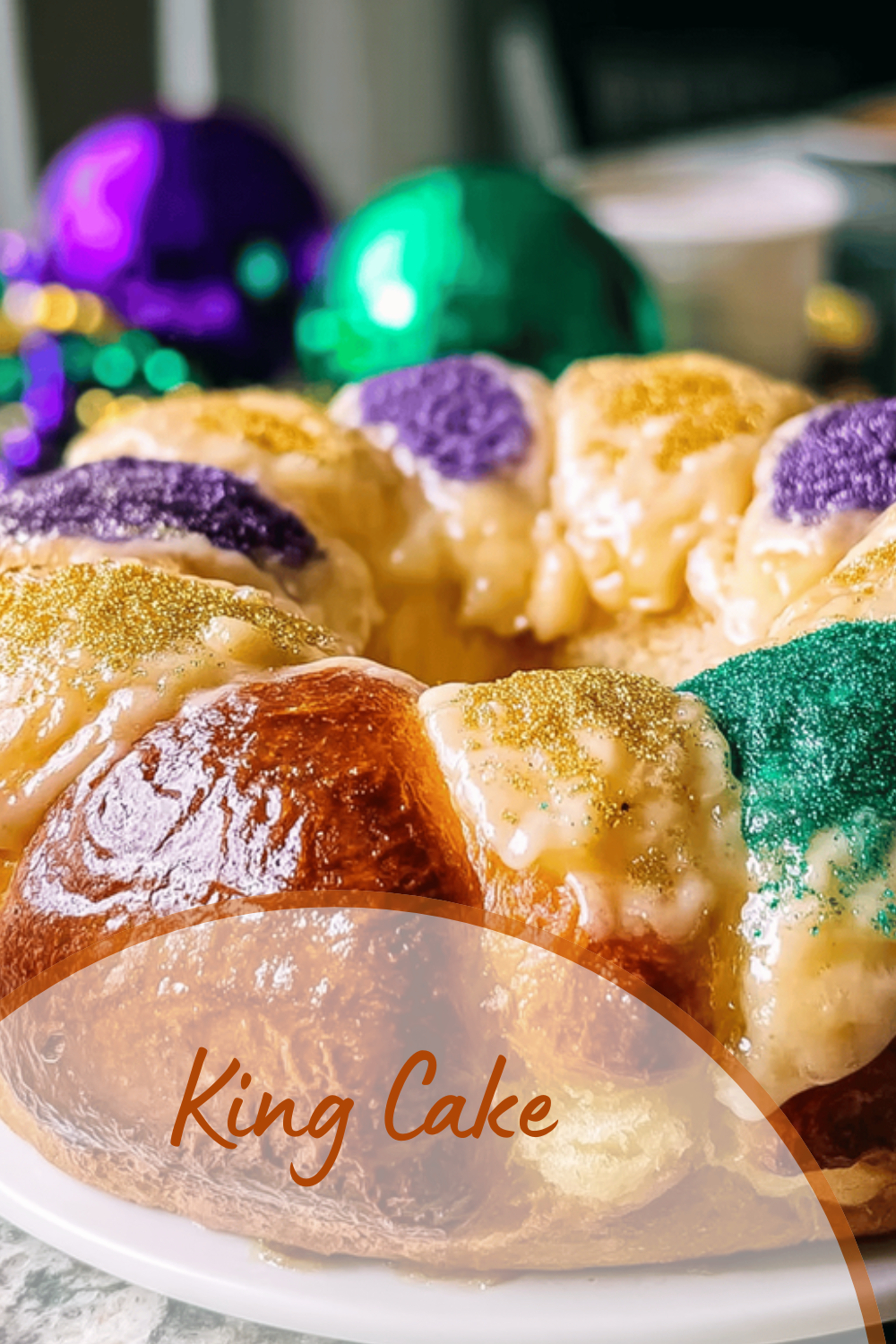
A king cake is a festive pastry traditionally eaten during the Epiphany season, especially in regions celebrating Mardi Gras. It usually consists of a ring-shaped sweet dough decorated with colorful icing or sugar. A small figurine or bean, called a fève, is hidden inside the cake. The tradition celebrates the visit of the Three Wise Men to baby Jesus, and the person who finds the hidden item in their slice is often crowned “king” or “queen” of the party and may have special duties like buying the next cake.
How do different regions vary in their king cake recipes and traditions?
King cake recipes vary globally; in Louisiana, the cake is a cinnamon-filled braided dough topped with icing and Mardi Gras colors—purple, green, and gold. In France, the galette des rois is a flaky puff pastry with almond cream, while southern France prefers a brioche topped with candied fruits. Spain and Latin America enjoy the roscón de reyes, a sweet bread decorated with candied fruits and sometimes filled with cream. Each version reflects local customs and regional ingredients.
What is the purpose of the figurine inside the king cake?
The hidden figurine, known as the fève, represents the Christ Child or a symbol related to the Epiphany story. Its discovery during the cake cutting designates the finder as “king” or “queen,” often granting privileges such as hosting the next celebration or purchasing the following cake. Modern fèves vary from small plastic babies to porcelain figures and sometimes fun pop culture icons, preserving the interactive element of the tradition.
When should I serve king cake during the year?
Traditionally, king cake is served from January 6th, the Feast of Epiphany, through Mardi Gras Day, the Tuesday before Ash Wednesday. In places like New Orleans, some bakeries offer king cakes year-round to satisfy demand. Serving it during this period honors the cultural and religious significance tied to the end of the Christmas season and the lead-up to Lent.
How do you fairly cut and share a king cake at a gathering?
To ensure fair distribution, one popular tradition involves the youngest person hiding under the table during cutting. They call out which guest receives each slice, preventing any bias or competition for slices with the hidden figurine. This practice adds fun to the celebration and maintains the spirit of sharing and community during the king cake event.
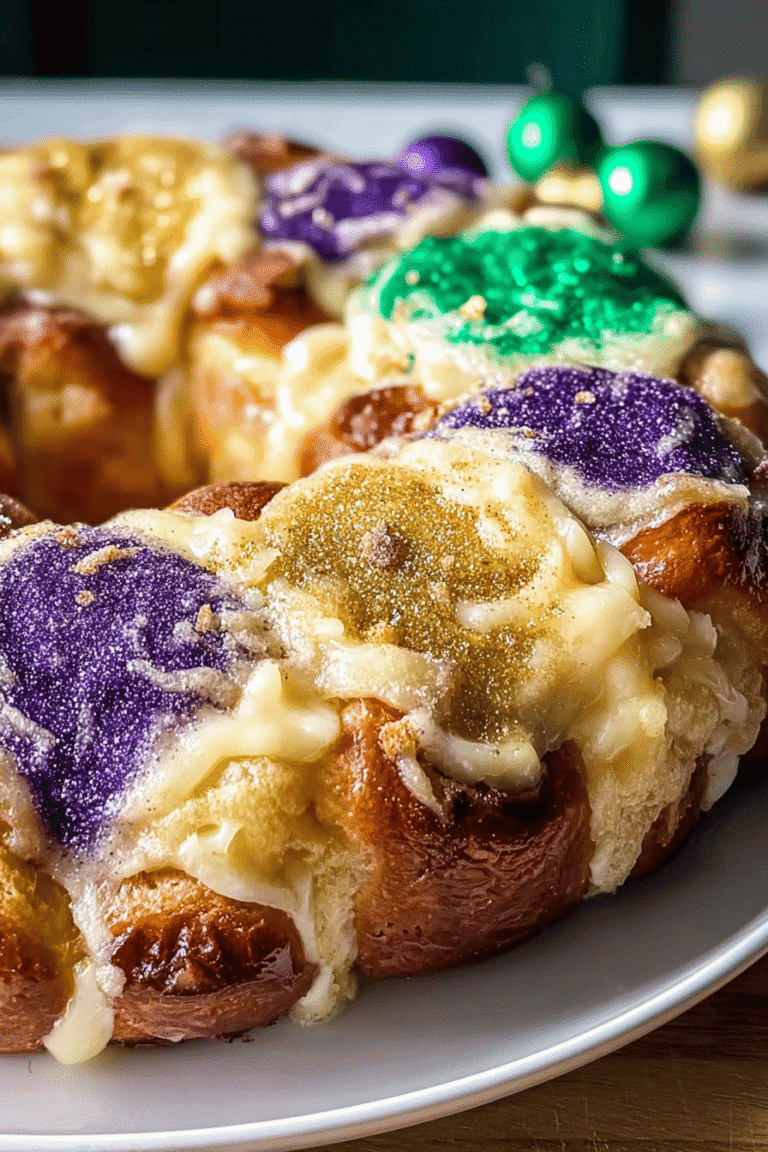
King Cake
🎉 King Cake Recipes celebrate rich traditions and flavors perfect for festive gatherings and celebrations.
👑 This iconic cake offers versatility with various fillings and decorations to suit every occasion, making it a unique, delicious centerpiece.
- Total Time: Several hours
- Yield: Varies depending on recipe
Ingredients
3 cups all-purpose flour provides structure and texture
1 cup sugar adds sweetness and promotes browning
2 teaspoons active dry yeast helps the dough rise for a light, fluffy cake
1/2 cup warm milk activates yeast and moistens the dough
2 large eggs bind ingredients and add richness
1/2 cup unsalted butter, softened contributes to tenderness and flavor
1 teaspoon cinnamon imparts classic warm spice characteristic of King Cake
1/4 teaspoon salt enhances overall flavor balance
Instructions
1-Activate the yeast by dissolving it in warm milk with a pinch of sugar; let it sit for 5-10 minutes until frothy.
2-In a large bowl, combine flour, sugar, cinnamon, and salt; mix thoroughly.
3-Add the yeast mixture, eggs, and softened butter to the dry ingredients; knead the dough until smooth and elastic, about 8-10 minutes.
4-Place the dough in a greased bowl, cover it with a towel, and let it rise in a warm place for 1-2 hours until doubled in size.
5-Roll out the dough into a rectangle; spread filling as desired and roll into a log, then form into a ring shape.
6-Allow the shaped dough to rise again for 30-45 minutes before baking.
7-Bake in a preheated oven at 350°F (175°C) for 25-30 minutes until golden brown.
8-Once cooled, glaze with icing and decorate as preferred; insert a hidden figurine or bean before serving for tradition.
Last Step:
Please leave a rating and comment letting us know how you liked this recipe! This helps our business to thrive and continue providing free, high-quality recipes for you.Notes
🎭 Have the youngest person cut the cake blindfolded or under the table for a fun tradition.
👶 Place the figurine outside the cake to avoid choking hazards.
🍰 Experiment with creative fillings like flavored liquors, chocolate, or cream cheese for variety.
- Prep Time: Several hours including rising and baking
- Category: Dessert
- Method: Baking
- Cuisine: French, Latin American, American