

Japanese Cake Roll
A Japanese cake roll is the kind of dessert that looks like it came from a bakery window, yet it starts with a simple bowl of eggs, sugar, and cake flour.
The cake itself is a light chiffon base, soft and airy, and it is filled with an even lighter whipped cream. Because the recipe uses only a modest amount of sugar, the result tastes fresh and delicate rather than heavy or overly sweet.
If you want to change things up, the filling is easy to customize: a thin layer of jam, a flavored whipped cream, or a soft frosting all work beautifully.
I think of baking as a form of therapy. There is something calming about measuring, sifting, and folding, then watching a thin layer of batter rise into something you can roll and slice.
This recipe may look intimidating the first time, but it is genuinely straightforward, and the tips below cover every place where a cake roll usually goes wrong.
Prep takes about 25 minutes and the cake bakes in 15 to 17 minutes, so most of your time goes into chilling and shaping.
What is a Japanese Cake Roll?
A Japanese cake roll is a rolled chiffon cake, usually filled with light and airy whipped cream. It is popular in Japan for its fluffy texture and freshly made cream that melts in the mouth, and it is loved as a dessert that is not too sweet.
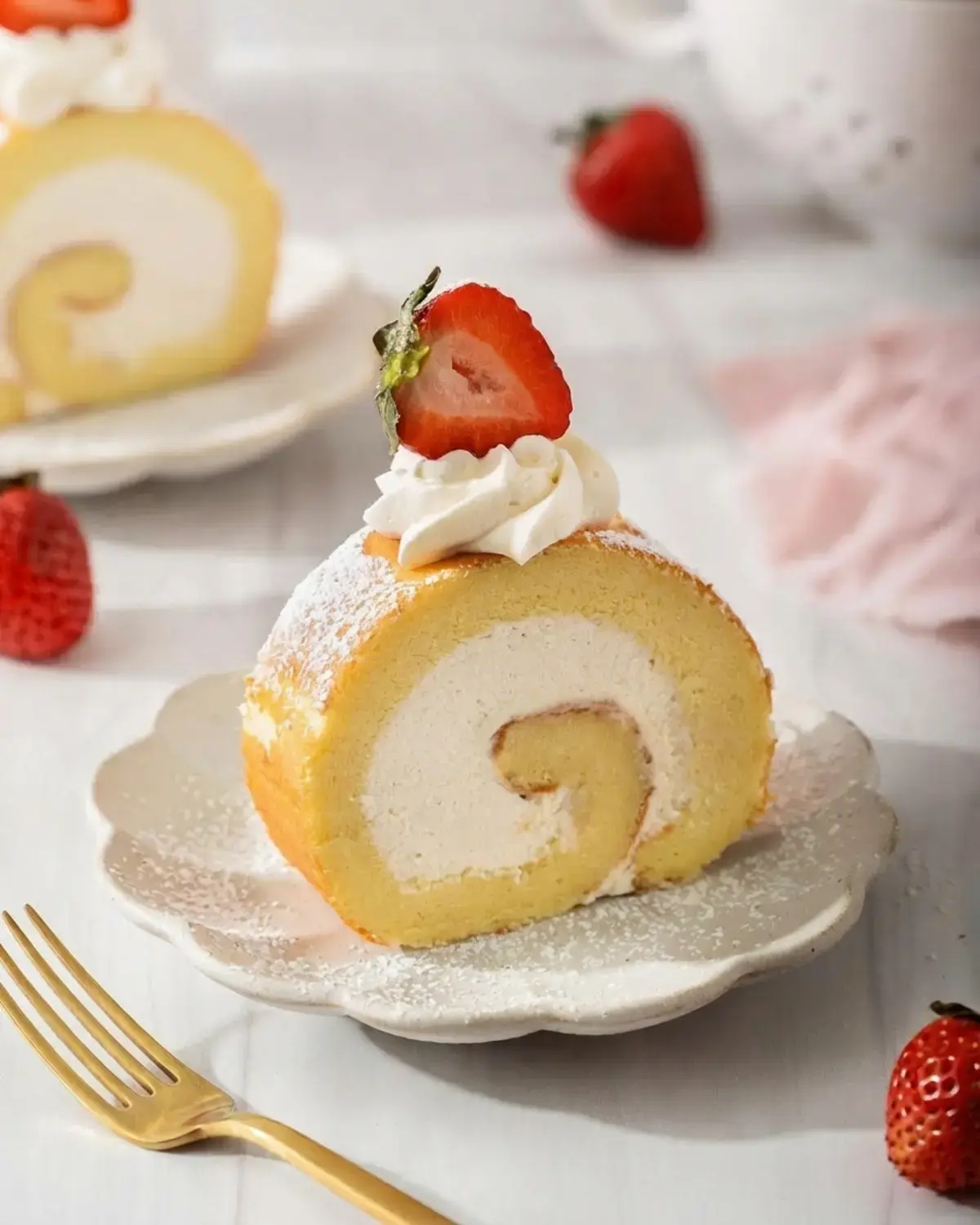
The sponge stays soft enough to bend without cracking, which is exactly why the rolling step deserves your attention. Roll cakes show up in many countries under names such as Swiss roll cake, cake roll, or roll cake, and each version has its own personality.
Jump To
- 1. What is a Japanese Cake Roll?
- 2. What is the difference between a Japanese Cake Roll and a Swiss Roll Cake?
- 3. Kitchen Equipment
- 4. Ingredients
- 5. How to Make Japanese Cake Roll
- 6. Tips for the Best Japanese Cake Roll
- 7. Tips on How to Roll The Perfect Cake Roll
- 8. Storage Instructions
- 9. FAQs
- 10. Japanese Cake Roll
What is the difference between a Japanese Cake Roll and a Swiss Roll Cake?
European style Swiss rolls generally have a drier, thinner crumb and rely on more jams and icings, and they are predominantly made with a genoise sponge. Japanese cake rolls lean toward lighter, subtler flavors, smaller portions, and less sugar.
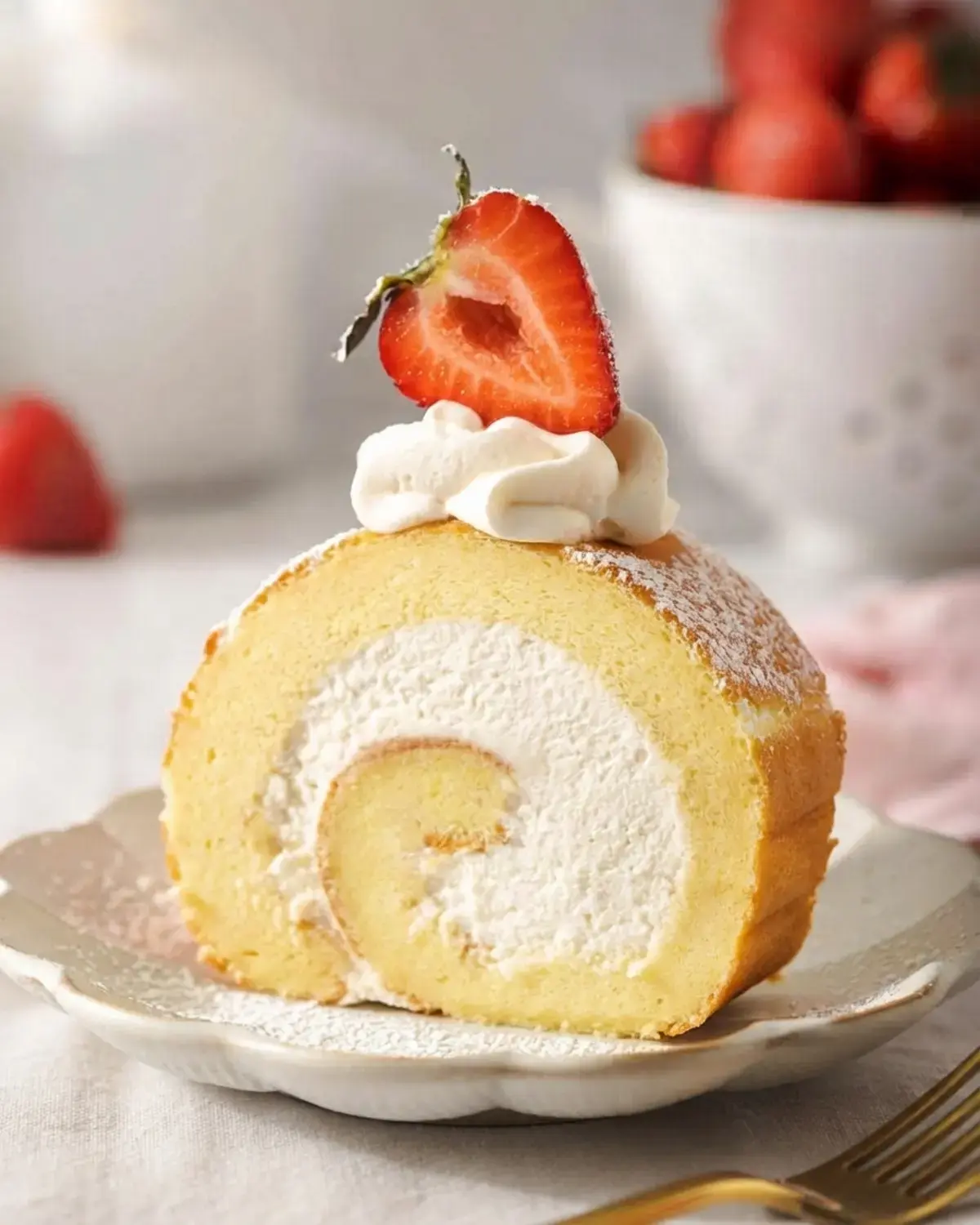
They are also lighter and softer because they use a chiffon base and are generally filled with light whipped cream. If you have only tried a bakery Swiss roll, expect this one to feel much more like a cloud.
Kitchen Equipment
You do not need a cupboard full of specialty tools, but a few items make this cake roll much easier to handle.
- Kitchen scale. The ingredients are listed by measurement and by grams, and following the grams is recommended for the most exact result.
- Two mixing bowls. One for the egg yolk mixture and one for the egg white meringue.
- Electric mixer. A stand mixer or a hand mixer works, and you need it to add air bubbles to the egg whites.
- Fine mesh sieve. Used to sift the cake flour and baking powder so the batter stays lump free.
- Rubber spatula. Used to fold the batter gently without deflating the meringue.
- 9×13 baking pan. Lined with parchment paper.
A clean kitchen towel is just as important as any tool here, because it is what keeps the cake rolled while it cools.
Ingredients
Here is everything you need for the cake, followed by the filling. The recipe makes 8 servings.
For the cake
- 4 large egg yolks, room temperature
- 1/4 cup (50 g) granulated sugar, for the egg yolk mixture
- 1/4 teaspoon (1 g) salt
- 1/2 teaspoon vanilla extract
- 1/4 cup (50 ml) vegetable oil
- 3 tablespoons (50 ml) whole milk
- 1/2 cup (67 g) cake flour
- 1/2 teaspoon (2 g) baking powder
- 4 large egg whites, room temperature
- 1/4 teaspoon (1 g) cream of tartar
- 1/3 cup (67 g) granulated sugar, for the egg white meringue
Eggs are the backbone of this cake, and the air they hold gives it that soft rise. Use them at room temperature for an even rise.
Cream of tartar stabilizes the egg whites and helps them reach high peaks in the meringue, and a touch of lemon juice can be used instead. Granulated sugar helps the eggs whip to their lightest, fluffiest state while adding sweetness.
A little salt enhances the other flavors and balances the sweetness, whole milk adds moisture and flavor, and vegetable oil adds and retains moisture for a soft texture. Avocado oil can be substituted for the vegetable oil if that is what you keep on hand.
Vanilla extract brings the flavor, cake flour gives a softer, gentler crumb than all purpose flour, and baking powder is a chemical leavening agent that aids the eggs in raising the cake.
For reference, the source recipe lists the following nutrition information per serving.
| Nutrient | Per serving |
|---|---|
| Calories | 317 kcal |
| Carbohydrates | 26 g |
| Protein | 6 g |
| Fat | 21 g |
| Saturated fat | 9 g |
| Fiber | 1 g |
| Sugar | 20 g |
| Sodium | 168 mg |
| Cholesterol | 118 mg |
Whipped Cream
For the filling
- 1 cup (250 ml) heavy whipping cream
- 3 tablespoons (38 g) powdered sugar
- 1 teaspoon vanilla extract
The heavy whipping cream must be cold, so keep it in the refrigerator until just before you use it and it will whip quickly. Powdered sugar blends into the cream more evenly than granulated sugar and also helps stabilize the whipped cream.
How to Make Japanese Cake Roll
The method is simple, and the length below comes mostly from the small details that keep the sponge from cracking. Read through it once before you start, then work step by step.
Make the cake
- Prepare the oven and pan. Line a 9×13 baking tray with parchment paper and preheat the oven to 350°F or 176°C.
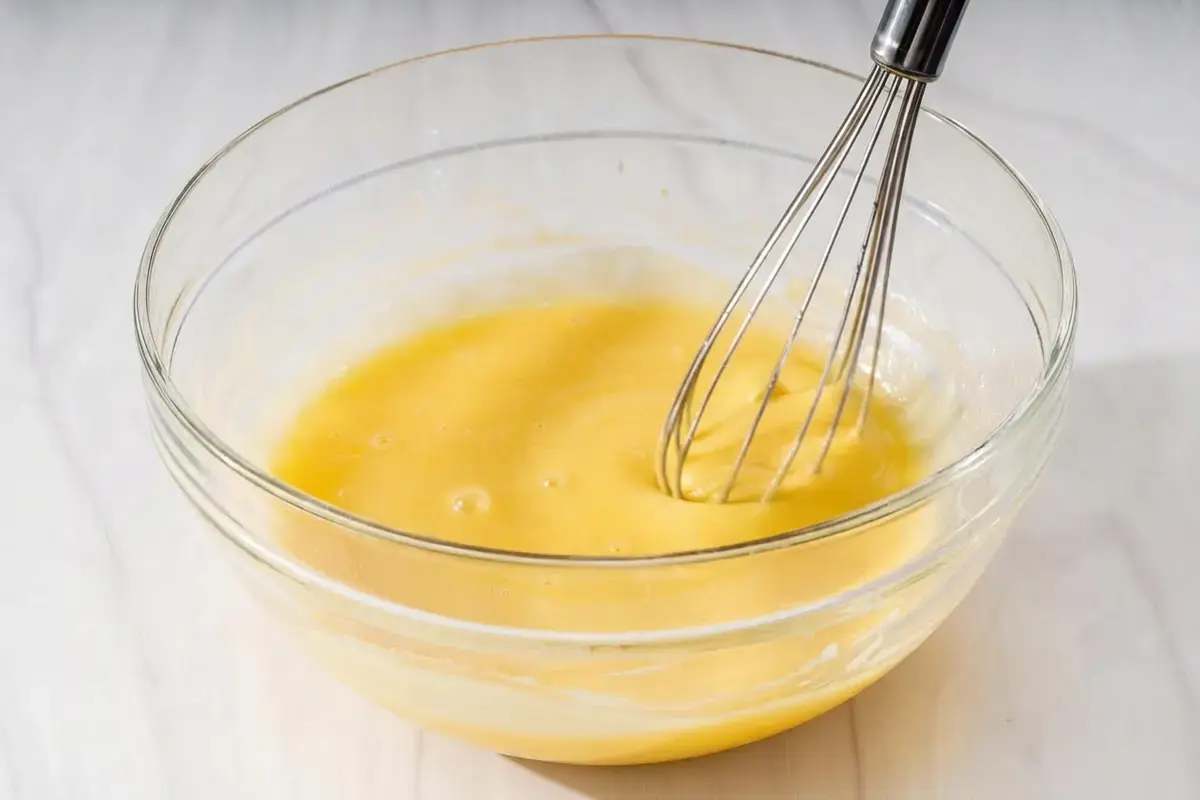
- Mix the egg yolk mixture. In a medium mixing bowl, add the egg yolks, 1/4 cup of sugar, salt, vanilla, oil, and milk. Mix with a whisk until combined.
- Sift in the cake flour and baking powder. Using a fine mesh sieve, sift the cake flour and baking powder into the egg yolk mixture. Whisk to combine, and stop when there are no more lumps or traces of flour.
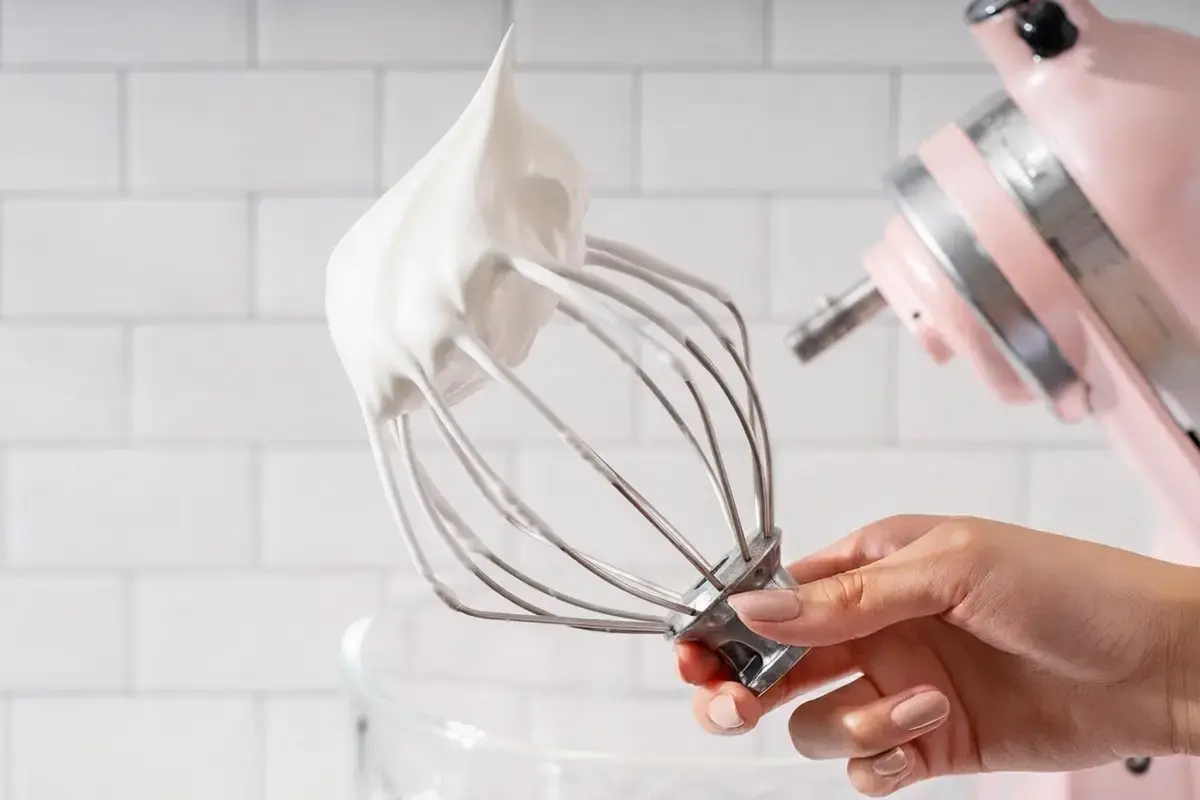
- Make the egg white meringue. In a large mixing bowl, quickly wipe the bowl with a paper towel and some lemon juice or vinegar. Add the egg whites and beat with an electric mixer on high until bubbly and frothy. Add the cream of tartar and beat until the whites are opaque and the bubbles have tightened. Slowly pour the 1/3 cup of sugar in three increments while the mixer is running, and continue beating until stiff peaks form, when the whites are fluffy and shiny and hold a pointed tip as you lift the mixer from the bowl.
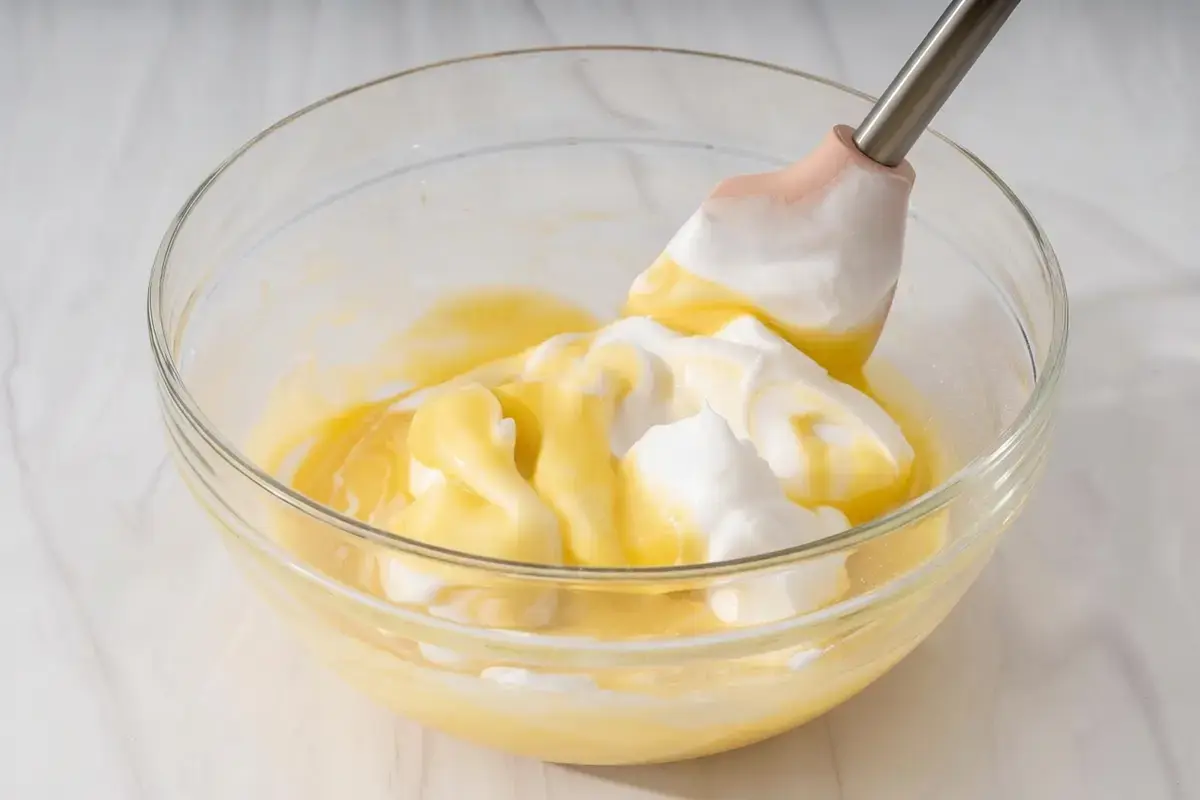
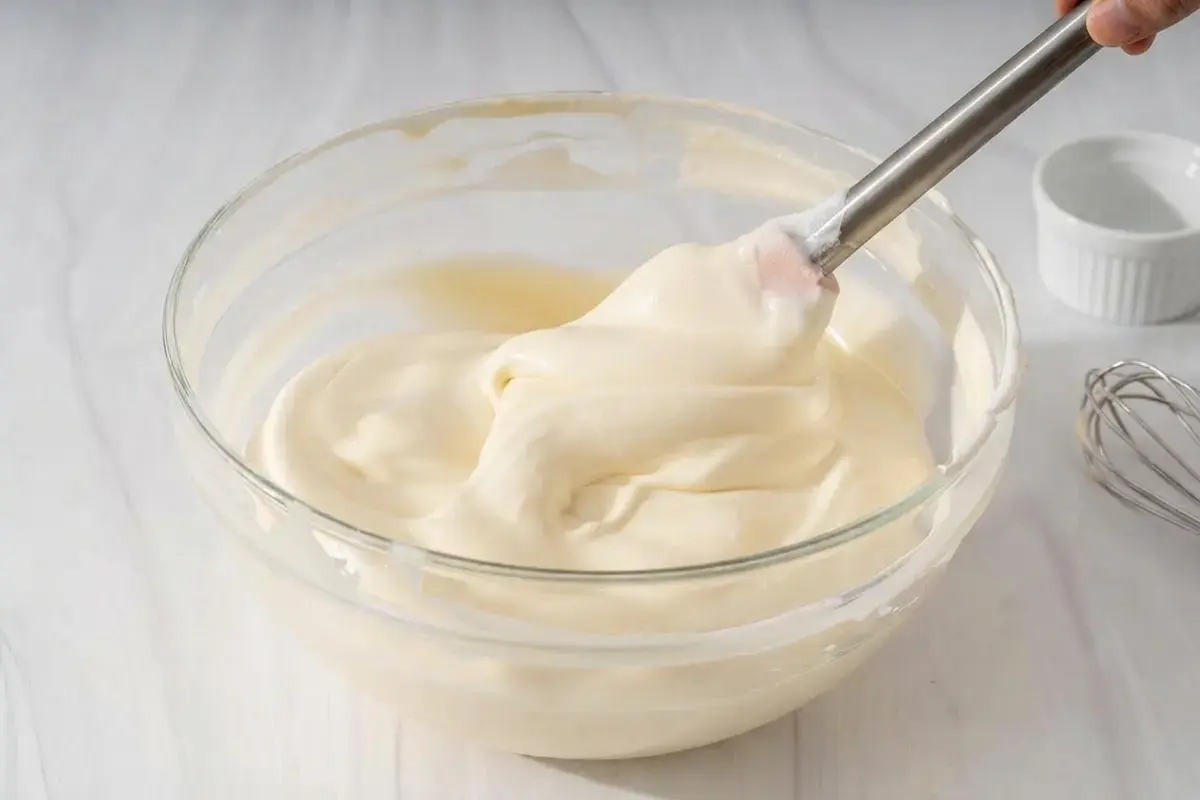
- Combine the egg mixtures. With a rubber spatula, add about 1/3 of the egg white meringue to the egg yolk mixture and very gently fold until mostly mixed. Add the next third, fold gently, then repeat with the remaining third. Be careful not to deflate the air in the mixture by over folding.
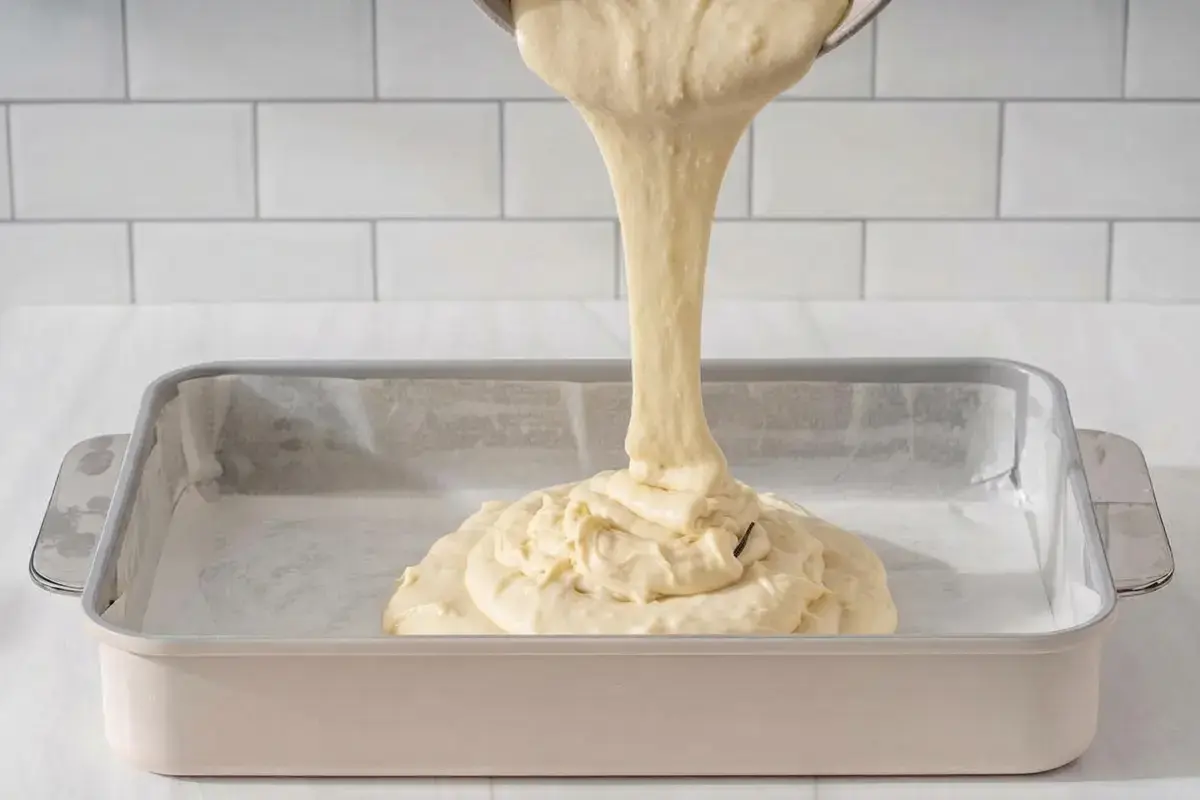
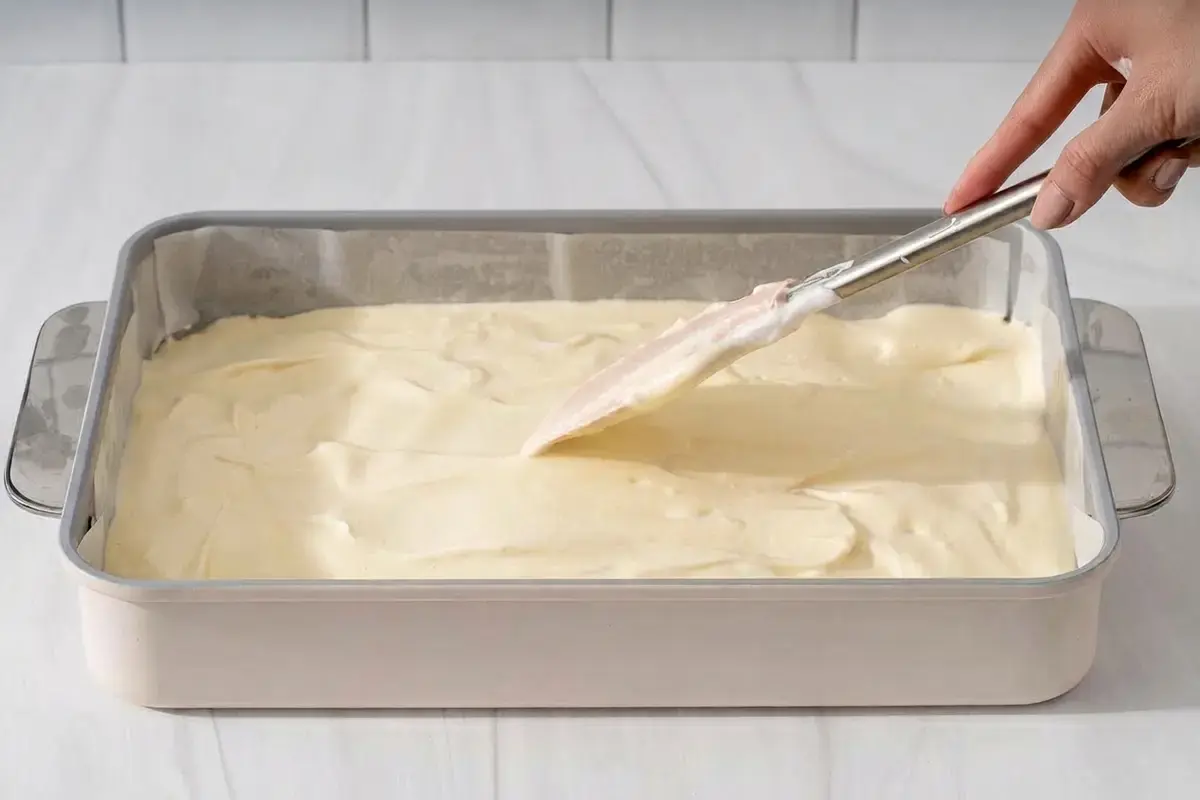
- Bake. Pour the batter into the parchment lined pan and even it out with a spatula. Give the tray a few taps on your work surface to release any large air bubbles. Bake at 350°F or 176°C for 15 to 17 minutes, or until a toothpick inserted in the center comes out clean.
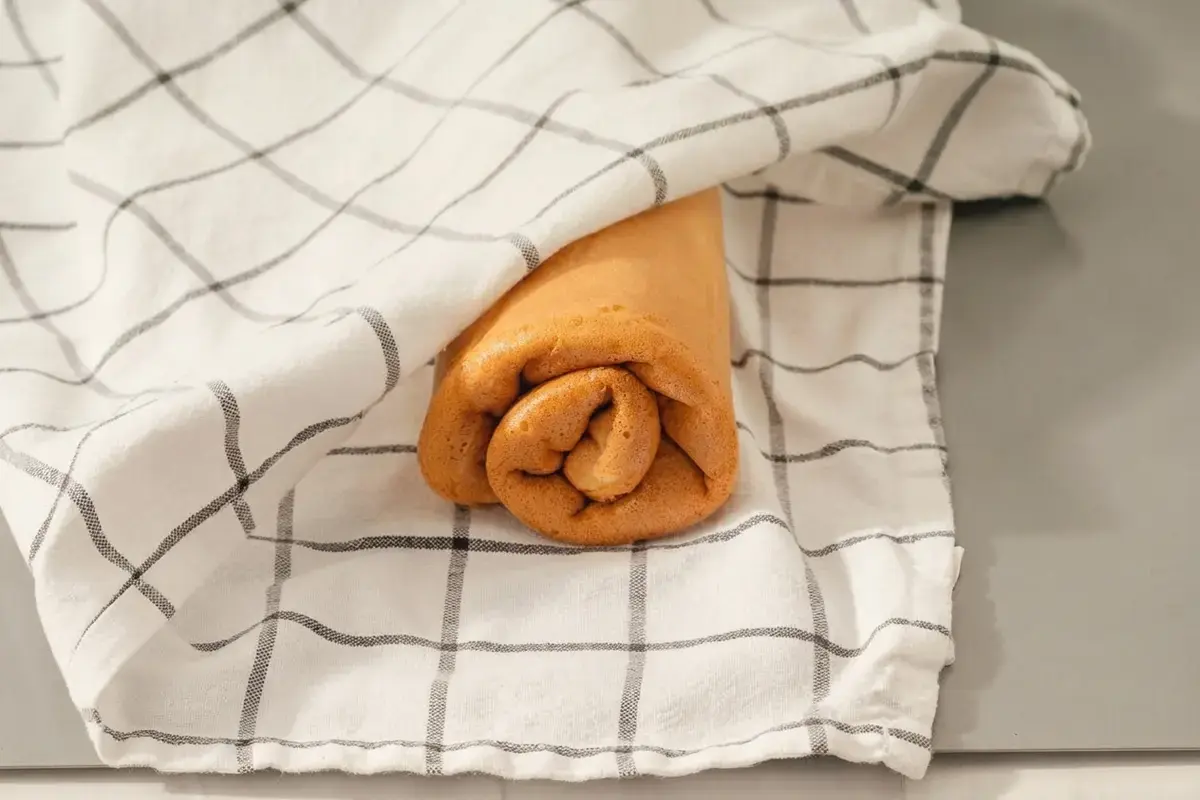
- Remove and roll. As soon as the cake comes out of the oven, quickly flip it onto a slightly damp kitchen towel that is larger than the cake. Peel off the parchment paper. Begin rolling the cake tightly with the towel, starting from the short side, working very slowly and very gently. Let the cake cool completely while it is rolled up in the towel.
Make the whipped cream
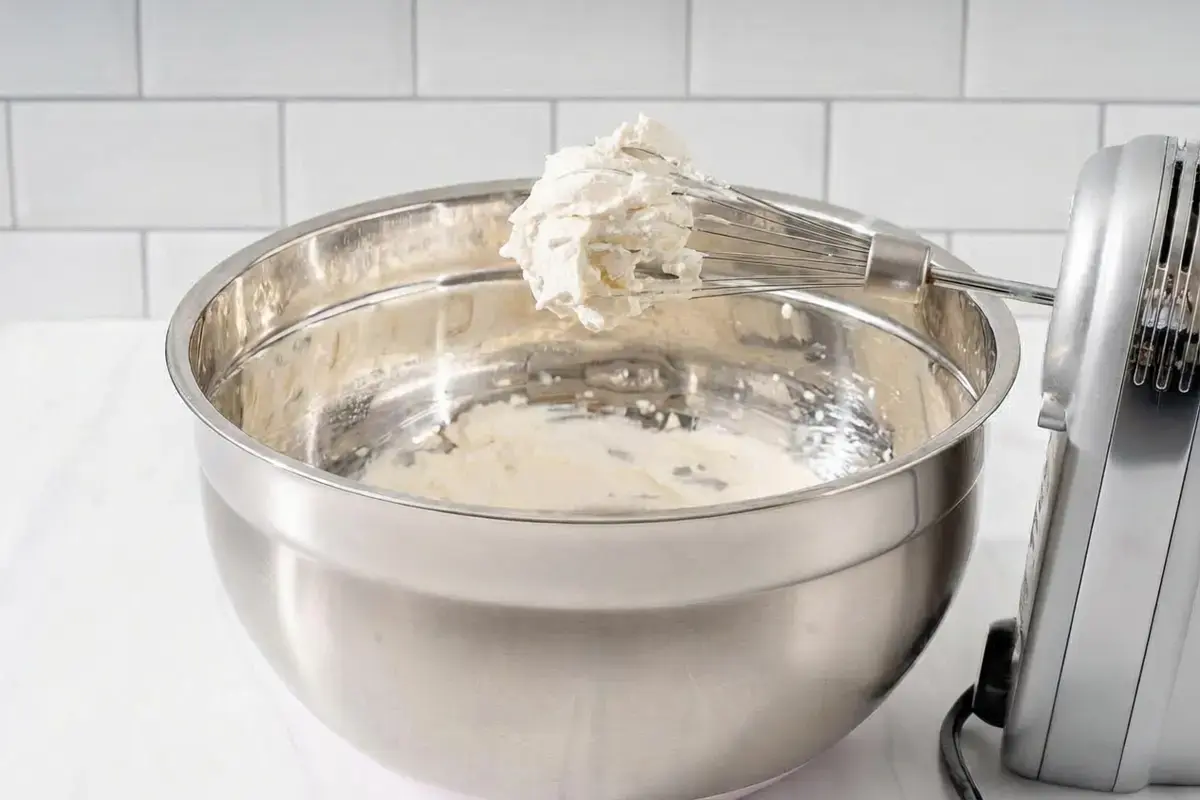
Using an electric mixer or a stand mixer with a whisk attachment, whip the heavy cream, sugar, and vanilla extract until medium to stiff peaks form.
Assemble
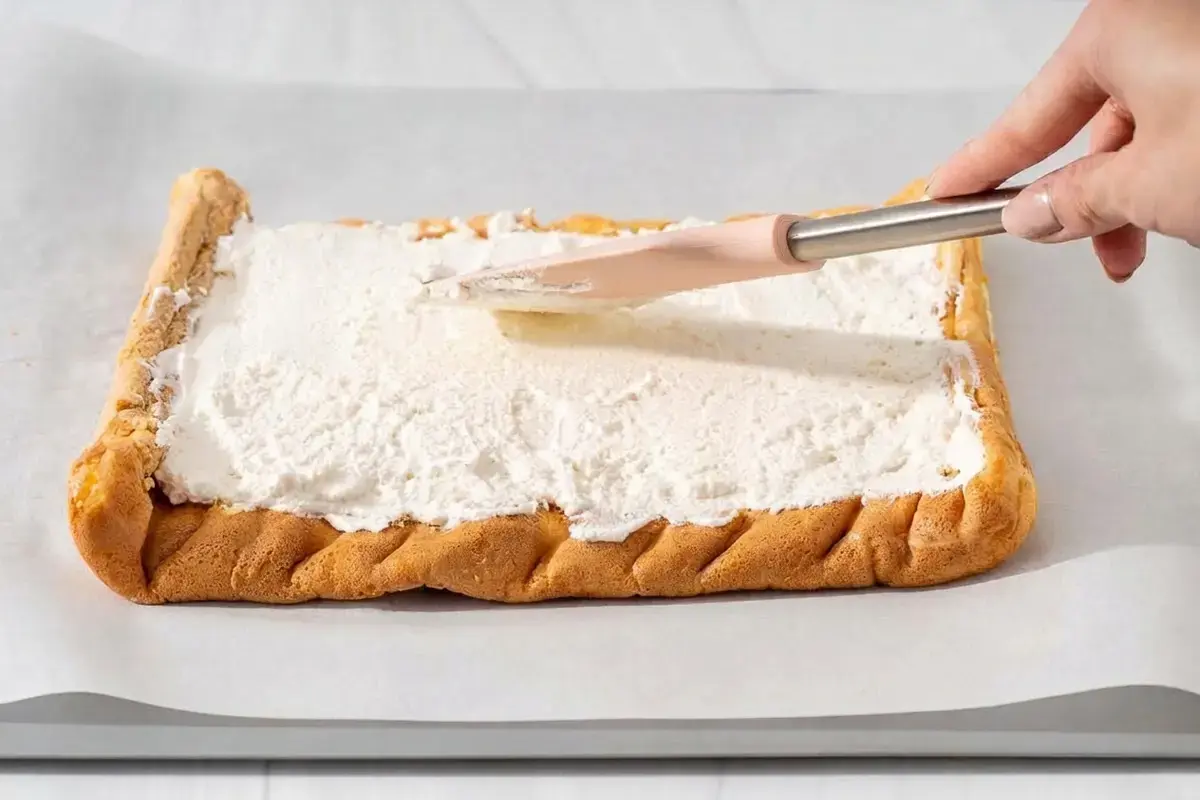
When the cake has cooled completely, gently unroll it and trim the edges. Spread the whipped cream evenly on top with a rubber spatula, leaving about a 1/2 inch border around the edges. Gently roll the cake back up without the towel.
Tightly wrap it with plastic wrap and chill in the refrigerator for 1 hour, then garnish, slice, and serve.
Tips for the Best Japanese Cake Roll
Most cake roll problems start with the meringue, so give it your full attention.
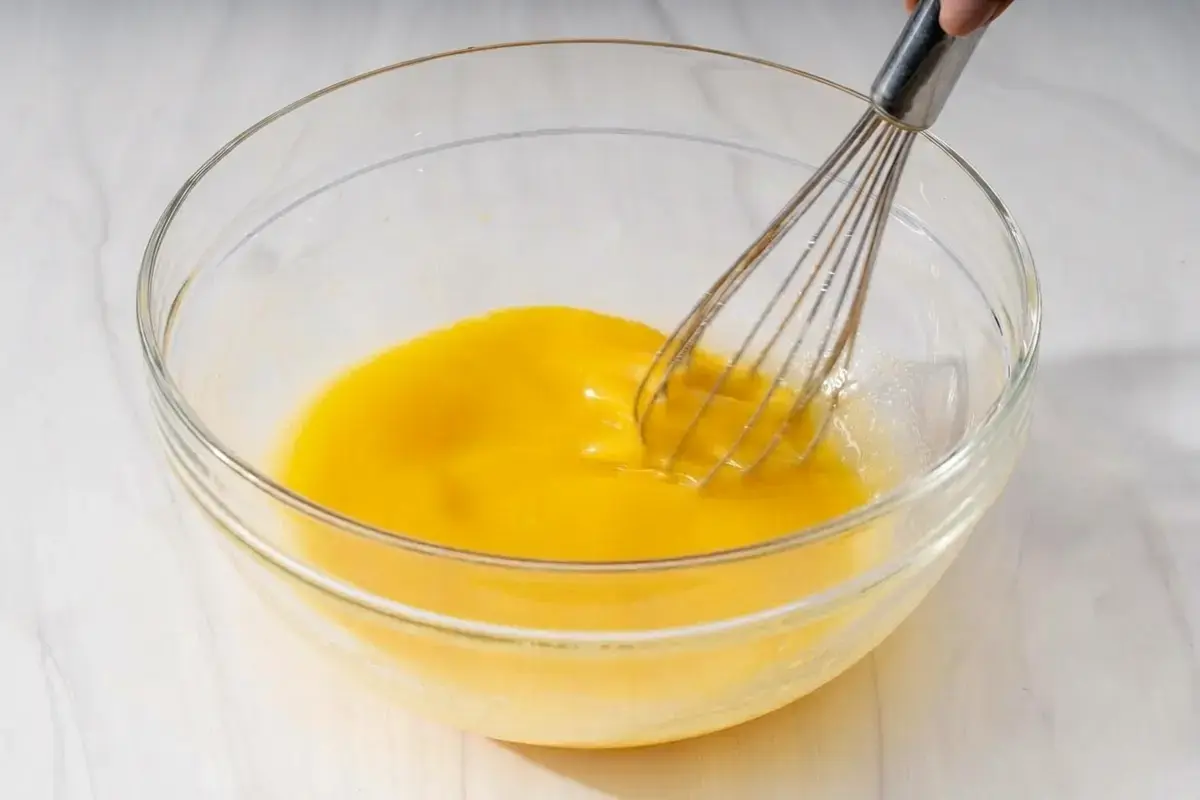
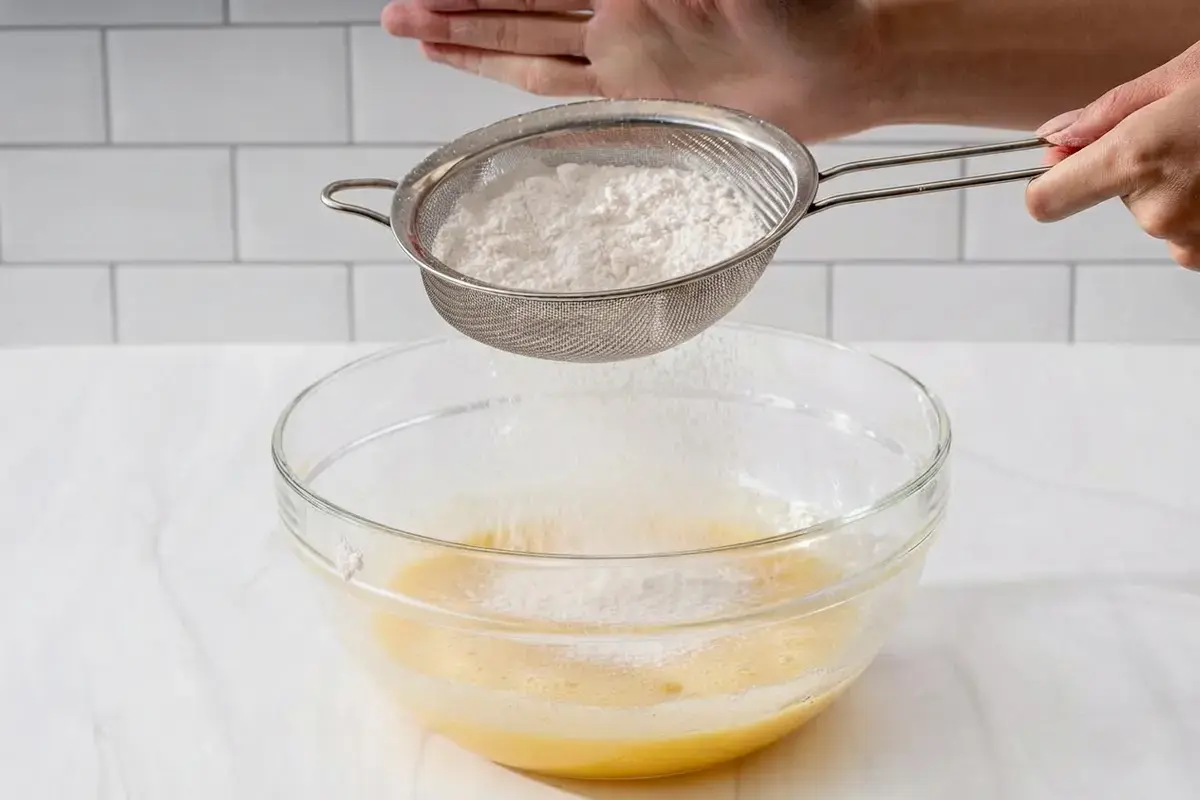

- Keep the egg whites, bowl, and whisks completely free of fat. Glass or stainless steel bowls work better than plastic.
- Wipe the bowl and whisk with a paper towel and a touch of white vinegar to remove any hidden fat.
- Let the egg whites reach soft peaks before adding any sugar. Adding all the sugar at once deflates them and can prevent a meringue from forming at all.
- Fold the egg yolk and egg white mixtures gently. Run a rubber spatula along the bowl edge down to the bottom, then scoop upward, until the batter is just combined and even. Aim for a homogeneous mix without knocking the air out of the meringue.
- Chill your mixing bowl for 10 to 15 minutes before making the whipped cream. Cold cream and a cold bowl whip fastest.
Tips on How to Roll The Perfect Cake Roll
Rolling is the hardest part of the recipe, and it rewards patience, a gentle touch, and the right technique.
- Roll the cake in a kitchen or tea towel immediately after baking, while it is at its most flexible and easiest to shape.
- Choose a towel over parchment paper. A towel is softer and will not wrinkle the surface of the cake.
- Leave a 1/2 inch border of cake around the cream. Put a thick layer in the center and leave space at the edges, because the cream spreads as the cake rolls.
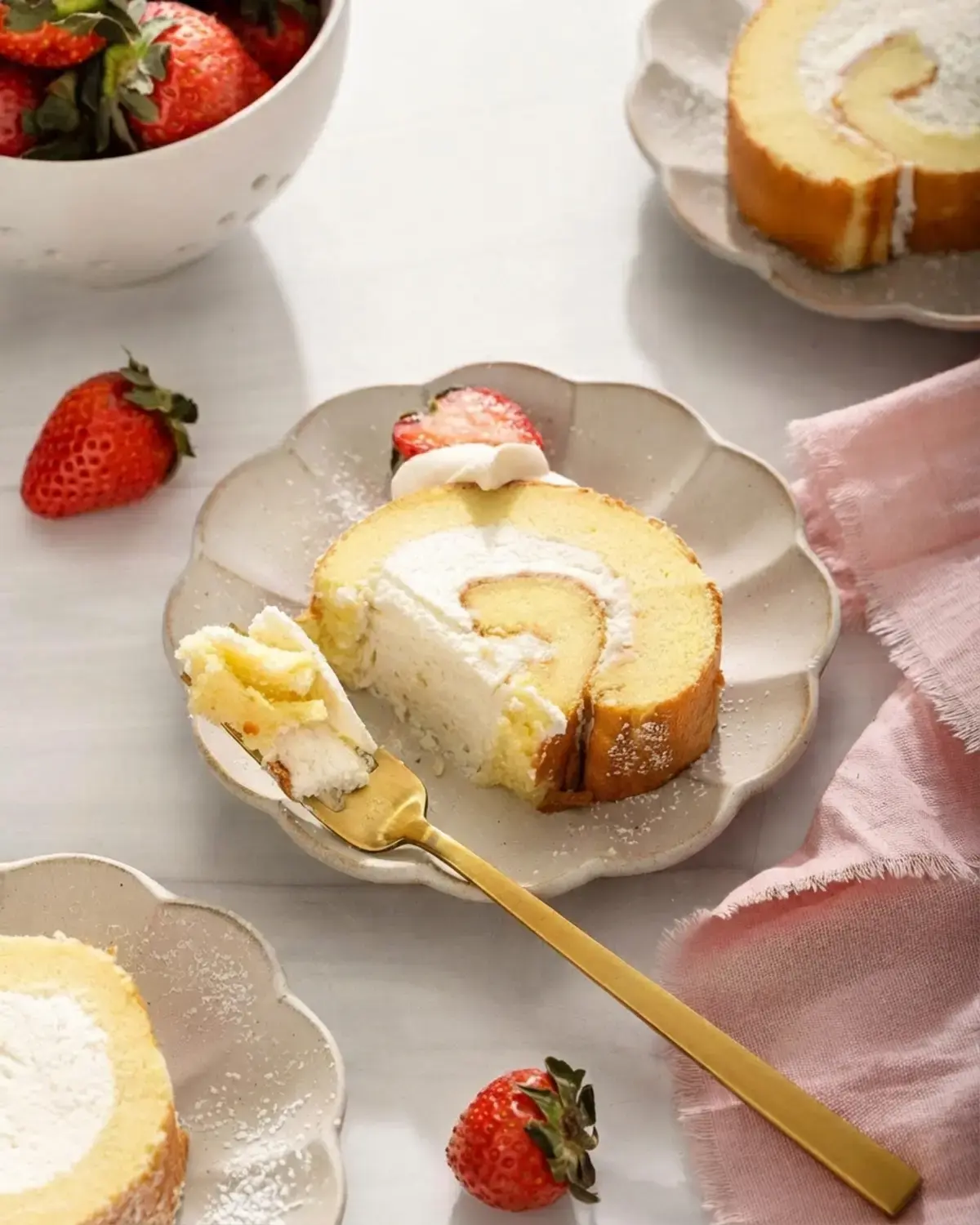
- Wrap the filled, rolled cake tightly in plastic wrap and refrigerate it for at least 1 hour. This sets the shape and keeps the roll from unrolling when you slice it.
A warm, flexible sponge rolls without cracking. Once it cools flat on the counter, the odds of a split go up quickly.
Storage Instructions
Store the cake in an airtight container in the refrigerator for up to 3 days. To keep it longer, wrap it well and freeze it for up to 3 months.
FAQs
What is a Japanese cake roll?
A Japanese cake roll is a rolled chiffon cake filled with light and airy whipped cream. It is known for its fluffy and tender texture, achieved by using a chiffon cake base that relies on whipped egg whites for volume. The dessert is popular in Japan for its subtle sweetness and delicate crumb, making it lighter than many Western-style rolled cakes.
How is a Japanese cake roll different from a regular Swiss roll?
The main difference lies in the cake base and filling. Japanese cake rolls use a light and airy chiffon cake, while European Swiss rolls typically use a drier genoise sponge. Japanese versions have a softer texture, less sugar, and are usually filled with light whipped cream, whereas Swiss rolls often use jams, icings, or buttercream.
Why did my Japanese cake roll crack when I tried to roll it?
Cracking usually happens when the cake is over-baked, making it too dry and brittle to roll. To prevent cracks, bake the cake just until a toothpick inserted in the center comes out clean, and roll it immediately after baking while it is still warm and flexible using a slightly damp kitchen towel.
Can I make a Japanese cake roll in advance?
Yes, you can make a Japanese cake roll in advance. After assembling and chilling it in the refrigerator for at least 1 hour, wrap the cake roll tightly with plastic wrap and then foil. Store it in an airtight container and freeze for up to 3 months. To serve, thaw it in the refrigerator and bring it to room temperature before slicing.

Japanese Cake Roll
Japanese Cake Roll A Japanese cake roll is the kind of dessert that looks like it came from a bakery window, yet it starts with a simple bowl of eggs, sugar, and cake flour. The cake itself is a light chiffon base, soft and airy, and it is filled with an even lighter whipped cream.
- Total Time: 70 min
- Yield: 8 servings 1x
Ingredients
Cake
4 large egg yolks, room temperature
¼ cup granulated sugar, for egg yolk mixture
¼ teaspoon salt
½ teaspoon vanilla extract
¼ cup vegetable oil
3 tablespoon whole milk
½ cup cake flour
½ teaspoon baking powder
4 large egg whites, room temperature
¼ teaspoon cream of tartar
⅓ cup granulated sugar, for egg white meringue
Whipped Cream
1 cup heavy whipping cream
3 tablespoon powdered sugar
1 teaspoon vanilla extract
Instructions
Cake
1-Prepare the oven and pan: Prepare the oven and pan. Prepare a 9×13 baking tray with parchment paper. Preheat the oven to 350°F or 176°C.
2-Mix the egg yolk mixture: Mix the egg yolk mixture. In a medium mixing bowl, add the egg yolks, 1/4 cup of sugar, salt, vanilla, oil and milk. Mix with a whisk until combined.
3-Sift in the cake flour and baking: Sift in the cake flour and baking powder. Using a fine mesh sieve, sift the cake flour and baking powder into the egg yolk mixture. Whisk to combine. Stop when there are no more lumps or traces of flour.
4-Make the egg white meringue: Make the egg white meringue. In a large mixing bowl, quickly wipe the bowl with a paper towel and some lemon juice or vinegar. Add the egg whites and beat with an electric mixer on high until bubbly and frothy, then add the cream of tartar and beat until the whites are opaque and the bubbles have tightened up. Next, slowly pour the 1/3 cup of sugar in three increments while the mixer is running. Continue beating the egg whites until stiff peaks form or when the egg whites are fluffy, shiny and the egg whites holds its pointed tip when you lift the mixer from the bowl.
5-Combine the egg mixtures: Combine the egg mixtures. Using a rubber spatula, add about 1/3 of the egg white meringue into the egg yolk mixture and very gently fold until mostly mixed. Then add the next 1/3 of the mixture and gently fold and repeat with the remaining third. Be careful to not deflate the air in the mixture by over folding.
6-Bake: Bake. Pour the batter into the parchment lined 9×13 inch pan and even out the batter with a spatula. Give the tray a few taps on your work surface to release any large air bubbles. Bake at 350°F or 176°C for 15-17 minutes or until a toothpick inserted in the center comes out clean.
7-Remove and roll: Remove and roll. Once you take the cake out of the oven, quickly flip the cake onto a slightly damp kitchen towel that is larger than the cake on your work surface. Peel off the parchment paper. Begin to roll the cake tightly with the kitchen towel starting with the short side of the cake. Do this very slowly and very gently. Allow the cake to cool completely rolled up in the towel.
Whipped Cream
8-Make the whipped cream: Make the whipped cream. Using an electric mixer or your stand mixer with a whisk attachment, whip the heavy cream, sugar and vanilla extract until medium to stiff peaks form.
Assembly
9-Assemble: Assemble. When the cake has cooled completely, gently unroll the cake and trim the edges. Spread the whipped cream evenly on top using a rubber spatula leaving about 1/2 inch border around the edges. Gently roll the cake back up without the towel. Tightly wrap the cake with plastic wrap and chill the cake in the refrigerator for 1 hour. Then garnish, slice and serve!
Last Step:
Please leave a rating and comment letting us know how you liked this recipe! This helps our business to thrive and continue providing free, high-quality recipes for you.- Prep Time: 25 min
- Cook Time: 15 min
- Method: bake
Nutrition
- Calories: 317kcal
- Sugar: 20g
- Sodium: 168mg
- Fat: 21g
- Saturated Fat: 9g
- Carbohydrates: 26g
- Fiber: 1g
- Protein: 6g
- Cholesterol: 118mg


