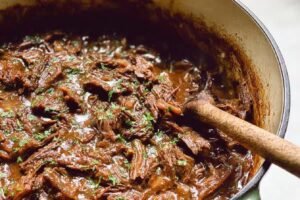
Why You’ll Love This Italian Meatballs
There’s nothing quite like the comfort of homemade Italian meatballs simmering in a rich tomato sauce. This recipe brings together time-honored techniques with simple, accessible ingredients to create a dish that will quickly become a family favorite. Here’s why this recipe deserves a permanent spot in your cooking rotation.
Ease of Preparation
Despite their impressive taste, these Italian meatballs are surprisingly straightforward to make. The total prep time is just 30 minutes, and the hands-on steps are simple and clear. Even if you’re new to cooking, you’ll find the process approachable and rewarding. The recipe flows logically from making the sauce to preparing the meatballs, with clear instructions at every stage. Plus, the baking and simmering methods mean you’re not tied to the stove for hours, giving you time to prep other parts of your meal or simply relax while they cook.
Health Benefits
These meatballs offer a well-rounded nutritional profile with 19 grams of protein per serving. Using quality lean ground beef provides essential nutrients like iron, zinc, and B vitamins while keeping fat content reasonable. The homemade tomato sauce adds vitamins A and C without the excessive sodium often found in commercial varieties. By making your own meatballs, you control exactly what goes into them, avoiding preservatives and additives common in store-bought options.
Versatility
These Italian meatballs shine in countless applications beyond just spaghetti. Serve them in sub sandwiches, as appetizers with toothpicks, over polenta, or even with mashed potatoes for a comfort food twist. They adapt beautifully to various dietary needs too. This recipe can be modified for gluten-free eaters, and the meatballs can be made smaller for children’s portions or larger for hearty appetites. The sauce and meatballs also freeze exceptionally well, making them perfect for meal prep and future quick dinners.
Distinctive Flavor
What sets these meatballs apart is the combination of techniques and ingredients that build deep, complex flavor. The two-step cooking process of broiling first then simmering in sauce creates a texture that’s browned on the outside but meltingly tender within. The homemade tomato sauce starts with a proper soffritto of onions and garlic in olive oil, then builds depth with tomato paste before adding crushed tomatoes. The meatballs themselves benefit from the perfect ratio of meat to binder, with Parmesan, fresh herbs, and seasonings creating a burst of Italian flavor in every bite.
Jump To
- 1. Why You’ll Love This Italian Meatballs
- 2. Essential Ingredients for Italian Meatballs
- 3. How to Prepare the Perfect Italian Meatballs: Step-by-Step Guide
- 4. Dietary Substitutions to Customize Your Italian Meatballs
- 5. Mastering Italian Meatballs: Advanced Tips and Variations
- 6. How to Store Italian Meatballs: Best Practices
- 7. FAQs: Frequently Asked Questions About Italian Meatballs
- 8. Italian Meatballs
Essential Ingredients for Italian Meatballs
Creating exceptional Italian meatballs comes down to using quality ingredients in the right proportions. Below is the complete list of ingredients you’ll need for both the sauce and the meatballs, along with measurements and the purpose each ingredient serves in the recipe.
Tomato Sauce Ingredients
- ¼ cup olive oil – Provides richness and helps sauté aromatics
- ½ cup minced yellow onions – Creates a sweet flavor base
- 2 teaspoons minced garlic – Adds aromatic depth
- 6 ounces tomato paste – Concentrates flavor and adds body
- 7 cups crushed canned tomatoes – Forms the sauce base
- 2 teaspoons kosher salt – Enhances overall flavor
- ½ teaspoon black pepper – Adds subtle heat and complexity
Meatball Ingredients
- 2 pounds ground beef (80% to 85% lean) – Provides ideal fat-to-meat ratio for juiciness
- 2 large eggs – Acts as binder to hold meatballs together
- 1 cup plain breadcrumbs or Italian-style breadcrumbs – Creates texture and retains moisture
- ½ cup grated parmesan cheese – Adds umami and savory notes
- ½ cup finely minced yellow onion – Contributes sweetness and moisture
- 2 teaspoons kosher salt – Enhances meat flavor
- 1 teaspoon black pepper – Provides gentle spice
- 1 teaspoon Italian seasoning – Adds classic herb blend
- 1 teaspoon minced garlic – Brings aromatic flavor
- ¼ cup sliced basil (for garnish) – Fresh finishing touch
Special Dietary Options
Vegan: Substitute ground beef with plant-based meat alternatives or a mixture of mushrooms, walnuts, and lentils. Use flax eggs or a commercial egg replacer instead of regular eggs. Choose vegan Parmesan or nutritional yeast in place of traditional Parmesan.
Gluten-free: Use gluten-free breadcrumbs or almond flour in place of regular breadcrumbs. Ensure all other ingredients, including Italian seasoning, are certified gluten-free if serving someone with celiac disease or gluten sensitivity.
Low-calorie: Use 90% lean ground beef and reduce the amount of Parmesan cheese. Consider using extra vegetables like grated zucchini or carrots in the meatball mixture to add volume without significantly increasing calories.
| Nutrient | Amount |
|---|---|
| Calories | 216 kcal |
| Carbohydrates | 9 g |
| Protein | 19 g |
| Fat | 11 g |
| Saturated Fat | 4 g |
| Cholesterol | 44 mg |
| Sodium | 810 mg |
| Fiber | 1 g |
| Sugar | 2 g |
| Vitamin A | 250 IU |
| Vitamin C | 4.1 mg |
| Calcium | 120 mg |
| Iron | 0.5 mg |
How to Prepare the Perfect Italian Meatballs: Step-by-Step Guide
Making Italian meatballs is a rewarding process that yields delicious results when you follow these tried-and-true steps. This method ensures tender meatballs with robust flavor that will impress family and friends alike.
First Step: Prepare the Tomato Sauce
Begin by creating the rich tomato sauce that will simmer with your meatballs. Heat the ¼ cup of olive oil in a large pot or Dutch oven over medium-low heat. Add the ½ cup of minced yellow onions and 2 teaspoons of minced garlic, sautéing them until they become translucent and fragrant. This initial step, known as creating a soffritto, builds a foundational flavor that makes the sauce taste restaurant-quality.
Once the onions and garlic are soft, add the 6 ounces of tomato paste to the pot. Cook the tomato paste for about 1 minute, stirring constantly. This important step caramelizes the sugars in the paste and reduces any raw tomato flavor, resulting in a deeper, more complex taste.
Next, stir in the 7 cups of crushed canned tomatoes, along with the 2 teaspoons of kosher salt and ½ teaspoon of black pepper. Reduce the heat to low, cover the pot with the lid slightly ajar to allow some steam to escape, and let the sauce simmer for 30 minutes. Stir occasionally to prevent sticking. After 30 minutes, taste the sauce and adjust the seasoning as needed.
Second Step: Prepare for Meatball Cooking
While your sauce simmers, preheat your oven with the rack positioned in the lower-middle portion of the oven. Set the oven to broil. Line a baking sheet with aluminum foil and grease it generously with olive oil. This preparation step ensures your meatballs won’t stick and makes cleanup much easier.
Third Step: Mix the Meatball Mixture
In a large mixing bowl, combine 2 pounds of ground beef (80% to 85% lean), 2 large eggs, 1 cup of plain breadcrumbs or Italian-style breadcrumbs, ½ cup of grated Parmesan cheese, and ½ cup of finely minced yellow onion. Add the 2 teaspoons of kosher salt, 1 teaspoon of black pepper, 1 teaspoon of Italian seasoning, and 1 teaspoon of minced garlic.
Mix all ingredients thoroughly by hand, being careful not to overwork the meat. Overworking can make the meatballs tough. Mix just until all ingredients are evenly distributed throughout the beef. The combination of breadcrumbs and eggs creates what chefs call a panade, which helps retain moisture during cooking and prevents the meatballs from becoming dry or shrinking excessively.
Fourth Step: Form and Broil the Meatballs
Shape the meat mixture into portions of about ⅓ cup each, roughly 3 ounces in size. Roll them between your palms to form smooth balls, yielding approximately 14 to 15 meatballs. Place them evenly spaced on your prepared baking sheet, ensuring they aren’t touching each other to allow for proper browning.
Place the baking sheet in the oven and broil the meatballs for 10 to 12 minutes until the surface is nicely browned. Using tongs, carefully flip each meatball and cook for an additional 2 to 3 minutes to brown the other side. This broiling step creates a flavorful crust on the exterior while keeping the inside moist.
Fifth Step: Simmer Meatballs in Sauce
Transfer the browned meatballs directly into your simmering tomato sauce. Reduce the heat to low and maintain a gentle simmer with the lid slightly ajar. Let the meatballs cook in the sauce for at least 1½ hours, stirring every 20 minutes to ensure even cooking and prevent sticking. This slow simmering allows the meatballs to become fork-tender as they absorb flavors from the sauce. The acidity in the tomatoes also helps break down the connective tissue in the meat, resulting in exceptionally tender meatballs.
Final Step: Serve and Enjoy
To serve, check the sauce consistency. If it’s thicker than you prefer, adjust it by adding a small amount of water and stirring well. Serve the meatballs topped with sauce, and garnish with the ¼ cup of sliced basil and additional Parmesan cheese if desired. These meatballs pair perfectly with your favorite pasta, but they’re also delicious in sandwiches, over polenta, or served on their own as a hearty appetizer.
Preparation Time: Prep Time: 30 minutes | Cook Time: 2 hours | Total Time: 2 hours 30 minutes
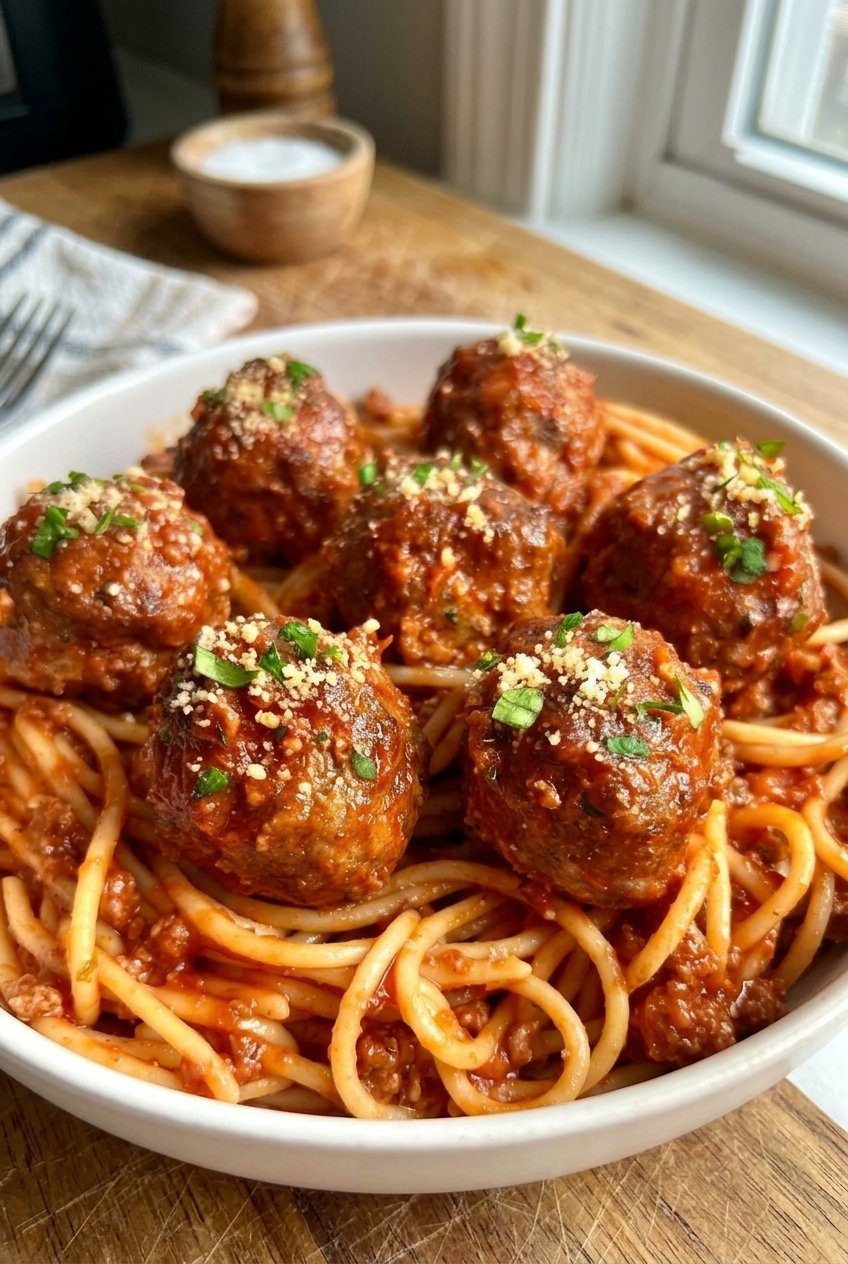
Dietary Substitutions to Customize Your Italian Meatballs
Protein and Main Component Alternatives
While this recipe calls for ground beef at 80% to 85% lean, you can easily customize the protein to suit your preferences or dietary needs. A traditional Italian approach often uses a mixture of beef, pork, and veal for complex flavor and optimal texture. If you prefer lighter meatballs, try using ground turkey or chicken, though you may want to add a bit more olive oil to compensate for the lower fat content and prevent dryness.
For those who enjoy seafood, salmon meatballs make a delicious alternative. The richness of salmon works well with the Italian seasoning, and you can reduce the Parmesan slightly to let the fish flavor shine. If you’re looking for a plant-based option, finely chopped mushrooms combined with walnuts and lentils can mimic the texture of ground meat while providing protein and fiber.
Vegetable, Sauce, and Seasoning Modifications
The versatility of this recipe extends to the vegetables, sauce, and seasonings as well. If you want to increase the nutritional content and add moisture to your meatballs, consider incorporating finely grated vegetables like zucchini, carrots, or spinach. These additions are virtually undetectable once cooked but boost the vitamin content and create even more tender meatballs.
For the sauce, while the homemade tomato version is exceptional, you can customize it based on seasonal availability or personal preference. In summer, fresh ripe tomatoes can replace the canned variety for a brighter, fresher taste. During fall, try adding a splash of red wine to deepen the flavor profile. Winter is perfect for incorporating roasted vegetables like red peppers into the sauce base.
Seasoning variations can dramatically change the character of your meatballs. For a spicier kick, add crushed red pepper flakes to the meat mixture. Fresh herbs like parsley, oregano, or rosemary can replace or complement the Italian seasoning blend. If you enjoy Asian flavors, try substituting the Italian herbs with ginger, garlic, and a splash of soy sauce, then serve with a different style of sauce.
If you’re looking to pair these meatballs with a perfect side dish, consider serving them with homemade cornbread for a delicious comfort meal that balances flavors perfectly.
Mastering Italian Meatballs: Advanced Tips and Variations
Professional chefs know that the secret to exceptional meatballs lies in the details. These advanced tips will help you elevate your Italian meatballs from good to absolutely outstanding.
Pro Cooking Techniques
The technique of broiling meatballs before simmering them in sauce is crucial for developing texture and flavor. This high-heat cooking creates a Maillard reaction on the surface of the meat, adding complexity and depth that wouldn’t develop through simmering alone. The browned exterior also helps the meatballs hold their shape during the extended cooking time in sauce.
Another professional technique is properly hydrating your breadcrumbs before adding them to the meat mixture. Soaking breadcrumbs in a little milk or water creates a more effective panade that better retains moisture. For this recipe, the eggs provide enough moisture that pre-soaking isn’t necessary, but it’s a technique to remember for leaner meat mixtures.
When mixing the meatballs, use your hands rather than a spoon or mixer. This allows you to feel the texture of the mixture and ensures ingredients are evenly distributed without overworking the meat. Your hands should be clean and cool, as warm hands can start to melt the fat in the meat, affecting the final texture.
Flavor Variations
While the classic Italian seasoning blend is delicious, don’t hesitate to experiment with different flavor profiles. For a Mediterranean twist, add chopped sun-dried tomatoes and Kalamata olives to the meat mixture. A Provencal version might include herbs de Provence and a touch of lavender. If you prefer a bolder taste, incorporate some finely chopped pancetta or prosciutto into the meatballs for an extra savory punch.
The cheese selection also offers room for variation. While Parmesan provides a classic nutty flavor, Pecorino Romano offers a sharper taste. For a creamier interior, try adding small cubes of mozzarella to the center of each meatball. This creates a gooey, melted surprise when you bite into them.
Presentation Tips
Plating Italian meatballs can transform them from a weeknight dinner to a dinner party-worthy dish. Arrange three or four meatballs on a bed of sauce that’s been swirled with the back of a spoon. Garnish generously with fresh basil, and consider adding a sprinkle of red pepper flakes for color contrast. A final dusting of high-quality Parmesan just before serving adds both flavor and visual appeal.
For appetizer presentation, consider serving meatballs on small wooden skewers with cherry tomatoes and fresh basil leaves between them. This creates an attractive finger food that’s perfect for parties. Serve with individual ramekins of sauce for dipping.
Make-Ahead Options
One of the greatest advantages of this meatball recipe is how well it lends itself to advance preparation. You can prepare the meatballs and sauce up to two days ahead, storing them separately in the refrigerator. When ready to serve, simply bring the sauce to a simmer, add the meatballs, and cook until heated through and tender.
For meal prep, consider making a double batch and freezing portions. Cooked meatballs freeze beautifully and can be thawed in the refrigerator overnight before reheating. This strategy ensures you always have a homemade meal ready on busy weeknights. For more ideas on make-ahead meals, check out our BBQ meatballs recipe which offers another delicious option for your meal prep rotation.
How to Store Italian Meatballs: Best Practices
Proper storage of your Italian meatballs ensures you can enjoy them for days after cooking or preserve them for future meals. Follow these guidelines to maintain quality and food safety.
Refrigeration
Allow cooked meatballs to cool to room temperature before refrigerating, but don’t leave them out for more than two hours. Store them in an airtight container, completely submerged in sauce to prevent drying. Properly refrigerated, your meatballs will maintain optimal quality for up to 5 days. When storing, place the container in the main part of your refrigerator rather than the door, which experiences temperature fluctuations.
Freezing
For long-term storage, freezing is an excellent option. You can freeze both cooked and raw meatballs successfully. For best results, place cooled meatballs on a baking sheet in a single layer and freeze until solid, about 2 hours. Then transfer to freezer bags, removing as much air as possible. This prevents them from sticking together and allows you to remove just the number you need. Frozen meatballs will maintain quality for up to 1 month.
Label your freezer bags with the date and contents, as frozen foods can be difficult to identify after a few weeks. Consider portioning meatballs in amounts you typically use for a meal to avoid repeated thawing and refreezing, which can affect texture and safety.
Reheating
The gentlest method for reheating meatballs is in a saucepan over low heat with additional sauce or a splash of water. This method preserves moisture and prevents the meat from becoming tough. Simmer until heated through, about 15-20 minutes, stirring occasionally.
Microwave reheating is faster but may result in uneven heating and tougher texture. If using a microwave, place meatballs in a microwave-safe dish, add a splash of water, cover loosely, and heat in short intervals, stirring between each.
If you’re planning to reheat frozen meatballs, it’s best to thaw them overnight in the refrigerator first. This ensures even heating and prevents the outside from overcooking while the inside remains frozen.
Meal Prep Considerations
Italian meatballs make an excellent meal prep component. Cook a batch on Sunday and portion them with sauce into individual containers for easy weekday lunches. Pair them with cooked pasta that can be quickly reheated, or serve with vegetables for a lower-carb option.
When meal prepping, consider preparing the sauce and meatballs separately if you prefer a firmer meatball texture. This allows you to recombine them when ready to eat, giving you more control over the final texture. However, if you prefer melt-in-your-mouth tender meatballs, storing them in the sauce is the better option.
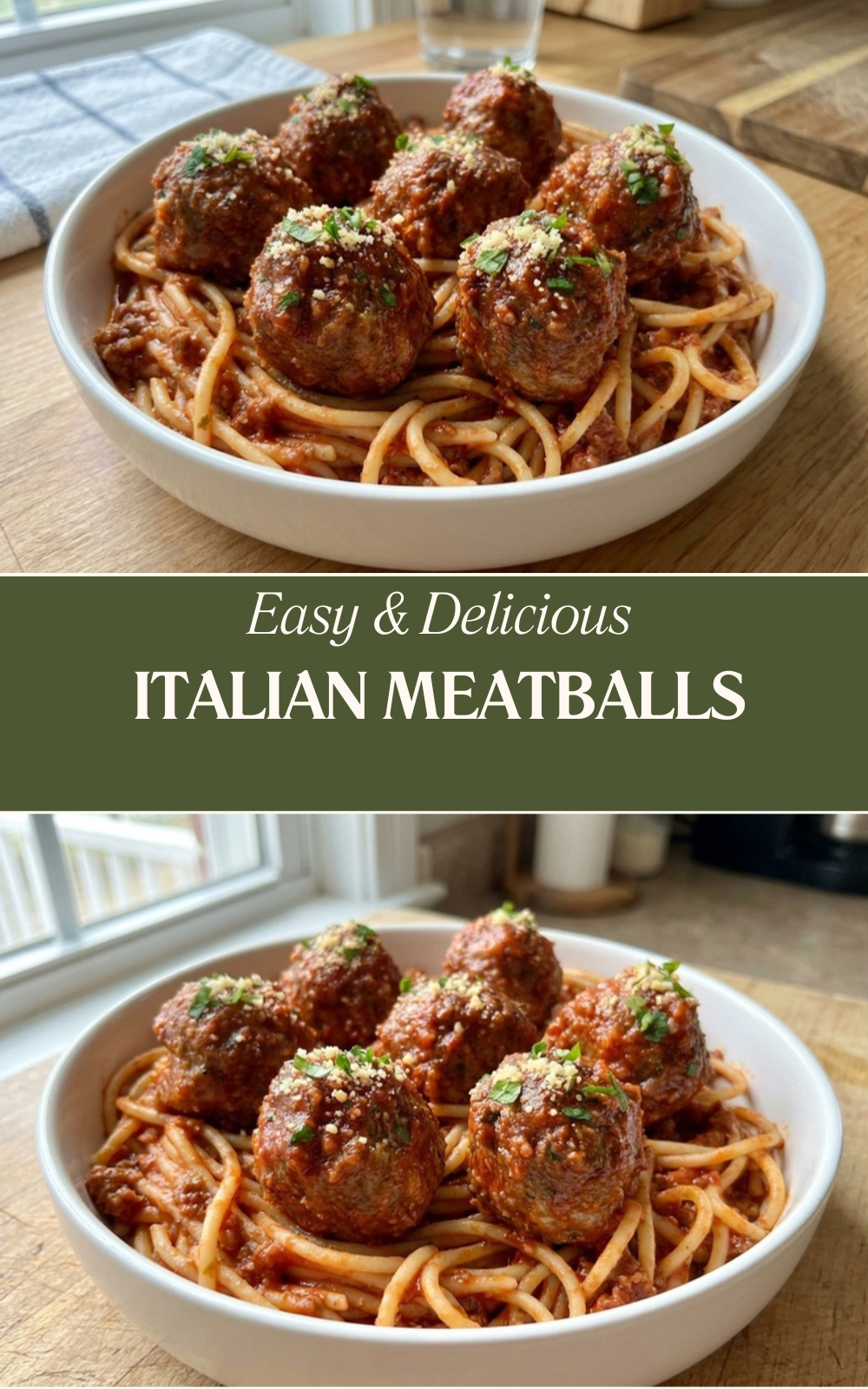
FAQs: Frequently Asked Questions About Italian Meatballs
How do I make tender Italian meatballs?
Tender Italian meatballs start with a panade—mix ground meat like beef or a beef-pork blend with breadcrumbs soaked in milk or water, plus eggs. This starchy paste traps moisture during cooking. Use 1/2 cup breadcrumbs and 1/4 cup milk per pound of meat. Gently mix by hand to avoid overworking the proteins, which can toughen them. Form into 1- to 1.5-inch balls. Brown in a skillet with oil for flavor, then simmer in tomato sauce for 20-30 minutes. This low-heat method lets starches swell and lock in juices. Internal temperature should reach 165°F (74°C). Avoid tight packing; loose meatballs stay juicier. Test one: it should yield easily when pressed. This technique works for classic recipes with Parmesan, garlic, parsley, and herbs. (98 words)
How do you keep Italian meatballs from shrinking?
Italian meatballs shrink from moisture loss as proteins contract in heat. Prevent this by adding breadcrumbs or a panade: combine 1/2 cup fresh breadcrumbs with 1 egg and 1/4 cup milk or water per pound of ground meat. The starch absorbs liquids and expands during cooking, holding shape. Chill the mixture 30 minutes before forming balls—this firms them up. Cook gently: brown first in a hot skillet with olive oil (2-3 minutes per side), then simmer in sauce at low heat rather than high-heat baking or boiling. Aim for 1-inch balls; larger ones shrink more. Without binders, expect 20-30% size reduction. Finished meatballs should be plump and moist inside. Pro tip: 80/20 ground beef ratio balances fat for juiciness without excess grease. (112 words)
Can you bake Italian meatballs?
Yes, baking Italian meatballs is simple and hands-off. Preheat oven to 375°F (190°C). Line a baking sheet with parchment or foil for easy cleanup. Form 1-inch meatballs from your meat mixture (beef, pork, breadcrumbs, eggs, cheese, herbs). Space them 1 inch apart to allow browning. Bake 20-25 minutes, flipping halfway with tongs for even color. Check internal temp at 165°F (74°C) with a thermometer. Brush with olive oil before baking for crispier exteriors. No oven? Air fry at 380°F for 12-15 minutes, shaking basket midway. Baked meatballs pair perfectly with spaghetti sauce—simmer post-bake for 15 minutes to infuse flavors. This method cuts oil use and mess compared to pan-frying. Store extras in sauce for up to 4 days. (118 words)
Can you cook Italian meatballs in a slow cooker?
Absolutely, a slow cooker makes tender Italian meatballs with minimal effort. Use a 6-quart model. Place raw or browned 1-inch meatballs (about 24-30) in the bottom, then pour 4-5 cups marinara or homemade tomato sauce over top—ensure they’re fully submerged for even cooking. Cook on high for 3-4 hours or low for 6-7 hours until internal temp hits 165°F (74°C). Add garlic, onions, or herbs midway for fresh taste. No stirring needed early on to avoid breaking them. For best results, brown first in a skillet for Maillard flavor. Finish with grated Parmesan. This yields fall-apart texture from slow simmering. Serve over pasta or in subs. Leftovers freeze well in sauce portions. (108 words)
Can you make Italian meatballs ahead and freeze them?
Yes, Italian meatballs freeze excellently for meal prep. Form and cook fully (bake, pan-fry, or simmer to 165°F), then cool completely. Place on a parchment-lined tray to freeze individually (2 hours), preventing clumps. Transfer to freezer bags in single layers or sauce portions; label with date. Frozen cooked meatballs last 2-3 months. Thaw overnight in fridge, then reheat in simmering sauce 15-20 minutes. Raw meatballs freeze up to 3 months: flash-freeze on tray, bag, and cook from frozen (add 5-10 minutes). Avoid refreezing thawed meat. Proportions: 1 lb meat makes 24 balls. This saves time for busy nights—reheat with fresh pasta for authentic taste. Vacuum-seal for longer storage up to 6 months. (104 words)
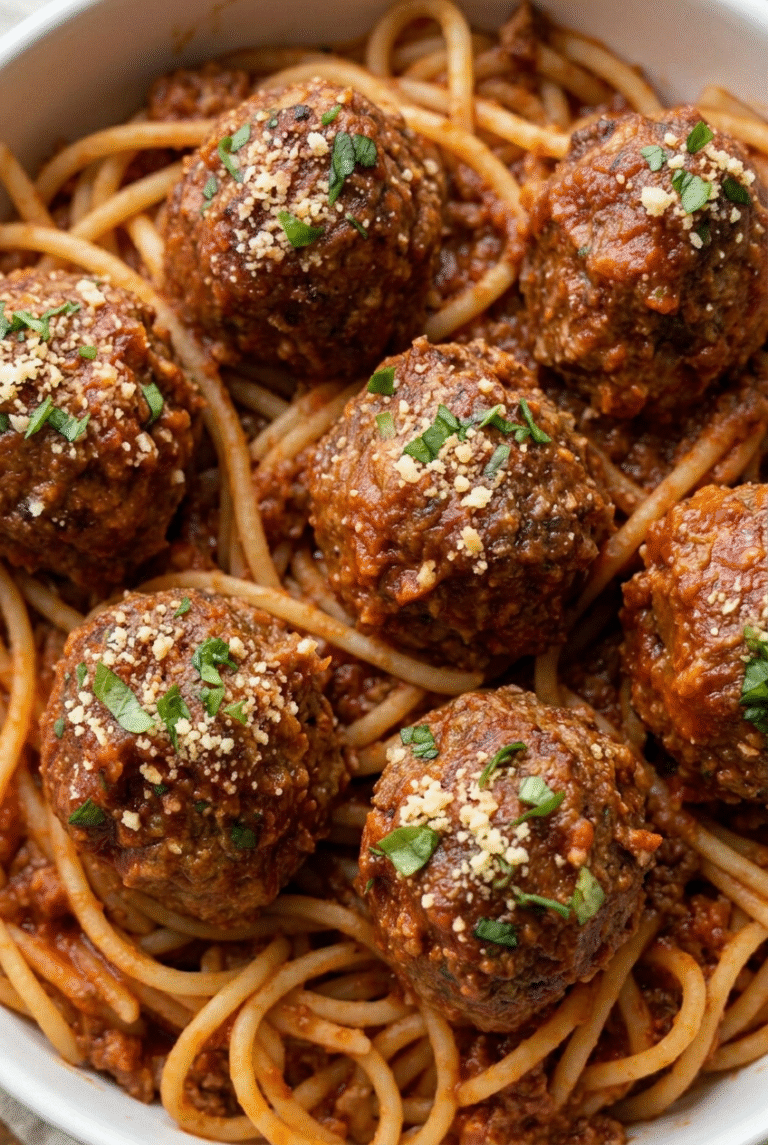
Italian Meatballs
🥩 Discover the best ever meatballs: juicy, tender, and packed with Italian flavor in a rich homemade tomato sauce that’s perfect for family meals or gatherings.
🍝 Effortlessly make-ahead, freezer-friendly, and versatile for pasta, subs, or appetizers – elevate your dinners with this foolproof recipe everyone loves.
- Total Time: 2 hours 30 minutes
- Yield: 14 servings
Ingredients
– ¼ cup olive oil – Provides richness and helps sauté aromatics
– ½ cup minced yellow onions – Creates a sweet flavor base
– 2 teaspoons minced garlic – Adds aromatic depth
– 6 ounces tomato paste – Concentrates flavor and adds body
– 7 cups crushed canned tomatoes – Forms the sauce base
– 2 teaspoons kosher salt – Enhances overall flavor
– ½ teaspoon black pepper – Adds subtle heat and complexity
– 2 pounds ground beef (80% to 85% lean) – Provides ideal fat-to-meat ratio for juiciness
– 2 large eggs – Acts as binder to hold meatballs together
– 1 cup plain breadcrumbs or Italian-style breadcrumbs – Creates texture and retains moisture
– ½ cup grated parmesan cheese – Adds umami and savory notes
– ½ cup finely minced yellow onion – Contributes sweetness and moisture
– 2 teaspoons kosher salt – Enhances meat flavor
– 1 teaspoon black pepper – Provides gentle spice
– 1 teaspoon Italian seasoning – Adds classic herb blend
– 1 teaspoon minced garlic – Brings aromatic flavor
– ¼ cup sliced basil (for garnish) – Fresh finishing touch
Instructions
1-First Step: Prepare the Tomato Sauce Begin by creating the rich tomato sauce that will simmer with your meatballs. Heat the ¼ cup of olive oil in a large pot or Dutch oven over medium-low heat. Add the ½ cup of minced yellow onions and 2 teaspoons of minced garlic, sautéing them until they become translucent and fragrant. This initial step, known as creating a soffritto, builds a foundational flavor that makes the sauce taste restaurant-quality. Once the onions and garlic are soft, add the 6 ounces of tomato paste to the pot. Cook the tomato paste for about 1 minute, stirring constantly. This important step caramelizes the sugars in the paste and reduces any raw tomato flavor, resulting in a deeper, more complex taste. Next, stir in the 7 cups of crushed canned tomatoes, along with the 2 teaspoons of kosher salt and ½ teaspoon of black pepper. Reduce the heat to low, cover the pot with the lid slightly ajar to allow some steam to escape, and let the sauce simmer for 30 minutes. Stir occasionally to prevent sticking. After 30 minutes, taste the sauce and adjust the seasoning as needed.
2-Second Step: Prepare for Meatball Cooking While your sauce simmers, preheat your oven with the rack positioned in the lower-middle portion of the oven. Set the oven to broil. Line a baking sheet with aluminum foil and grease it generously with olive oil. This preparation step ensures your meatballs won’t stick and makes cleanup much easier.
3-Third Step: Mix the Meatball Mixture In a large mixing bowl, combine 2 pounds of ground beef (80% to 85% lean), 2 large eggs, 1 cup of plain breadcrumbs or Italian-style breadcrumbs, ½ cup of grated Parmesan cheese, and ½ cup of finely minced yellow onion. Add the 2 teaspoons of kosher salt, 1 teaspoon of black pepper, 1 teaspoon of Italian seasoning, and 1 teaspoon of minced garlic. Mix all ingredients thoroughly by hand, being careful not to overwork the meat. Overworking can make the meatballs tough. Mix just until all ingredients are evenly distributed throughout the beef. The combination of breadcrumbs and eggs creates what chefs call a panade, which helps retain moisture during cooking and prevents the meatballs from becoming dry or shrinking excessively.
4-Fourth Step: Form and Broil the Meatballs Shape the meat mixture into portions of about ⅓ cup each, roughly 3 ounces in size. Roll them between your palms to form smooth balls, yielding approximately 14 to 15 meatballs. Place them evenly spaced on your prepared baking sheet, ensuring they aren’t touching each other to allow for proper browning. Place the baking sheet in the oven and broil the meatballs for 10 to 12 minutes until the surface is nicely browned. Using tongs, carefully flip each meatball and cook for an additional 2 to 3 minutes to brown the other side. This broiling step creates a flavorful crust on the exterior while keeping the inside moist.
5-Fifth Step: Simmer Meatballs in Sauce Transfer the browned meatballs directly into your simmering tomato sauce. Reduce the heat to low and maintain a gentle simmer with the lid slightly ajar. Let the meatballs cook in the sauce for at least 1½ hours, stirring every 20 minutes to ensure even cooking and prevent sticking. This slow simmering allows the meatballs to become fork-tender as they absorb flavors from the sauce. The acidity in the tomatoes also helps break down the connective tissue in the meat, resulting in exceptionally tender meatballs.
6-Final Step: Serve and Enjoy To serve, check the sauce consistency. If it’s thicker than you prefer, adjust it by adding a small amount of water and stirring well. Serve the meatballs topped with sauce, and garnish with the ¼ cup of sliced basil and additional Parmesan cheese if desired. These meatballs pair perfectly with your favorite pasta, but they’re also delicious in sandwiches, over polenta, or served on their own as a hearty appetizer.
Last Step:
Please leave a rating and comment letting us know how you liked this recipe! This helps our business to thrive and continue providing free, high-quality recipes for you.Notes
🥩 Opt for 80-85% lean ground beef to ensure juicy, tender meatballs.
🔥 Broil meatballs first to lock in flavor and maintain perfect texture.
🧊 Freeze cooked meatballs in sauce for up to 1 month; thaw and reheat easily.
- Prep Time: 30 minutes
- Cook Time: 2 hours
- Category: Main Course
- Method: Broil, Simmer
- Cuisine: Italian
- Diet: Gluten-Free Option
Nutrition
- Serving Size: 1 meatball
- Calories: 216 kcal
- Sugar: 2g
- Sodium: 810mg
- Fat: 11g
- Saturated Fat: 4g
- Unsaturated Fat: 7g
- Trans Fat: 0g
- Carbohydrates: 9g
- Fiber: 1g
- Protein: 19g
- Cholesterol: 44mg