

Why You’ll Love This Hummus
There’s something incredibly satisfying about making your own hummus at home. This hummus recipe delivers results that genuinely beat store-bought versions in both flavor and texture. Once you master this simple technique, you’ll understand why homemade hummus is a game-changer for your snacking and meal prep routine.- Ease of preparation: This recipe comes together in just 10 minutes with minimal effort. You don’t need any special cooking skills just a food processor and basic pantry ingredients. The straightforward process makes it perfect for busy weeknights when you want something delicious without spending hours in the kitchen.
- Health benefits: Homemade hummus is packed with plant-based protein, fiber, and healthy fats from chickpeas and tahini. Unlike many store-bought varieties that contain preservatives and excess oils, this version lets you control exactly what goes into your body. Chickpeas are nutritional powerhouses that can support heart health and provide sustained energy throughout the day. If you want to learn about chickpeas nutrition benefits, you’ll be impressed by how this humble legume contributes to a balanced diet.
- Versatility: This recipe naturally accommodates various dietary needs. It’s vegan, gluten-free, and easily customizable for different flavor preferences. You can serve it as a dip, spread, or even as a base for other dishes. Whether you’re following a specific eating plan or just want to incorporate more plant-based meals, hummus fits seamlessly into any lifestyle.
- Distinctive flavor: What sets this hummus apart is the technique of whipping the tahini and lemon juice first, creating an incredibly smooth and creamy base. The balance of fresh lemon, garlic, and cumin creates a bright, complex flavor profile that’s far superior to most commercial versions. Each bite offers the perfect combination of nuttiness from the tahini, brightness from the lemon, and earthiness from the spices.
Jump To
- 1. Why You’ll Love This Hummus
- 2. Essential Ingredients for Hummus
- 3. How to Prepare the Perfect Hummus: Step-by-Step Guide
- 4. Dietary Substitutions to Customize Your Hummus
- 5. Mastering Hummus: Advanced Tips and Variations
- 6. How to Store Hummus: Best Practices
- 7. FAQs: Frequently Asked Questions About Hummus
- 8. Hummus
Essential Ingredients for Hummus
Creating the perfect homemade hummus starts with quality ingredients. Each component plays a crucial role in achieving that smooth, creamy texture and authentic flavor you’re looking for in this easy hummus recipe.Main Ingredients
- 1 (15-ounce) can chickpeas, drained, or 1 ½ cups cooked chickpeas (250g) – These provide the base and protein for your hummus. Canned chickpeas offer convenience, while home-cooked dried chickpeas yield slightly better flavor and texture.
- ¼ cup fresh lemon juice, from 1 large lemon (60ml) – Fresh lemon juice adds brightness and acidity that balances the richness of the tahini. Bottled juice lacks the fresh, vibrant flavor needed for authentic taste.
- ¼ cup well-stirred tahini (60ml) – This sesame seed paste creates the characteristic nutty flavor and creamy consistency. Make sure to stir well before measuring as natural separation occurs.
- 1 small garlic clove, minced – Fresh garlic provides a subtle kick of flavor. For a milder taste, use roasted garlic instead.
- 2 tablespoons extra-virgin olive oil, plus more for serving (30ml) – Adds richness and helps create a smooth texture. A fruity, light olive oil works best for optimal taste.
- ½ teaspoon ground cumin – Brings warm, earthy notes that complement the nuttiness of the tahini and chickpeas.
- Salt to taste – Essential for balancing flavors and bringing out the best in each ingredient.
- 2 to 3 tablespoons cold water or aquafaba (45ml) – This secret ingredient transforms the texture, making it light and fluffy rather than dense.
- Dash of ground paprika, sumac, or Za’atar for serving – Adds visual appeal and a final layer of flavor when sprinkled on top.
Special Dietary Options
| Dietary Need | Options and Substitutions |
|---|---|
| Vegan | This recipe is naturally vegan as written. No modifications needed. |
| Gluten-free | All ingredients are naturally gluten-free. Serve with gluten-free crackers or vegetables. |
| Low-calorie | Reduce olive oil to 1 tablespoon and omit the additional drizzle for serving. Use water instead of aquafaba. |
How to Prepare the Perfect Hummus: Step-by-Step Guide
This simple hummus recipe technique produces restaurant-quality results in just minutes. The key is in the order of operations and adding ingredients in stages rather than all at once. This method ensures perfectly smooth, creamy hummus every time.First Step: Preparation
Before you begin, gather all your ingredients and equipment. You’ll need a food processor (a high-powered blender can work with frequent scraping) and a spatula. Drain and rinse your chickpeas thoroughly under cold water. If you’re using canned chickpeas, rinsing removes excess sodium and any canning liquid taste. Measure out all your ingredients so they’re ready to add. This mise en place approach makes the process seamless and prevents stopping to measure midway through.Second Step: Whip the Tahini Base
In your food processor, combine the tahini and lemon juice. Process these together for 1 full minute. This step might seem unusual, but it’s the secret to incredibly smooth hummus. The acid in the lemon juice reacts with the tahini, creating an emulsion that transforms the texture. After 1 minute, stop and scrape down the sides of the bowl with your spatula. Then process for another 30 seconds until the mixture is pale, creamy, and completely smooth. You’ll notice it becomes lighter in color and thicker in consistency this is exactly what you want.Pro Tip: If your tahini-lemon mixture doesn’t emulsify properly and looks separated, add 1 tablespoon of cold water or a teaspoon of olive oil and process again. This usually fixes the issue.
Third Step: Add Aromatics and Seasonings
Now add the olive oil, minced garlic, cumin, and salt to the whipped tahini base. Process for 30 seconds, then scrape down the bowl again. Process for another 30 seconds until fully blended and aromatic. The mixture should smell wonderful at this point, with the garlic and cumin notes coming through clearly. This step distributes the flavors evenly throughout the base, ensuring every bite of hummus is perfectly seasoned. If you prefer a stronger garlic flavor, you can add an extra clove at this stage. For a milder taste, use roasted garlic instead of raw.Fourth Step: Incorporate Chickpeas in Batches
Add half of the drained chickpeas to the food processor. Process for 1 full minute, then scrape down the sides of the bowl. This initial processing starts breaking down the chickpeas and mixing them with the seasoned tahini base. Next, add the remaining chickpeas and process for 1 to 2 minutes. The mixture will become thick and mostly smooth. Don’t worry if it’s not perfectly creamy at this point that will happen in the next step. Adding chickpeas in two batches rather than all at once helps achieve a smoother final texture and prevents your processor from working too hard.Fifth Step: Transform the Texture
With the food processor running, slowly drizzle in 2 to 3 tablespoons of cold water or aquafaba (the liquid from canned chickpeas). Watch as the mixture transforms from thick and pasty to light, fluffy, and incredibly creamy. This step is like magic the hummus will suddenly become lighter and airier. Aquafaba adds extra lightness and works exceptionally well, but plain cold water gives excellent results too. Only add enough liquid to achieve the desired consistency. You may not need the full amount, or you might need a little more depending on your preference.Final Step: Seasoning and Serving
Stop the processor and taste your hummus. Adjust the seasoning with more salt or lemon juice as needed. The flavors should be bright and balanced with a pleasant tang from the lemon. Transfer to a serving bowl and use the back of a spoon to create swirls on the surface. Drizzle generously with olive oil and sprinkle with paprika, sumac, or Za’atar for a beautiful presentation. This simple homemade hummus is now ready to enjoy! Serve immediately with your favorite dippers or store for later use. The total time from start to finish is just 10 minutes, making it perfect for quick snacks or impromptu gatherings.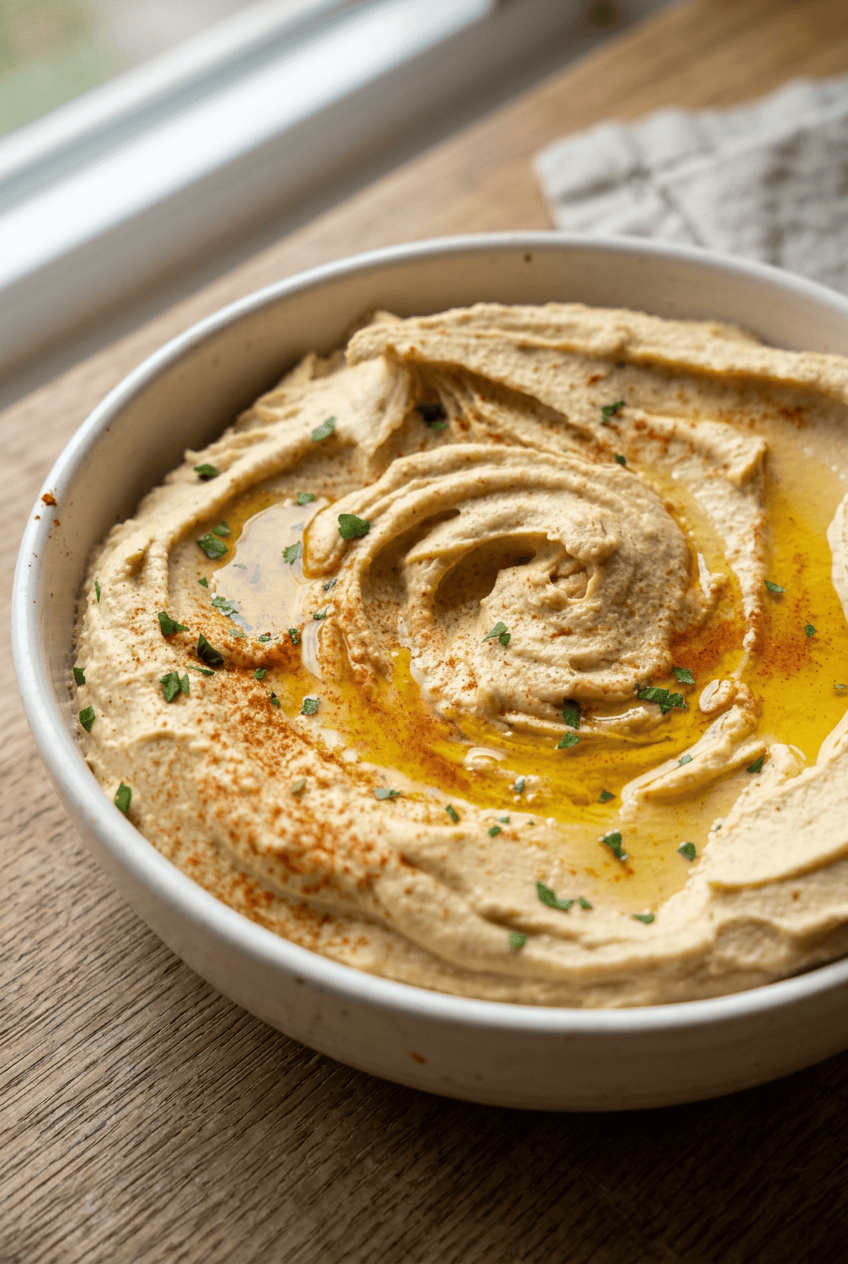
Dietary Substitutions to Customize Your Hummus
One of the beautiful aspects of hummus is its adaptability. Whether you have dietary restrictions, allergies, or simply different preferences, you can easily customize this recipe to suit your needs while still enjoying delicious results.Protein and Main Component Alternatives
If you need alternatives to traditional chickpeas or tahini, several options work well in hummus-style dips:- White beans: Cannellini or great northern beans can replace chickpeas for a milder, creamier dip. They have a similar protein content and blend to an incredibly smooth consistency.
- Black beans: For a colorful twist, use black beans with cilantro and lime instead of cumin. This creates a completely different flavor profile while maintaining the creamy texture.
- Edamame: Shelled edamame blended with a little sesame oil makes a protein-rich, vibrant green hummus alternative popular in Japanese cuisine.
- Tahini alternatives: If you’re allergic to sesame seeds or dislike tahini, substitute with extra olive oil (3-4 tablespoons) for a lighter version, or try natural unsweetened creamy peanut butter for a nutty twist. Greek yogurt also works for a tangier, creamy option.
Vegetable, Sauce, and Seasoning Modifications
Transform the flavor profile of your hummus by incorporating different vegetables and seasonings:- Roasted red pepper: Add 1-2 roasted red peppers to the food processor with the chickpeas for a smoky, sweet variation with a beautiful reddish-orange color.
- Herb-infused: Blend in fresh herbs like basil, parsley, or cilantro for brightness and color. This works especially well in summer when herbs are abundant.
- Spicy variations: Add roasted red pepper flakes, harissa paste, or a diced jalapeño for heat. Smoked paprika also adds depth and a subtle smoky flavor.
- Umami boosters: A tablespoon of miso paste or a few drops of soy sauce can deepen the flavor profile, adding savory notes that complement the nuttiness.
- Citrus alternatives: While lemon is traditional, lime juice offers a brighter, more tropical twist that pairs wonderfully with cumin and cilantro.
Remember to taste as you go when making substitutions. Different ingredients have varying intensities, so you may need to adjust seasonings accordingly.
Mastering Hummus: Advanced Tips and Variations
Once you’ve mastered the basic hummus recipe beats store bought, these advanced techniques will help you achieve even better results and create exciting variations that will impress your family and friends.Pro Cooking Techniques
For the smoothest possible texture, consider peeling your chickpeas before processing. This optional step removes the thin skins that can create a slightly grainy consistency. To peel quickly, drain and rinse the chickpeas, then wrap them in a clean kitchen towel and gently rub. The skins will loosen and can be easily removed. While this adds about 10 minutes to your prep time, the result is ultra-smooth, restaurant-quality hummus. Another professional technique is using ice-cold water rather than room temperature when adjusting consistency the cold helps create an even lighter, fluffier texture.Flavor Variations
Take your hummus to new heights with these creative flavor combinations:- Sun-dried tomato and basil: Add ¼ cup oil-packed sun-dried tomatoes and ¼ cup fresh basil leaves to the basic recipe for an Italian-inspired variation.
- Olive tapenade: Blend in ¼ cup pitted kalamata olives and 1 tablespoon capers for a Mediterranean twist with briny depth.
- Avocado: Add 1 ripe avocado for extra creaminess and a beautiful green color. This variation is particularly delicious with lime instead of lemon.
- Spicy feta: Crumble ½ cup feta cheese into the finished hummus for a salty, tangy kick, then top with red pepper flakes.
- Beetroot: Roast or steam 1 small beet and blend with the chickpeas for a stunning pink hummus with earthy sweetness.
Presentation Tips
Transform your hummus from a simple dip to an impressive appetizer with thoughtful presentation:- Create a well in the center of the hummus and fill it with olive oil, then sprinkle generously with za’atar, sumac, or paprika.
- Top with toasted pine nuts, chopped fresh parsley, or pomegranate seeds for texture and color contrast.
- Drizzle with high-quality olive oil just before serving to create a beautiful sheen.
- Serve in a shallow bowl rather than a deep one to maximize surface area for toppings.
Make-Ahead Options
Hummus is an excellent candidate for meal prep. Make a batch on Sunday and you’ll have snacks and lunch components ready for the week. The flavors actually develop and improve after sitting for a day or two. For entertaining, prepare the hummus up to 3 days in advance, but wait to add any fresh garnishes until just before serving. This prevents herbs from wilting and maintains the best texture and appearance.How to Store Hummus: Best Practices
Proper storage ensures your homemade hummus stays fresh and delicious. Follow these guidelines to maximize shelf life and maintain quality whether you’re storing for a few days or several weeks.Refrigeration
Store your hummus in an airtight container in the refrigerator for up to 1 week. Glass containers with tight-sealing lids work exceptionally well. To prevent oxidation and drying, press a piece of plastic wrap directly onto the surface of the hummus before sealing with the lid. This creates a barrier that maintains freshness. For added protection, top with a thin layer of olive oil before covering with plastic wrap. The oil creates an extra seal against air and adds flavor when you serve it.Freezing
Hummus freezes beautifully for longer storage. Portion into freezer-safe containers or zip-top bags for up to 1 month. Consider dividing into individual serving sizes so you only thaw what you need. Before freezing, top with a thin layer of olive oil to preserve freshness and texture. To thaw, transfer to the refrigerator overnight. Once thawed, give it a good stir and you may need to add a tiny bit of olive oil or water to restore the creamy consistency. The texture might be slightly different after freezing, but the flavor remains excellent.Reheating
While hummus is typically served cold or at room temperature, gently warming it can enhance the flavors and make it even creamier. To reheat, transfer to a microwave-safe bowl and heat in 15-second intervals, stirring between each, until warmed through. Alternatively, warm in a small saucepan over very low heat, stirring constantly. Be careful not to overheat as this can cause separation. Warm hummus is particularly delicious paired with warm pita bread or used as a sauce over roasted vegetables.Meal Prep Considerations
When incorporating hummus into your meal prep routine, consider these strategies:- Make a double batch on weekends to have ready throughout the week.
- Portion into small containers for grab-and-go lunches or snacks.
- Keep toppings separate until serving to maintain freshness.
- Label containers with the date made to track freshness.
- Store with a variety of pre-cut vegetables and whole grain crackers for complete snack packs.
FAQs: Frequently Asked Questions About Hummus
How do you make creamy hummus at home?
To make creamy hummus, start by blending tahini and lemon juice together for 1-2 minutes until light and fluffy—this whips air into the mixture for smoothness. Add chickpeas in two batches: process the first half until broken down, then add the second half. If using canned chickpeas, drain and rinse them first. Blend in garlic, salt, cumin, and a bit of olive oil. For extra creaminess, add 2-4 tablespoons of cold water or aquafaba (chickpea liquid) at the end while blending on high. Peel the chickpeas if you want it ultra-smooth, but it’s optional and takes about 10 minutes. Taste and adjust lemon or salt. This method yields light, airy hummus without graininess. Store in an airtight container in the fridge. Total time: 15 minutes. Yields 2 cups. (92 words)
Do you have to peel chickpeas for hummus?
No, you don’t have to peel chickpeas for hummus—it’s optional for a smoother texture. Peeling removes the thin skins, which can make the dip slightly silkier, especially with canned chickpeas. To peel quickly, drain and rinse a can (15 oz), then roll them in a kitchen towel for 10 minutes; most skins slip off easily. If short on time, skip it—the hummus will still taste great and blend well with the whipping method (tahini and lemon first). Freshly cooked chickpeas from dry may need less peeling. Always rinse canned ones to reduce sodium. This step is worth it for special occasions but not essential for everyday recipes. (98 words)
Can you make hummus without tahini?
Yes, you can make hummus without tahini by substituting with extra olive oil or creamy alternatives. Replace 1/4 cup tahini with 3-4 tablespoons olive oil for a lighter, garlicky version—blend it after whipping lemon juice. For a nutty twist, use 2-3 tablespoons natural, unsweetened peanut butter, which adds creaminess without sesame flavor. Greek yogurt (plain, full-fat) works too for a tangy dip, about 1/4 cup. Follow the standard blending order: lemon first, then chickpeas in batches, garlic, and liquid. The result is still smooth and dip-worthy. Tahini adds authentic nuttiness, but these swaps keep it simple with pantry staples. Adjust salt to balance. (102 words)
How long does homemade hummus last?
Homemade hummus lasts up to 1 week in the fridge when stored in an airtight container, like a glass jar with a lid. Press plastic wrap directly on the surface before sealing to prevent drying or oxidation. For longer storage, freeze it in portions for up to 1 month—cover with a thin layer of olive oil to maintain freshness, then thaw overnight in the fridge. Signs it’s gone bad: mold, off smell (sour or fermented), or separation with watery liquid. Always use fresh ingredients and clean tools to extend shelf life. If adding toppings like herbs or veggies, store those separately. Consume within 5 days for best flavor and texture. (104 words)
What can you serve with hummus?
Hummus is versatile—serve it with pita bread (warm triangles), crackers, or tortilla chips for scooping. Pair with fresh veggies like carrot sticks, cucumber slices, celery, bell peppers, or cherry tomatoes for a healthy snack. Use as a spread in sandwiches, wraps, or on toast with avocado. It complements grilled meats like chicken or lamb kebabs, or falafel in bowls. Drizzle with olive oil and sprinkle paprika or pine nuts for presentation. For meals, fill savory pastries, mix into pasta salads, or top grain bowls with feta and olives. One 2-cup batch serves 6-8 as an appetizer. Keeps guests happy at parties. (98 words)

Hummus
🥙 Create silky-smooth hummus at home that’s fresher, creamier, and more flavorful than store-bought.
🥬 This quick, healthy dip is loaded with plant-based protein, perfect for veggies, pita, or snacks anytime.
- Total Time: 10 minutes
- Yield: 8 servings
Ingredients
– 1 (15-ounce) can chickpeas, drained, or 1 ½ cups cooked chickpeas (250g)
– ¼ cup fresh lemon juice, from 1 large lemon (60ml)
– ¼ cup well-stirred tahini (60ml)
– 1 small garlic clove, minced
– 2 tablespoons extra-virgin olive oil, plus more for serving (30ml)
– ½ teaspoon ground cumin
– Salt to taste
– 2 to 3 tablespoons cold water or aquafaba (45ml)
– Dash of ground paprika, sumac, or Za’atar for serving
Instructions
1-First Step: Preparation Before you begin, gather all your ingredients and equipment. You’ll need a food processor (a high-powered blender can work with frequent scraping) and a spatula. Drain and rinse your chickpeas thoroughly under cold water. If you’re using canned chickpeas, rinsing removes excess sodium and any canning liquid taste. Measure out all your ingredients so they’re ready to add. This mise en place approach makes the process seamless and prevents stopping to measure midway through.
2-Second Step: Whip the Tahini Base In your food processor, combine the tahini and lemon juice. Process these together for 1 full minute. This step might seem unusual, but it’s the secret to incredibly smooth hummus. The acid in the lemon juice reacts with the tahini, creating an emulsion that transforms the texture. After 1 minute, stop and scrape down the sides of the bowl with your spatula. Then process for another 30 seconds until the mixture is pale, creamy, and completely smooth. You’ll notice it becomes lighter in color and thicker in consistency this is exactly what you want.
3-Third Step: Add Aromatics and Seasonings Now add the olive oil, minced garlic, cumin, and salt to the whipped tahini base. Process for 30 seconds, then scrape down the bowl again. Process for another 30 seconds until fully blended and aromatic. The mixture should smell wonderful at this point, with the garlic and cumin notes coming through clearly. This step distributes the flavors evenly throughout the base, ensuring every bite of hummus is perfectly seasoned. If you prefer a stronger garlic flavor, you can add an extra clove at this stage. For a milder taste, use roasted garlic instead of raw.
4-Fourth Step: Incorporate Chickpeas in Batches Add half of the drained chickpeas to the food processor. Process for 1 full minute, then scrape down the sides of the bowl. This initial processing starts breaking down the chickpeas and mixing them with the seasoned tahini base. Next, add the remaining chickpeas and process for 1 to 2 minutes. The mixture will become thick and mostly smooth. Don’t worry if it’s not perfectly creamy at this point that will happen in the next step. Adding chickpeas in two batches rather than all at once helps achieve a smoother final texture and prevents your processor from working too hard.
5-Fifth Step: Transform the Texture With the food processor running, slowly drizzle in 2 to 3 tablespoons of cold water or aquafaba (the liquid from canned chickpeas). Watch as the mixture transforms from thick and pasty to light, fluffy, and incredibly creamy. This step is like magic the hummus will suddenly become lighter and airier. Aquafaba adds extra lightness and works exceptionally well, but plain cold water gives excellent results too. Only add enough liquid to achieve the desired consistency. You may not need the full amount, or you might need a little more depending on your preference.
6-Final Step: Seasoning and Serving Stop the processor and taste your hummus. Adjust the seasoning with more salt or lemon juice as needed. The flavors should be bright and balanced with a pleasant tang from the lemon. Transfer to a serving bowl and use the back of a spoon to create swirls on the surface. Drizzle generously with olive oil and sprinkle with paprika, sumac, or Za’atar for a beautiful presentation. This simple homemade hummus is now ready to enjoy! Serve immediately with your favorite dippers or store for later use. The total time from start to finish is just 10 minutes, making it perfect for quick snacks or impromptu gatherings.
Last Step:
Please leave a rating and comment letting us know how you liked this recipe! This helps our business to thrive and continue providing free, high-quality recipes for you.Notes
🫘 Peel the chickpeas for an ultra-smooth texture if desired (takes about 10 minutes).
🍋 Use fresh lemon juice and high-quality olive oil for the best taste.
❄️ Store in an airtight container in the fridge for up to 1 week or freeze for 1 month.
- Prep Time: 10 minutes
- Cook Time: 0 minutes
- Category: Appetizer
- Method: Food Processor
- Cuisine: Middle Eastern
- Diet: Vegan
Nutrition
- Serving Size: ¼ cup
- Calories: 155 kcal
- Sugar: 1.8g
- Sodium: 278mg
- Fat: 11g
- Saturated Fat: 1.5g
- Unsaturated Fat: 9.5g
- Trans Fat: 0g
- Carbohydrates: 11.8g
- Fiber: 2.9g
- Protein: 4.5g
- Cholesterol: 0mg


