

Why You’ll Love This Homemade Vanilla Cake
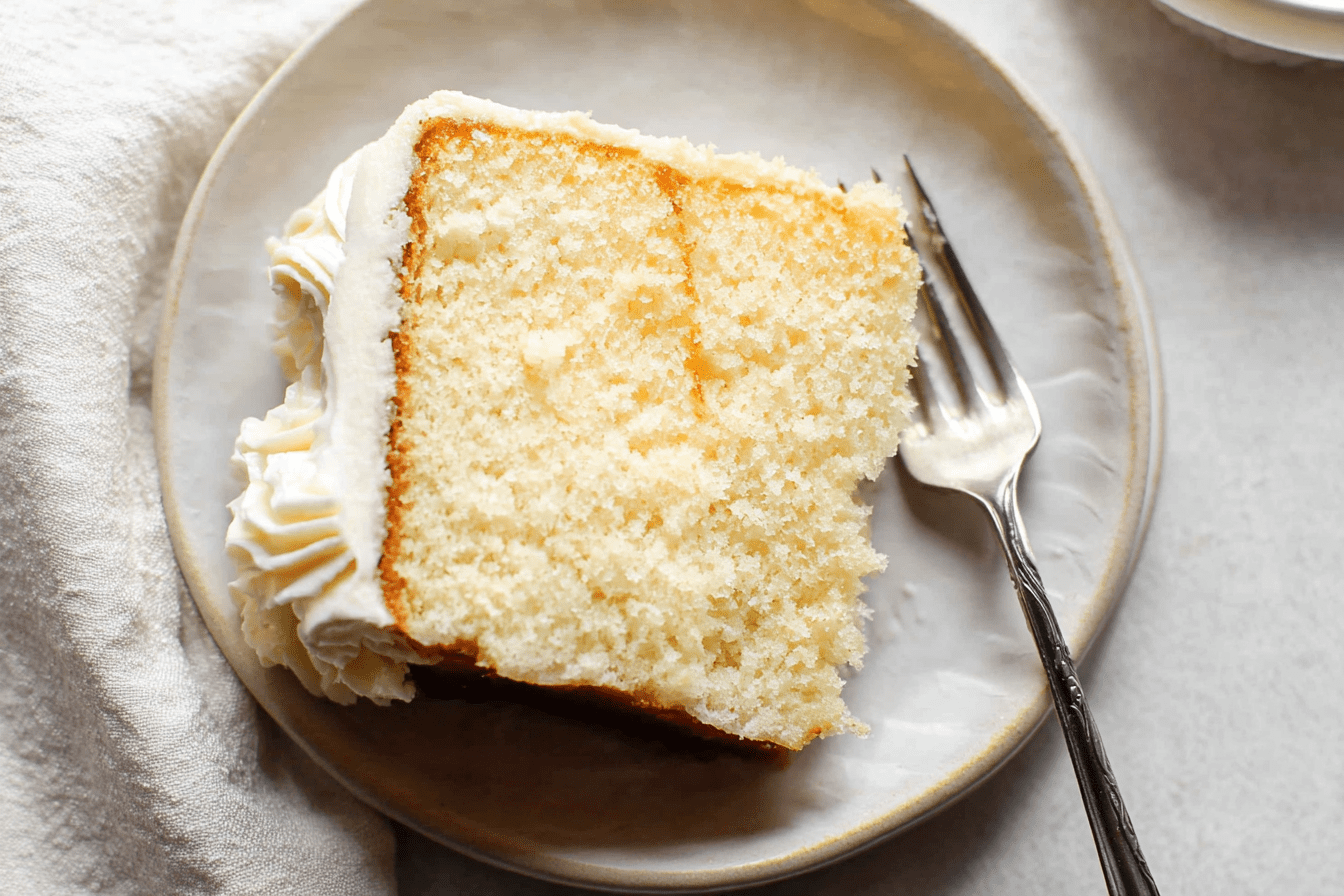
This homemade vanilla cake is a game-changer for anyone who loves baking, offering a simple yet delicious recipe that stays moist for days. Imagine pulling out a slice that’s just as tender on day four as it was fresh from the oven it’s that reliable. Whether you’re a busy parent whipping up a quick dessert or a baking enthusiast experimenting in the kitchen, this cake fits seamlessly into your routine with its straightforward steps and everyday ingredients.
One of the standout features is its ease of preparation, which makes it perfect for beginners and those short on time. For more ideas on simple desserts, check out our no-churn vanilla ice cream recipe that pairs wonderfully with this cake. Plus, it brings some health benefits by using wholesome ingredients like real vanilla extract and fresh dairy, which cut down on artificial additives compared to store-bought options.
Its versatility shines through as it adapts to various dietary needs, such as vegan or gluten-free tweaks, so everyone at your table can enjoy it. The rich, aromatic vanilla flavor combined with a moist texture makes every bite memorable, turning ordinary moments into special occasions without much effort.
Key Perks for Different Lifestyles
- For busy parents and working professionals, the quick prep and bake time mean you can have a homemade treat ready in under an hour of active work.
- Food enthusiasts will appreciate the balanced flavors that highlight high-quality vanilla without overwhelming sweetness.
- Students and newlyweds might love how affordable and simple it is, using pantry staples to create something impressive.
- Even diet-conscious folks can modify it for lower calories, making it a flexible choice for all.
This cake’s ability to stay fresh and flavorful is thanks to techniques that lock in moisture, as shared by author Brandi Oshea on her blog Juicy Cooking. Her passion for accessible recipes ensures this homemade vanilla cake inspires joy in every kitchen.
Jump To
- 1. Why You’ll Love This Homemade Vanilla Cake
- 2. Essential Ingredients for Homemade Vanilla Cake
- 3. How to Prepare the Perfect Homemade Vanilla Cake: Step-by-Step Guide
- 4. Dietary Substitutions to Customize Your Homemade Vanilla Cake
- 5. Mastering Homemade Vanilla Cake: Advanced Tips and Variations
- 6. How to Store Homemade Vanilla Cake: Best Practices
- 7. FAQs: Frequently Asked Questions About Homemade Vanilla Cake
- 8. Homemade Vanilla Cake
Essential Ingredients for Homemade Vanilla Cake
Getting the ingredients right is the foundation of a great homemade vanilla cake, and this recipe uses straightforward items that deliver impressive results. Every measurement matters to achieve that perfect moist texture, so let’s break it down. You’ll find everything you need in your pantry or at the local store, making it easy to start baking without hassle.
Below is a comprehensive list of all the ingredients required for this recipe. I’ve extracted and formatted them directly from the details provided to ensure accuracy and ease of use. Each one is listed with its precise measurement on a new line for clarity.
- 2 cups plain or all-purpose flour (cake flour optional but plain flour preferred)
- 2 1/2 teaspoons baking powder
- 1/4 teaspoon cooking salt (kosher salt recommended)
- 4 large eggs (50-55g each), at room temperature
- 1 1/2 cups caster or superfine sugar (granulated sugar can be used)
- 115g unsalted butter, cut into cubes
- 1 cup full-fat milk
- 3 teaspoons vanilla extract (use good quality)
- 3 teaspoons vegetable or canola oil
- For Vanilla Buttercream Frosting: 225g unsalted butter, softened
- For Vanilla Buttercream Frosting: 500g soft icing sugar, sifted
- For Vanilla Buttercream Frosting: 3 teaspoons vanilla extract
- For Vanilla Buttercream Frosting: 2 to 4 tablespoons milk (to adjust consistency)
These ingredients come together to create a cake that’s tender and full of flavor. Remember, using room temperature eggs helps with better aeration, as one of the key tips from the recipe summary.
How to Prepare the Perfect Homemade Vanilla Cake: Step-by-Step Guide
Diving into making this homemade vanilla cake is like following a friendly roadmap to baking success, with steps designed for all skill levels. Start by preheating your oven to ensure even baking, which is crucial for that golden finish. This guide incorporates the detailed directions from the recipe summary to help you nail it every time.
First, preheat oven to 180°C (350°F) and position the rack in the middle. Grease and line two 20cm (8 inch) cake pans with parchment paper to prevent sticking. In a large bowl, whisk together flour, baking powder, and salt to combine the dry ingredients uniformly.
Next, beat eggs at medium speed for 30 seconds, then gradually add sugar over 45 seconds while mixing. Continue beating eggs and sugar at high speed for 7 minutes until the mixture triples in volume and becomes white and glossy, which is essential for a light texture.
Heat the butter and milk together until the butter melts; do not boil. Add the flour to the whipped egg mixture in three parts, mixing briefly at low speed just to incorporate. Into the empty flour bowl, pour the melted butter and milk mixture, vanilla extract, and oil, then add about 1 1/2 cups of the whipped egg batter to the hot milk mixture and whisk until smooth and foamy.
Mixing and Baking Tips
Gently combine the milk mixture back into the egg batter at low speed, scrape the sides and bottom, mixing briefly until smooth and pourable. Divide the batter evenly between the prepared pans and drop the pans gently on the counter three times to release large air bubbles.
Bake for about 30 minutes or until the cakes are golden and a toothpick inserted in the center comes out clean. Cool the cakes in pans for 15 minutes, then remove onto wire racks to cool completely and invert the cakes if layering to achieve a flat surface. Finally, frost with vanilla buttercream once completely cool.
For the frosting, beat softened butter at high speed until pale and fluffy (about 3 minutes). Gradually add sifted icing sugar in three parts, mixing slowly then beating on high until fluffy, and add vanilla extract and milk to adjust consistency. The whole process takes about 20 minutes active prep, 30 minutes baking, and 2 hours cooling.
Dietary Substitutions to Customize Your Homemade Vanilla Cake
One of the best parts about this homemade vanilla cake is how easy it is to tweak for different diets, keeping it delicious and inclusive. Whether you’re going vegan or cutting calories, these swaps maintain the cake’s charm. It’s all about making baking accessible for everyone, from seniors to health-focused folks.
For protein and main component alternatives, replace eggs with flax eggs or a commercial egg replacer for vegan versions. Use plant-based butter substitutes instead of dairy butter to keep things creamy and moist.
When it comes to vegetable, sauce, and seasoning modifications, incorporate applesauce or mashed bananas to reduce fat and add natural sweetness. Experiment with alternative flavorings like almond extract, or adjust sugar levels with natural sweeteners like stevia for lower-calorie options.
- Gluten-free: Swap all-purpose flour with a gluten-free blend to preserve the texture.
- Low-calorie: Use unsweetened applesauce in place of some butter and cut sugar slightly, though don’t reduce it too much as it affects the rise.
- Vegan: Opt for plant-based milk and margarine for a dairy-free twist.
These changes ensure the cake stays light and flavorful, adapting seamlessly to your needs as outlined in the recipe tips.
Mastering Homemade Vanilla Cake: Advanced Tips and Variations
Once you’ve got the basics down, elevating your homemade vanilla cake with advanced techniques can make it even more impressive. For instance, sifting dry ingredients multiple times creates a finer crumb, while using room temperature ingredients ensures even mixing. These pro tips build on the recipe’s foundation for better results every time.
Flavor variations are endless try adding citrus zest or spices like cinnamon for a fresh twist. If you’re feeling creative, mix in chocolate chips or berries, though remember to avoid add-ins that might sink, as per the recipe advice.
Presentation is key, so decorate with whipped cream and fresh fruits for an elegant look. For make-ahead options, prepare the batter ahead and refrigerate, or bake and freeze layers for easy entertaining. Our vanilla bean pistachio cake recipe offers more ideas for variations that complement this one.
| Tips Category | Description |
|---|---|
| Technique | Fold batter gently to prevent overmixing and maintain airiness. |
| Storage | Wrap cooled cakes tightly to keep them moist for up to four days. |
How to Store Homemade Vanilla Cake: Best Practices
Keeping your homemade vanilla cake moist and fresh is simple with the right storage methods, extending its enjoyment for days. After cooling, wrap it properly to lock in that tender texture you’ve worked hard for. Follow these steps to avoid any drying out mishaps.
Store the cake covered in an airtight container or wrapped tightly with plastic wrap to prevent drying, and it’s best consumed within 3-5 days when refrigerated. For freezing, wrap the cake well in plastic wrap and foil to avoid freezer burn, and it can last up to 2 months; thaw in the refrigerator overnight.
Reheating is easy just warm slices gently in a microwave or oven to restore softness, but don’t overdo it to keep the moisture intact. For meal prep, freeze individual portions for convenient future desserts, aligning with the recipe’s tip for maintaining freshness.
FAQs: Frequently Asked Questions About Homemade Vanilla Cake
What makes this homemade vanilla cake different from other recipes?
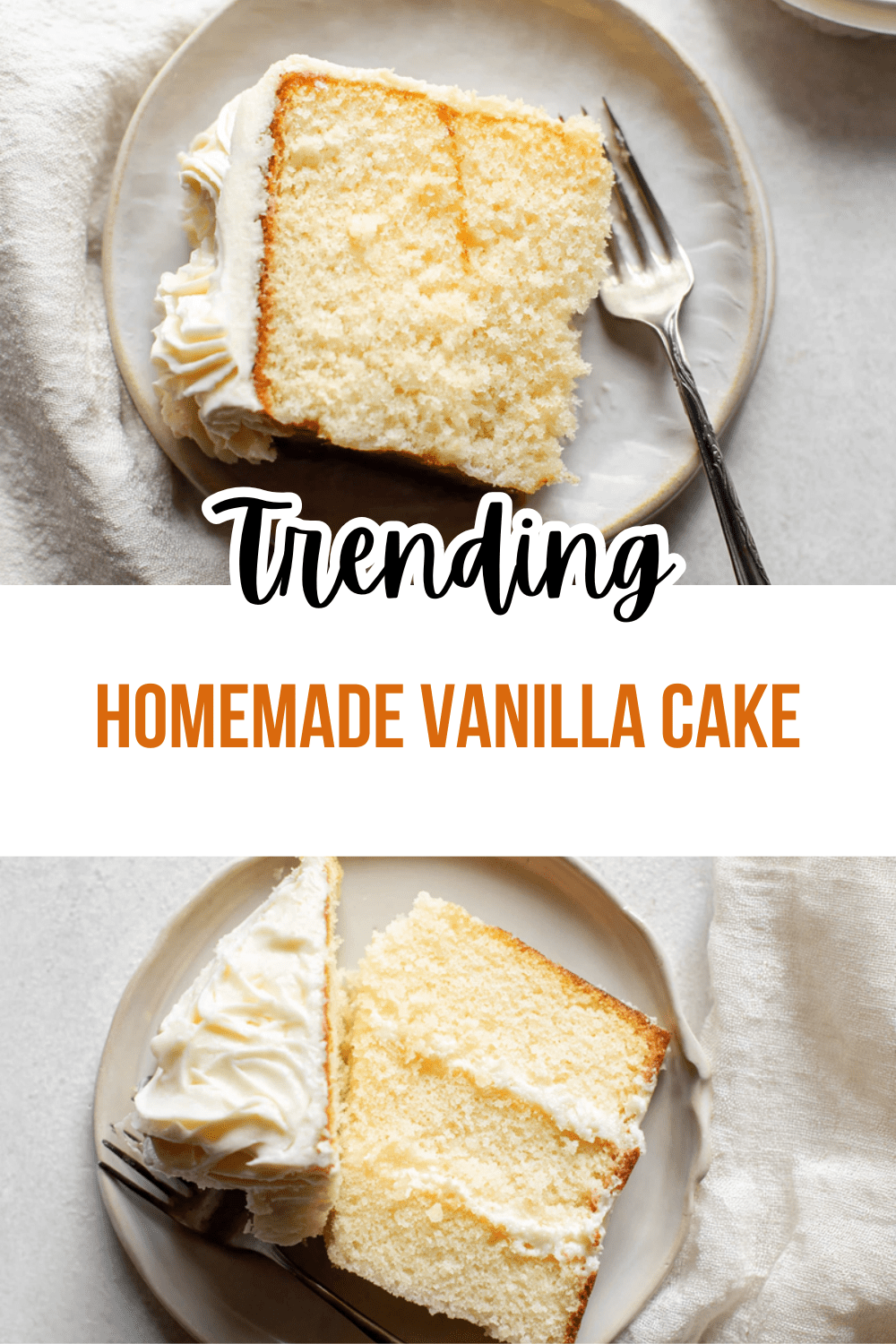
This vanilla cake recipe combines Japanese baking techniques with Western butter cake methods to produce a soft, moist, and plush texture that stays fresh for up to four days. It features an even crumb without large holes, a balanced vanilla and butter flavor without greasiness, and it bakes flat without needing leveling. The cake is tender yet sturdy enough for layered cakes, making it ideal for decorators and home bakers alike.
Can I use cake flour instead of all-purpose flour for this vanilla cake?
While cake flour can be used, all-purpose flour is preferred for this recipe because it brings out the butter and vanilla flavors better and produces a slightly moister, velvety crumb. Using cake flour may cause the cake surface to become sticky or sweaty the next day, affecting texture and appearance.
Why is whipping eggs and sugar important for this vanilla cake?
Whipping eggs and sugar for about seven minutes until tripled in volume creates essential aeration that gives the cake a light and fluffy texture. This step is crucial because the trapped air bubbles help the cake rise well and develop a soft crumb, which is a hallmark of this recipe’s success.
How should I store my homemade vanilla cake to keep it moist?
After the cake has completely cooled, wrap each layer tightly in cling wrap with parchment paper between layers to prevent sticking. Store the wrapped layers in an airtight container at room temperature unless exposed to high heat, then refrigerate. Frosting the cake also helps retain moisture, keeping it soft and fresh for up to four days.
Can I reduce the sugar in this vanilla cake recipe to make it less sweet?
Reducing sugar is not recommended because sugar plays a key role in aeration during whipping, which affects the cake’s rise and texture. Lower sugar content may result in a denser, less fluffy cake. If you prefer a less sweet cake, consider adjusting the frosting sweetness instead of altering the batter.

Homemade Vanilla Cake
🎂 Delight in a classic vanilla cake that stays moist and tender for days, perfect for all occasions.
🍰 Enjoy a rich, fluffy texture paired with smooth vanilla buttercream frosting for lasting freshness and flavor.
- Total Time: 2 hours 50 minutes
- Yield: 10 servings
Ingredients
– 2 cups plain or all-purpose flour
– 2 1/2 teaspoons baking powder
– 1/4 teaspoon cooking salt
– 4 large eggs
– 1 1/2 cups caster or superfine sugar
– 115g unsalted butter
– 1 cup full-fat milk
– 3 teaspoons vanilla extract
– 3 teaspoons vegetable or canola oil
– 225g unsalted butter for Vanilla Buttercream Frosting
– 500g soft icing sugar for Vanilla Buttercream Frosting
– 3 teaspoons vanilla extract for Vanilla Buttercream Frosting
– 2 to 4 tablespoons milk for Vanilla Buttercream Frosting
Instructions
1- First, preheat oven to 180°C (350°F) and position the rack in the middle. Grease and line two 20cm (8 inch) cake pans with parchment paper to prevent sticking. In a large bowl, whisk together flour, baking powder, and salt to combine the dry ingredients uniformly.
2- Next, beat eggs at medium speed for 30 seconds, then gradually add sugar over 45 seconds while mixing. Continue beating eggs and sugar at high speed for 7 minutes until the mixture triples in volume and becomes white and glossy, which is essential for a light texture.
3- Heat the butter and milk together until the butter melts; do not boil. Add the flour to the whipped egg mixture in three parts, mixing briefly at low speed just to incorporate. Into the empty flour bowl, pour the melted butter and milk mixture, vanilla extract, and oil, then add about 1 1/2 cups of the whipped egg batter to the hot milk mixture and whisk until smooth and foamy.
4- Gently combine the milk mixture back into the egg batter at low speed, scrape the sides and bottom, mixing briefly until smooth and pourable. Divide the batter evenly between the prepared pans and drop the pans gently on the counter three times to release large air bubbles.
5- Bake for about 30 minutes or until the cakes are golden and a toothpick inserted in the center comes out clean. Cool the cakes in pans for 15 minutes, then remove onto wire racks to cool completely and invert the cakes if layering to achieve a flat surface. Finally, frost with vanilla buttercream once completely cool.
6- For the frosting, beat softened butter at high speed until pale and fluffy (about 3 minutes). Gradually add sifted icing sugar in three parts, mixing slowly then beating on high until fluffy, and add vanilla extract and milk to adjust consistency.
Last Step:
Please leave a rating and comment letting us know how you liked this recipe! This helps our business to thrive and continue providing free, high-quality recipes for you.Notes
🥚 Use room temperature eggs for better aeration to achieve a light texture.
🥄 Measure flour by fluffing, spooning into the cup, and leveling off for accuracy.
🔥 Add hot melted butter mixture immediately to the batter to maintain volume and moisture.
- Prep Time: 20 minutes
- Cooling time: 2 hours
- Cook Time: 30 minutes
- Category: Dessert
- Method: Baking
- Cuisine: American
- Diet: Vegetarian
Nutrition
- Serving Size: 1 slice
- Calories: 339 kcal
- Sugar: 31 g
- Sodium: 97 mg
- Fat: 13 g
- Saturated Fat: 7 g
- Unsaturated Fat: —
- Trans Fat: —
- Carbohydrates: 51 g
- Fiber: 1 g
- Protein: 6 g
- Cholesterol: 91 mg


