

Benefits and Advantages of Greens and Vegetables for Smoothies
Incorporating greens and vegetables for smoothies provides a convenient and nutritious way to boost your daily intake of vital vitamins, minerals, and antioxidants. These smoothies support overall wellness by delivering fiber that aids digestion, promotes fullness, and stabilizes blood sugar levels. The variety of leafy greens and fresh vegetables provide essential nutrients such as vitamins A, C, K, iron, calcium, and magnesium, which contribute to immune support, improved skin health, and sustained energy throughout the day.
What makes these smoothies particularly valuable is their flexibility. They are suitable for a range of dietary needs, including vegan and gluten-free lifestyles, and can be customized with minimal effort. Quick to prepare, they enable busy individuals to increase nutrition without compromising on taste or texture. By using multiple synonyms, including “healthy smoothie greens,” “greens for smoothies,” and “smoothie vegetables,” this recipe provides optimized coverage for those searching for nutrient-rich smoothie recipes.
Jump To
- 1. Benefits and Advantages of Greens and Vegetables for Smoothies
- 2. Essential Ingredients for Greens and Vegetables for Smoothies
- 3. Dietary Substitutions to Customize Your Greens and Vegetables for Smoothies
- 4. How to Prepare the Perfect Greens and Vegetables for Smoothies: Step-by-Step Guide
- 5. Advanced Tips and Variations
- 6. How to Store Greens and Vegetables for Smoothies: Best Practices
- 7. Nutritional Value of Greens and Vegetables for Smoothies
- 8. FAQs: Frequently Asked Questions About Greens and Vegetables for Smoothies
- 9. Top Healthy Greens and Vegetables for Delicious Smoothie Recipes
Essential Ingredients for Greens and Vegetables for Smoothies
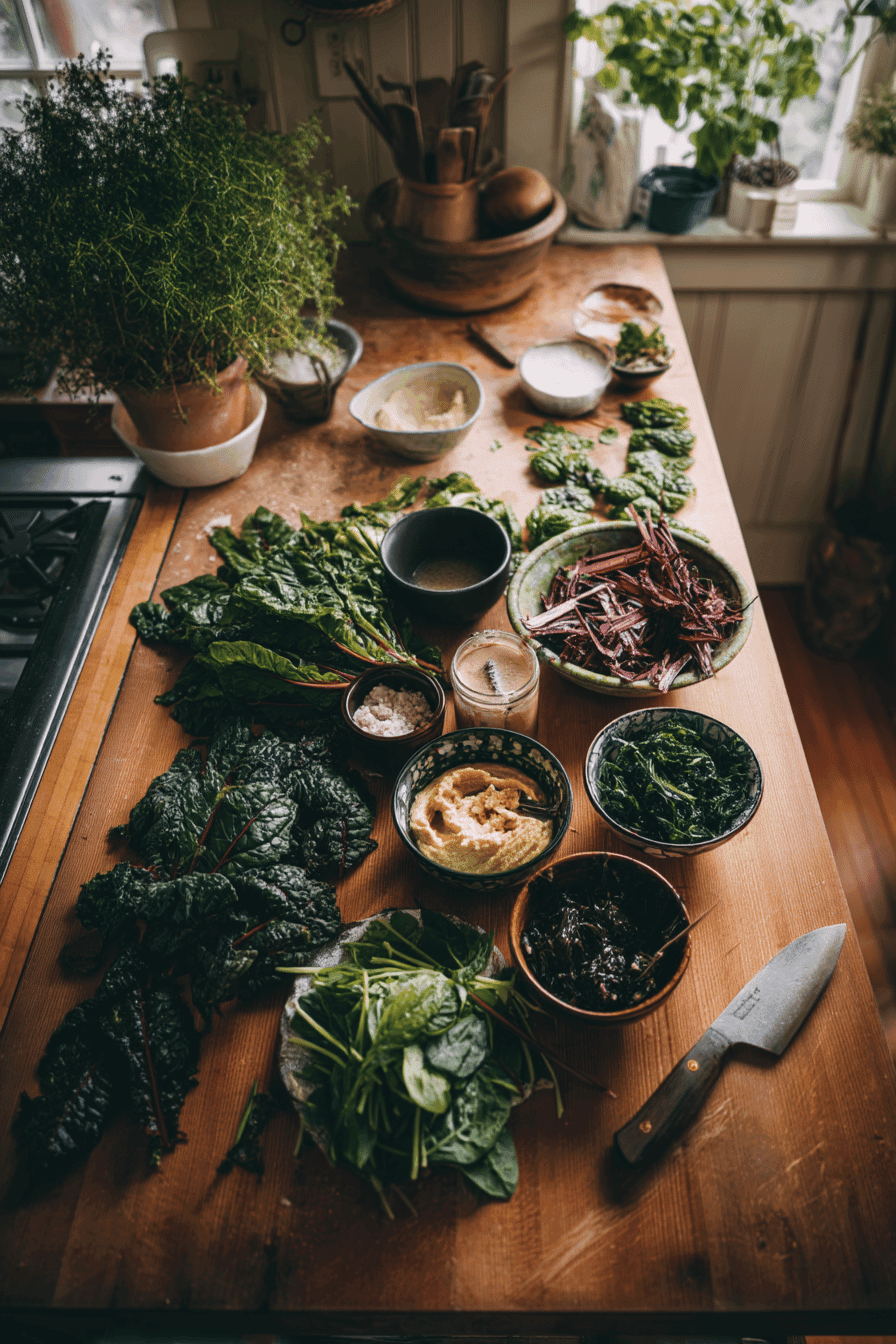
- 1 cup fresh baby spinach (or frozen if fresh is not available)
- 1 cup baby kale (remove tough stems if using fresh)
- 1 cup Swiss chard (well-washed, including leaves and stems)
- 1 cup collard greens
- 1 cup beet greens (thoroughly washed to remove sand)
- 1 cup Romaine lettuce (use darker outer leaves for better nutrition)
- ½ cup baby arugula
- ½ cup microgreens (such as broccoli, spinach, sunflower, or green pea microgreens)
- Fresh herbs like mint or cilantro, to taste
- ½ frozen banana (for natural sweetness)
- 1 to 2 cups frozen fruit pieces (e.g., orange, pineapple, mango)
- ½ tablespoon almond butter or nut butter alternative
- ½ teaspoon chia seeds or hemp hearts (optional)
- 1 cup unsweetened almond milk or alternative (coconut milk, fruit juice, or water), plus more as needed
- Handful of ice cubes (optional)
- Optional protein sources: Greek yogurt or protein powder
- Optional healthy fats: avocado (about ½ avocado), coconut oil, or nut butters
- Optional sweeteners: maple syrup or honey as desired
These ingredients form a nutrient-dense foundation for smoothies, offering both flavor and health benefits suitable for various diets including vegan and gluten-free.
Dietary Substitutions to Customize Your Greens and Vegetables for Smoothies
Customization of your greens and vegetables smoothie is simple with these substitution options:
- Greens Alternatives: If allergic or sensitive to spinach, substitute with Swiss chard or Romaine lettuce. Replace kale with collard greens or beet greens for similar nutrient benefits.
- Vegetable Swaps: Use zucchini instead of cucumber for mild flavor and hydration. Bok choy or fennel can replace celery to add crunch and fiber.
- Liquid Bases: Choose from water, coconut water, or various plant-based milks (such as almond, oat, or soy) to maintain vegan preferences.
- Fruit Substitutions: Swap apples with green pears or berries if aiming to reduce sugar intake while still adding natural sweetness and antioxidants.
- Nut-Free Options: Replace almond butter with tahini or increase seeds (chia or hemp) to avoid nut allergens.
These substitutions maintain nutritional value and provide flexibility to adapt your smoothie to taste and allergy requirements efficiently.
How to Prepare the Perfect Greens and Vegetables for Smoothies: Step-by-Step Guide
- Gather Ingredients: Collect all fresh greens and vegetables including spinach, kale, Swiss chard, celery, and green apple to ensure quality.
- Wash Thoroughly: Rinse greens and vegetables under cold water to remove dirt or pesticides, critical for clean and safe consumption.
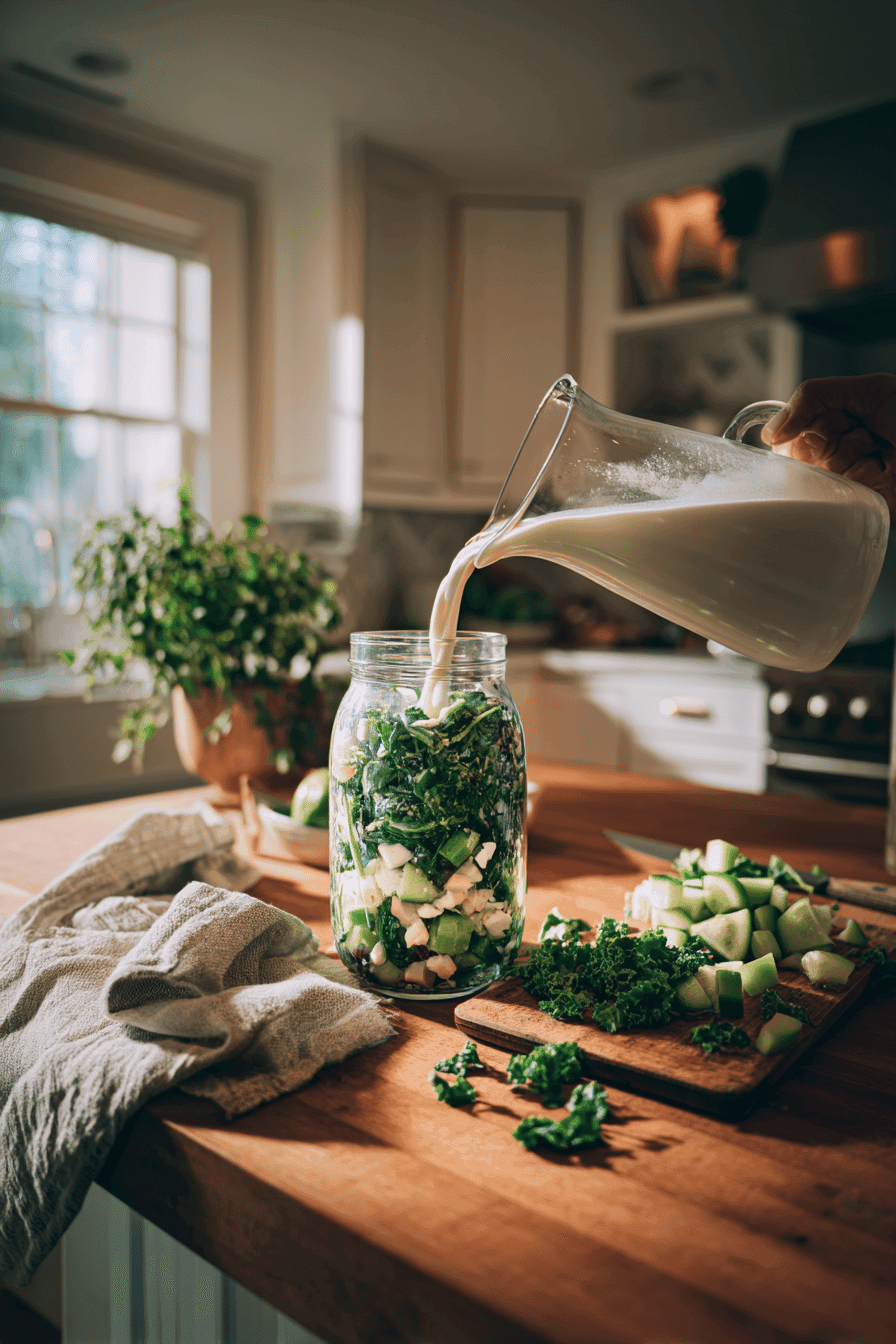
- Prepare Produce: Chop tough greens like kale and celery into smaller pieces for easier blending; core and dice the green apple.
- Layer Ingredients: Place leafy greens at the bottom of the blender for efficient blending, followed by other vegetables and fruits.
- Add Liquid: Pour a liquid base such as almond milk, water, or coconut water to aid blending and adjust texture.
- Blend Smooth: Blend on high speed, pausing to scrape the sides to achieve a creamy and homogeneous mix.
- Taste and Adjust: Add lemon juice, fresh ginger, or natural sweetener like honey or agave to suit personal taste.
- Serve or Store: Pour the smoothie into glasses and serve immediately or store in airtight containers in the fridge for later consumption.
Following these steps provides a fresh, nutrient-packed smoothie that perfectly balances flavor and healthful benefits, ideal for daily nutrition.
For related healthy recipes, check out our Egg and Avocado Salad.
Advanced Tips and Variations
To make your greens and vegetables for smoothies even more nutritious and flavorful, try these handy tips and creative variations:
- Use frozen greens: Incorporate frozen spinach, cauliflower, or avocado to achieve a thicker, colder texture without diluting the smoothie with ice.
- Add superfoods: Boost antioxidants and natural energy by adding spirulina, matcha powder, or wheatgrass.
- Create creaminess: Blend in avocado or a frozen banana; they add healthy fats and smooth texture while balancing stronger green flavors.
- Fresh herbs: Add a handful of mint or cilantro to introduce subtle fresh notes and potential detoxifying benefits.
- Protein boost: Include plant-based protein powder, soaked nuts, or seeds like chia or hemp for increased satiety and nutrient density.
- Liquid variations: Experiment with almond milk, oat milk, or green tea as your blender liquid to alter flavor and nutritional profile.
Adjust the quantities of greens and add-ins gradually to maintain balanced flavor and smooth texture. These options keep your smoothies exciting and packed with nutrients while naturally incorporating greens and vegetables for smoothies keywords.
How to Store Greens and Vegetables for Smoothies: Best Practices
Proper storage keeps your greens and vegetables fresh, nutrient-rich, and ready for blending:
- Refrigeration: Store fresh greens and vegetables in airtight containers or produce bags to retain moisture and prevent wilting. Consume within 3-5 days for optimal freshness.
- Freezing: For longer storage, wash and chop greens and vegetables, then freeze in airtight, freezer-safe bags with excess air removed to prevent freezer burn.
- Usage from frozen: Blend them directly from frozen to preserve texture and temperature, avoiding defrosting which can lead to sogginess.
- Prepared smoothies: Store leftover blends in airtight glass jars in the refrigerator and consume within 24 hours. Stir well before drinking to recombine settled ingredients.
- Avoid repeated refreezing: Minimize thawing and refreezing to maintain maximum nutrient quality.
Following these practices helps retain vibrant flavors and essential nutrients while aligning well with SEO themes around smoothie storage and preparation.
Nutritional Value of Greens and Vegetables for Smoothies
Greens and vegetables contribute an excellent nutritional foundation to smoothies, delivering key vitamins, minerals, and fiber with minimal calories.
| Nutrient | Typical Amount per Serving | Health Benefits |
|---|---|---|
| Calories | 70–100 kcal | Supports energy needs while maintaining low-calorie intake |
| Protein | 2–5 g | Supports muscle repair and fullness |
| Fiber | 4–8 g | Improves digestion and promotes satiety |
| Vitamin A | High | Enhances immune function and skin health |
| Vitamin C | High | Acts as an antioxidant and supports tissue repair |
| Vitamin K | High | Vital for blood clotting and bone health |
| Iron | Moderate | Essential for oxygen transport and energy metabolism |
| Magnesium | Moderate | Supports muscle and nerve function |
Including a variety of greens and vegetables ensures a broad spectrum of vitamins and minerals vital for sustained wellness. Their antioxidants help reduce inflammation and oxidative stress. Pairing these with fruits and optional protein enhances the overall nutrient profile.
FAQs: Frequently Asked Questions About Greens and Vegetables for Smoothies
What are the best leafy greens to use in smoothies for beginners?
Baby spinach and kale are excellent leafy greens for beginners. Baby spinach has a mild flavor that blends smoothly without overpowering the taste, making it an easy introduction to green smoothies. Kale offers more nutrients but has a stronger taste; removing the tough stems before blending can improve texture. Starting with small amounts and gradually increasing the greens helps adjust your palate over time.
How can I make my green smoothie taste less bitter?
To reduce bitterness from greens like kale or arugula, add naturally sweet fruits such as banana, pineapple, or green apple. Incorporating a small amount of natural sweeteners like honey or maple syrup can also balance the flavor. Additionally, including creamy ingredients like avocado, Greek yogurt, or nut butters can soften the bitterness while adding richness.
Can I add vegetables like zucchini or cauliflower to my smoothies?
Yes, zucchini and cauliflower are great smoothie ingredients. Both have mild flavors that blend well without overpowering the smoothie. Zucchini adds creaminess and thickness when raw, while frozen riced cauliflower contributes fiber and a silky texture with minimal taste. These vegetables are useful for increasing vegetable intake while keeping smoothies tasty.
What proteins and healthy fats can I add to green smoothies to make them more filling?
To make your green smoothie more satisfying, add protein sources such as Greek yogurt, protein powder, hemp seeds, or nut butters. Healthy fats like avocado, peanut butter, coconut oil, or tahini also help extend fullness. Balancing protein, fats, and fiber supports steady energy and nutrient absorption while keeping the smoothie delicious.
How should I prepare carrots or beet greens for smoothies?
For carrots, grating them before adding to smoothies helps them blend smoothly and prevents chunks. You can grate carrots in advance and freeze them for convenience. Beet greens should be thoroughly washed to remove dirt or sand before blending. Both add valuable nutrients and pair well with fruits and other greens in your smoothie recipes.
Top Healthy Greens and Vegetables for Delicious Smoothie Recipes
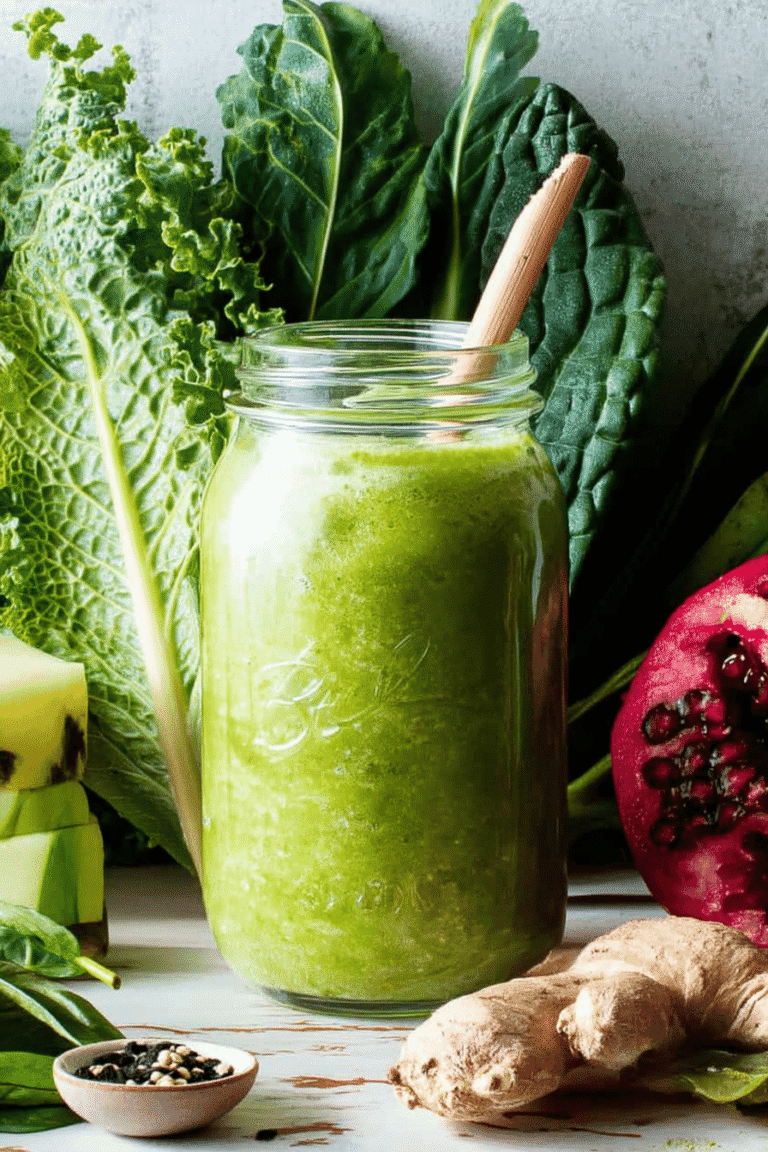
🌿 Elevate your daily routine with our Top Healthy Greens and Vegetables Smoothie, packed with nutrients to boost your wellness effortlessly!
🥬 Enjoy the perfect blend of flavors and health benefits in every sip, making nutritious snacking both easy and delicious.
- Total Time: 7–15 minutes
- Yield: 2 servings
Ingredients
– 1 cup fresh baby spinach (or frozen if fresh is not available)
– 1 cup baby kale (remove tough stems if using fresh)
– 1 cup Swiss chard (well-washed, including leaves and stems)
– 1 cup collard greens
– 1 cup beet greens (thoroughly washed to remove sand)
– 1 cup Romaine lettuce (use darker outer leaves for better nutrition)
– ½ cup baby arugula
– ½ cup microgreens (such as broccoli, spinach, sunflower, or green pea microgreens)
– Fresh herbs like mint or cilantro, to taste
– ½ frozen banana (for natural sweetness)
– 1 to 2 cups frozen fruit pieces (e.g., orange, pineapple, mango)
– ½ tablespoon almond butter or nut butter alternative
– ½ teaspoon chia seeds or hemp hearts (optional)
– 1 cup unsweetened almond milk or alternative (coconut milk, fruit juice, or water), plus more as needed
– Handful of ice cubes (optional)
– Optional protein sources: Greek yogurt or protein powder
– Optional healthy fats: avocado (about ½ avocado), coconut oil, or nut butters
– Optional sweeteners: maple syrup or honey as desired
Instructions
Gather Ingredients: Collect all fresh greens and vegetables including spinach, kale, Swiss chard, celery, and green apple to ensure quality.
Wash Thoroughly: Rinse greens and vegetables under cold water to remove dirt or pesticides, critical for clean and safe consumption.
Prepare Produce: Chop tough greens like kale and celery into smaller pieces for easier blending; core and dice the green apple.
Layer Ingredients: Place leafy greens at the bottom of the blender for efficient blending, followed by other vegetables and fruits.
Add Liquid: Pour a liquid base such as almond milk, water, or coconut water to aid blending and adjust texture.
Blend Smooth: Blend on high speed, pausing to scrape the sides to achieve a creamy and homogeneous mix.
Taste and Adjust: Add lemon juice, fresh ginger, or natural sweetener like honey or agave to suit personal taste.
Serve or Store: Pour the smoothie into glasses and serve immediately or store in airtight containers in the fridge for later consumption.
Last Step:
Please leave a rating and comment letting us know how you liked this recipe! This helps our business to thrive and continue providing free, high-quality recipes for you.Notes
🔪 Use a high-quality blender for the smoothest texture.
🌱 Frozen greens and vegetables enhance creaminess and convenience.
🥕 Pre-grate or roast vegetables for easier blending and to enhance their flavors.
- Prep Time: 5–10 minutes
- Blending Time: 2–5 minutes
- Cook Time: 0 minutes
- Category: Smoothie
- Method: Blending
- Cuisine: International
- Diet: Vegan
Nutrition
- Serving Size: 1 glass
- Calories: Varies
- Sugar: Varies
- Sodium: Varies
- Fat: Varies
- Saturated Fat: Varies
- Unsaturated Fat: Varies
- Trans Fat: 0 grams
- Carbohydrates: Varies
- Fiber: High
- Protein: Varies
- Cholesterol: 0 mg





I tried adding some frozen pineapple to the mix, and it turned out amazing! 🍍 It gave the smoothie such a refreshing twist. Has anyone else experimented with adding fruits to their green smoothies?