Why You’ll Love This Greek Meatloaf
Greek meatloaf brings a fresh twist to a classic dinner favorite, wrapping juicy ground meat in tender grape leaves for an authentic Mediterranean touch. This Greek-style meatloaf keeps everything moist and full of flavor, making it a hit for busy home cooks looking for something wholesome yet easy. Let’s dive into what makes this dish stand out and why it might become your go-to recipe for family meals.
- Ease of preparation: This Greek meatloaf comes together quickly with simple steps that fit into any schedule, especially for busy parents or working professionals. With just about 20 minutes of prep and 50 minutes of cooking time, you can have a nourishing meal ready in under 1 hour and 10 minutes total. Greek meatloaf’s straightforward process uses everyday ingredients, making it accessible even if you’re new to cooking Mediterranean-inspired dishes, so you spend less time in the kitchen and more time enjoying the results.
- Health benefits: Packed with veggies like carrots, celery, and red bell peppers, Greek meatloaf offers a nutritious boost while keeping calories in check at just 195 per serving. It’s loaded with vitamins, such as Vitamin A from the carrots and Vitamin C from the bell peppers, supporting overall wellness for diet-conscious individuals and seniors. This Greek-style meatloaf uses lean ground beef or mixes, providing protein-rich fuel without excess fat, and the grape leaves add fiber and antioxidants for a heart-healthy twist on traditional meatloaf.
- Versatility: Adapt this Mediterranean meatloaf to suit various dietary needs, whether you’re a student experimenting with flavors or newlyweds customizing meals. You can swap ingredients to make it gluten-free, vegan, or low-calorie, ensuring everyone at the table finds something they love. Greek meatloaf shines in its ability to blend with sides like salads or rice, making it a flexible option for different occasions and tastes among food enthusiasts and travelers.
- Distinctive flavor: What sets Greek meatloaf apart is the subtle lemony hint from the grape leaves, combined with fresh herbs like mint and oregano for a burst of Mediterranean taste. This Greek-style meatloaf balances savory notes from the ground beef with the crunch of vegetables, creating a dish that’s anything but ordinary. It’s perfect for baking enthusiasts who appreciate how these elements come together for a moist, flavorful experience that elevates weeknight dinners.
Jump To
- 1. Why You’ll Love This Greek Meatloaf
- 2. Essential Ingredients for Greek Meatloaf
- 3. How to Prepare the Perfect Greek Meatloaf: Step-by-Step Guide
- 4. Dietary Substitutions to Customize Your Greek Meatloaf
- 5. Mastering Greek Meatloaf: Advanced Tips and Variations
- 6. How to Store Greek Meatloaf: Best Practices
- 7. FAQs: Frequently Asked Questions About Greek Meatloaf
- 8. Greek Meatloaf
Essential Ingredients for Greek Meatloaf
Greek meatloaf relies on a mix of fresh veggies, herbs, and proteins to deliver its signature taste and texture. Below, you’ll find a detailed list of all the ingredients needed, complete with precise measurements and a quick explanation of why each one matters. This setup ensures your Greek-style meatloaf turns out moist, flavorful, and packed with nutrition.
Main Ingredients
- 2 ounces jarred grape leaves, drained and rinsed – These provide a tender wrap that locks in moisture and adds a subtle lemony flavor to the Greek meatloaf.
- 1 slice toasted white bread (gluten-free acceptable) – Acts as a binder to keep the mixture cohesive and helps maintain the loaf’s juiciness.
- 1 medium carrot, peeled and finely chopped or grated – Adds sweetness, texture, and vitamins for a healthier twist on Greek meatloaf.
- 1 celery stick, finely chopped – Brings crunch and freshness, enhancing the overall flavor profile of this Mediterranean meatloaf.
- 1 red onion, finely chopped or grated – Provides a sharp, aromatic base that builds depth in the Greek-style loaf.
- 1 small red bell pepper, finely chopped – Contributes color, moisture, and a sweet note while boosting the nutrient content.
- 2 garlic cloves, minced – Infuses a robust aroma and taste, essential for the authentic feel of Greek meatloaf.
- Kosher salt (amount to taste) – Seasons the mixture, balancing flavors and enhancing the herbs in this Mediterranean loaf.
- Black pepper (amount to taste) – Adds a mild heat and depth, making the Greek meatloaf more dynamic.
- 1 pound lean ground beef (or a mix of ground beef and other meats like lamb) – Serves as the main protein for structure and satisfaction in Greek meatloaf.
- 1 egg – Works as a natural binder to hold ingredients together and keep the loaf from falling apart.
- 2 tablespoons tomato paste – Adds richness and a slight tang, improving the moisture and taste of Greek-style meatloaf.
- 1/2 cup chopped fresh mint leaves – Brings a refreshing, bright flavor that defines the Mediterranean essence of this meatloaf.
- 1 teaspoon dried oregano – Infuses earthy notes, tying together the herbs in Greek meatloaf for an authentic touch.
- 1 large lemon (for zesting, juicing, and serving) – Provides acidity to brighten flavors and enhance the grape leaves’ taste.
- Olive oil (for cooking and drizzling, amount as needed) – Keeps everything moist and helps form a golden crust on the Greek meatloaf.
- Tzatziki sauce (for serving, amount as desired; can be store-bought or homemade) – Offers a creamy, tangy complement that pairs perfectly with the finished dish.
- Halved grape tomatoes (for garnish, quantity as desired) – Adds a fresh, juicy element for visual appeal and extra flavor.
- Parsley (for garnish, quantity as desired) – Brings a pop of color and freshness to elevate the presentation of Greek meatloaf.
Special Dietary Options
- Vegan: Swap the ground beef for plant-based crumbles or a lentil and mushroom blend to make this Greek meatloaf completely plant-based, while using a flax egg instead of the regular egg for binding.
- Gluten-free: Opt for gluten-free bread in place of the toasted white bread to keep the structure intact in this Mediterranean meatloaf without any wheat issues.
- Low-calorie: Choose leaner proteins like ground turkey and reduce olive oil amounts to cut calories in your Greek-style loaf while maintaining its health benefits.
How to Prepare the Perfect Greek Meatloaf: Step-by-Step Guide
Greek meatloaf is all about simple steps that lead to a delicious, hearty meal, perfect for home cooks of any skill level. This guide walks you through the process with clear instructions, including prep and cook times, to help you create a moist and flavorful dish. You’ll need about 20 minutes for prep, 50 minutes for baking, and a 10-minute rest, so plan accordingly for a total of 1 hour and 10 minutes.
First Step: Preheat and Prepare Ingredients
Start by preheating your oven to 350°F and lightly coating a sheet pan or baking dish with olive oil. This sets the stage for your Greek meatloaf to bake evenly and develop a nice crust. Gather and prepare all ingredients; finely chop the carrot, celery, red onion, red bell pepper, and mince the garlic to ensure they blend well into the mixture. For dietary tweaks, use gluten-free bread if needed to keep it accessible.
Second Step: Soften the Grape Leaves and Bread
Boil the 2 ounces of jarred grape leaves in water for 3 to 5 minutes until they’re softened but still intact, then drain and set them aside. Meanwhile, soak the 1 slice of toasted bread in water or milk for about 10 minutes until it’s very tender, drain it, and crumble it into a large bowl. This step is key for keeping your Greek meatloaf moist, and for vegan versions, a flax egg can replace the traditional one here.
Third Step: Sauté the Vegetables
Heat some olive oil in a skillet over medium heat, add the chopped carrot, celery, red onion, red bell pepper, and minced garlic, then season with salt and pepper to taste. Sauté for 5 to 7 minutes until the veggies soften, drain any excess liquid, and add them to the bowl with the bread. This builds flavor in your Greek-style meatloaf, and for lower-fat options, use less oil to adapt for diet-conscious eaters.
Fourth Step: Mix the Meatloaf Base
Add 1 pound of lean ground beef, 1 egg, 2 tablespoons of tomato paste, 1/2 cup chopped fresh mint leaves, 1 teaspoon dried oregano, salt, pepper, and a drizzle of olive oil to the bowl with the vegetables and bread. Mix everything well by hand until combined, being careful not to overwork it. For this Greek meatloaf, substituting ground turkey keeps it lean, ensuring a juicy result with minimal changes to the texture.
Fifth Step: Shape and Wrap the Loaf
Shape the mixture into an 8.5 by 4.5-inch loaf on parchment paper or foil. Dry the grape leaves and layer 6 to 8 of them on your prepared dish, then place the meatloaf on top and wrap the leaves around it, overlapping and pressing gently. Drizzle with olive oil for added moisture, then cover loosely with foil. This wrapping technique is what makes Greek meatloaf stand out, and it’s easy to modify for vegetarian blends if desired.
Sixth Step: Bake to Perfection
Bake the wrapped Greek meatloaf in your preheated 350°F oven for 30 minutes covered, then uncover and bake for an additional 20 minutes until it’s fully cooked to an internal temperature of 165°F. Remove from the oven and squeeze half of the large lemon over it for a fresh zing. Let it rest for 10 minutes to allow flavors to settle, making the Greek-style meatloaf even more tender and easy to slice.
Final Step: Serve and Enjoy
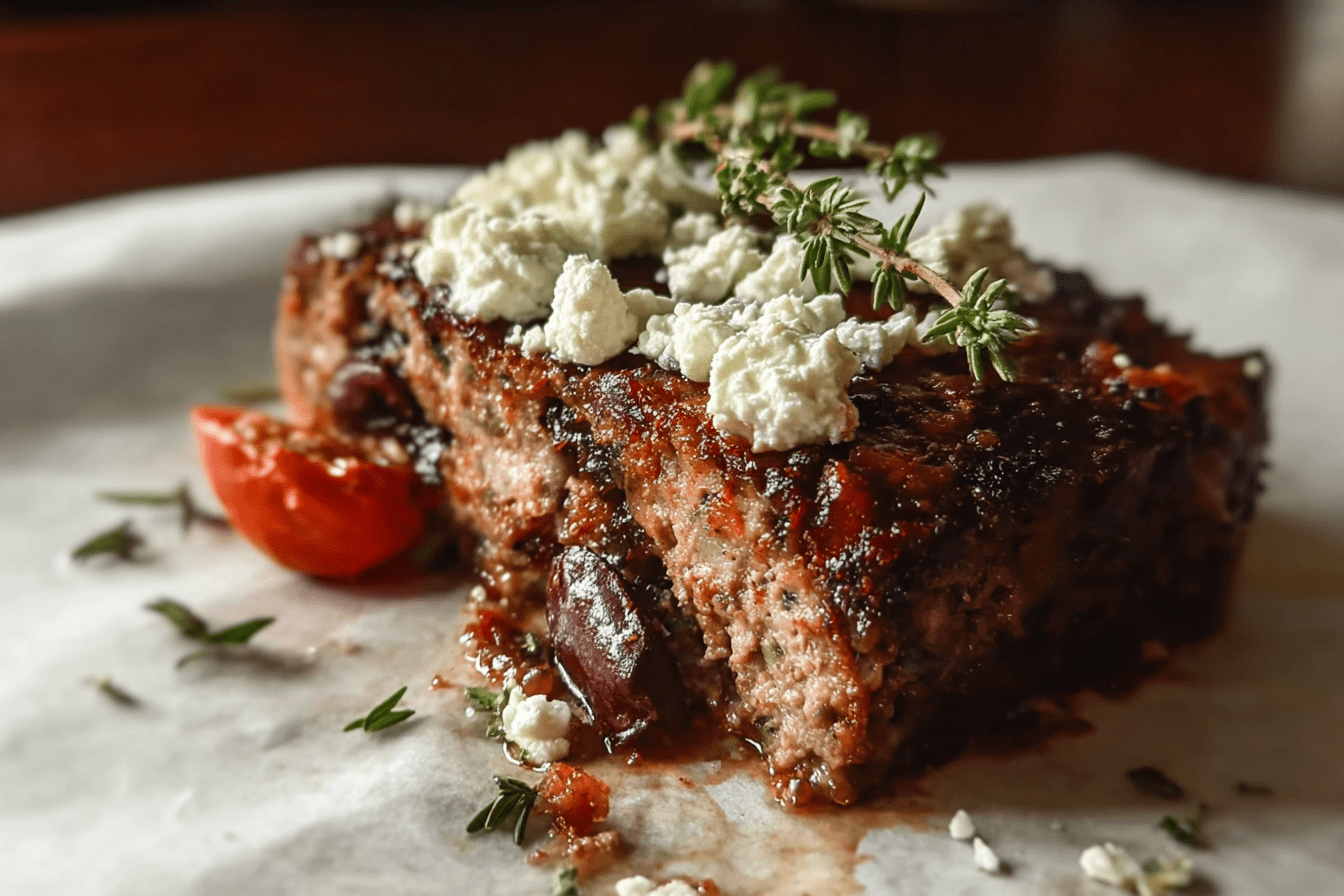
Slice the rested Greek meatloaf into servings and garnish with parsley and halved grape tomatoes. Serve with lemon wedges and tzatziki sauce on the side for a complete meal. This Mediterranean loaf pairs well with sides like a simple salad; for more ideas, check out our Sweet Potato Greek Moussaka Recipe for complementary dishes. Remember, for vegan adaptations, use plant-based crumbles to keep the spirit of Greek meatloaf alive while meeting dietary needs.
Dietary Substitutions to Customize Your Greek Meatloaf
Customizing your Greek meatloaf opens up options for everyone, from vegetarians to those watching calories. This section helps you adapt the recipe for various preferences, making it easier to enjoy a Greek-style loaf no matter your needs. Below, we break it down into two key areas, with specific swaps to keep things simple and delicious.
Protein and Main Component Alternatives
When changing the protein in Greek meatloaf, focus on options that maintain texture and flavor. For instance, swap the 1 pound of lean ground beef for ground turkey, which is lower in fat and great for diet-conscious folks, but add extra olive oil to prevent dryness. Ground lamb adds a richer taste, ideal for food enthusiasts, while plant-based crumbles work for vegans, requiring a flax egg for binding to keep the loaf intact. Each choice, like chickpea mixtures for more fiber, might need slight adjustments in cooking time, such as reducing by 5 minutes, to ensure your Mediterranean meatloaf cooks evenly without becoming dense.
Vegetable, Sauce, and Seasoning Modifications
Swapping veggies in Greek meatloaf can enhance nutrition or suit seasonal finds, like using grated zucchini instead of carrot for added moisture in low-calorie versions. For sauces, opt for a yogurt-based tzatziki alternative with sun-dried tomatoes to boost flavor without extra calories, or choose herb variations like dill over mint for a fresher twist. Seasonings can be adjusted for low-sodium needs by cutting salt and relying on lemon juice for acidity, ensuring your Greek-style loaf remains balanced and allergen-friendly. These changes, such as adding spinach for more vitamins, affect the texture by making it lighter, perfect for busy parents seeking quick adaptations.
Mastering Greek Meatloaf: Advanced Tips and Variations
Taking your Greek meatloaf to the next level involves smart techniques and fun twists that make it even better. Gentle mixing by hand prevents a dense texture, while a quick sear before baking builds a golden crust on your Mediterranean loaf. For moisture control, apply a light glaze early and tent with foil during the first bake at 350°F to lock in juices.
Flavor Variations and Expert Techniques
Experiment with additions like feta and kalamata olives for a tangy boost in Greek meatloaf, or try lemon and dill for a brighter profile. Balance salt and acidity by tasting as you go, ensuring your Greek-style meatloaf shines with herbs. Presentation tips include slicing neatly and adding a yogurt drizzle for appeal, while make-ahead options like refrigerating overnight help for meal prep.
How to Store Greek Meatloaf: Best Practices
Proper storage keeps your Greek meatloaf fresh and tasty for later. Cool it to room temperature within two hours and store in an airtight container in the fridge for 3 to 4 days. For freezing, wrap slices tightly in plastic and foil, label with the date, and freeze for up to 3 months to preserve that Mediterranean meatloaf flavor.
Reheating and Meal Prep Tips
To reheat, thaw frozen Greek-style loaf overnight in the fridge, then warm in a 325 350°F oven until it reaches 165°F internally. For quick meals, portion into single servings and reheat with a splash of broth to maintain moisture, making it ideal for working professionals on the go.
FAQs: Frequently Asked Questions About Greek Meatloaf
Can I use fresh grape leaves instead of jarred grape leaves for Greek meatloaf?
Yes, fresh grape leaves can be used in Greek meatloaf. Before wrapping, wash the leaves thoroughly and blanch them in boiling water for 3 to 5 minutes until they soften. Drain and cool them in a colander before use. This process helps make the leaves pliable and easier to work with while reducing any bitterness.
What temperature and baking time work best for Greek meatloaf?
Greek meatloaf should be baked in a preheated oven at 350°F (175°C) for about 45 to 60 minutes. Baking at this moderate temperature allows the meat to cook evenly and stay moist. After baking, let the meatloaf rest for 10 minutes before slicing to help the juices redistribute for a tender texture.
Can I substitute ground turkey for ground beef in this recipe?
Yes, ground turkey is a suitable substitute for ground beef in Greek meatloaf. It provides a leaner option but may result in a slightly drier texture. To keep the meatloaf moist, be sure to soak the bread thoroughly and do not overmix the meat. Ground lamb is also a common alternative for a richer flavor.
Is it necessary to soak the bread when making Greek meatloaf?
Soaking the bread is important for retaining moisture in Greek meatloaf. Use toasted bread slices soaked in water or milk until very soft, then squeeze out excess liquid before adding to the mixture. This step helps keep the meatloaf juicy and prevents it from becoming dense or dry.
What sauce pairs well with Greek meatloaf for serving?
Tzatziki sauce, made from yogurt, cucumber, garlic, and herbs, is the traditional accompaniment to Greek meatloaf. Its tangy and creamy flavor complements the savory meat and grape leaf wrapping. You can drizzle tzatziki over the sliced meatloaf or serve it on the side for dipping.
Greek Meatloaf
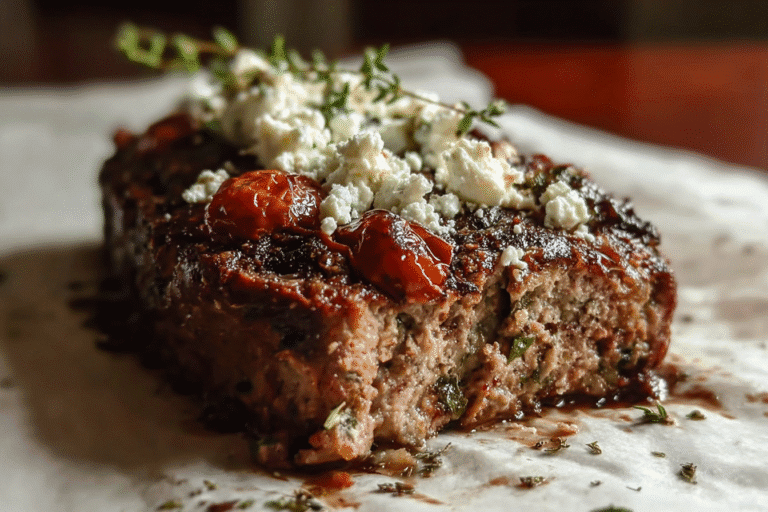
🍖 Greek Meatloaf Wrapped in Tender Grape Leaves offers a moist and flavorful twist with a subtle lemony essence from the leaves.
🌿 This Mediterranean-inspired dish is healthy, easy to prepare, and perfect for a unique family meal or gathering.
- Total Time: 1 hour 10 minutes
- Yield: 6 servings 1x
Ingredients
2 ounces jarred grape leaves for tender wrap and subtle lemony flavor
1 slice toasted white bread (gluten-free acceptable) as binder
1 medium carrot, peeled and finely chopped or grated for sweetness and vitamins
1 celery stick, finely chopped for crunch and freshness
1 red onion, finely chopped or grated for sharp aromatic base
1 small red bell pepper, finely chopped for color and moisture
2 garlic cloves, minced for robust aroma and taste
Kosher salt (amount to taste) for seasoning
Black pepper (amount to taste) for mild heat and depth
1 pound lean ground beef (or a mix of ground beef and other meats like lamb) as main protein
1 egg as binder
2 tablespoons tomato paste for richness and tang
1/2 cup chopped fresh mint leaves for refreshing flavor
1 teaspoon dried oregano for earthy notes
1 large lemon for zesting, juicing, and serving to provide acidity
Olive oil (for cooking and drizzling, amount as needed) for moisture and golden crust
Tzatziki sauce (for serving, amount as desired) for creamy, tangy complement
Halved grape tomatoes (for garnish, quantity as desired) for fresh, juicy garnish
Parsley (for garnish, quantity as desired) for color and freshness
Instructions
1-First Step: Preheat and Prepare Ingredients Start by preheating your oven to 350°F and lightly coating a sheet pan or baking dish with olive oil. This sets the stage for your Greek meatloaf to bake evenly and develop a nice crust. Gather and prepare all ingredients; finely chop the carrot, celery, red onion, red bell pepper, and mince the garlic to ensure they blend well into the mixture. For dietary tweaks, use gluten-free bread if needed to keep it accessible.
2-Second Step: Soften the Grape Leaves and Bread Boil the 2 ounces of jarred grape leaves in water for 3 to 5 minutes until they’re softened but still intact, then drain and set them aside. Meanwhile, soak the 1 slice of toasted bread in water or milk for about 10 minutes until it’s very tender, drain it, and crumble it into a large bowl. This step is key for keeping your Greek meatloaf moist, and for vegan versions, a flax egg can replace the traditional one here.
3-Third Step: Sauté the Vegetables Heat some olive oil in a skillet over medium heat, add the chopped carrot, celery, red onion, red bell pepper, and minced garlic, then season with salt and pepper to taste. Sauté for 5 to 7 minutes until the veggies soften, drain any excess liquid, and add them to the bowl with the bread. This builds flavor in your Greek-style meatloaf, and for lower-fat options, use less oil to adapt for diet-conscious eaters.
4-Fourth Step: Mix the Meatloaf Base Add 1 pound of lean ground beef, 1 egg, 2 tablespoons of tomato paste, 1/2 cup chopped fresh mint leaves, 1 teaspoon dried oregano, salt, pepper, and a drizzle of olive oil to the bowl with the vegetables and bread. Mix everything well by hand until combined, being careful not to overwork it. For this Greek meatloaf, substituting ground turkey keeps it lean, ensuring a juicy result with minimal changes to the texture.
5-Fifth Step: Shape and Wrap the Loaf Shape the mixture into an 8.5 by 4.5-inch loaf on parchment paper or foil. Dry the grape leaves and layer 6 to 8 of them on your prepared dish, then place the meatloaf on top and wrap the leaves around it, overlapping and pressing gently. Drizzle with olive oil for added moisture, then cover loosely with foil. This wrapping technique is what makes Greek meatloaf stand out, and it’s easy to modify for vegetarian blends if desired.
6-Sixth Step: Bake to Perfection Bake the wrapped Greek meatloaf in your preheated 350°F oven for 30 minutes covered, then uncover and bake for an additional 20 minutes until it’s fully cooked to an internal temperature of 165°F. Remove from the oven and squeeze half of the large lemon over it for a fresh zing. Let it rest for 10 minutes to allow flavors to settle, making the Greek-style meatloaf even more tender and easy to slice.
7-Final Step: Serve and Enjoy Slice the rested Greek meatloaf into servings and garnish with parsley and halved grape tomatoes. Serve with lemon wedges and tzatziki sauce on the side for a complete meal. This Mediterranean loaf pairs well with sides like a simple salad; for more ideas, check out our Sweet Potato Greek Moussaka Recipe for complementary dishes. Remember, for vegan adaptations, use plant-based crumbles to keep the spirit of Greek meatloaf alive while meeting dietary needs.
Last Step:
Please leave a rating and comment letting us know how you liked this recipe! This helps our business to thrive and continue providing free, high-quality recipes for you.Notes
🌿 Jarred grape leaves can be substituted with fresh leaves blanched in boiling water.
🔪 Finely chop vegetables similarly to ground meat for even texture; a food processor can help.
🍞 Use toasted or stale bread to absorb moisture and keep meatloaf tender.
- Prep Time: 20 minutes
- Cook time: 50 minutes
- Cook Time: 50 minutes
- Category: Main Dish
- Method: Baking
- Cuisine: Mediterranean
Nutrition
- Serving Size: 1 serving
- Calories: 195
- Sugar: 4.1 grams
- Sodium: 134 milligrams
- Fat: 8.8 grams
- Saturated Fat: 3.4 grams
- Unsaturated Fat: 4.3 grams (combined poly- and mono-unsaturated)
- Trans Fat: 0.5 grams
- Carbohydrates: 11.4 grams
- Fiber: 3.3 grams
- Protein: 18.1 grams
- Cholesterol: 76.4 milligrams