Why You’ll Love This Fried Rice Recipe
Hey friends! If you’re always on the hunt for a quick meal that’s packed with flavor and easy to whip up, this fried rice recipe is about to become your new favorite. It’s straightforward and uses simple ingredients you likely have on hand, making it perfect for busy evenings or when you’re just starting out in the kitchen. Plus, it delivers a satisfying mix of tastes that keeps things exciting every time you make it.
This dish shines because it’s ready faster than you might think, with prep and cooking taking just a short time. You’ll appreciate how it balances everyday ingredients to create something deliciously hearty. Whether you’re cooking for yourself or a crowd, this recipe adapts easily and never disappoints.
Key Benefits of This Dish
One big reason to try this fried rice recipe is its ease of preparation. This fried rice recipe is quick and straightforward, using day-old rice and a single wok or skillet for fast assembly. Prep involves simple chopping and a 5 10 minute high-heat stir-fry, meaning the whole dish can be ready in about 20 25 minutes. The easy fried rice method reduces steps without sacrificing texture, making it ideal for busy weeknights or novice cooks.
Health benefits are another draw since this fried rice recipe balances carbohydrates with protein and vegetables, providing fiber, vitamins, and lean protein. Use brown rice or cauliflower rice to boost whole-grain or low-carb nutrition. Light oil and minimal soy sauce help control sodium and calories, creating a healthier fried rice option that still tastes satisfying.
It’s also super versatile, allowing you to adapt the fried rice recipe easily to dietary needs like vegetarian, vegan, gluten-free, or low-calorie versions. Swap tofu or tempeh for chicken, or choose tamari for a gluten-free fried rice. Leftover vegetables and proteins fit seamlessly, reducing waste and increasing adaptability.
Finally, the distinctive flavor comes from a balance of toasted sesame oil, fresh aromatics like garlic and scallion, and a quick high-heat sear. Finishing with a splash of rice vinegar or a pinch of toasted sesame seeds brings extra complexity, making the dish stand out and encouraging you to experiment in your own kitchen.
Jump To
- 1. Why You’ll Love This Fried Rice Recipe
- 2. Essential Ingredients for Fried Rice Recipe
- 3. How to Prepare the Perfect Fried Rice Recipe: Step-by-Step Guide
- 4. Dietary Substitutions to Customize Your Fried Rice Recipe Protein and Main Component Alternatives
- 5. Dietary Substitutions to Customize Your Fried Rice Recipe Vegetable, Sauce, and Seasoning Modifications
- 6. Mastering Fried Rice Recipe: Advanced Tips and Variations
- 7. How to Store Fried Rice Recipe: Best Practices
- 8. FAQs: Frequently Asked Questions About Fried Rice Recipe
- 9. Fried Rice Recipe
Essential Ingredients for Fried Rice Recipe
Let’s talk about what makes this fried rice recipe so tasty the ingredients! Picking the right ones ensures your dish turns out just right, with great texture and flavor. I’ll break it down in a clear list so you can follow along easily. Remember, using chilled rice is key for the best results, as it helps prevent clumping and keeps everything light and fluffy.
- 3 tablespoons butter, divided
- 2 large eggs, whisked
- 2 medium carrots, peeled and diced
- 1 small white onion, diced
- 1/2 cup frozen peas
- 3 cloves garlic, minced
- Salt and black pepper to taste
- 4 cups cooked and chilled rice (preferably short-grain white rice)
- 3 green onions, thinly sliced
- 3 to 4 tablespoons soy sauce, or more to taste
- 2 teaspoons oyster sauce (optional)
- 1/2 teaspoon toasted sesame oil
This list covers everything you need for a delicious fried rice recipe. Don’t skip the toasted sesame oil it’s what adds that nutty finish that ties it all together. If you’re adjusting for dietary needs, you can swap items like using tamari instead of soy sauce for a gluten-free twist.
How to Prepare the Perfect Fried Rice Recipe: Step-by-Step Guide
Ready to dive into making this fried rice recipe? It’s simpler than you think, and I’ll walk you through each step to help you nail it. Start by gathering your ingredients and setting up your workspace for smooth sailing. High heat is your friend here, as it helps get that perfect crispy edge on the rice.
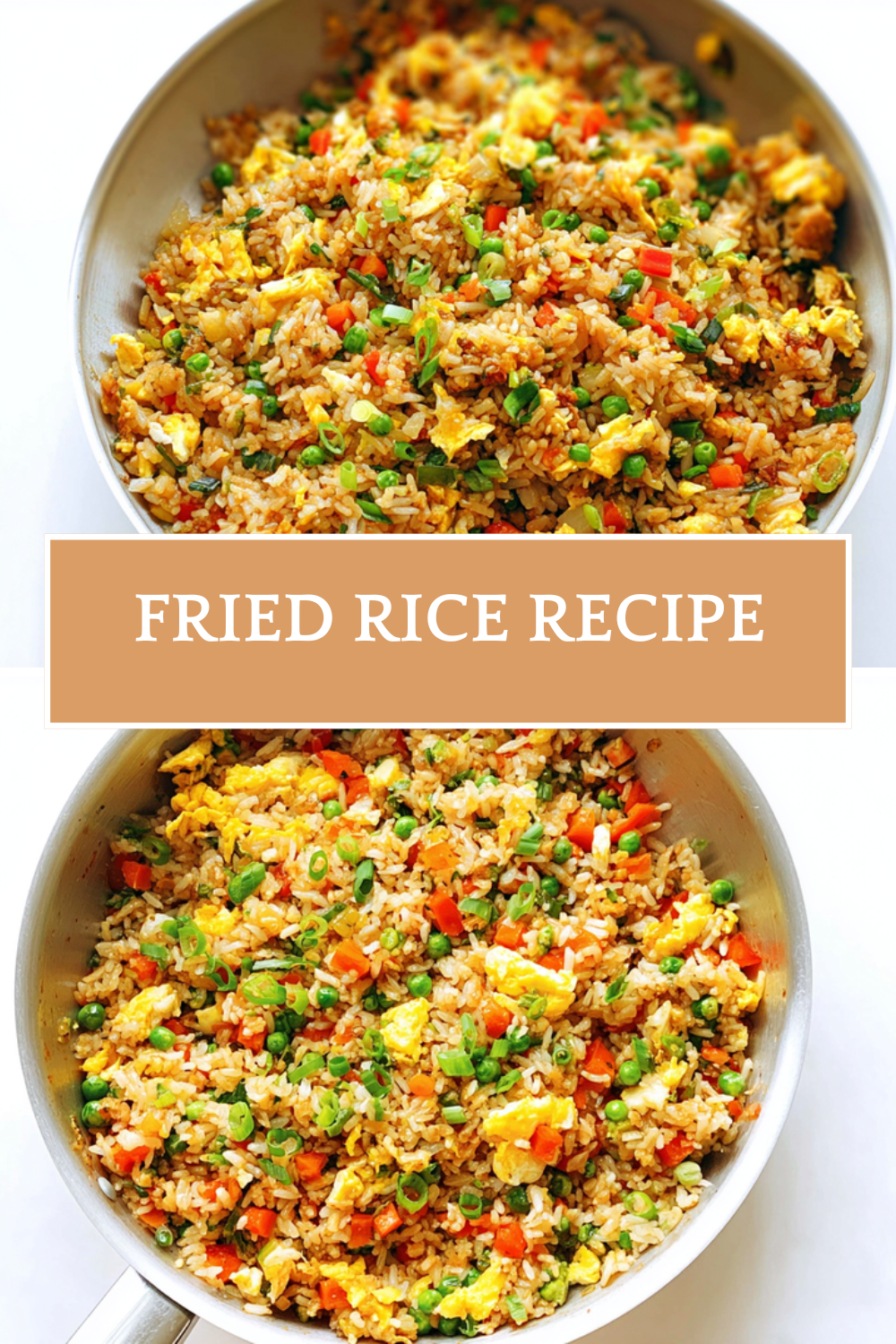
First, heat 1/2 tablespoon of butter in a sauté pan over medium-high heat until melted. Add whisked eggs and scramble until cooked, stirring occasionally. Remove eggs and set aside. This step adds protein and a nice texture to your fried rice recipe.
Then, add 1 tablespoon of butter to the pan and melt. Add carrots, onion, peas, and garlic; season with salt and pepper. Sauté for about 5 minutes until onions and carrots are soft. Increasing the heat helps build flavor in this fried rice recipe.
Building Layers of Flavor
Increase heat to high. Add remaining 1 1/2 tablespoons of butter and stir until melted. Immediately add chilled rice, green onions, soy sauce, and oyster sauce if using. Stir to combine and continue sautéing for about 3 minutes, stirring occasionally, allowing rice to brown slightly and crisp up on the bottom.
After that, add scrambled eggs back to the pan and stir to combine. Remove from heat and stir in toasted sesame oil. Taste and adjust seasoning with extra soy sauce if desired, making sure your fried rice recipe suits your taste.
Serve immediately or refrigerate in an airtight container for up to 3 days. For the best results, use a non-stick or cast-iron pan to prevent sticking, as mentioned in our tips. If you’re looking for more ideas on proteins, check out our grilled shrimp tacos recipe for inspiration on seafood additions.
Dietary Substitutions to Customize Your Fried Rice Recipe Protein and Main Component Alternatives
One of the best parts about this fried rice recipe is how easy it is to tweak for different tastes and needs. Whether you’re going vegan or just want to switch things up, swapping proteins can make all the difference. Let’s look at some simple alternatives that keep the dish delicious and adaptable.
- Chicken: Use diced cooked chicken breast or thigh for a classic stir-fried rice protein; lean breast reduces calories while thigh adds richness.
- Shrimp: Peel-and-cook small shrimp briefly in the wok until opaque for a quick seafood fried rice.
- Pork or beef: Thinly sliced pork loin or flank steak browned on high heat gives deeper savory notes; marinate briefly in soy and ginger.
- Tofu: Firm or extra-firm tofu, pressed and pan-seared, soaks up sauces for a vegan fried rice option.
- Tempeh and legumes: Crumbled tempeh or cooked edamame/white beans add plant-based protein and texture.
- Eggs: Scrambled eggs make the dish traditional and add silky protein; for vegans, use chickpea flour batter or crumbled tofu seasoned with kala namak.
- Seitan: For vegetarian diets that allow gluten, seitan provides meat-like chew and protein density.
- Cauliflower rice: Swap the rice entirely for riced cauliflower to make a low-carb, low-calorie version.
Adjust cooking order and pre-cook raw proteins separately to ensure everything finishes at the right time while maintaining texture in your fried rice recipe. This way, you can make it your own without any hassle.
Dietary Substitutions to Customize Your Fried Rice Recipe Vegetable, Sauce, and Seasoning Modifications
Vegetables, sauces, and seasonings can really elevate your fried rice recipe, making it fresh and exciting each time. Mixing things up not only adds variety but also lets you tailor the dish to what you have in your fridge. Here are some easy ways to customize.
Use quick-cooking vegetables like peas, scallions, bell peppers, carrots, and bean sprouts for color and texture. Sturdier vegetables like broccoli or cauliflower should be par-cooked before stir-frying to avoid underdone pieces. Seasonal greens like bok choy or chard can be wilted in the wok toward the end.
Beyond soy sauce or tamari, try oyster sauce, hoisin, or a small splash of mirin for depth. Coconut aminos provide a soy-free, lower-sodium alternative. For smoky depth, add a teaspoon of toasted sesame paste or a dash of liquid smoke sparingly.
Ginger, garlic, scallions, and white pepper are classic; chili flakes, Sriracha, or a drizzle of chili oil add heat. Fresh herbs like cilantro or Thai basil brighten a finished rice stir-fry. Citrus like lime or lemon balances richness in lighter versions.
Taste as you go too salty can be corrected with acid like rice vinegar or lime, or a touch of sweetness like honey or sugar alternative. Keep a small bottle of neutral broth or water handy to loosen rice without diluting flavor.
Mastering Fried Rice Recipe: Advanced Tips and Variations
Once you’re comfortable with the basics of this fried rice recipe, it’s time to level up with some pro tips and fun variations. Getting that perfect texture and flavor comes down to technique, so let’s break it down. You’ll be amazed at how a few tweaks can make your dish even better.
Pro Techniques for Better Results
Use the highest heat your stovetop and pan can handle to achieve that coveted sear and slight charring called ‘wok hei’ in authentic stir-fries. Preheat the wok until very hot, add oil and move quickly ingredients should sizzle on contact. Dry rice grains are essential: use day-old rice or spread fresh rice thinly and refrigerate to dry.
Control moisture by minimizing added liquids; if you need to loosen the rice, use a tablespoon of warm stock rather than excess soy sauce. For more ideas on sauces, you might enjoy our cherry balsamic glaze to experiment with new flavors in your cooking.
When stir-frying large batches, work in small batches to maintain high heat and prevent steaming. A well-seasoned carbon steel wok or a heavy-bottomed skillet gives the best heat retention and flavor development.
Exploring Variations
Experiment with regional twists to keep the fried rice recipe exciting. Add Thai flavors with fish sauce, lime, and basil; go Chinese-style with Shaoxing wine and dark soy for color; for Japanese-inspired rice, stir in a little mirin and a sprinkle of furikake.
For vegetarian depth, use mushroom broth and add sautéed shiitakes or dried porcini rehydrated and chopped. A finishing drizzle of sesame oil and a few drops of toasted chili oil can transform the aroma profile. Presentation tips include fluffing rice before plating and serving in shallow bowls to showcase contrasting textures.
Garnish with finely sliced scallions, toasted sesame seeds, microgreens, or a soft-cooked egg on top. For make-ahead options, cook rice and cool quickly on a sheet tray, then refrigerate up to 3 days or freeze portions for up to 1 month.
How to Store Fried Rice Recipe: Best Practices
Storing your fried rice recipe properly keeps it fresh and tasty for later, which is great for meal prep. Follow these steps to avoid any sogginess and maintain that wonderful texture. It’s all about quick cooling and the right containers.
Cool cooked fried rice quickly by spreading it in a thin layer on a sheet tray for no more than one hour, then transfer to airtight containers. Store in the refrigerator for up to 3 4 days. Label containers with the date and reheat only the portion you plan to eat.
For freezing, cool rice completely, portion into freezer-safe bags or containers, remove excess air, and freeze for up to 1 month for best quality. Thaw overnight in the refrigerator or partially thaw in the microwave on a defrost setting before stir-frying to refresh the grains.
Reheat in a preheated skillet or wok over medium-high heat with a splash of oil or broth, breaking up clumps and tossing until steaming hot (about 3 5 minutes). For meal prep considerations, portion into single-serving containers for grab-and-go lunches. If you’re curious about other storage tips, check out another fried rice recipe for more ideas.
FAQs: Frequently Asked Questions About Fried Rice Recipe
What kind of rice is best for making fried rice?
The best rice for fried rice is cooked and fully chilled white or brown rice. Using rice that has been refrigerated overnight helps the grains firm up and separate, preventing the dish from becoming soggy or clumpy. Freshly cooked, warm rice retains too much moisture and tends to stick together, which can make frying difficult and affect the texture.
Can I make fried rice without using butter or oil?
While frying rice without any fat is possible, using a small amount of oil or butter significantly improves flavor and texture. Butter adds a rich, savory taste and helps achieve a slightly crispy, browned exterior on the rice. If you prefer to cook oil-free, you can try dry roasting the ingredients and stir-frying with a non-stick pan, but the finished dish may lack the typical fried rice mouthfeel.
How does cooking on high heat affect fried rice?
Cooking fried rice on high heat is crucial because it quickly sears the rice and vegetables, creating a desirable browned crust and preventing the rice from steaming or becoming mushy. High heat also helps to evaporate excess moisture, allowing the grains to separate and develop texture. To maintain high heat, use a roomy skillet or wok to avoid overcrowding.
What are good protein and vegetable additions for homemade fried rice?
Fried rice is very versatile and pairs well with a variety of proteins such as cooked chicken, shrimp, pork, or tofu. Vegetables like peas, carrots, bell peppers, scallions, and corn work well due to their quick cooking times and flavor compatibility. Adding ingredients like kimchi or pineapple can introduce unique tastes and textures, making the dish more interesting and nutritious.
How should I store leftover fried rice and reheat it safely?
Leftover fried rice should be cooled promptly and stored in an airtight container in the refrigerator, where it will keep well for up to 3 days. For reheating, use a skillet over medium heat with a splash of oil to warm the rice evenly and restore some of the original texture. Avoid microwaving without adding moisture, as this can lead to uneven heating and dryness.
Fried Rice Recipe
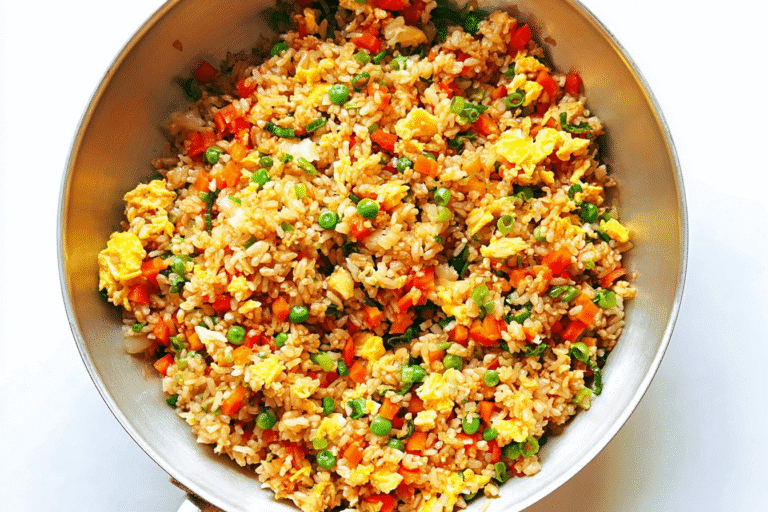
🍚 This Fried Rice recipe offers an easy way to prepare a delicious and colorful meal with simple ingredients.
🌿 Packed with vegetables, eggs, and flavorful sauces, it delivers a satisfying balance of textures and tastes perfect for any occasion.
- Total Time: 15 minutes
- Yield: 4 to 6 servings 1x
Ingredients
3 tablespoons butter, divided
2 large eggs, whisked
2 medium carrots, peeled and diced
1 small white onion, diced
1/2 cup frozen peas
3 cloves garlic, minced
Salt and black pepper to taste
4 cups cooked and chilled rice (preferably short-grain white rice)
3 green onions, thinly sliced
3 to 4 tablespoons soy sauce, or more to taste
2 teaspoons oyster sauce (optional)
1/2 teaspoon toasted sesame oil
Instructions
1-First: heat 1/2 tablespoon of butter in a sauté pan over medium-high heat until melted. Add whisked eggs and scramble until cooked, stirring occasionally. Remove eggs and set aside. This step adds protein and a nice texture to your fried rice recipe.
2-Then: add 1 tablespoon of butter to the pan and melt. Add carrots, onion, peas, and garlic; season with salt and pepper. Sauté for about 5 minutes until onions and carrots are soft. Increasing the heat helps build flavor in this fried rice recipe.
3-Building Layers of Flavor: Increase heat to high. Add remaining 1 1/2 tablespoons of butter and stir until melted. Immediately add chilled rice, green onions, soy sauce, and oyster sauce if using. Stir to combine and continue sautéing for about 3 minutes, stirring occasionally, allowing rice to brown slightly and crisp up on the bottom.
4-After that: add scrambled eggs back to the pan and stir to combine. Remove from heat and stir in toasted sesame oil. Taste and adjust seasoning with extra soy sauce if desired, making sure your fried rice recipe suits your taste.
Last Step:
Please leave a rating and comment letting us know how you liked this recipe! This helps our business to thrive and continue providing free, high-quality recipes for you.Notes
❄️ Use chilled rice to prevent sogginess and clumping.
🧈 Butter enhances browning and flavor.
🔥 Cook over high heat to achieve crispy rice texture and prevent steaming.
- Prep Time: 5 minutes
- Cook Time: 10 minutes
- Category: Main Dish
- Method: Sautéing
- Cuisine: Asian
- Diet: Vegetarian option possible
Nutrition
- Serving Size: 1 cup