Why You’ll Love This Filipino Spaghetti
Filipino Spaghetti is more than just a pasta dish it’s a celebration of flavors that brings people together. This unique take on spaghetti has captured hearts and taste buds across the Philippines and beyond, offering something completely different from traditional Italian pasta recipes. Here’s why you’ll fall in love with this dish:Ease of Preparation
With just 10 minutes of prep time and 45 minutes of cooking, this recipe fits perfectly into busy weeknight schedules. The straightforward instructions mean even novice cooks can achieve authentic Filipino flavors without stress. Unlike complex pasta dishes that require multiple components and careful timing, Filipino Spaghetti comes together in one pan, making cleanup a breeze.Nutritional Benefits
This hearty pasta provides a balanced meal with approximately 41g of protein per serving from the combination of ground pork and processed meats. The tomato-based spaghetti sauce delivers vitamins A and C, while the onions and garlic contribute additional antioxidants. With 8g of fiber per serving, it helps keep you feeling satisfied longer. For those mindful of their diet, this dish can be easily modified to suit various nutritional needs.Versatility
This recipe adapts beautifully to different dietary preferences and ingredient availability. Whether you need to accommodate gluten-free requirements, reduce meat content, or adjust sweetness levels, the basic framework remains flexible enough to experiment while maintaining the dish’s character. It’s perfect for family gatherings, potlucks, or simple weeknight dinners.Distinctive Flavor Profile
What sets Filipino Spaghetti apart is its signature sweet-savory combination that appeals to both children and adults. The rich sauce, packed with ground pork, hotdogs, and luncheon meat, creates layers of flavor that dance on your palate. Unlike Italian spaghetti that focuses on herbs and tomato brightness, this version embraces bold umami notes balanced with sweetness a true reflection of Filipino culinary preferences.Jump To
- 1. Why You’ll Love This Filipino Spaghetti
- 2. Essential Ingredients for Filipino Spaghetti
- 3. How to Prepare the Perfect Filipino Spaghetti: Step-by-Step Guide
- 4. Protein and Main Component Alternatives
- 5. Vegetable, Sauce, and Seasoning Modifications
- 6. Mastering Filipino Spaghetti: Advanced Tips and Variations
- 7. How to Store Filipino Spaghetti: Best Practices
- 8. FAQs: Frequently Asked Questions About Filipino Spaghetti
- 9. Filipino Spaghetti
Essential Ingredients for Filipino Spaghetti
To create the authentic taste of Filipino Spaghetti, you’ll need these carefully selected ingredients:Main Ingredients
- 2 lbs. spaghetti noodles – The foundation of the dish, providing the perfect canvas for the flavorful sauce
- 1 lb. ground pork – The primary protein that adds richness and depth to the sauce
- 6 ounces luncheon meat, minced – Contributes a unique savory punch and meaty texture
- 4 pieces hotdogs or beef franks – Adds sweetness and familiar comfort to the dish
- 35 ounces spaghetti sauce – The base that brings everything together with tomato goodness
- 1/2 cup shredded cheddar cheese – Provides the perfect finishing touch with creamy sharpness
- 1 cup beef broth – Enhances the sauce’s savory profile and adds depth
- 1 medium onion, minced – Builds aromatic foundation when sautéed with garlic
- 1 teaspoon garlic, minced – Essential aromatic that amplifies overall flavor
- Salt and pepper to taste – Simple seasonings that bring all flavors into balance
- 3 tablespoons cooking oil – Used for sautéing aromatics and meats to develop flavor
Special Dietary Options
Vegan
Substitute ground pork with plant-based ground meat alternatives like Beyond Meat or Impossible products. Replace luncheon meat and hotdogs with vegan versions or additional vegetables like mushrooms and bell peppers. Use vegan cheese alternatives or nutritional yeast for the topping.Gluten-free
Replace regular spaghetti noodles with gluten-free pasta made from rice, corn, or quinoa. Ensure the spaghetti sauce, beef broth, and processed meats are certified gluten-free, as many contain wheat-based thickeners or seasonings.Low-calorie
Use leaner ground pork or mix with ground turkey to reduce fat content. Increase vegetable proportion by adding diced carrots, bell peppers, and zucchini. Reduce cheese amount or opt for low-fat varieties while maintaining flavor.| Nutrient | Amount |
|---|---|
| Serving size | 6 |
| Calories | 1003 kcal |
| Carbohydrates | 125g |
| Protein | 41g |
| Fat | 37g |
| Saturated Fat | 12g |
| Polyunsaturated Fat | 5g |
| Monounsaturated Fat | 17g |
| Trans Fat | 0.03g |
| Cholesterol | 84mg |
| Sodium | 1525mg |
| Potassium | 1231mg |
| Fiber | 8g |
| Sugar | 11g |
| Vitamin A | 816 IU |
| Vitamin C | 14mg |
| Calcium | 141mg |
| Iron | 5mg |
How to Prepare the Perfect Filipino Spaghetti: Step-by-Step Guide
Creating the perfect Filipino Spaghetti is easier than you might think. Follow these detailed steps for a delicious result that will have everyone asking for seconds.Preparation Phase
Prep time: 10 minutes
Cook time: 45 minutes
Total time: 55 minutes
First Step: Cooking the Spaghetti Noodles
Fill your large pot with water and bring it to a rolling boil over high heat. Once the water is boiling vigorously, add 1-2 tablespoons of salt to season the noodles from within. Add the 2 lbs. of spaghetti noodles and cook according to package instructions, usually about 8-10 minutes for al dente texture.Important tip: Do not add oil to the boiling water! While it might seem like it prevents sticking, oil actually creates a coating that prevents the sauce from adhering to the noodles later. The starch released by the pasta is what helps the sauce cling perfectly.Once cooked, drain the noodles thoroughly and set them aside in a bowl, tossing gently to prevent sticking while you prepare the sauce.
Second Step: Preparing the Aromatics
In your large skillet or pan, heat 3 tablespoons of cooking oil over medium heat. Once the oil is shimmering, add 1 medium onion that has been minced. Sauté for 2-3 minutes until the onion becomes translucent and fragrant. Next, add 1 teaspoon of minced garlic and continue sautéing for another minute until the garlic becomes aromatic but not browned. These aromatics form the flavor foundation for the entire dish.Third Step: Cooking the Meats
Add 1 lb. of ground pork to the pan with the aromatics. Break the meat apart with your spoon as it cooks, ensuring even browning. Cook until the pork is light brown and fully cooked through, approximately 5-7 minutes. This step develops the meat’s flavor through the Maillard reaction, creating those delicious browned bits that add depth to the sauce.Fourth Step: Adding Processed Meats
Once the pork is browned, add 6 ounces of minced luncheon meat and 4 sliced hotdogs or beef franks to the pan. Stir everything together and cook for 2 to 3 minutes. These processed meats contribute that distinctive Filipino spaghetti character, adding both texture and familiar flavors that make this dish so comforting and satisfying.Fifth Step: Building the Sauce
Pour in 35 ounces of spaghetti sauce and 1 cup of beef broth. Stir thoroughly to combine all ingredients, making sure to scrape up any flavorful browned bits from the bottom of the pan. Bring the mixture to a boil, then immediately reduce the heat to low. This initial boil helps marry the flavors quickly before the slow simmer process.Sixth Step: Simmering to Perfection
Cover the pan and let the sauce simmer gently for 30 minutes. This slow cooking period is crucial for flavor development, allowing the ingredients to meld together and the sauce to thicken to the perfect consistency. Stir occasionally to prevent sticking and ensure even heating. The aroma filling your kitchen will tell you something delicious is on the way!Seventh Step: Seasoning for Perfect Balance
After simmering, taste your sauce and season with salt and pepper to your preference. The spaghetti sauce and processed meats already contain salt, so add gradually and taste frequently. This final seasoning step allows you to customize the flavor profile to your exact liking.Final Step: Assembly and Serving
Pour the hot, flavorful sauce over your prepared spaghetti noodles. Toss gently to ensure every strand is coated in the delicious sauce. Transfer to serving bowls or a large platter and top with 1/2 cup of shredded cheddar cheese. The residual heat will slightly melt the cheese, creating that perfect gooey topping. Serve immediately while hot, and watch as your family and friends enjoy this comforting, flavorful dish!For a complete meal, consider serving this with a side of light and fluffy biscuits or a refreshing cucumber salad to balance the richness.
Protein and Main Component Alternatives
One of the beautiful aspects of Filipino Spaghetti is its adaptability to different protein sources and dietary needs. Here are some excellent alternatives to the traditional ingredients.Ground Meat Variations
If you prefer not to use ground pork, several other options work beautifully in this recipe. Ground beef creates a richer, more robust sauce that stands up well to the sweet elements. For a lighter version, ground turkey or chicken can be used, though you may want to add a little extra oil to maintain moisture. The key is to brown the meat thoroughly to develop those essential flavor compounds. For those avoiding red meat entirely, plant-based ground meat alternatives have come a long way in texture and flavor. Brands like Beyond Meat and Impossible Foods create products that brown and cook remarkably similar to real meat, making them excellent substitutes. You might also consider using crumbled tofu seasoned with soy sauce and liquid smoke for a completely different but equally delicious protein option.Processed Meat Substitutes
The combination of hotdogs and luncheon meat is signature to Filipino Spaghetti, but you can certainly mix things up. Spam is a popular alternative that adds an extra savory punch, while corned beef can introduce a different flavor dimension. For a slightly healthier approach, try using turkey dogs or chicken franks instead of traditional hotdogs. If you prefer to minimize processed meats entirely, consider adding diced mushrooms, bell peppers, or eggplant to provide texture and body to the sauce. These vegetables absorb the flavorful sauce beautifully and create a more substantial bite. Cubed tofu or tempeh can also work well as meat alternatives, especially when marinated before adding to the sauce.Vegetable, Sauce, and Seasoning Modifications
Customizing your Filipino Spaghetti to suit your taste preferences and seasonal availability is easy with these creative modifications.Vegetable Additions and Substitutions
While traditional Filipino Spaghetti doesn’t emphasize vegetables, there’s no reason you can’t incorporate them for added nutrition and color. Diced carrots add natural sweetness and crunch, while bell peppers contribute both flavor and visual appeal. Finely chopped celery can add a subtle aromatic quality without overpowering the dish. For heartier vegetable additions, consider small cauliflower florets or diced zucchini. These vegetables absorb the sauce flavors while maintaining their structure, adding bulk without significantly altering the flavor profile. Spinach or kale can be stirred in during the last few minutes of simmering for a nutritional boost that wilts perfectly into the sauce.Sauce Variations
The spaghetti sauce forms the base of this dish, but you can customize it according to your preferences. For a sweeter profile, add a tablespoon of brown sugar or a drizzle of honey. If you prefer more tang, a splash of vinegar or additional tomato paste can brighten the sauce. Banana ketchup is traditional in authentic Filipino recipes, contributing both sweetness and fruity notes. If you can’t find it or prefer not to use it, regular ketchup with a mashed ripe banana can approximate the flavor. Some cooks also add a little soy sauce or fish sauce for umami depth, though this should be done sparingly to avoid overpowering the dish.Seasoning Adjustments
The basic seasonings of salt and pepper provide essential flavor, but additional herbs and spices can elevate your sauce. A pinch of red pepper flakes adds subtle heat, while dried oregano or basil can introduce herbal notes. Some cooks swear by a dash of cinnamon or nutmeg to enhance the sweet-savory balance, though these should be used very sparingly. For a more complex flavor profile, consider creating a spice blend to add during the simmering stage. A mixture of garlic powder, onion powder, and paprika can amplify the savory elements, while a touch of allspice can echo the traditional banana ketchup flavor without actually using it.Mastering Filipino Spaghetti: Advanced Tips and Variations
Once you’ve mastered the basic recipe, these professional tips and creative variations will help you take your Filipino Spaghetti to the next level.Pro Cooking Techniques
Sauce Consistency Control
For a thicker sauce, simmer uncovered during the last 10-15 minutes of cooking to evaporate excess liquid. Conversely, if your sauce becomes too thick, simply add small amounts of water or beef broth until you reach your desired consistency. The perfect sauce should coat the back of a spoon without being too watery or too paste-like.Flavor Layering
Build depth by caramelizing your onions longer than the basic recipe suggests. Let them cook until they’re golden brown rather than just translucent this develops natural sweetness that complements the dish’s profile. Similarly, consider deglazing your pan with a splash of beef broth or wine after browning the meat to capture those flavorful browned bits.Pasta Perfection
Cook your pasta until it’s slightly firmer than al dente since it will continue cooking when tossed with the hot sauce. Reserve about a cup of pasta cooking water before draining. This starchy water can be added to the sauce if needed to adjust consistency or help the sauce adhere to the noodles.Flavor Variations
Spicy Version
Add finely chopped fresh chili peppers or a tablespoon of chili garlic sauce during the sautéing stage. For smoky heat, try adding a diced chipotle pepper in adobo sauce. The spice level should enhance without overwhelming the sweet-savory balance.Creamy Version
Stir in a half-cup of heavy cream or coconut milk during the last 5 minutes of simmering for a richer, creamier sauce. This variation reduces the need for as much cheese on top while creating a luxurious mouthfeel.Hawaiian Style
Add diced pineapple chunks along with the processed meats for a tropical twist that enhances the sweet elements. The fruit’s acidity also helps cut through the richness of the meats.Presentation Tips
Serve your Filipino Spaghetti in individual bowls topped with extra shredded cheese, finely chopped green onions, and fresh basil leaves for restaurant-worthy presentation. For special occasions, consider garnishing with crispy fried onions or toasted garlic chips for added texture and visual appeal.Make-Ahead Options
This dish actually tastes better the next day as flavors continue to meld. Prepare the complete recipe up to two days ahead, storing it in an airtight container in the refrigerator. Reheat gently over low heat, adding a splash of water or beef broth to refresh the sauce. For freezing, cool completely before transferring to freezer-safe containers where it will keep well for up to three months.How to Store Filipino Spaghetti: Best Practices
Proper storage ensures your Filipino Spaghetti remains delicious and safe to eat. Follow these guidelines for maximum quality and freshness.Refrigeration
Store leftover Filipino Spaghetti in airtight containers within two hours of cooking to prevent bacterial growth. When properly refrigerated at 40°F or below, it will maintain quality for 3-4 days. For convenience, portion leftovers into individual containers before storing, making reheating quick and easy. If you prefer to store sauce and noodles separately, keep them in separate airtight containers. The sauce typically lasts 4-5 days refrigerated, while plain cooked noodles remain good for 3-4 days. This method allows for more versatile reheating options and prevents the noodles from becoming overly soft.Freezing
Filipino Spaghetti freezes exceptionally well, making it perfect for meal prep. Cool the dish completely before freezing to prevent ice crystal formation. Transfer to freezer-safe containers or heavy-duty freezer bags, removing as much air as possible to prevent freezer burn. Label containers with the date and contents for easy identification. When stored properly at 0°F or below, Filipino Spaghetti maintains quality for 2-3 months. For best results, consider freezing sauce and noodles separately if you plan to store for extended periods. Thaw frozen spaghetti overnight in the refrigerator before reheating.Reheating
For best results, reheat Filipino Spaghetti gently over medium-low heat on the stovetop. Add a splash of water or beef broth to refresh the sauce and prevent sticking. Stir occasionally until heated through, about 10-15 minutes. Alternatively, microwave individual portions in 30-second intervals, stirring between each interval until hot. For oven reheating, place in an oven-safe dish at 350°F for 20-25 minutes, covering with foil to prevent drying. Avoid high-heat methods that may cause the sauce to separate or the noodles to become mushy.Meal Prep Considerations
For efficient meal prep, prepare a double batch and portion into individual containers for quick weekday lunches or dinners. Consider pairing with a light fruit salad to create a balanced meal. When planning your prep schedule, remember that the flavor improves over time, making this an excellent candidate for cooking on weekends to enjoy throughout the week.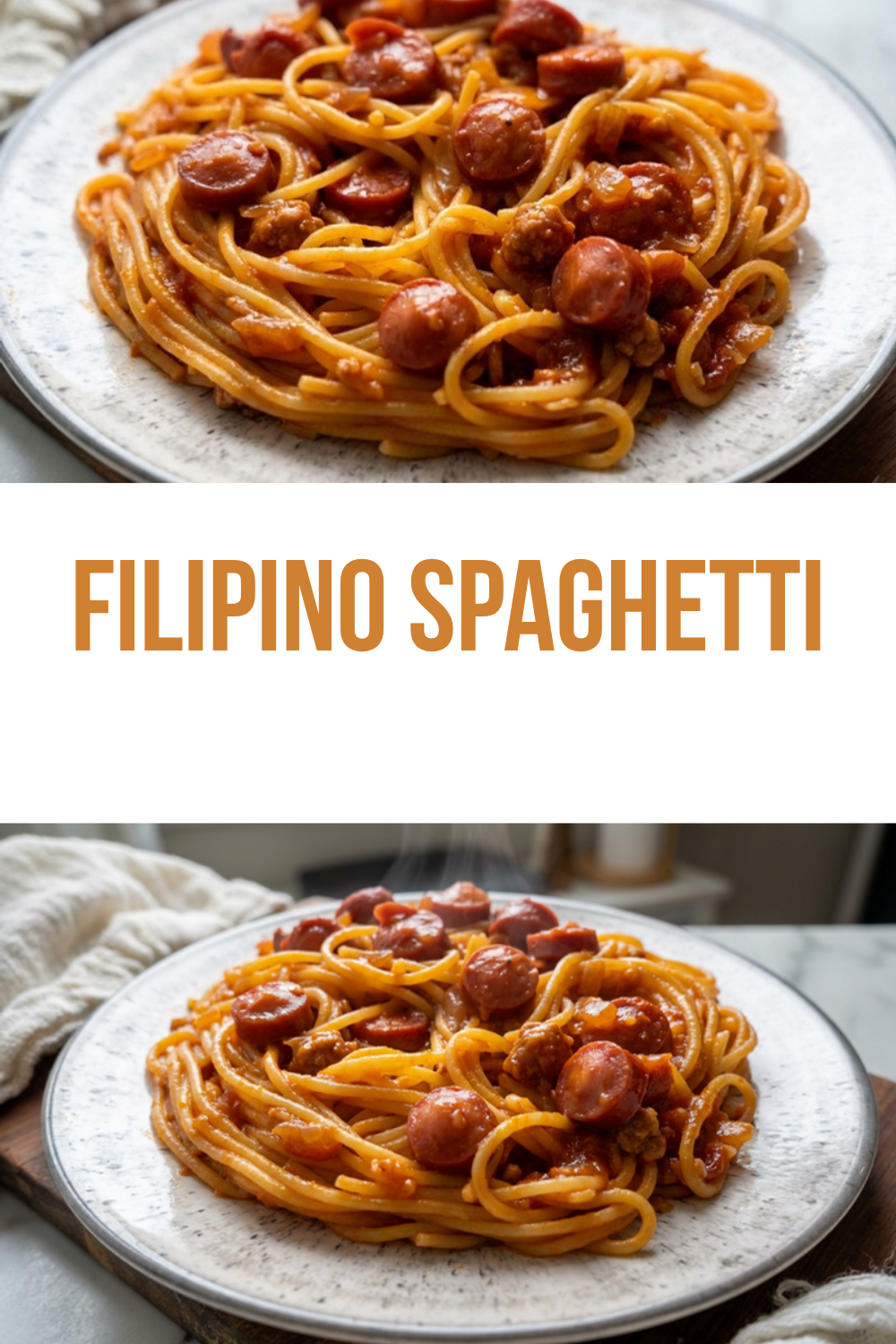
FAQs: Frequently Asked Questions About Filipino Spaghetti
What makes Filipino spaghetti different from Italian spaghetti?
Filipino spaghetti stands out with its sweet-savory sauce made from banana ketchup, sugar, and ground meat like pork or beef, often mixed with diced hotdogs and luncheon meat for extra texture and flavor. It skips the tomato-based marinara of Italian spaghetti, opting for a bold, candy-like taste popular in the Philippines. Topped generously with grated cheese like cheddar, it’s served with al dente noodles. This version reflects local ingredients and preferences, created in the 1970s at Jollibee fast-food chains. To make it at home, sauté garlic, onions, ground meat, hotdogs, and luncheon meat, then simmer with banana ketchup, soy sauce, beef broth, and sugar for 20-30 minutes. Cook spaghetti in salted water without oil, drain, and toss with sauce. Serves 6-8 in about 45 minutes total. (98 words)
Why is Filipino spaghetti sweet?
Filipino spaghetti gets its signature sweetness from banana ketchup and added sugar in the sauce, balancing the savory umami from ground meat, soy sauce, and broth. Banana ketchup, a Philippine staple made from saba bananas, provides a fruity tang unlike regular tomato ketchup. This sweet profile matches Filipino cuisine’s love for bold, contrasting flavors, similar to sweet-style adobo or barbecue. Recipes typically call for 1/2 to 1 cup sugar per pound of meat, adjustable to taste. Sauté aromatics first, brown the meat, then stir in 1-2 cups banana ketchup and simmer 20 minutes. Taste and tweak sugar last. Pair with extra cheese on top for creaminess. It’s kid-friendly and addictive—perfect for parties. (112 words)
Can I use ground beef instead of ground pork in Filipino spaghetti?
Yes, ground beef works great as a 1:1 substitute for ground pork in Filipino spaghetti, giving a richer, slightly bolder flavor that pairs well with the sweet sauce. Use 1 pound of lean ground beef (80/20 fat ratio ideal for juiciness). Skip boiling—sauté directly after garlic and onions over medium heat until browned, about 5-7 minutes, breaking it up with a spoon. Drain excess fat if needed, then add hotdogs, luncheon meat, banana ketchup, soy sauce, beef broth or cube dissolved in water, and sugar. Simmer 20-25 minutes for thick sauce. Beef holds up well to freezing too. Spam or corned beef can mix in for authenticity. Results in 6 servings. (108 words)
What can I substitute for banana ketchup in Filipino spaghetti?
If banana ketchup is unavailable, mix regular tomato ketchup with mashed ripe banana (1 banana per cup ketchup) and a teaspoon of vinegar for fruity sweetness, or use 1 cup tomato sauce plus 1/4 cup brown sugar and 2 tablespoons pineapple juice. For authenticity, order banana ketchup online or from Asian markets. Dissolve a beef or pork bouillon cube in 3-4 cups hot water as beef broth sub. Add all to browned meat, hotdogs, and diced luncheon meat (Spam works perfectly, 1 can diced). Simmer 20 minutes, stirring occasionally. This keeps the sweet-tangy profile intact. Adjust sugar to 1/2 cup. Toss with boiled spaghetti and top with 2 cups grated cheese. Freezes for 3 months. (114 words)
How do you cook spaghetti noodles for Filipino spaghetti?
Boil 1 pound spaghetti in 4-6 quarts salted water (1-2 tablespoons salt) until al dente, about 8-10 minutes—do not add oil, as it blocks sauce adhesion. Test by biting a noodle; it should have a firm bite. Drain immediately without rinsing to retain starch for sauce sticking. Meanwhile, prepare sauce: sauté garlic, onion, ground meat, hotdogs, and Spam, then add banana ketchup, soy sauce, broth sub, and sugar; simmer covered 20 minutes. Toss hot noodles with sauce over low heat for 1-2 minutes. Portion into bowls, top with 1/2 cup grated quick-melt cheese per serving. Keeps sauce glossy and flavorful. Total cook time: 30 minutes. Store leftovers in fridge up to 3 days; reheat with splash of water. (126 words)
Filipino Spaghetti
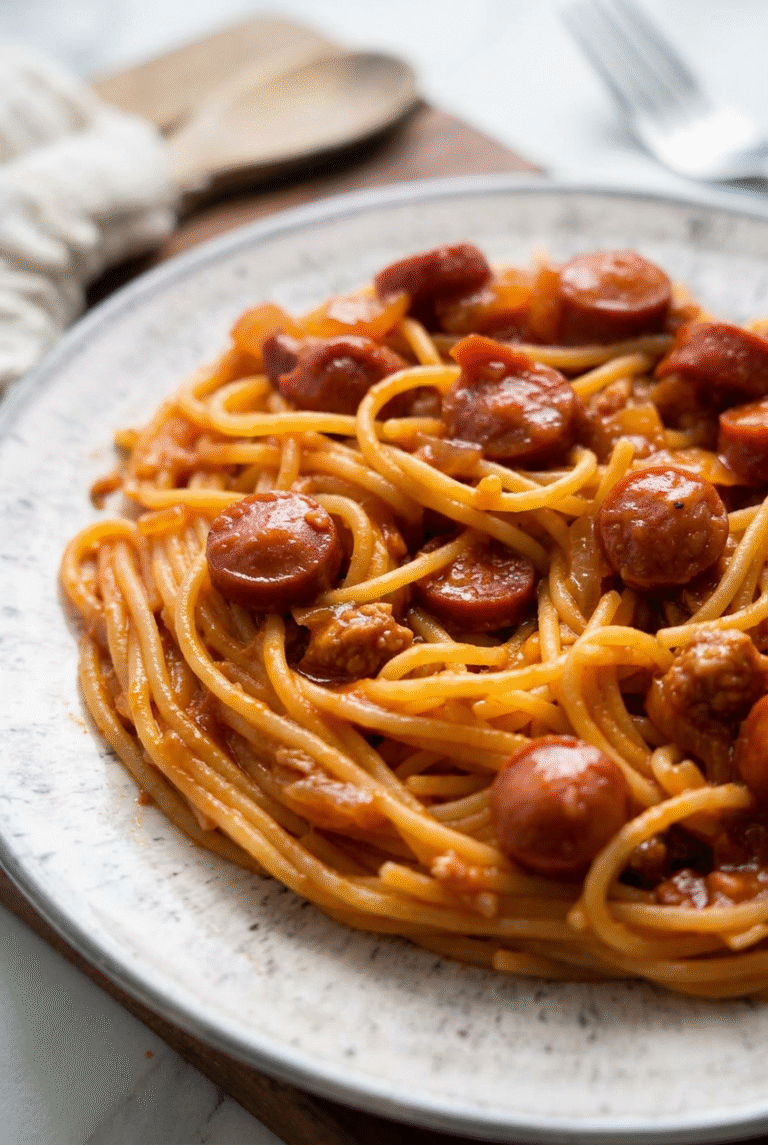
🍝 Dive into sweet-savory Filipino spaghetti loaded with ground pork, hotdogs, and melty cheese—irresistible family favorite unlike Italian versions.
🥘 Hearty, protein-packed dinner ready in 55 minutes, customizable meaty sauce that’s a hit with kids and perfect for gatherings.
- Total Time: 55 minutes
- Yield: 6 servings
Ingredients
– 2 lbs. spaghetti noodles
– 1 lb. ground pork
– 6 ounces luncheon meat, minced
– 4 pieces hotdogs or beef franks
– 35 ounces spaghetti sauce
– 1/2 cup shredded cheddar cheese
– 1 cup beef broth
– 1 medium onion, minced
– 1 teaspoon garlic, minced
– Salt and pepper to taste
– 3 tablespoons cooking oil
Instructions
1-First Step: Cooking the Spaghetti Noodles Fill your large pot with water and bring it to a rolling boil over high heat. Once the water is boiling vigorously, add 1-2 tablespoons of salt to season the noodles from within. Add the 2 lbs. of spaghetti noodles and cook according to package instructions, usually about 8-10 minutes for al dente texture. Once cooked, drain the noodles thoroughly and set them aside in a bowl, tossing gently to prevent sticking while you prepare the sauce.
2-Second Step: Preparing the Aromatics In your large skillet or pan, heat 3 tablespoons of cooking oil over medium heat. Once the oil is shimmering, add 1 medium onion that has been minced. Sauté for 2-3 minutes until the onion becomes translucent and fragrant. Next, add 1 teaspoon of minced garlic and continue sautéing for another minute until the garlic becomes aromatic but not browned. These aromatics form the flavor foundation for the entire dish.
3-Third Step: Cooking the Meats Add 1 lb. of ground pork to the pan with the aromatics. Break the meat apart with your spoon as it cooks, ensuring even browning. Cook until the pork is light brown and fully cooked through, approximately 5-7 minutes. This step develops the meat’s flavor through the Maillard reaction, creating those delicious browned bits that add depth to the sauce.
4-Fourth Step: Adding Processed Meats Once the pork is browned, add 6 ounces of minced luncheon meat and 4 sliced hotdogs or beef franks to the pan. Stir everything together and cook for 2 to 3 minutes. These processed meats contribute that distinctive Filipino spaghetti character, adding both texture and familiar flavors that make this dish so comforting and satisfying.
5-Fifth Step: Building the Sauce Pour in 35 ounces of spaghetti sauce and 1 cup of beef broth. Stir thoroughly to combine all ingredients, making sure to scrape up any flavorful browned bits from the bottom of the pan. Bring the mixture to a boil, then immediately reduce the heat to low. This initial boil helps marry the flavors quickly before the slow simmer process.
6-Sixth Step: Simmering to Perfection Cover the pan and let the sauce simmer gently for 30 minutes. This slow cooking period is crucial for flavor development, allowing the ingredients to meld together and the sauce to thicken to the perfect consistency. Stir occasionally to prevent sticking and ensure even heating. The aroma filling your kitchen will tell you something delicious is on the way!
7-Seventh Step: Seasoning for Perfect Balance After simmering, taste your sauce and season with salt and pepper to your preference. The spaghetti sauce and processed meats already contain salt, so add gradually and taste frequently. This final seasoning step allows you to customize the flavor profile to your exact liking.
8-Final Step: Assembly and Serving Pour the hot, flavorful sauce over your prepared spaghetti noodles. Toss gently to ensure every strand is coated in the delicious sauce. Transfer to serving bowls or a large platter and top with 1/2 cup of shredded cheddar cheese. The residual heat will slightly melt the cheese, creating that perfect gooey topping. Serve immediately while hot, and watch as your family and friends enjoy this comforting, flavorful dish!
Last Step:
Please leave a rating and comment letting us know how you liked this recipe! This helps our business to thrive and continue providing free, high-quality recipes for you.Notes
🧂 Salt boiling pasta water generously and use full rolling boil—no oil—to help sauce cling perfectly.
🫔 Swap cheddar for quickmelt or Edam cheese for authentic Filipino cheesy melt.
🍲 Simmer covered low and slow for deepest flavor infusion in the meaty sauce.
- Prep Time: 10 minutes
- Cook Time: 45 minutes
- Category: Main Dish
- Method: Stovetop
- Cuisine: Filipino
Nutrition
- Serving Size: 1/6 recipe
- Calories: 1003 kcal
- Sugar: 11g
- Sodium: 1525mg
- Fat: 37g
- Saturated Fat: 12g
- Unsaturated Fat: 25g
- Trans Fat: 0g
- Carbohydrates: 125g
- Fiber: 8g
- Protein: 41g
- Cholesterol: 84mg