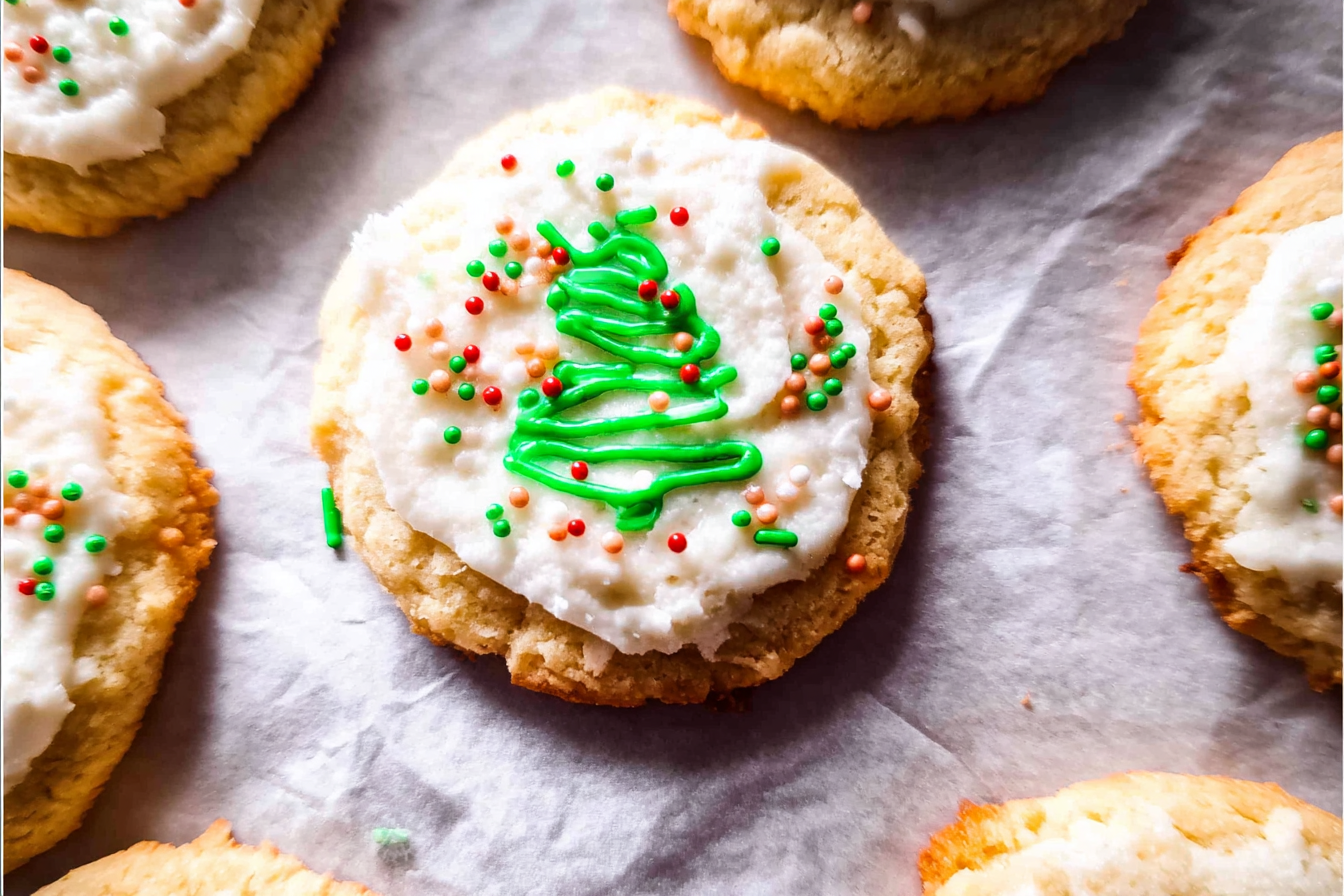
Why You’ll Love This Eggless Vanilla Sugar Cookies
If you’re looking for a delicious cookie recipe without eggs, you’ve come to the right place. These eggless vanilla sugar cookies are perfect for anyone with egg allergies, dietary restrictions, or simply those times when you’ve run out of eggs but still want to satisfy your sweet tooth. As a food enthusiast who loves creating simple yet delightful recipes, I’m excited to share this wonderful similar eggless cookie recipes that won’t disappoint. Here’s why this recipe stands out:- Ease of preparation: This recipe comes together in under 30 minutes with simple pantry ingredients you likely already have. No fancy equipment or techniques are needed, making it perfect for beginners and experienced bakers alike. The straightforward mixing method means you can have fresh, warm cookies in no time.
- Health benefits: Eggless vanilla sugar cookies offer a great alternative for those with egg allergies or dietary restrictions. By using yogurt as a substitute, you’re adding a touch of protein and beneficial probiotics to your treats. Plus, these cookies are lower in cholesterol than traditional recipes.
- Versatility: This egg-free sugar cookie recipe serves as an excellent base for various dietary needs. Whether you need to make them vegan, gluten-free, or just want to add different flavors, this recipe adapts beautifully. You can customize them with sprinkles, food coloring for holidays, or various extracts to create your perfect cookie.
- Distinctive flavor: Despite being eggless, these cookies maintain that classic vanilla sugar cookie taste everyone loves. The combination of real vanilla extract with just the right amount of sweetness creates a buttery, melt-in-your-mouth texture that rivals any traditional recipe.
“Nothing says comfort like a warm, freshly baked sugar cookie. This eggless version proves you don’t need to sacrifice taste or texture when adapting recipes for dietary needs.”
Jump To
- 1. Why You’ll Love This Eggless Vanilla Sugar Cookies
- 2. Essential Ingredients for Eggless Vanilla Sugar Cookies
- 3. How to Prepare the Perfect Eggless Vanilla Sugar Cookies: Step-by-Step Guide
- 4. Dietary Substitutions to Customize Your Eggless Vanilla Sugar Cookies
- 5. Mastering Eggless Vanilla Sugar Cookies: Advanced Tips and Variations
- 6. How to Store Eggless Vanilla Sugar Cookies: Best Practices
- 7. FAQs: Frequently Asked Questions About Eggless Vanilla Sugar Cookies
- 8. Eggless Vanilla Sugar Cookies
Essential Ingredients for Eggless Vanilla Sugar Cookies
The key to successful eggless vanilla sugar cookies is using the right ingredients in the correct proportions. Each component plays a specific role in creating the perfect texture and flavor. Here’s what you’ll need:Main Ingredients
- 1 cup softened butter – Provides richness, flavor, and helps create a tender texture
- 1 cup granulated sugar – Sweetens the cookies and creates a slightly crispy exterior
- 2 tablespoons plain yogurt or milk mixed with 1 teaspoon vinegar – Acts as the egg substitute, providing moisture and binding
- 1 teaspoon vanilla extract – Adds classic vanilla flavor and enhances overall taste
- 2 1/2 cups all-purpose flour – Forms the structure of the cookies
- 1/2 teaspoon baking powder – Helps the cookies rise slightly for a light texture
- 1/4 teaspoon salt – Balances sweetness and enhances other flavors
Special Dietary Options
| Dietary Need | Substitutions |
|---|---|
| Vegan | Use plant-based butter or coconut oil, dairy-free yogurt or milk with vinegar, and ensure your sugar is vegan-friendly |
| Gluten-free | Replace all-purpose flour with a 1:1 gluten-free flour blend that includes xanthan gum |
| Low-calorie | Use a sugar substitute like erythritol or stevia, and reduce butter slightly (note: this may change texture) |
“Quality ingredients make all the difference in baking. Using pure vanilla extract rather than imitation will give your cookies a much richer flavor profile.”
How to Prepare the Perfect Eggless Vanilla Sugar Cookies: Step-by-Step Guide
Creating beautiful and delicious eggless vanilla sugar cookies is easier than you might think. Follow these detailed instructions, and you’ll have perfect cookies every time. This recipe yields 24 cookies that are perfect for sharing with family and friends.Preparation and Ingredient Readiness
First Step: Prepare Your Ingredients
Before you begin mixing, ensure all your ingredients are at room temperature. This is especially important for the butter, as softened butter incorporates much better with sugar than cold butter. Measure all ingredients precisely using proper measuring cups and spoons. For flour, use the spoon-and-level method to avoid packing too much into your measuring cup. Line two baking sheets with parchment paper or silicone baking mats to prevent sticking and ensure even baking. Preheat your oven to 350°F (175°C) so it’s ready when your cookie dough is prepared.Second Step: Cream the Butter and Sugar
In a large mixing bowl, beat 1 cup of softened butter with 1 cup of granulated sugar until the mixture is light and fluffy. This process typically takes about 2-3 minutes if using an electric mixer, or about 4-5 minutes if beating by hand. This step is crucial because it incorporates air into the mixture, which helps create a lighter texture in your finished cookies. The mixture should become pale in color and noticeably increased in volume. Don’t rush this step, as proper creaming significantly impacts the final texture of your eggless sugar cookies.Third Step: Add the Egg Substitute and Vanilla
In a small bowl, mix 2 tablespoons of plain yogurt (or milk) with 1 teaspoon of vinegar and let it sit for about 5 minutes. This mixture will curdle slightly, creating a buttermilk-like consistency that mimics the binding properties of eggs. Add this mixture to your creamed butter and sugar along with 1 teaspoon of vanilla extract. Beat well until fully incorporated. The vinegar in the yogurt mixture will react with the baking powder later to help the cookies rise, giving them that perfect slightly puffy look.Fourth Step: Incorporate the Dry Ingredients
In a separate medium bowl, whisk together 2 1/2 cups of all-purpose flour, 1/2 teaspoon of baking powder, and 1/4 teaspoon salt. This step ensures that the leavening agent is evenly distributed throughout the flour, which helps your cookies bake uniformly. Gradually add the dry ingredients to your wet mixture, mixing on low speed or by hand just until combined. Be careful not to overmix at this stage, as overworking the dough can lead to tough cookies. The dough should come together in a soft ball but should not be sticky. If it’s too sticky, add another tablespoon of flour. If it’s too dry, add a teaspoon of milk.Shaping and Baking
Fifth Step: Chill the Dough
Once your dough is formed, wrap it in plastic wrap and refrigerate for at least 30 minutes. This chilling period is essential for eggless dough as it helps firm up the butter, which prevents the cookies from spreading too much during baking. Chilled dough also makes it easier to roll out and cut into shapes if you’re making decorative cookies. This step is particularly important in warmer months or if your kitchen is particularly warm. If you’re short on time, you can place the dough in the freezer for 15-20 minutes instead.Sixth Step: Shape and Cut the Cookies
After chilling, remove the dough from the refrigerator. On a lightly floured surface, roll out the dough to a thickness of about 1/4 inch for softer cookies or 1/8 inch for crispier ones. Use cookie cutters to cut out your desired shapes. For classic round cookies, you can simply scoop tablespoons of dough and roll them into balls, then flatten slightly with the bottom of a glass dipped in sugar. Place the cookies on your prepared baking sheets, leaving about 2 inches of space between each to allow for spreading. If the dough becomes too soft to work with, return it to the refrigerator for a few minutes.Final Step: Bake and Cool
Bake your shaped cookies in the preheated oven at 350°F (175°C) for 8-10 minutes. The baking time depends on your preferred texture and the thickness of your cookies. For softer cookies, remove them when the edges are just beginning to turn golden but the centers still look slightly underbaked. For crispier cookies, bake until the edges and centers are a light golden color. The cookies will continue to cook slightly on the hot baking sheet after removing from the oven, so it’s better to underbake than overbake. Let the cookies cool on the baking sheet for 2-3 minutes before transferring them to a wire rack to cool completely. This cooling period helps them set and prevents breaking.“The key to perfect sugar cookies is watching them closely in the final minutes of baking. A minute too long can mean the difference between soft and crispy.”
Dietary Substitutions to Customize Your Eggless Vanilla Sugar Cookies
One of the wonderful things about this recipe is its adaptability. Whether you have allergies, dietary preferences, or just ingredient limitations, you can easily customize these cookies to suit your needs without sacrificing taste or texture.Protein and Main Component Alternatives
The egg substitute in this recipe is perhaps the most critical component to get right. While the recipe calls for yogurt mixed with vinegar, there are several alternatives that work well:- Flax Egg: Mix 1 tablespoon of ground flaxseed with 3 tablespoons of water and let it rest for 5 minutes until it becomes gelatinous. This works best in recipes with a stronger flavor profile, as it may add a slight nutty taste.
- Applesauce: Use 1/4 cup of unsweetened applesauce per egg you’re replacing. This adds natural sweetness and moisture, though you may want to reduce the sugar in the recipe slightly to compensate.
- Mashed Banana: Similar to applesauce, use 1/4 cup of mashed banana per egg. This will add a subtle banana flavor, which works wonderfully in some variations but may not be desired for classic vanilla cookies.
- Aquafaba: The liquid from a can of chickpeas can be whipped and used as an egg replacer. Use 3 tablespoons of aquafaba per egg. This creates cookies with slightly crispier edges.
Vegetable, Sauce, and Seasoning Modifications
For those looking to change the flavor profile or work with ingredient restrictions, there are numerous modifications you can make:- Dairy-Free Options: Substitute the butter with an equal amount of coconut oil, vegan butter, or even a high-quality olive oil for a unique twist. Replace the yogurt with a dairy-free alternative like almond or coconut yogurt, or use more plant milk with vinegar.
- Flavor Variations: While vanilla is classic, you can easily swap this for other extracts. Almond, lemon, orange, or peppermint extracts work beautifully. Add citrus zest for brightness, or spices like cinnamon, nutmeg, or cardamom for warmth.
- Add-Ins: Consider mixing in chocolate chips, chopped nuts, dried fruits, or sprinkles for added texture and visual appeal. These additions should be folded in gently after the dough is fully mixed.
“Baking is both science and art. Understanding how each ingredient contributes to the final result helps you confidently make substitutions that will enhance rather than compromise your recipe.”
Mastering Eggless Vanilla Sugar Cookies: Advanced Tips and Variations
Once you’ve mastered the basic recipe, there are many ways to take your eggless vanilla sugar cookies to the next level. These advanced techniques and creative variations will help you create cookies that truly impress.Pro Cooking Techniques
The temperature of your ingredients plays a crucial role in the final outcome of your cookies. Room temperature ingredients create a homogenous dough that bakes evenly. If you forget to take your butter out ahead of time, you can soften it in the microwave for just 5-10 seconds, but be careful not to melt it. For extra tender cookies, consider adding 1-2 tablespoons of cornstarch to your flour mixture. This creates a more delicate crumb and helps keep the cookies soft for longer. Another professional technique is to weight your ingredients using a kitchen scale rather than using volume measurements. This ensures accuracy and consistency batch after batch.Flavor Variations
While traditional vanilla sugar cookies are delightful, experimenting with different flavors can yield exciting results. Try splitting your dough and coloring different portions with food coloring to create fun, multi-colored swirls. For a sophisticated twist, add 1/2 teaspoon of cardamom or cinnamon to the dough for warmth and depth. Citrus lovers can add the zest of one lemon or orange along with a teaspoon of corresponding extract. Chocolate lovers might add 2 tablespoons of cocoa powder to the dough (reducing the flour by the same amount) for a chocolate vanilla hybrid that’s absolutely delicious. For a grown-up version, try adding 1 tablespoon of liqueur like Grand Marnier or Amaretto along with the vanilla extract.Presentation Tips
Beautiful presentation transforms simple cookies into show-stopping treats. For a professional look, consider creating a simple glaze by mixing powdered sugar with a little milk and vanilla extract until it reaches your desired consistency. Dip cooled cookies halfway into the glaze and let them dry on a rack. Sprinkle with edible glitter, nonpareils, or toasted nuts immediately after glazing while still wet. For a more rustic appearance, brush the edges of the cookies with egg wash (or a milk wash for eggless versions) and dip them in colored sugar before baking. This creates a beautiful, sparkling border that frames the cookie perfectly. For special occasions, use stencils to dust powdered sugar designs onto cooled cookies for an elegant finish.Make-Ahead Options
Planning ahead makes baking much more manageable, especially during busy holiday seasons. The dough for these eggless vanilla sugar cookies can be prepared up to 3 days in advance and stored in the refrigerator, or frozen for up to 3 months. If freezing, form the dough into a disc, wrap tightly in plastic wrap, and place in a freezer-safe bag. When ready to use, thaw in the refrigerator overnight. You can also scoop individual cookie dough balls and freeze them on a baking sheet before transferring to a freezer bag. This allows you to bake just a few cookies at a time whenever the craving strikes, adding 1-2 minutes to the baking time since they’ll be frozen. Another make-ahead strategy is to bake the cookies completely and freeze them in airtight containers with parchment paper between layers. They’ll keep for 2-3 months and can be thawed at room temperature for 30 minutes before serving.“Great baking is about preparation as much as execution. Taking time to prepare ahead can transform a stressful experience into an enjoyable creative process.”
How to Store Eggless Vanilla Sugar Cookies: Best Practices
Proper storage ensures your eggless vanilla sugar cookies maintain their delicious texture and flavor for as long as possible. Here are the best methods for keeping your cookies fresh and ready to enjoy.Refrigeration
While eggless sugar cookies can be stored at room temperature, refrigeration can extend their freshness, especially in warm or humid climates. Place cooled cookies in an airtight container with layers of parchment paper between them to prevent sticking. They will stay fresh for up to a week in the refrigerator. Before serving, bring them to room temperature for about 15-20 minutes for the best texture. If you’ve decorated the cookies with frosting or glaze, be aware that refrigeration might cause the moisture to make the decorations weep or become sticky. In this case, a cool, dry pantry might be preferable to refrigeration.Freezing
For longer storage, freezing is an excellent option that preserves both texture and flavor. For whole baked cookies, arrange them in a single layer on a baking sheet and freeze until solid (about 1-2 hours). Then transfer to a freezer-safe container or bag with parchment paper between layers. They’ll maintain quality for 2-3 months. To thaw, simply remove the desired number of cookies and let them come to room temperature on the counter for 30 minutes. Alternatively, you can warm frozen cookies in a 300°F oven for 5-7 minutes for that fresh-baked taste. For unbaked dough, form it into a disc, wrap tightly in plastic, then place in a freezer bag. It will keep for up to 3 months. Thaw in the refrigerator overnight before rolling and baking.Reheating
While these delicious cookies are perfect at room temperature, gently reheating them can bring back that fresh-from-the-oven warmth and aroma. Preheat your oven to 300°F (150°C) and place the cookies on a baking sheet for 3-5 minutes until just warmed through. Be careful not to overheat, as this can dry them out. For a quicker method, you can microwave individual cookies for 5-10 seconds, but be aware this may soften the texture slightly. Reheating works best for plain cookies without elaborate decorations, as icing or toppings may melt or become sticky with heat.Meal Prep Considerations
If you’re baking these cookies as part of meal prep or for a future event, consider how you’ll package and store them. For easy access, portion cookies into smaller bags or containers representing single servings or the amount you’d typically eat at once. This prevents repeatedly opening and closing the main storage container, which can introduce moisture and affect freshness. Label all containers with the date baked so you can keep track of how long they’ve been stored. If giving as gifts, wrap cookies in cellophane bags or decorative boxes with a piece of bread inside to help maintain moisture and freshness for a few days. These thoughtful touches show care and attention to detail that recipients will appreciate.“Proper storage is the unsung hero of successful baking. With the right techniques, you can enjoy homemade cookies whenever the craving strikes.”

FAQs: Frequently Asked Questions About Eggless Vanilla Sugar Cookies
How do you make eggless vanilla sugar cookies from scratch?
Making eggless vanilla sugar cookies is simple with pantry staples. Cream 1 cup softened butter with 1 cup granulated sugar until fluffy (about 2 minutes). Add 2 tablespoons plain yogurt or milk mixed with 1 teaspoon vinegar as the egg substitute for binding. Mix in 1 teaspoon vanilla extract, then gradually add 2 1/2 cups all-purpose flour, 1/2 teaspoon baking powder, and 1/4 teaspoon salt. Chill dough for 30 minutes. Roll out to 1/4-inch thickness, cut shapes, and bake at 350°F (175°C) for 8-10 minutes until edges are lightly golden. Cool on a rack. This yields 24 cookies that stay soft for days. No mixer needed—use a spoon for everything. Perfect for beginners or egg allergies. (92 words)
What can I substitute for eggs in vanilla sugar cookies?
The best egg substitutes for vanilla sugar cookies are plain yogurt (2 tablespoons per egg) or a flax egg (1 tablespoon ground flaxseed + 3 tablespoons water, rested 5 minutes). Yogurt adds moisture and tenderness without altering flavor, mimicking egg’s role in binding fat and flour. For dairy-free, use applesauce (1/4 cup) or mashed banana (1/4 cup), but reduce sugar slightly to balance sweetness. Aquafaba (3 tablespoons whipped) works for crispier edges. Test one substitute first—yogurt yields the closest classic texture. Always chill dough 30 minutes post-mixing to prevent spreading. These options keep cookies chewy and sliceable. (98 words)
Are eggless vanilla sugar cookies soft or crispy?
Eggless vanilla sugar cookies can be both soft or crispy based on tweaks. For soft, use yogurt substitute, add 1 extra tablespoon butter, and bake 7-8 minutes at 350°F—remove when centers look set but pale. Store in an airtight container with a slice of bread to retain moisture up to a week. For crispy, swap half the butter for shortening, roll thinner (1/8-inch), and bake 10-12 minutes until fully golden. Cornstarch (1 tablespoon in dough) boosts snap. High altitude? Increase flour by 2 tablespoons. Taste-test batches to dial in your preference—most love the soft, chewy middle with crisp edges. (102 words)
How do you store eggless vanilla sugar cookies?
Store eggless vanilla sugar cookies in an airtight container at room temperature for up to 5 days—they stay fresh thanks to the yogurt binder. Layer with parchment to prevent sticking. For longer storage, freeze baked cookies in a zip-top bag for 2 months; thaw at room temp for 30 minutes. Dough freezes well too—portion into balls, freeze on a tray, then bag for 3 months. Bake straight from freezer, adding 1-2 minutes. Avoid fridge humidity, which toughens them. Label with dates for easy tracking. This method preserves vanilla flavor and texture perfectly. (89 words)
Can eggless vanilla sugar cookies be made vegan?
Yes, eggless vanilla sugar cookies are easy to make fully vegan. Use plant-based butter or coconut oil (1 cup), dairy-free milk like almond or oat (2 tablespoons + 1 teaspoon vinegar), and ensure vanilla extract is alcohol-free if needed. Swap granulated sugar for coconut sugar if avoiding refined. Follow the same recipe: cream fats and sugar, add wet ingredients, then dry. Chill, roll, and bake at 350°F for 8-10 minutes. Results are identical in taste and rollability. Decorate with royal icing made from aquafaba. Great for holidays—makes 24 cookies with zero animal products. (94 words)

Eggless Vanilla Sugar Cookies
🍪✨ Egg-free sugar cookies deliver classic soft chewiness and sweet vanilla bliss – perfect for egg allergies or vegan swaps!
🌟 Simple no-fail recipe yields cutouts or drops ideal for holidays, parties, or everyday treats without compromise.
- Total Time: 1 hour 30 minutes
- Yield: 24 cookies
Ingredients
– 1 cup softened butter for richness, flavor, and tender texture
– 1 cup granulated sugar for sweetening and crispy exterior
– 2 tablespoons plain yogurt or milk mixed with 1 teaspoon vinegar for egg substitute, moisture, and binding
– 1 teaspoon vanilla extract for vanilla flavor
– 2 1/2 cups all-purpose flour for structure
– 1/2 teaspoon baking powder for light texture
– 1/4 teaspoon salt for balancing sweetness
Instructions
1-First Step: Prepare Your Ingredients Before you begin mixing, ensure all your ingredients are at room temperature. This is especially important for the butter, as softened butter incorporates much better with sugar than cold butter. Measure all ingredients precisely using proper measuring cups and spoons. For flour, use the spoon-and-level method to avoid packing too much into your measuring cup. Line two baking sheets with parchment paper or silicone baking mats to prevent sticking and ensure even baking. Preheat your oven to 350°F (175°C) so it’s ready when your cookie dough is prepared.
2-Second Step: Cream the Butter and Sugar In a large mixing bowl, beat 1 cup of softened butter with 1 cup of granulated sugar until the mixture is light and fluffy. This process typically takes about 2-3 minutes if using an electric mixer, or about 4-5 minutes if beating by hand. This step is crucial because it incorporates air into the mixture, which helps create a lighter texture in your finished cookies. The mixture should become pale in color and noticeably increased in volume. Don’t rush this step, as proper creaming significantly impacts the final texture of your eggless sugar cookies.
3-Third Step: Add the Egg Substitute and Vanilla In a small bowl, mix 2 tablespoons of plain yogurt (or milk) with 1 teaspoon of vinegar and let it sit for about 5 minutes. This mixture will curdle slightly, creating a buttermilk-like consistency that mimics the binding properties of eggs. Add this mixture to your creamed butter and sugar along with 1 teaspoon of vanilla extract. Beat well until fully incorporated. The vinegar in the yogurt mixture will react with the baking powder later to help the cookies rise, giving them that perfect slightly puffy look.
4-Fourth Step: Incorporate the Dry Ingredients In a separate medium bowl, whisk together 2 1/2 cups of all-purpose flour, 1/2 teaspoon of baking powder, and 1/4 teaspoon salt. This step ensures that the leavening agent is evenly distributed throughout the flour, which helps your cookies bake uniformly. Gradually add the dry ingredients to your wet mixture, mixing on low speed or by hand just until combined. Be careful not to overmix at this stage, as overworking the dough can lead to tough cookies. The dough should come together in a soft ball but should not be sticky. If it’s too sticky, add another tablespoon of flour. If it’s too dry, add a teaspoon of milk.
5-Fifth Step: Chill the Dough Once your dough is formed, wrap it in plastic wrap and refrigerate for at least 30 minutes. This chilling period is essential for eggless dough as it helps firm up the butter, which prevents the cookies from spreading too much during baking. Chilled dough also makes it easier to roll out and cut into shapes if you’re making decorative cookies. This step is particularly important in warmer months or if your kitchen is particularly warm. If you’re short on time, you can place the dough in the freezer for 15-20 minutes instead.
6-Sixth Step: Shape and Cut the Cookies After chilling, remove the dough from the refrigerator. On a lightly floured surface, roll out the dough to a thickness of about 1/4 inch for softer cookies or 1/8 inch for crispier ones. Use cookie cutters to cut out your desired shapes. For classic round cookies, you can simply scoop tablespoons of dough and roll them into balls, then flatten slightly with the bottom of a glass dipped in sugar. Place the cookies on your prepared baking sheets, leaving about 2 inches of space between each to allow for spreading. If the dough becomes too soft to work with, return it to the refrigerator for a few minutes.
7-Final Step: Bake and Cool Bake your shaped cookies in the preheated oven at 350°F (175°C) for 8-10 minutes. The baking time depends on your preferred texture and the thickness of your cookies. For softer cookies, remove them when the edges are just beginning to turn golden but the centers still look slightly underbaked. For crispier cookies, bake until the edges and centers are a light golden color. The cookies will continue to cook slightly on the hot baking sheet after removing from the oven, so it’s better to underbake than overbake. Let the cookies cool on the baking sheet for 2-3 minutes before transferring them to a wire rack to cool completely. This cooling period helps them set and prevents breaking.
Last Step:
Please leave a rating and comment letting us know how you liked this recipe! This helps our business to thrive and continue providing free, high-quality recipes for you.Notes
❄️ Chill dough fully for easy rolling without sticking.
🥄 Don’t overmix – keeps cookies tender, not tough.
🎨 Room temp butter creams best for even texture.
- Prep Time: 15 minutes
- Chill: 1 hour
- Cook Time: 10 minutes
- Category: Dessert
- Method: Bake
- Cuisine: American
- Diet: Vegetarian
Nutrition
- Serving Size: 1 cookie
- Calories: 140 kcal
- Sugar: 12g
- Sodium: 100mg
- Fat: 6g
- Saturated Fat: 4g
- Unsaturated Fat: 2g
- Trans Fat: 0g
- Carbohydrates: 20g
- Fiber: 0.5g
- Protein: 2g
- Cholesterol: 15mg