Why You’ll Love This Dutch Oven Recipes
Dutch oven recipes are a game-changer for home cooks like you, offering meals that are both satisfying and simple to make. They highlight the versatility of Dutch ovens, which are heavy-duty pots perfect for creating dishes such as hearty soups, stews, and breads in one go. With excellent heat retention and the ability to capture moisture, these pots make cooking a breeze, whether you’re simmering a vegetable-packed cabbage soup or baking artisan bread with a crisp crust.
One reason you’ll love these recipes is their ease of preparation. For instance, the Dutch oven cabbage soup recipe is designed for simplicity, allowing even busy parents or students to whip up a nourishing meal quickly with minimal active time. Beyond that, these recipes bring health benefits by focusing on nutritious ingredients like fresh vegetables, beans, and herbs, which provide vitamins and minerals while keeping things plant-based and low in unhealthy fats.
What’s more, the versatility of Dutch oven recipes means you can adapt them to fit various dietary needs, such as vegan or gluten-free options, by swapping ingredients as needed. The slow cooking method enhances flavors, giving you a distinctive, aromatic dish that’s far from ordinary and perfect for food enthusiasts or diet-conscious individuals. If you’re looking for ways to explore more, check out our zucchini corn chowder recipe for another cozy option that complements your Dutch oven adventures.
Benefits of Using a Dutch Oven
Dutch ovens excel on the stovetop and in the oven, making them ideal for a wide range of meals from creamy vegan soups to hearty stews. They come in various sizes, so you can pick one for everyday use or special occasions, and many are made of cast iron that’s coated for easy cleaning. These pots last a lifetime with proper care, offering durable performance that’s perfect for working professionals or seniors who want reliable kitchen tools.
For example, you can use a Dutch oven to make basic recipes like roasted potatoes as a side or slow-simmered white beans for a comforting one-pot meal. This flexibility helps with meal prep, saving time and reducing cleanup, which is why they’re a favorite among home cooks. Plus, with options like affordable cast-iron models, you get quality without breaking the bank.
Jump To
- 1. Why You’ll Love This Dutch Oven Recipes
- 2. Essential Ingredients for Dutch Oven Recipes
- 3. How to Prepare the Perfect Dutch Oven Recipes: Step-by-Step Guide
- 4. Dietary Substitutions to Customize Your Dutch Oven Recipes
- 5. Mastering Dutch Oven Recipes: Advanced Tips and Variations
- 6. How to Store Dutch Oven Recipes: Best Practices
- 7. FAQs: Frequently Asked Questions About Dutch Oven Recipes
- 8. Dutch Oven Recipes
Essential Ingredients for Dutch Oven Recipes
When diving into Dutch oven recipes, starting with the right ingredients makes all the difference in creating a flavorful, hearty meal. For the Dutch oven cabbage soup, we’ve gathered a list of everything you need, focusing on fresh, plant-based items that come together easily. This recipe highlights secondary keywords like “Dutch oven soup” and “cabbage soup” by showing how simple ingredients can lead to amazing results.
Ingredients for Dutch Oven Cabbage Soup
- 2 tablespoons oil
- 2 carrots, chopped
- 1 medium yellow onion, diced
- 1 celery rib, diced
- 2 tablespoons vinegar
- 2 (14.5-ounce) cans fire-roasted diced tomatoes
- 4 cups broth
- 1 (15.5-ounce) can cooked white beans, drained and rinsed
- 4 garlic cloves, grated
- 2 Yukon gold potatoes, diced
- 1 small green cabbage (about 1 pound or 9 cups chopped)
- 1 teaspoon thyme
- ¾ teaspoon salt
- Freshly ground pepper to taste
- Fresh parsley for garnish
This structured list ensures you have precise measurements for an easy shopping trip, making your hearty homemade cabbage soup a success. By incorporating long-tail keywords like “Dutch oven cabbage soup recipes,” we emphasize how these ingredients create a nourishing, vegetable-rich dish that’s perfect for fall or winter meals.
How to Prepare the Perfect Dutch Oven Recipes: Step-by-Step Guide
Getting started with Dutch oven recipes is straightforward, and we’ll walk you through it using the cabbage soup as our main example for “hearty soup recipes.” This method showcases the pot’s ability to handle even heat, resulting in tender vegetables and deep flavors. Begin by gathering your tools and ingredients to keep things organized and fun.
- First, prepare all ingredients by washing, chopping, and measuring them for a smooth cooking process.
- Heat the Dutch oven over medium heat and add the oil. Add the carrots, onion, celery, salt, and pepper, then cook while stirring occasionally for about 8 minutes.
- Add the vinegar and stir it in, followed by the tomatoes, broth, beans, garlic, potatoes, cabbage, and thyme.
- Cover the pot and let it simmer for 20 to 30 minutes until the potatoes and cabbage become tender.
- Once done, season to taste and garnish with fresh parsley before serving hot.
- For variations, you can add plant-based proteins or other vegetables like sweet potatoes or kale to customize your “Dutch oven recipes for cabbage soup.”
This step-by-step approach, with a preparation time of 15 minutes prep and 35 minutes cook, makes it accessible for newlyweds or baking enthusiasts. The result is a plant-based meal that’s rich in vegetables, beans, and broth, offering both comfort and nutrition.
Dietary Substitutions to Customize Your Dutch Oven Recipes
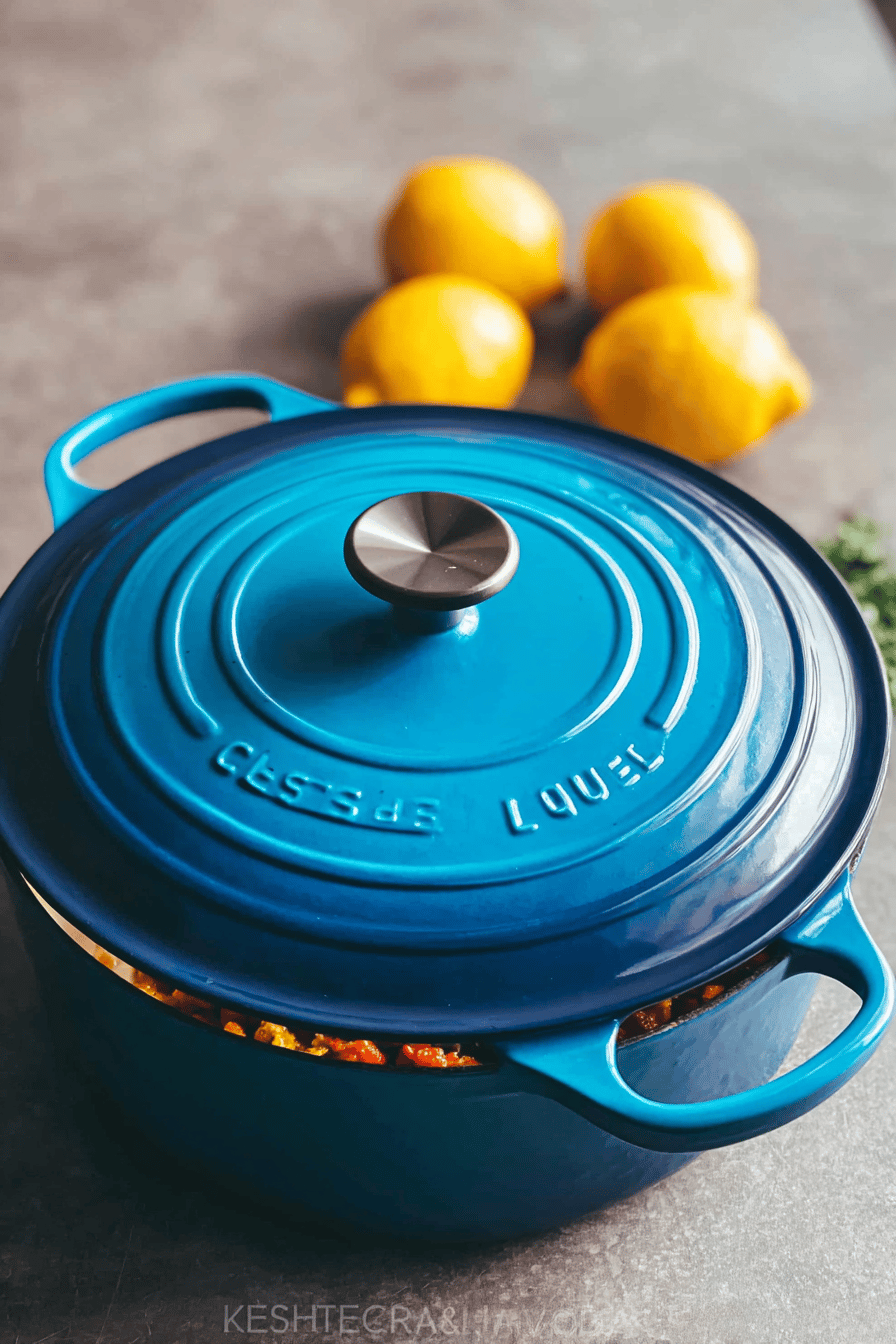
Making Dutch oven recipes work for your lifestyle is easy with a few smart swaps, especially for long-tail searches like “easy Dutch oven cabbage soup.” Whether you’re aiming for vegan options or something lighter, these changes keep the dish tasty and inclusive. For instance, the cabbage soup base allows for flexibility without losing its hearty appeal.
- Replace beans with lentils for a different protein source in vegan adaptations.
- Use gluten-free broth to suit those with sensitivities while maintaining the soup’s flavor.
- Swap regular tomatoes for fresh ones to add a twist, as suggested in our tips for depth of flavor.
- Adjust seasonings like adding ginger or sage for a warming touch in fall varieties.
These modifications ensure your meals align with needs for diet-conscious individuals, turning basic recipes into personalized favorites. Plus, by incorporating available veggies like zucchini or broccoli, you can vary the soup each time for endless fun.
Mastering Dutch Oven Recipes: Advanced Tips and Variations
Once you’re comfortable with basics, take your Dutch oven recipes to the next level with these pro tips that enhance your “Dutch oven cabbage soup” and beyond. Preheating the pot helps achieve even browning, locking in flavors for dishes like creamy vegan soups or complex chilis. Experimenting with herbs and spices, such as rosemary or curry powder, adds unique twists to your meals.
Flavor and Presentation Ideas
For better results, garnish with fresh herbs like parsley to brighten up your dish, making it visually appealing for family dinners. A table can help track variations:
| Variation Type | Key Ingredients | Benefits |
|---|---|---|
| Vegan Option | Blended beans, potatoes, miso | Extra savory depth and creaminess |
| Winter Version | Ginger, sage, rosemary | Warms and comforts on cold days |
| Seasonal Twist | Sweet potatoes, kale | Increases nutrition and variety |
Make-ahead options like preparing the soup up to simmering and freezing it keep meals ready, ideal for travelers or working professionals.
How to Store Dutch Oven Recipes: Best Practices
Proper storage keeps your Dutch oven creations fresh and tasty, extending the life of dishes like your cabbage soup. After cooking, let leftovers cool before storing to maintain flavor and texture. For short-term use, refrigerate in airtight containers for up to 3-4 days, which is perfect for busy weeks.
Freezing is great for longer storage, allowing you to keep portions for up to 3 months without losing quality. When reheating, do so gently on low heat to preserve the soup’s moisture and taste. These practices make meal prep simple and ensure you always have a hearty option on hand.
FAQs: Frequently Asked Questions About Dutch Oven Recipes
What is a Dutch oven and how does it work?
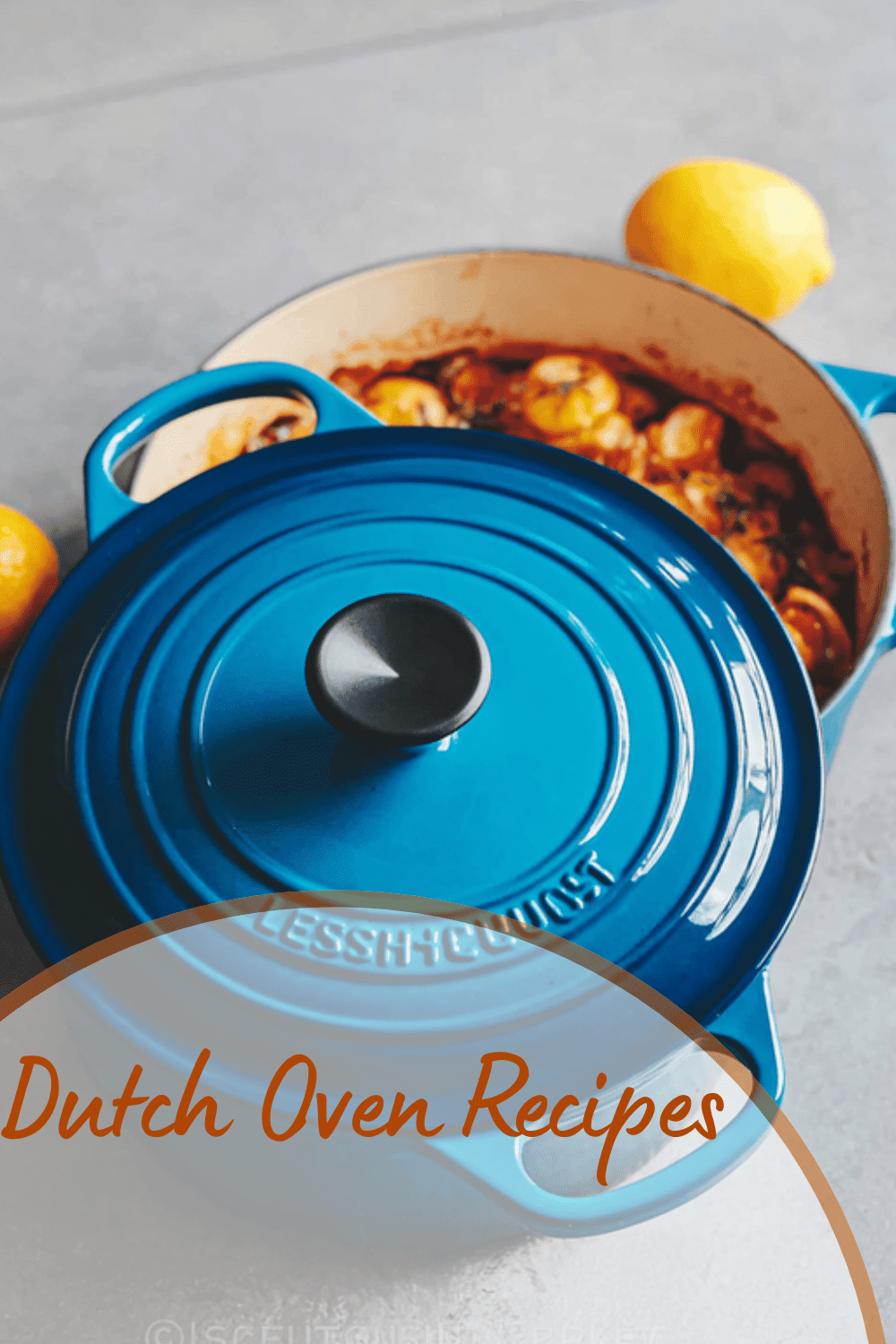
A Dutch oven is a heavy pot with thick walls and a tight-fitting lid, typically made from cast iron or enameled cast iron. It works by evenly distributing and retaining heat, which makes it ideal for slow cooking, braising, roasting, baking, and frying. The lid traps moisture inside, helping keep food tender and flavorful, whether used on the stovetop or in the oven.
Can I use a Dutch oven to bake bread at home?
Yes, baking bread in a Dutch oven is popular because it creates a steamy environment inside the pot. This moisture helps the dough rise better and produces a crispy crust with a soft, airy interior. Preheat the Dutch oven before placing the dough inside to get the best baking results.
What size Dutch oven should I choose for cooking meals?
For most households, a 5- to 7-quart Dutch oven is ideal as it can handle a variety of recipes from soups to roasts. If you often cook smaller meals, consider a 3- to 4-quart size for convenience. Having two sizes allows flexibility for different cooking needs.
How do I clean and maintain an enameled Dutch oven?
Clean enameled Dutch ovens with warm soapy water and a soft sponge to avoid scratching the surface. They don’t require seasoning like traditional cast iron. Avoid using metal utensils to protect the enamel coating, and dry thoroughly to prevent rusting on exposed rims.
What types of dishes are best cooked in a Dutch oven?
Dutch ovens excel at dishes that benefit from slow, even heat like stews, soups, braises, casseroles, and baked goods such as bread and cobblers. They are also great for frying and simmering sauces due to their heat retention and moisture-trapping lid design.
Dutch Oven Recipes
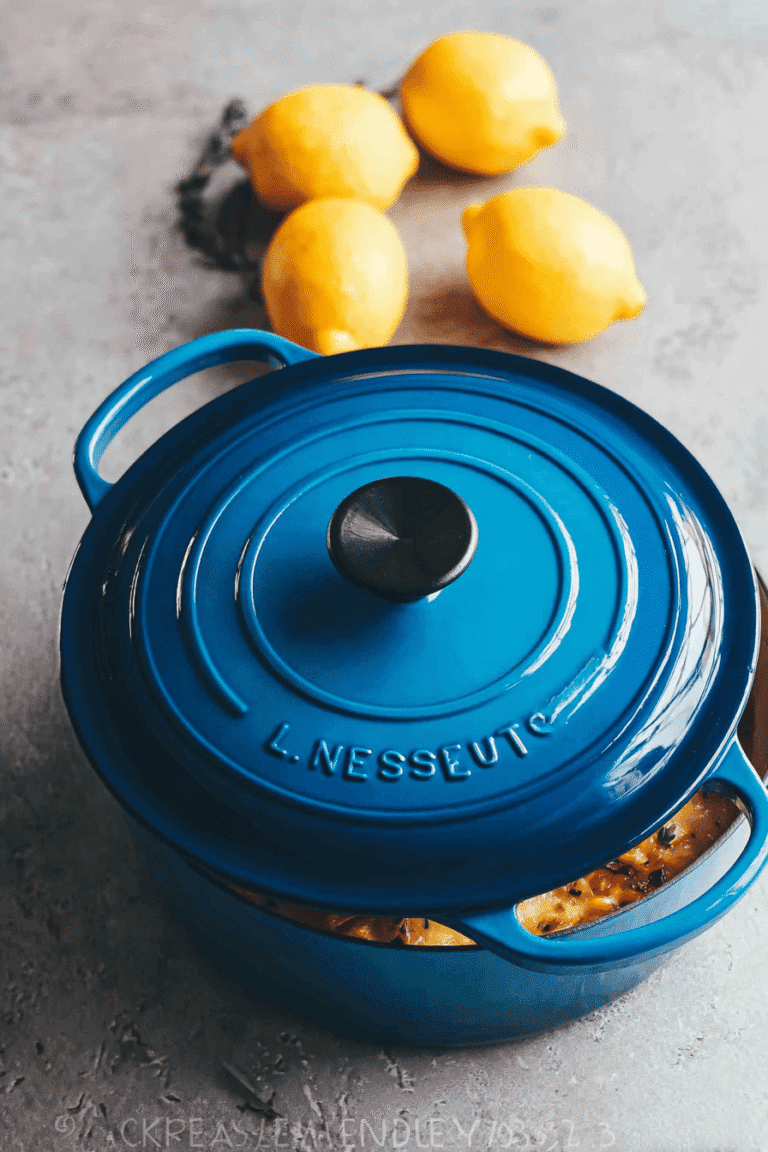
🥣 Enjoy hearty, nourishing meals with this Dutch Oven Cabbage Soup that combines wholesome vegetables and flavorful broth.
🍲 This recipe is easy to prepare and perfect for cozy homemade dinners any time of the year.
- Total Time: 50 minutes
- Yield: 6 servings
Ingredients
– 2 tablespoons oil
– 2 carrots, chopped
– 1 medium yellow onion, diced
– 1 celery rib, diced
– 2 tablespoons vinegar
– 2 (14.5-ounce) cans fire-roasted diced tomatoes
– 4 cups broth
– 1 (15.5-ounce) can cooked white beans, drained and rinsed
– 4 garlic cloves, grated
– 2 Yukon gold potatoes, diced
– 1 small green cabbage (about 1 pound or 9 cups chopped)
– 1 teaspoon thyme
– ¾ teaspoon salt
– Freshly ground pepper to taste
– Fresh parsley for garnish
Instructions
1-First, prepare all ingredients by washing, chopping, and measuring them for a smooth cooking process.
2-Heat the Dutch oven over medium heat and add the oil. Add the carrots, onion, celery, salt, and pepper, then cook while stirring occasionally for about 8 minutes.
3-Add the vinegar and stir it in, followed by the tomatoes, broth, beans, garlic, potatoes, cabbage, and thyme.
4-Cover the pot and let it simmer for 20 to 30 minutes until the potatoes and cabbage become tender.
5-Once done, season to taste and garnish with fresh parsley before serving hot.
6-For variations, you can add plant-based proteins or other vegetables like sweet potatoes or kale to customize your “Dutch oven recipes for cabbage soup.”
Last Step:
Please leave a rating and comment letting us know how you liked this recipe! This helps our business to thrive and continue providing free, high-quality recipes for you.Notes
🍅 Use fire-roasted or fresh tomatoes for richer flavor.
⏲️ Simmer covered to keep moisture locked in and ensure tender vegetables.
🥬 Feel free to swap or add vegetables based on availability for variety and freshness.
- Prep Time: 15 minutes
- Cook Time: 35 minutes
- Category: Soup
- Method: Simmering
- Cuisine: American
- Diet: Plant-Based, Vegan, Gluten-Free
Nutrition
- Serving Size: 1 bowl