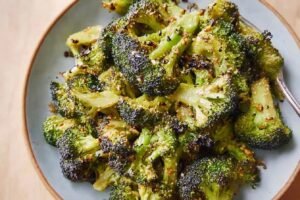
Why You’ll Love This Dietitian Food Blogger
As a nutrition expert who loves real food, I share simple meals that make healthy eating fun and sustainable. You’ll enjoy how these habits focus on balanced meals full of variety, like mixing veggies, proteins, and even treats, to keep things interesting without any strict rules. This approach helps promote food freedom and body acceptance, making it easier to tune into your hunger signals and feel satisfied every day.
One key benefit is the ease of preparation, with dishes that use everyday ingredients and quick methods for busy schedules. Health benefits shine through with nutrients that support overall wellness, such as fiber-rich foods and proteins that build energy. Plus, this style is versatile for different needs, like adding sweets or adapting for various tastes, while keeping meals realistic and appealing.
Tips from my day include listening to your body’s cues instead of tracking calories, which makes eating less stressful and more enjoyable. For instance, starting with a hearty breakfast sets a positive tone, showing how incorporating various food groups can lead to better energy and mood. With these habits, you’ll discover ways to enjoy colorful foods and prioritize what feels good, just like I do as a dietitian food blogger.
Real-Life Benefits
Think about how eating a mix of foods, including avocado and fresh fruit, adds joy to your routine without overcomplicating things. My meals highlight practical ways to stay active and feel good, drawing from experiences that fit into real life. This method not only boosts your health but also encourages a positive relationship with food, making every bite count in a simple, rewarding way.
Another plus is how this approach totals around 1825 calories for the day, with a good balance of nutrients like 104.2 grams of protein and 17.2 grams of fiber. It’s all about creating memorable moments around the table, whether you’re a busy parent or a student. By following these ideas, you’ll find it easier to make choices that support your goals while enjoying the process.
- Quick prep times for meals like avocado toast.
- Nutrient-packed options that include protein boosts, such as collagen peptides in coffee.
- Flexible tweaks for snacks based on hunger, keeping things light and fun.
Jump To
- 1. Why You’ll Love This Dietitian Food Blogger
- 2. Essential Ingredients for Dietitian Food Blogger
- 3. How to Prepare the Perfect Dietitian Food Blogger: Step-by-Step Guide
- 4. Dietary Substitutions to Customize Your Dietitian Food Blogger
- 5. Mastering Dietitian Food Blogger: Advanced Tips and Variations
- 6. How to Store Dietitian Food Blogger: Best Practices
- 7. FAQs: Frequently Asked Questions About Dietitian Food Blogger
- 8. Dietitian Food Blogger
Essential Ingredients for Dietitian Food Blogger
In my daily routine as a dietitian food blogger, I rely on a mix of fresh and simple ingredients to create balanced meals. Below is a structured list of all the ingredients mentioned for the recipes in a typical day. Since specific measurements weren’t detailed in my experiences, I’ve listed them as they appear to keep things accurate and easy to follow. Each one plays a key role in making meals nutritious and satisfying.
Main Ingredients List
- Avocado Used for breakfast and lunch.
- Eggs Featured in breakfast dishes.
- Feta cheese Added to breakfast for flavor.
- Green onions Topping for breakfast meals.
- Green goddess seasoning Seasoning for breakfast.
- Fresh fruit Served with breakfast.
- Oat milk coffee with collagen peptides Morning drink for a protein boost.
- Banana muffins Morning snack option.
- Shrimp and vegetables For lunch and dinner leftovers.
- Creamy chipotle slaw Accompanies lunch and dinner.
- Grapes Afternoon snack.
- String cheese Paired with grapes for snacks.
- Medjool dates Part of dessert.
- Peanut butter Mixed into dessert.
- Peanuts Added to dessert.
- Chocolate chunks In the dessert mix.
- Peppermint tea Evening drink to wrap up the day.
This list covers everything needed for the full day of eating, making it straightforward to gather items for your own version. As a nutrition expert, I focus on these to ensure a diverse range of foods that support health and enjoyment.
How to Prepare the Perfect Dietitian Food Blogger: Step-by-Step Guide
As a dietitian food blogger, my day revolves around simple, nourishing meals that fit into a busy schedule. Start your morning with breakfast: make avocado toast topped with eggs, feta cheese, green onions, and green goddess seasoning, then serve it alongside fresh fruit and coffee mixed with collagen peptides. This sets a strong foundation for the day, focusing on foods that satisfy hunger and provide essential nutrients.
For a morning snack, try testing banana muffins to keep energy up without overthinking. Move to lunch with leftovers from the previous dinner, like shrimp and vegetables mixed with creamy chipotle slaw and avocado for a quick, flavorful meal. In the afternoon, enjoy a snack of grapes and string cheese to curb any cravings based on your body’s signals.
Dinner keeps things easy: grill shrimp and vegetables, pair them with creamy chipotle slaw and sliced avocado for a balanced plate. End with dessert, a simple blend of medjool dates, peanut butter, peanuts, chocolate chunks, and peppermint tea to add a sweet touch. Preparation time varies, often using leftovers for fast assembly, while cook time might involve baking muffins or grilling shrimp to fit your routine.
Step-by-Step Directions
- First, prepare breakfast by toasting bread and adding avocado, eggs, feta cheese, green onions, and seasoning; serve with fresh fruit and your collagen-enhanced coffee.
- Second, bake or prepare banana muffins ahead for a quick morning snack that adds variety.
- Third, assemble lunch using pre-cooked shrimp, vegetables, and slaw for minimal effort.
- Fourth, grab grapes and string cheese for an afternoon pick-me-up when hunger hits.
- Fifth, grill shrimp and vegetables for dinner, then mix in slaw and avocado for extra flavor.
- Sixth, put together dessert by combining medjool dates, peanut butter, peanuts, chocolate chunks, and enjoy with peppermint tea.
- Seventh, adapt as needed, like swapping ingredients if you have extras, to keep meals flexible.
Overall, this guide emphasizes tuning into hunger cues and enjoying diverse foods. For more grilling ideas, check out our grilled shrimp tacos recipe on the site, which pairs well with these meals.
Dietary Substitutions to Customize Your Dietitian Food Blogger
To make these meals work for you as a dietitian food blogger, try simple swaps based on your preferences or needs. For protein options, replace shrimp with other sources like tofu or beans to keep things plant-based and nutrient-rich. This helps maintain the balance of flavors while adapting to different dietary goals, such as reducing animal products.
For veggies, swap green onions with other greens if you have them on hand, or use different fruits in place of grapes for snacks. Seasonings like green goddess can be traded for milder options to suit your taste. These changes ensure meals stay appealing and realistic, promoting food freedom in everyday eating.
- Protein alternatives: Use lentils instead of shrimp for a fiber boost.
- Veggie modifications: Switch spinach-like veggies for what’s fresh and available.
- Sauce tweaks: Opt for nut-based dressings if peanut butter doesn’t fit.
Mastering Dietitian Food Blogger: Advanced Tips and Variations
Taking your skills as a dietitian food blogger further means trying pro techniques, like adding collagen peptides to coffee for an extra protein hit that supports daily energy. Flavor variations can include spices in your slaw or muffins to mix things up, making meals even more exciting. Presentation matters too arrange your plate with colorful veggies and fruits to make it visually appealing and encourage healthy habits.
Make-ahead options are a game-changer for busy days, such as prepping slaw or grilling extras for leftovers. This approach aligns with tips like prioritizing fiber and protein to stay full longer. Remember, treating snacks as optional based on hunger helps build a sustainable routine that fits your life. For more ideas on variations, explore our candied yams recipe, which adds a sweet twist to vegetable sides.
Always listen to your body’s signals for the best results it’s about enjoying food, not forcing rules.
How to Store Dietitian Food Blogger: Best Practices
Proper storage keeps your meals fresh as a dietitian food blogger, so refrigerate leftovers in airtight containers and eat them within 3-4 days. For longer hold, freeze portions in safe containers for up to 3 months to preserve nutrients and flavors. When reheating, warm gently on the stove or in the microwave with a bit of water to keep things moist and tasty.
Meal prep is key for routines like mine, so divide meals into single servings for easy grab-and-go options. This method works well with items like slaw or muffins, helping you stay on track with balanced eating throughout the week.
FAQs: Frequently Asked Questions About Dietitian Food Blogger
What does a dietitian food blogger do?
A dietitian food blogger combines their expertise in nutrition with food blogging to share healthy recipes, meal plans, and nutrition tips. They create content that helps readers make informed food choices, often simplifying complex dietary information. Their blog may include practical advice for special diets, balanced eating strategies, and ways to improve overall wellness through food. By blending science-based knowledge with engaging storytelling and visuals, they support followers in achieving their health goals.
How can a dietitian food blog help with weight management?
A dietitian food blog provides evidence-based guidance on portion control, nutrient balance, and meal timing, which are key for weight management. Many dietitian bloggers offer sample meal plans and recipes designed to be filling yet calorie-conscious. They also address common challenges like emotional eating or dining out healthily. By following their advice, readers can adopt sustainable eating habits that support gradual, healthy weight loss or maintenance.
What are some common topics covered by dietitian food bloggers?
Dietitian food bloggers frequently cover topics such as balanced meal recipes, nutrition myths debunked, tips for managing dietary restrictions (e.g., gluten-free, diabetic-friendly), and strategies for increasing fruit and vegetable intake. They may also discuss the benefits of specific nutrients, how to read food labels, and practical ways to improve gut health. These topics empower readers to make smarter food choices backed by science.
How do dietitian food bloggers create trustworthy content?
Dietitian food bloggers build trust by relying on current, peer-reviewed nutrition research and their professional training. They disclose their qualifications and often include references or links to reputable sources. Additionally, many update their content regularly to reflect new dietary guidelines. Transparency about sponsored content or product recommendations also helps maintain credibility with their audience.
Can following a dietitian food blogger improve cooking skills and meal planning?
Yes, many dietitian food bloggers provide step-by-step recipes and meal prep tips that simplify healthy cooking. They often share techniques to save time, reduce food waste, and make meals more flavorful without adding excess calories or sodium. By following their advice, readers can develop better cooking habits and plan balanced meals that fit their lifestyle, making nutritious eating more accessible.

Dietitian Food Blogger
🍽️ Experience a balanced and satisfying day of eating that embraces food freedom and body acceptance.
🥑 Enjoy a variety of nutritious meals featuring fresh ingredients and indulgent treats for a realistic approach to nutrition.
- Total Time: Flexible to personal schedule
- Yield: 1 day’s worth of meals
Ingredients
– Avocado Used for breakfast and lunch
– Eggs Featured in breakfast dishes
– Feta cheese Added to breakfast for flavor
– Green onions Topping for breakfast meals
– Green goddess seasoning Seasoning for breakfast
– Fresh fruit Served with breakfast
– Oat milk coffee with collagen peptides Morning drink for a protein boost
– Banana muffins Morning snack option
– Shrimp and vegetables For lunch and dinner leftovers
– Creamy chipotle slaw Accompanies lunch and dinner
– Grapes Afternoon snack
– String cheese Paired with grapes for snacks
– Medjool dates Part of dessert
– Peanut butter Mixed into dessert
– Peanuts Added to dessert
– Chocolate chunks In the dessert mix
– Peppermint tea Evening drink to wrap up the day
Instructions
1-First, prepare breakfast by toasting bread and adding avocado, eggs, feta cheese, green onions, and seasoning; serve with fresh fruit and your collagen-enhanced coffee.
2-Second, bake or prepare banana muffins ahead for a quick morning snack that adds variety.
3-Third, assemble lunch using pre-cooked shrimp, vegetables, and slaw for minimal effort.
4-Fourth, grab grapes and string cheese for an afternoon pick-me-up when hunger hits.
5-Fifth, grill shrimp and vegetables for dinner, then mix in slaw and avocado for extra flavor.
6-Sixth, put together dessert by combining medjool dates, peanut butter, peanuts, chocolate chunks, and enjoy with peppermint tea.
7-Seventh, adapt as needed, like swapping ingredients if you have extras, to keep meals flexible.
Last Step:
Please leave a rating and comment letting us know how you liked this recipe! This helps our business to thrive and continue providing free, high-quality recipes for you.Notes
🧘 Listen to your body’s hunger cues rather than strict calorie tracking or diets.
🌈 Include a variety of colorful foods to ensure balanced nutrition.
💪 Incorporate collagen peptides into coffee for an easy protein boost.
- Prep Time: Varies based on meal preparation and assembly
- Cook Time: Varies by dish (e.g., grilling, baking)
- Category: Daily Meal Plan
- Method: Assembly, Grilling, Baking
- Cuisine: Varied
- Diet: Balanced, Flexible
Nutrition
- Serving Size: Varies by meal
- Calories: 1825 kcal
- Sugar: 79.6 g
- Sodium: 2186.6 mg
- Fat: 79.1 g
- Carbohydrates: 186.7 g
- Fiber: 17.2 g
- Protein: 104.2 g
- Cholesterol: 651.9 mg