

Introduction to Deviled Eggs
Deviled eggs have been a beloved appetizer for many generations, cherished for their versatility and ease of preparation. These delightful bites, also known as stuffed eggs in some circles, are a simple yet flavorful dish that blends hard-boiled eggs with creamy fillings. Often enhanced with a touch of spice, they offer a zesty twist to any table setting. Ideal for gatherings or a quick snack, deviled eggs appeal to busy parents, students, and culinary enthusiasts alike, simplifying meal times and adding a tangy zest to everyday meals. For more on their storied past, visit the history of deviled eggs.
Jump To
- 1. Introduction to Deviled Eggs
- 2. Benefits and Advantages of Deviled Eggs
- 3. Ingredients Overview
- 4. How to Prepare the Perfect Deviled Eggs: Step-by-Step Guide
- 5. Mastering Deviled Eggs: Advanced Tips and Variations
- 6. How to Store Deviled Eggs: Best Practices
- 7. Nutritional Value of Deviled Eggs
- 8. FAQs: Frequently Asked Questions About Deviled Eggs
- 9. Peanut Butter Cake
Benefits and Advantages of Deviled Eggs
Deviled eggs offer numerous benefits, making them a preferred choice for various occasions. Firstly, they are incredibly easy to prepare, requiring only a handful of ingredients readily available in most kitchens. Additionally, deviled eggs are packed with protein, making them a nutritious snack suitable for diet-conscious individuals. Their versatility allows for endless variations, such as adding bacon or herbs, catering to diverse tastes. Furthermore, their compact size and rich flavor make them perfect for parties and gatherings. With these advantages in mind, it’s no wonder they remain a staple in many homes. Discover various flavor variations by exploring different deviled egg recipes.
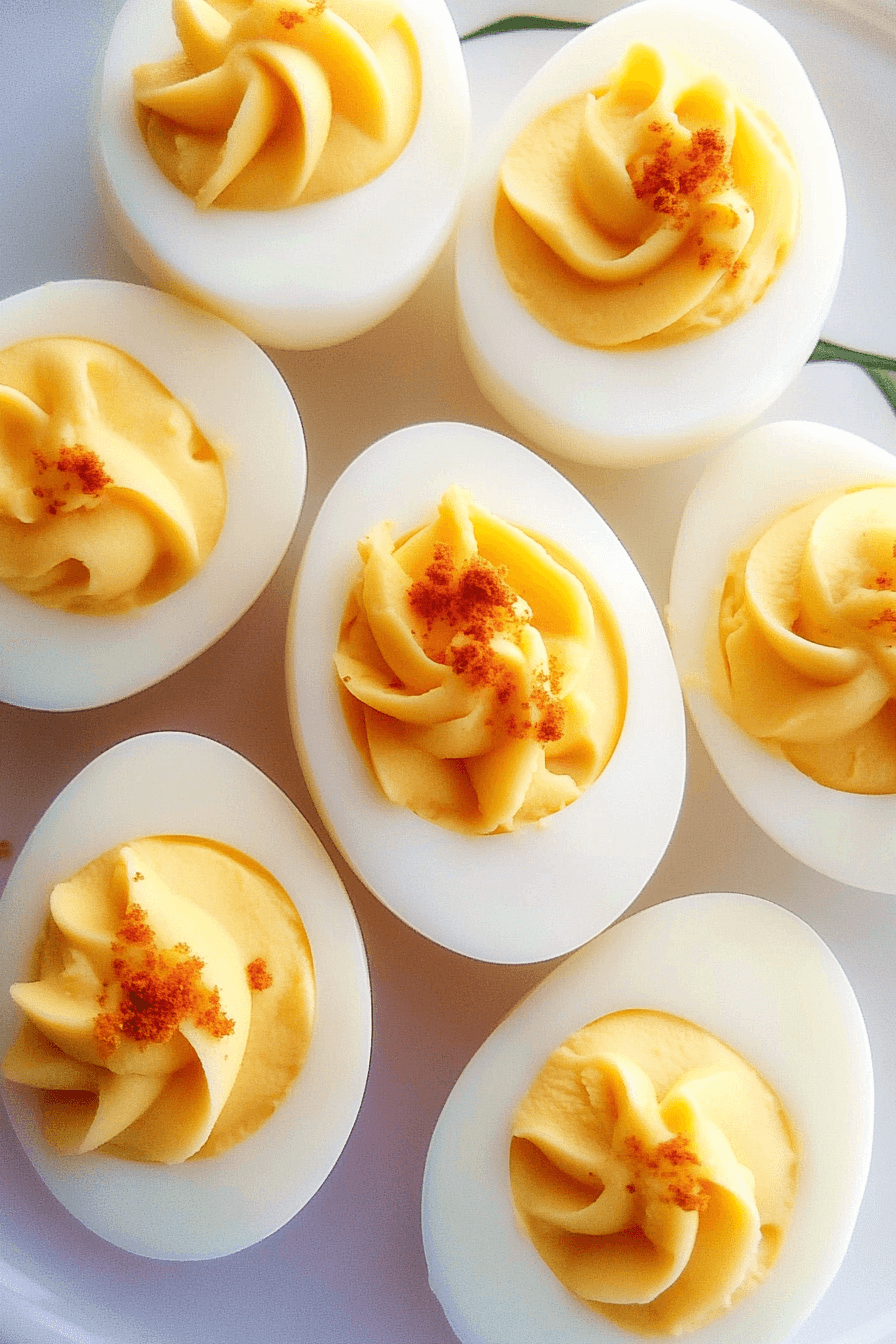
Ingredients Overview
Essential Ingredients for Deviled Eggs
- Eggs: 6 large eggs, hard-boiled and peeled. Eggs are the star of the dish, providing protein and the essential structure for deviled eggs.
- Mayonnaise: 1/4 cup mayonnaise. This adds creaminess and richness to the filling.
- Mustard: 1 teaspoon mustard. Mustard gives the filling a tangy kick, enhancing the overall flavor profile.
- Vinegar: 1 teaspoon white vinegar. Vinegar adds a slight acidity, balancing the rich flavors.
- Salt and Pepper: To taste. Essential for seasoning and bringing out the flavors of the other ingredients.
- Paprika: A pinch, for garnish. Paprika not only adds a pop of color but also contributes a smoky flavor.
Dietary Substitutions to Customize Your Deviled Eggs
For those with specific dietary needs, deviled eggs can be easily adapted with the following substitutions:
- Vegan Option: Use tofu in place of eggs and vegan mayonnaise instead of regular mayo. Incorporate nutritional yeast to mimic the egg flavor.
- Gluten-Free: This recipe is naturally gluten-free but ensure all packaged ingredients, like mustard, are certified gluten-free.
- Low-Calorie: Substitute Greek yogurt for mayonnaise to cut down on calories and increase protein.
How to Prepare the Perfect Deviled Eggs: Step-by-Step Guide
Creating the perfect deviled eggs is straightforward when you follow these easy steps. You can adapt the process to fit dietary preferences, ensuring everyone enjoys this delightful dish.
Step-by-Step Instructions
- First Step: Begin by boiling the eggs. Place them in a pot and cover with water, then bring the water to a rolling boil over medium-high heat. Once boiling, cover the pot and remove it from heat, letting the eggs sit for 12 minutes.
- Second Step: Transfer the eggs to an ice bath to cool them rapidly. This step aids in easy peeling by shocking the eggs, making the shells simpler to remove.
- Third Step: Peel the eggs gently under running water to avoid breaking them. Once peeled, slice each egg in half lengthwise, revealing the yolk.
- Fourth Step: Carefully scoop out the yolks and place them in a mixing bowl. Set the egg whites aside on a serving platter, cutting a tiny slice off the bottom to keep them stable if needed.
- Fifth Step: Mash the yolks with a fork until they’re crumbly, then add the mayonnaise, mustard, vinegar, salt, and pepper. Mix until smooth and creamy.
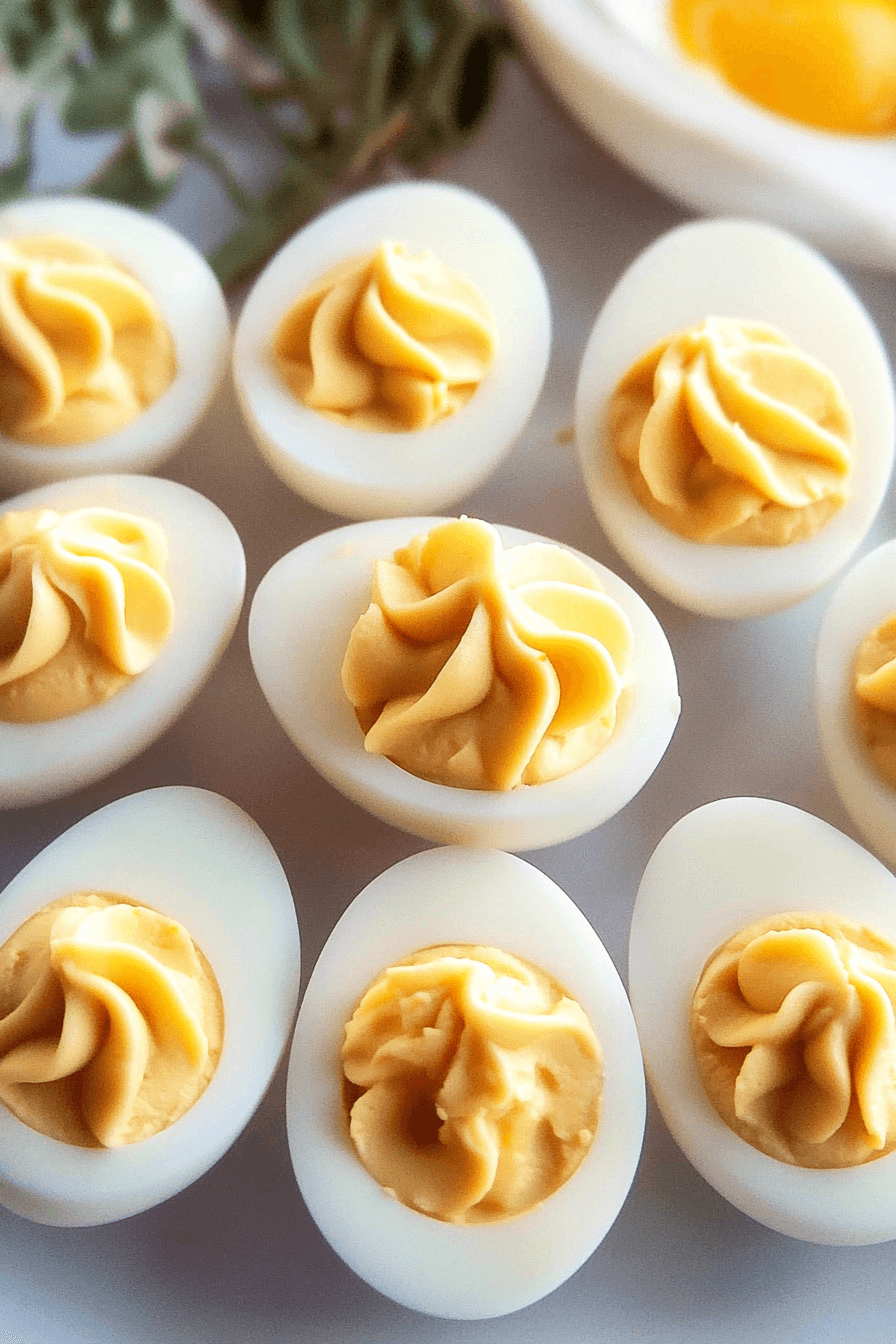
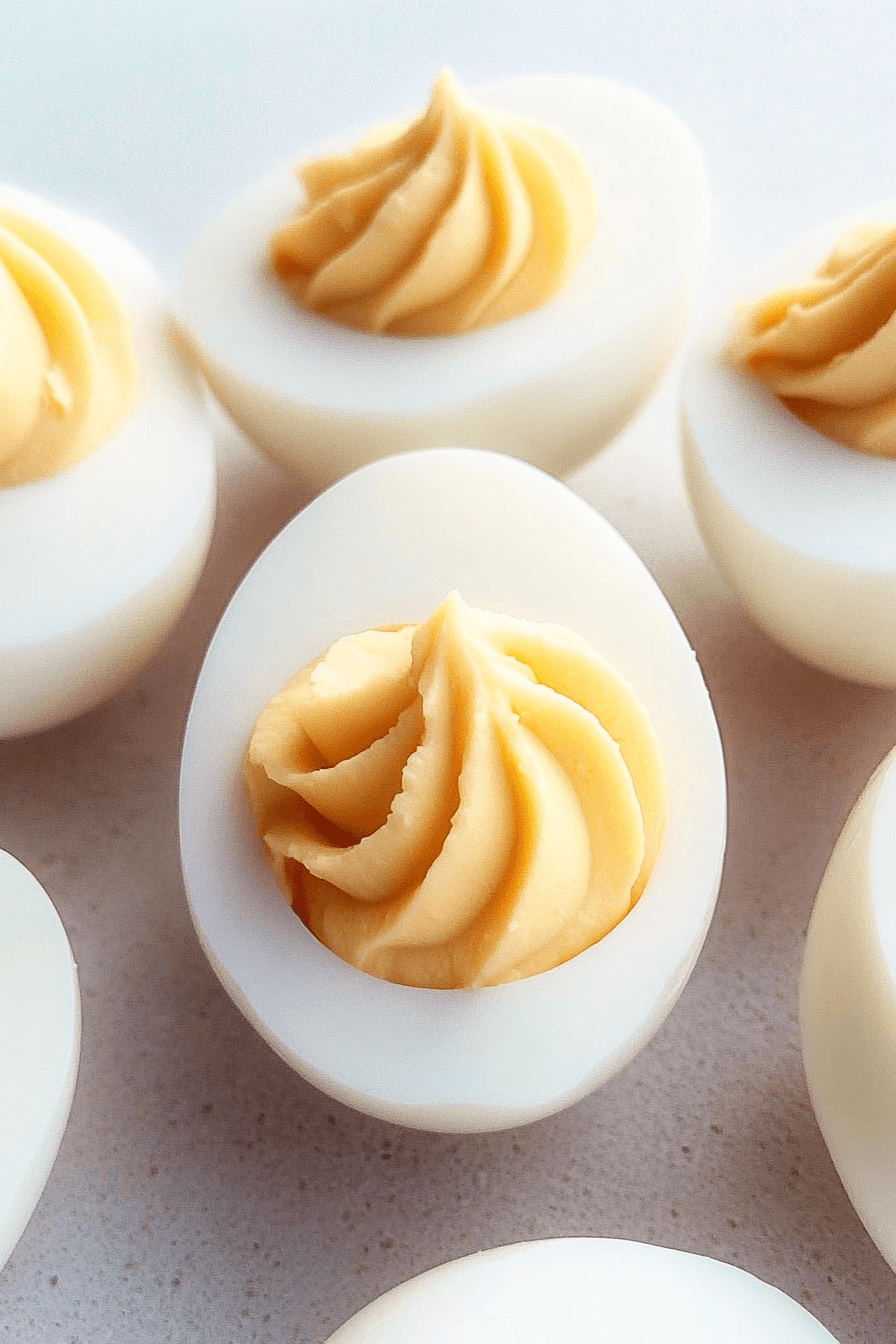
- Sixth Step: Spoon or pipe the yolk mixture back into the egg white halves. For a neater presentation, use a piping bag fitted with a star tip.
- Seventh Step: Garnish each deviled egg with a sprinkle of paprika, adding a classic touch both in flavor and appearance. You can also add herbs or bacon bits for variations.
- Adaptation Note: For those seeking a healthier alternative, substitute Greek yogurt in place of mayonnaise or add a dash of hot sauce for a spicy twist.
Mastering Deviled Eggs: Advanced Tips and Variations
For those who love experimenting in the kitchen, there is an infinite world of flavors to introduce to deviled eggs. The traditional method serves as a canvas to build bold tastes and unique textures. Before diving into variations, ensure you have mastered the art of creating the perfect hard-boiled egg: it should be tender yet firm, with a yolk that’s perfectly creamy.
Tips for Perfect Hard-Boiled Eggs
- Fresh Eggs are Key: Use eggs that are just a few days old for better peeling.
- Boiling Method: Place eggs in cold water, bring to a gentle boil, then simmer for 9-12 minutes depending on egg size.
- Ice Bath Finish: Transfer eggs to an ice bath immediately after boiling to stop cooking and ease peeling.
Flavor Variations:
Once mastered, consider these enticing combinations:
- Smoky Bacon Deviled Eggs: Incorporate crumbled bacon and smoked paprika into the yolk mixture.
- Healthy Avocado Twist: Replace some of the mayonnaise with mashed avocado for a creamy, health-conscious variation.
- Spicy Sriracha Platter: Add a dash of Sriracha for heat enthusiasts, and garnish with a slice of jalapeño.
Whether you’re making these variations for a family gathering or a potluck, try out different combos and adjust to your preferences. Don’t be afraid to mix in unconventional ingredients; the goal is to discover flavors that bring joy to your meals.
How to Store Deviled Eggs: Best Practices
Proper storage extends the delectability of deviled eggs, maintaining their fresh taste and texture. Given their creamy nature, they demand careful storage, and you also need to consider factors such as temperature and time to ensure food safety.
Refrigeration Guidelines
- Immediate Refrigeration: Store deviled eggs in an airtight container in a single layer to prevent them from absorbing food smells.
- Use Within Two Days: For optimal taste and safety, consume refrigerated deviled eggs within two days.
Freezing Considerations
While deviled eggs can be frozen, doing so may alter their texture due to the mayonnaise and yolk mixture. If freezing is necessary, consider preparing only the yolk mixture and freezing it separately. Thaw in the refrigerator then fill fresh egg whites prior to serving.
Understanding these storage techniques ensures your deviled eggs always taste delectable. Whether enjoying them during a quiet night at home or a festive event, proper storing practices help in making the most out of each flavorful bite.
For more on egg preservation, you might find this anchor on egg storage and history insightful.
Nutritional Value of Deviled Eggs
Deviled eggs not only shine as a culinary delight but also as a nutritional powerhouse. These classic appetizers offer a rich blend of proteins, healthy fats, and essential vitamins, making them a versatile choice for various dietary requirements. Below is a detailed breakdown of the nutritional components found in deviled eggs.
Caloric and Macronutrient Breakdown
| Nutrient | Amount per Serving (2 halves) |
|---|---|
| Calories | 70-90 kcal |
| Protein | 6 grams |
| Fat | 6-7 grams |
| Carbohydrates | 1 gram |
Detailed Nutritional Insights
The primary ingredient in deviled eggs, the egg itself, provides an excellent source of complete protein, which is vital for muscle building and repair. Eggs are rich in vitamins, such as vitamin D, B6, and B12, and minerals, like zinc, iron, and copper. Additionally, eggs are a great source of choline, essential for brain health.
Mayonnaise, typically used in traditional deviled egg recipes, contributes to the fat content, primarily unsaturated fats which are heart-healthy when consumed in moderation. For those seeking lower calorie or fat content, opting for lighter versions of mayonnaise or using yogurt can be beneficial.
Impact on Dietary Preferences
Given their substantial protein content, deviled eggs can be a satisfying snack or appetizer for those on low-carb diets or ketogenic meal plans. For those who need gluten-free options, deviled eggs are naturally free from gluten, making them an ideal appetizer.
Ultimately, deviled eggs are not only delicious but also provide nutritional benefits that can fit into many dietary lifestyles, offering a balance of taste and health in each bite.
FAQs: Frequently Asked Questions About Deviled Eggs
1. What is the origin of deviled eggs?
The origin of deviled eggs dates back to ancient Rome, where eggs were boiled and seasoned with a variety of spicy sauces. Over time, the dish evolved, and by the 18th century in Britain, the term “deviled” became associated with spicy or zesty foods. Modern deviled eggs as we know them gained popularity in the United States in the 1940s. Learn more about the history of deviled eggs here.
2. How long can deviled eggs be safely stored in the refrigerator?
Deviled eggs can be safely stored in the refrigerator for up to two days. To maintain freshness, it is recommended to cover them tightly with plastic wrap or store them in an airtight container. For best results, prepare them closer to the time they will be served.
3. What are some common ingredients used in traditional deviled egg recipes?
Traditional deviled egg recipes typically include hard-boiled eggs, mayonnaise, mustard, vinegar, salt, and pepper. Additionally, many recipes incorporate accents like pickles, paprika, or herbs to enhance flavor.
4. Can deviled eggs be prepared ahead of time for a party or event?
Yes, deviled eggs can be prepared up to a day in advance of an event. It’s advisable to keep the egg whites and the yolk filling separate until ready to serve, which helps maintain the texture and freshness of the dish. Assemble just before your guests arrive for best results.
For more information about preparing deviled eggs in advance, you can visit this informative link about deviled eggs preparation.
PrintPeanut Butter Cake
This moist peanut butter cake combines rich flavors with a tender crumb, creating a delightful treat perfect for any occasion.
- Total Time: 1 hour 5 minutes
- Yield: Serves 10 1x
Ingredients
- 1⅔ cups (210 g) all-purpose flour
- 3 tbsp (24 g) cornstarch
- ½ tsp baking soda
- 2 tsp baking powder
- ½ tsp salt (omit if using salted butter)
- ⅓ cup (80 g) unsalted butter, room temperature
- ⅓ cup (75 g) unflavored vegetable oil (canola oil recommended)
- ½ cup (100 g) white granulated sugar
- ¾ cup (150 g) soft brown sugar
- ⅔ cups (150 g) creamy unsweetened peanut butter
- 3 large eggs, room temperature
- 1½ tsps vanilla extract
- 1 cup (225 g) buttermilk, room temperature
- 1½ cups (340 g) unsalted butter, room temperature (for frosting)
- 3 cups (375 g) powdered sugar (for frosting)
- 2 tsps vanilla extract (for frosting)
- ½ cup (120 g) whipping or heavy cream, room temperature (for frosting)
- ½ tsp salt (for frosting)
- 1 cup (250 g) creamy unsweetened peanut butter (for frosting)
Instructions
- Preheat your oven to 350°F (180°C) and prepare two 8-inch cake pans.
- Sift together the flour, cornstarch, baking soda, baking powder, and salt.
- Cream the butter, vegetable oil, sugars, and peanut butter together until light and creamy.
- Add eggs one at a time, mixing well after each. Then add vanilla and buttermilk.
- Fold the dry ingredients into the wet mixture until just combined.
- Distribute the batter evenly into prepared pans and bake for 30-35 minutes.
- Let cakes cool in pans for 15-20 minutes before transferring to a wire rack.
- For frosting, mix butter, powdered sugar, vanilla, cream, peanut butter, and salt.
- Whip frosting until silky smooth and spread on cooled cakes.
Last Step:
Please leave a rating and comment letting us know how you liked this recipe! This helps our business to thrive and continue providing free, high-quality recipes for you.Notes
Use room temperature ingredients for optimal mixing.
Avoid overmixing the batter after adding dry ingredients.
Cool cakes completely before frosting to prevent melting.
- Prep Time: 30 minutes
- Cook Time: 35 minutes
- Category: Dessert
- Method: Baking
- Cuisine: American
Nutrition
- Calories: 450
- Sugar: 40g
- Sodium: 300mg
- Fat: 22g
- Saturated Fat: 8g
- Unsaturated Fat: 14g
- Trans Fat: 0g
- Carbohydrates: 60g
- Fiber: 2g
- Protein: 6g
- Cholesterol: 80mg


