Why You’ll Love This Deviled Eggs
When it comes to quick appetizers, deviled eggs stand out as a favorite for many home cooks. They’re incredibly easy to whip up. You’ll appreciate how they bring a burst of flavor in just a short time, making them ideal for any gathering.
- Ease of preparation: One of the best things about deviled eggs is their simplicity and fast cooking process. With just 15 minutes of prep and 10 minutes of cooking, you can have a tasty dish ready in under 25 minutes total. This recipe uses everyday ingredients and straightforward steps, so even beginners can enjoy making deviled eggs without any hassle.
- Health benefits: Deviled eggs pack a nutritious punch with each serving offering about 89 calories, 6 grams of protein, and essential nutrients like vitamin A and iron. They support wellness by providing high-quality protein that keeps you full longer, while options like using Greek yogurt instead of mayo can lower fat content. This makes deviled eggs a smart choice for diet-conscious folks looking for a balanced bite.
- Versatility: These deviled eggs adapt easily to various dietary needs, whether you’re adjusting for vegan options or gluten-free preferences. You can mix in herbs or spices to fit different meals. Deviled eggs work as a side, snack, or party starter, adding flexibility to your cooking routine.
- Distinctive flavor: What really sets deviled eggs apart is their creamy, tangy taste from ingredients like mustard and pickle relish. This combination creates a delightful contrast with the smooth egg base, making every bite memorable. Deviled eggs offer a classic appeal that you can tweak for creative twists, ensuring they always excite your taste buds.
With these features, deviled eggs become more than just a recipe they’re a go-to option for everyday meals or special occasions. This approach keeps things light and enjoyable while highlighting the focus on deviled eggs.
Jump To
- 1. Why You’ll Love This Deviled Eggs
- 2. Essential Ingredients for Deviled Eggs
- 3. How to Prepare the Perfect Deviled Eggs: Step-by-Step Guide
- 4. Dietary Substitutions to Customize Your Deviled Eggs
- 5. Mastering Deviled Eggs: Advanced Tips and Variations
- 6. How to Store Deviled Eggs: Best Practices
- 7. FAQs: Frequently Asked Questions About Deviled Eggs
- 8. Deviled Eggs
Essential Ingredients for Deviled Eggs
Getting the right ingredients is key to making great deviled eggs. Each item plays a role in building the flavor and texture you love. Let’s break down what you need, including exact amounts and why they matter, to help you prepare with confidence.
- 12 large eggs – These form the base of deviled eggs, providing protein and structure; they’re easy to hard boil for a creamy yolk filling.
- 1/3 cup mayonnaise or half mayonnaise and half plain Greek yogurt – This creates a smooth, creamy mixture; using Greek yogurt adds a lighter, healthier twist with extra protein.
- 2 tablespoons pickle relish or diced dill pickle – Adds a tangy crunch and acidity to balance the richness of the eggs.
- 1 1/2 teaspoons mustard or yellow mustard – Brings a sharp, zesty flavor that enhances the overall taste and gives that classic deviled kick.
- Salt and pepper to taste – Seasons the filling perfectly, ensuring the flavors pop without overwhelming the dish.
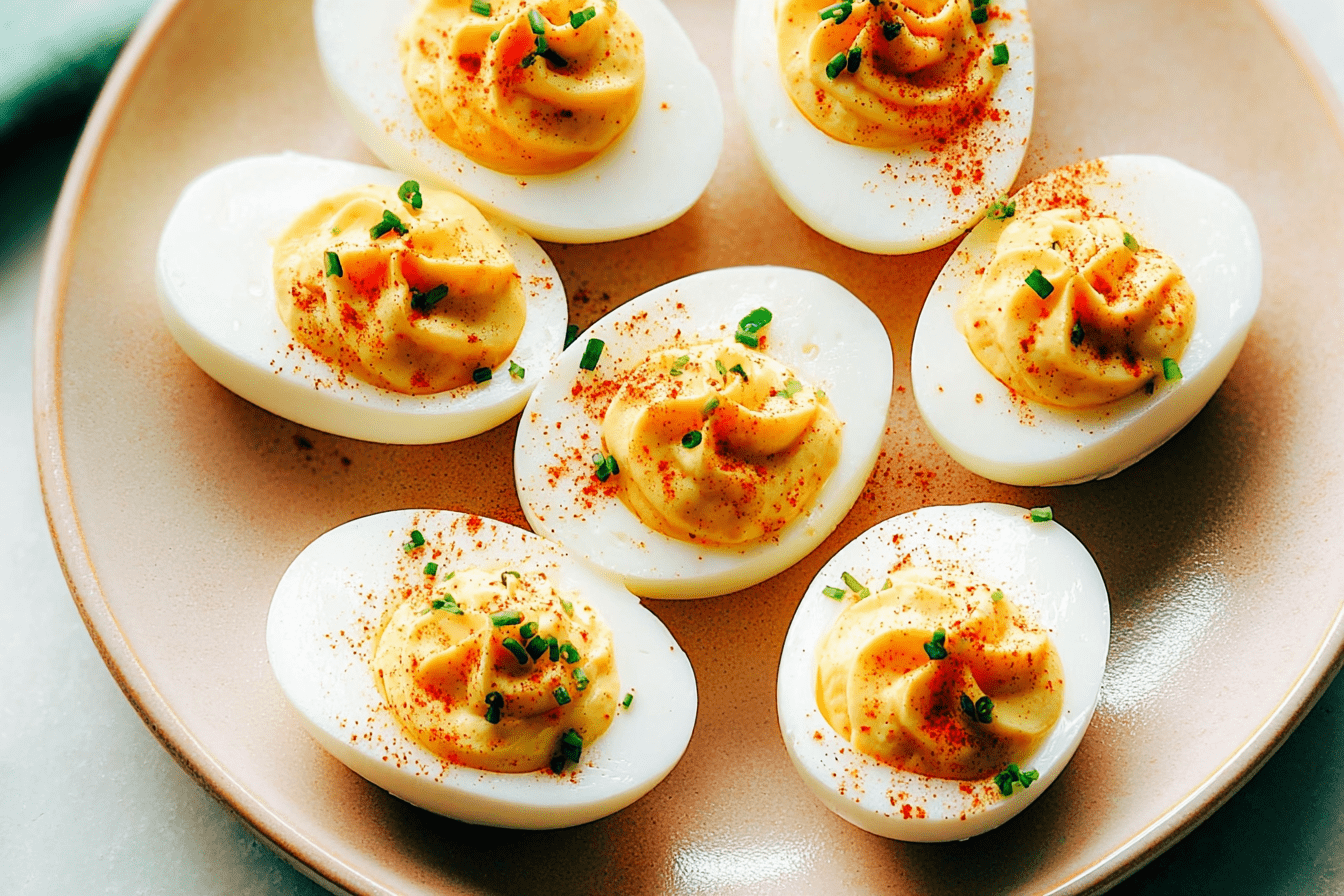
- Paprika or chives for garnish – Provides a colorful finish and subtle flavor, making your deviled eggs look and taste more appealing.
For special dietary options, consider these swaps to make deviled eggs fit your needs. For vegan choices, use plant-based substitutes like silken tofu or vegan mayo in place of eggs and animal-based mayo. If you’re going gluten-free, stick with the original ingredients as they’re naturally gluten-free, but double-check any store-bought items like relish. For low-calorie versions, opt for the Greek yogurt mix to cut down on fat while keeping things creamy and satisfying.
How to Prepare the Perfect Deviled Eggs: Step-by-Step Guide
Making deviled eggs is a fun and simple process that yields delicious results every time. Start by gathering your ingredients and choosing your preferred cooking method for the eggs. This guide covers everything from boiling to assembly, with tips for adapting along the way. Deviled eggs come together quickly, letting you focus on enjoying the meal.
First Step: Hard Boil the Eggs
Begin by preparing the eggs using one of the reliable methods to ensure they’re cooked just right. For the stovetop approach, cover 12 large eggs with cold water in a pot, bring it to a boil, then add 1 teaspoon baking soda, cover, and remove from heat. Let them sit for 12 minutes before cooling in an ice water bath this helps with easy peeling and maintains that perfect yolk texture. If you’re using a pressure cooker, add 1 cup water, place the eggs on a wire rack, and cook on high pressure for 5 minutes followed by a 5-minute natural release, then cool in ice water. For oven baking, preheat to 325 degrees F, put the eggs in muffin tin cups, and bake for 30 minutes before the ice water bath. This step can be adapted for dietary needs by selecting fresher eggs or testing with smaller batches if you’re new to cooking.
Second Step: Peel and Slice the Eggs
Once cooled, peel the eggs carefully to avoid damaging the whites this is where the baking soda trick really shines, making the shells slip off smoothly. Slice each egg in half lengthwise using a sharp knife for clean cuts. Place the halves on a plate, ready for filling. This part is straightforward and allows for personalization, like using different knives for better control if you have mobility concerns.
Third Step: Remove and Mix the Yolks
Gently remove the yolks from the egg whites and place them in a bowl for mashing. Mix the yolks with 1/3 cup mayonnaise (or half mayonnaise and half plain Greek yogurt), 2 tablespoons pickle relish or diced dill pickle, 1 1/2 teaspoons mustard or yellow mustard, and salt and pepper to taste. Stir until smooth, adjusting the ingredients as needed for your preferred consistency this is a great spot to add in extras like herbs for a fresh twist. For dietary adaptations, swap in vegan mayo if needed to keep things creamy without dairy.
Fourth Step: Fill the Egg Whites
Now, spoon or pipe the yolk mixture back into the egg white halves. Use a spoon for a rustic look or a pastry bag for something more polished. Aim to fill them evenly so each bite is packed with flavor. This step works well for busy parents, as you can prepare ahead and adjust quantities for smaller servings. If you’re watching calories, use less filling per egg to control portions.
Final Step: Garnish and Serve
Garnish your deviled eggs with paprika or chives for a pop of color and extra taste. Serve them right away or chill them briefly remember, they’re best enjoyed fresh. For events, link them with other dishes like the one at our candied yams recipe for a full spread. With about 25 minutes total time, deviled eggs fit into any schedule, offering versatility for different tastes and needs. Here’s an external resource for more on egg prep: master hard-boiled eggs.
To give you a clear overview, here’s a table of the nutritional breakdown per serving of deviled eggs:
| Nutrient | Amount |
|---|---|
| Calories | 89 |
| Carbohydrates | 2g |
| Protein | 6g |
| Fat | 6g |
| Saturated Fat | 2g |
| Polyunsaturated Fat | 2g |
| Monounsaturated Fat | 2g |
| Trans Fat | 0.02g |
| Cholesterol | 187mg |
| Sodium | 157mg |
| Potassium | 74mg |
| Fiber | 0.1g |
| Sugar | 0.4g |
| Vitamin A | 279 IU |
| Vitamin C | 0.03mg |
| Calcium | 29mg |
| Iron | 1mg |
Dietary Substitutions to Customize Your Deviled Eggs
Protein and Main Component Alternatives
Swapping proteins in deviled eggs can make them fit various diets while keeping the dish tasty. For vegetarian options, replace eggs with alternatives like tofu for a similar creamy texture, adjusting cooking time to about 10 minutes to ensure it’s firm. If you’re avoiding animal proteins, try mashed chickpeas as a base, which adds fiber and maintains the mouthfeel without much change in flavor note that this might lower the protein content slightly. These changes help preserve the classic appeal of deviled eggs while offering more choices for everyone.
For vegan adaptations, use aquafaba or silken tofu instead of traditional eggs, ensuring the mixture stays smooth by blending longer. If someone has egg allergies, opt for avocado-based fillings, which boost healthy fats and keep the recipe quick to prepare. Remember, these swaps might reduce cholesterol levels, making deviled eggs even healthier for regular meals.
Vegetable, Sauce, and Seasoning Modifications
Twisting the vegetables in deviled eggs lets you play with seasons and tastes. Fresh veggies like diced bell peppers can replace pickle relish for a crunchier bite, while pickled options add tang pick based on what’s in your fridge. For sauces, go with low-sodium mustard to cut back on salt, or use a dairy-free base like cashew cream instead of mayo, which keeps things creamy and enhances the overall nutrition. These tweaks ensure deviled eggs remain versatile for any palate.
When it comes to seasonings, swap herbs like basil for chives to bring in new flavors, especially if you’re using dried versions for convenience. For those watching sodium, choose milder spices to avoid overpowering the dish, and explain how fresh herbs can brighten the taste without extra calories. This way, deviled eggs adapt easily, affecting texture positively while staying true to the recipe’s roots.
Mastering Deviled Eggs: Advanced Tips and Variations
Taking deviled eggs to the next level involves smart techniques and fun ideas. Pro cooking methods like using a wire rack in your pressure cooker ensure even cooking and easier peeling. Flavor variations can include adding smoked paprika for a smoky twist or mixing in herbs like dill to create international flavors that excite your guests. For presentation, arrange them on a platter with fresh greens to make them look inviting at any event.
Make-ahead options are perfect for busy schedules; prepare the eggs a day in advance and store them separately. Try variations such as mixing in bacon for a hearty bite, as seen in our red beans and rice dish, to add depth. Don’t forget to check an external site like egg health benefits for more ideas on keeping things nutritious.
Control yolk texture by mashing finely for a smooth fill, and experiment with spices for heat. These tips help deviled eggs shine as a creative staple in your kitchen.
How to Store Deviled Eggs: Best Practices
Proper storage keeps deviled eggs fresh and safe to eat. For refrigeration, place them in an airtight container and keep them chilled for up to 2 to 3 days, based on egg freshness. Avoid leaving them out for more than two hours to prevent spoilage. Freezing works for hard-boiled eggs alone, so freeze yolks separately and thaw before mixing to maintain quality.
When reheating, if needed, do so gently in the fridge without direct heat to keep the creamy texture. For meal prep, batch cook eggs ahead and assemble just before serving, making it easy for events or quick snacks. These steps ensure deviled eggs stay delicious and ready for any occasion.
FAQs: Frequently Asked Questions About Deviled Eggs
How do you hard boil eggs perfectly for deviled eggs?
To hard boil eggs for deviled eggs, place eggs in a single layer in a pot and cover with cold water by about an inch. Add a teaspoon of baking soda to help with peeling. Bring the water to a rolling boil, then cover the pot, remove it from heat, and let the eggs sit for 12 minutes. Afterward, transfer them to an ice bath for at least 5 minutes to stop cooking and make peeling easier. Alternatively, use an Instant Pot on high pressure for 5 minutes with a 5-minute natural release or bake eggs in a muffin tin at 325°F for 30 minutes.
What ingredients make the best deviled egg filling?
The classic deviled egg filling includes mashed egg yolks mixed with mayonnaise, mustard, salt, and pepper. Some recipes add pickle relish for a tangy bite or substitute part of the mayonnaise with plain Greek yogurt for a lighter texture. Adjust the mustard type—yellow, Dijon, or spicy brown—to suit your taste. Whisk until smooth and creamy, tasting as you go to balance flavors. You can also include small amounts of vinegar or lemon juice for acidity.
How do you assemble deviled eggs without making a mess?
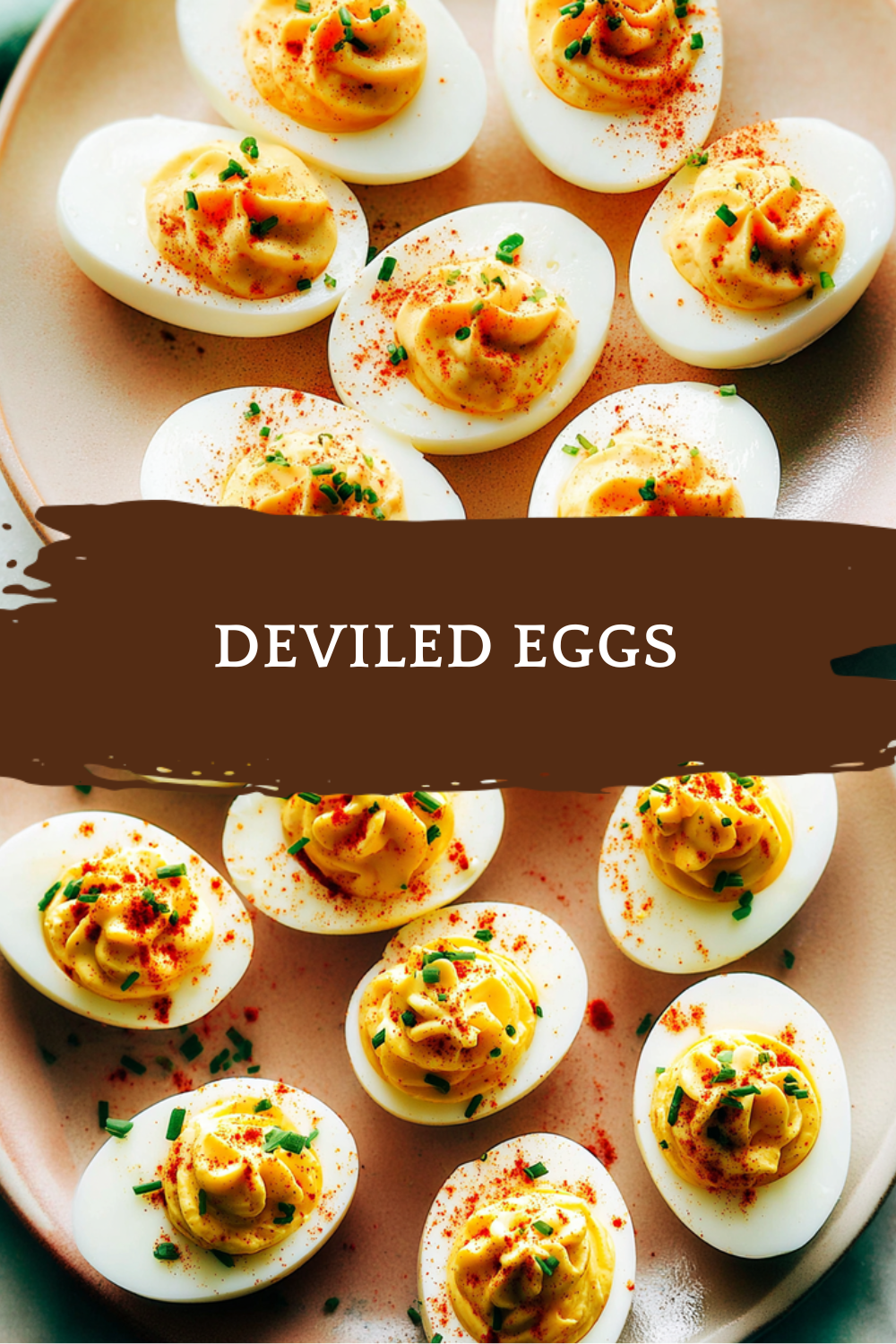
To assemble deviled eggs neatly, use a spoon or a piping bag fitted with a star or round tip to fill the egg white halves with the yolk mixture. This creates a smooth, uniform appearance without overflow. Filling right before serving keeps the eggs fresh. For garnish, lightly sprinkle smoked paprika or add finely chopped chives or herbs on top. Keep the filled eggs chilled until ready to serve to maintain texture and safety.
How long are deviled eggs safe to store in the refrigerator?
Deviled eggs should be stored in an airtight container in the refrigerator and are best consumed within 2 to 3 days. Because the filling contains mayonnaise, which can spoil, it’s important to keep them chilled and avoid leaving them out for more than two hours. For longer storage, keep hard-boiled eggs unfilled, peeling and filling just before serving.
What are some popular deviled egg variations to try?
Popular deviled egg variations include adding mashed avocado to the yolk mixture for creaminess and a fresh flavor. Crispy cooked bacon bits or diced smoked salmon introduce a savory twist. Herbs like dill, basil, or finely chopped green onions add brightness. For heat, mix in cayenne pepper, hot sauce, or Cajun seasoning. You can also try topping eggs with capers, olives, or pickled jalapeños for extra texture and flavor.
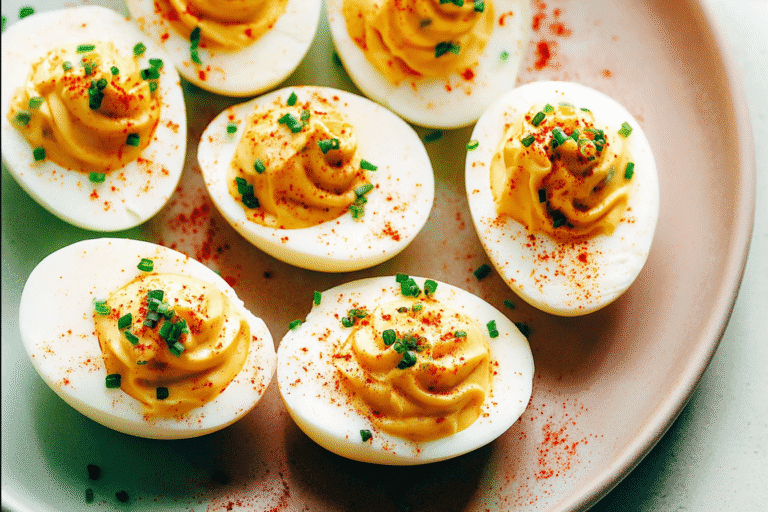
Deviled Eggs
🥚 Deviled Eggs Recipes offer a classic, protein-packed appetizer that’s easy to prepare and perfect for any occasion.
🌿 This recipe also allows for creative variations, making it versatile and customizable to your taste preferences.
- Total Time: 25 minutes
- Yield: 12 deviled eggs
Ingredients
– 12 large eggs These form the base of deviled eggs, providing protein and structure
– 1/3 cup mayonnaise or half mayonnaise and half plain Greek yogurt This creates a smooth, creamy mixture
– 2 tablespoons pickle relish or diced dill pickle Adds a tangy crunch and acidity
– 1 1/2 teaspoons mustard or yellow mustard Brings a sharp, zesty flavor
– Salt and pepper to taste Seasons the filling perfectly
– Paprika or chives for garnish Provides a colorful finish and subtle flavor
Instructions
1-First Step: Hard Boil the Eggs: Begin by preparing the eggs using one of the reliable methods to ensure they’re cooked just right. For the stovetop approach, cover 12 large eggs with cold water in a pot, bring it to a boil, then add 1 teaspoon baking soda, cover, and remove from heat. Let them sit for 12 minutes before cooling in an ice water bath this helps with easy peeling and maintains that perfect yolk texture. If you’re using a pressure cooker, add 1 cup water, place the eggs on a wire rack, and cook on high pressure for 5 minutes followed by a 5-minute natural release, then cool in ice water. For oven baking, preheat to 325 degrees F, put the eggs in muffin tin cups, and bake for 30 minutes before the ice water bath. This step can be adapted for dietary needs by selecting fresher eggs or testing with smaller batches if you’re new to cooking.
2-Second Step: Peel and Slice the Eggs: Once cooled, peel the eggs carefully to avoid damaging the whites this is where the baking soda trick really shines, making the shells slip off smoothly. Slice each egg in half lengthwise using a sharp knife for clean cuts. Place the halves on a plate, ready for filling. This part is straightforward and allows for personalization, like using different knives for better control if you have mobility concerns.
3-Third Step: Remove and Mix the Yolks: Gently remove the yolks from the egg whites and place them in a bowl for mashing. Mix the yolks with 1/3 cup mayonnaise (or half mayonnaise and half plain Greek yogurt), 2 tablespoons pickle relish or diced dill pickle, 1 1/2 teaspoons mustard or yellow mustard, and salt and pepper to taste. Stir until smooth, adjusting the ingredients as needed for your preferred consistency this is a great spot to add in extras like herbs for a fresh twist. For dietary adaptations, swap in vegan mayo if needed to keep things creamy without dairy.
4-Fourth Step: Fill the Egg Whites: Now, spoon or pipe the yolk mixture back into the egg white halves. Use a spoon for a rustic look or a pastry bag for something more polished. Aim to fill them evenly so each bite is packed with flavor. This step works well for busy parents, as you can prepare ahead and adjust quantities for smaller servings. If you’re watching calories, use less filling per egg to control portions.
5-Final Step: Garnish and Serve: Garnish your deviled eggs with paprika or chives for a pop of color and extra taste. Serve them right away or chill them briefly remember, they’re best enjoyed fresh. For events, link them with other dishes like the one at our candied yams recipe for a full spread. With about 25 minutes total time, deviled eggs fit into any schedule, offering versatility for different tastes and needs. Here’s an external resource for more on egg prep: master hard-boiled eggs.
Last Step:
Please leave a rating and comment letting us know how you liked this recipe! This helps our business to thrive and continue providing free, high-quality recipes for you.Notes
🥄 Adding 1 teaspoon of baking soda to the boiling water helps eggs peel more easily.
⏲️ Deviled eggs can be made ahead of time for convenience.
🧀 Mixing Greek yogurt with mayonnaise creates a creamier filling.
- Prep Time: 15 minutes
- Cook Time: 10 minutes
- Category: Appetizer
- Method: Boiling and mixing
- Cuisine: American
Nutrition
- Serving Size: 1 deviled egg half
- Calories: 89
- Sugar: 0.4g
- Sodium: 157mg
- Fat: 6g
- Saturated Fat: 2g
- Unsaturated Fat: 4g
- Trans Fat: 0.02g
- Carbohydrates: 2g
- Fiber: 0.1g
- Protein: 6g
- Cholesterol: 187mg