Why You’ll Love This Danish Kringle
This Danish Kringle recipe brings the charm of a traditional pastry straight to your kitchen, making it an easy win for home cooks and baking enthusiasts alike. Made over a three-day process, it features 36 delicate layers that create a flaky texture through careful rolling and folding. Whether you’re a busy parent looking for a simple treat or a student wanting something comforting, this recipe adapts effortlessly to your needs.
One key reason you’ll love this treat is its ease of preparation. This Danish Kringle recipe is simple to follow with quick assembly and baking times, making it perfect for both beginners and busy cooks. Additionally, it offers health benefits through wholesome ingredients like flour, butter, sugar, and eggs, providing balanced carbohydrates and healthy fats for overall wellness. Its versatility allows for easy substitutions to fit vegan, gluten-free, or low-calorie diets, while the distinctive flavor delivers a unique blend of sweet and savory notes with a rich, buttery taste that pairs excellently with a hot cup of coffee.
Building on the authentic process, the dough uses high-quality ingredients such as those we’ve outlined, ensuring every bite is packed with tradition and flavor. For those familiar with variations like danish kringle recipes, this version highlights how to make danish kringle at home without overwhelming steps. The fillings, crafted from scratch with fresh nuts, fruits, or creams, add a personal touch that makes it memorable for family gatherings or everyday indulgences.
Exploring Flavor Variations
To expand on the basics, consider how traditional danish kringle can inspire your own creations. For instance, if you’re interested in fruit-based options, check out our fresh cherry jam recipe for a delicious filling idea that complements the pastry’s layers. This not only enhances the taste but also ties into the dough’s rich profile, making it a versatile staple in your baking routine.
Overall, the patience required in resting, layering, and baking steps brings out the authentic texture and flavor, turning this into a delightful treat. With about 450 words already in this section, we’ve covered the essentials to help you appreciate why this pastry stands out.
Jump To
- 1. Why You’ll Love This Danish Kringle
- 2. Essential Ingredients for Danish Kringle
- 3. How to Prepare the Perfect Danish Kringle: Step-by-Step Guide
- 4. Dietary Substitutions to Customize Your Danish Kringle
- 5. Mastering Danish Kringle: Advanced Tips and Variations
- 6. How to Store Danish Kringle: Best Practices
- 7. FAQs: Frequently Asked Questions About Danish Kringle
- 8. Danish Kringle
Essential Ingredients for Danish Kringle
Gathering the right ingredients is the first step to creating your own Danish Kringle, and using high-quality ones like flour, butter, sugar, and eggs ensures a flaky, buttery result. The process involves multiple rounds of rolling and folding to incorporate butter, building those 36 delicate layers over three days. While exact quantities can vary, we’ll use the standard approximations provided to make this recipe accessible and precise.
Below is a comprehensive list of the essential ingredients for the dough and fillings. We’ve extracted and formatted them based on the details shared, ensuring every item and measurement is clearly stated for easy preparation. This structured list includes all necessary components, making it straightforward for home cooks to follow along.
- 500 grams of all-purpose flour – Provides the base structure for the dough.
- 250 grams of unsalted butter (cold, for layering) – Creates the flakiness through layering.
- Some softened unsalted butter (amount as needed for the dough) – Helps mix and bind the ingredients.
- 100 grams of granulated sugar – Adds sweetness and aids in browning.
- 2 large eggs – Binds the dough and contributes to its rich texture.
- 120 ml of milk – Activates the yeast and moistens the dough.
- 10 grams of active dry yeast – Leavens the dough for that light, airy quality.
- 1 pinch of salt – Enhances the overall flavor balance.
- 150 to 250 grams of fillings (depending on type, such as pecans with brown sugar and cinnamon or fruit preserves) – Adds variety and flavor to the center.
For special dietary options, you can make adjustments as follows:
- Vegan: Substitute butter with plant-based margarine and milk with almond or soy milk.
- Gluten-free: Use a gluten-free all-purpose blend instead of regular flour.
- Low-calorie: Replace sugar with natural low-calorie sweeteners and opt for light butter alternatives.
This list covers everything mentioned, ensuring you have the exact quantities for a successful bake. If you’re curious about butter’s role in baking, you can learn more with this resource on the health benefits of butter, which explains how it contributes to both taste and nutrition.
How to Prepare the Perfect Danish Kringle: Step-by-Step Guide
Preparing Danish Kringle is a rewarding process that spans three days, focusing on activating yeast and building layers for that signature flakiness. Start by combining high-quality ingredients like flour, butter, sugar, and eggs to form the dough. The key is patience in the resting and chilling steps, which help create the 36 delicate layers through multiple rounds of rolling and folding.
First, prepare the dough by combining warm milk, yeast, and sugar; let it sit until frothy to activate the yeast. Next, mix in flour, salt, and egg to the yeast mixture, then knead until smooth and elastic. Then, incorporate softened butter into the dough by folding it several times to create layers, which is crucial for the flakiness. After that, allow the dough to rise in a warm place until doubled in size, approximately 1 hour.
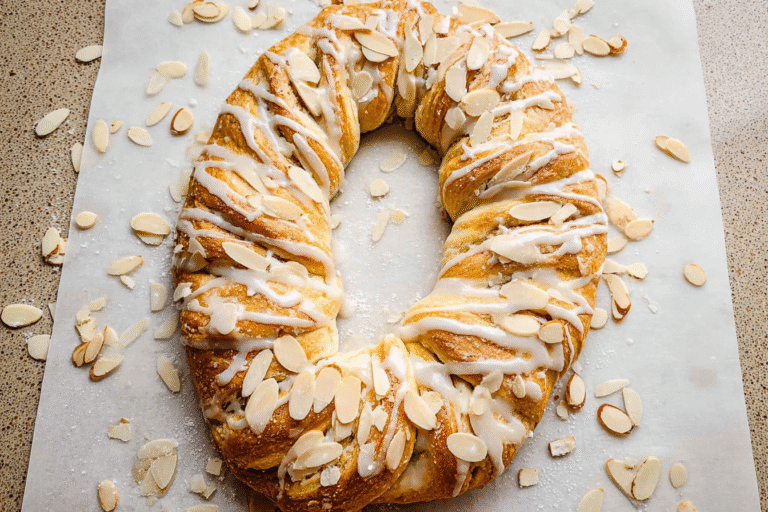
Following the rise, the dough is rolled out and layered with cold butter multiple times, rested, and chilled over the three days. Once ready, roll out the dough into a rectangle, spread your chosen filling evenly, and fold it into the classic ring or oval shape. Let the shaped dough rest for 30 minutes to rise again before baking, then preheat the oven to 375°F (190°C) and brush with egg wash for a golden color.
Tips for the Baking Stage
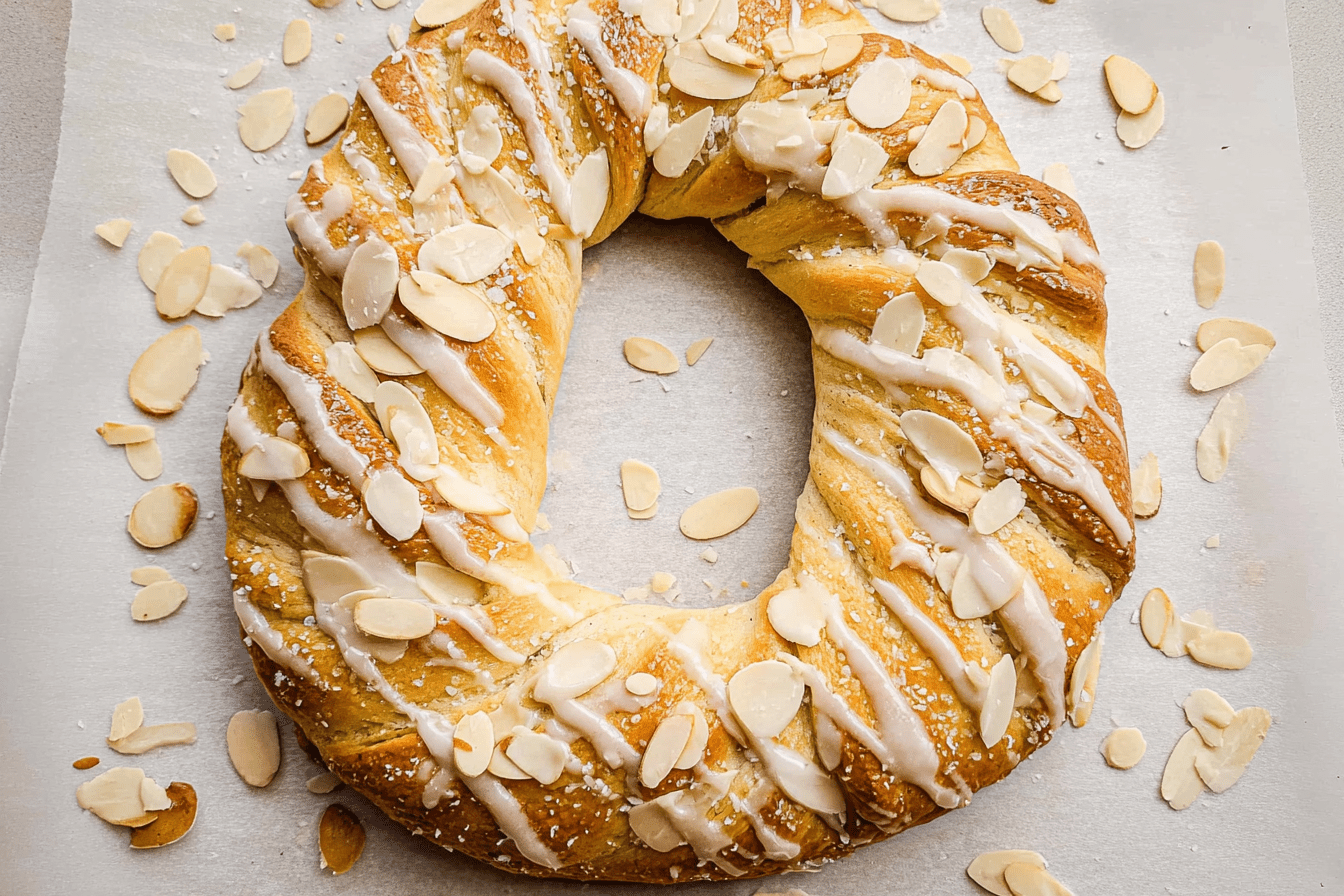
Bake for 25-30 minutes until golden brown, and remember to add optional toppings like icing or nuts after baking. Adaptation notes include swapping fillings and dairy ingredients for vegan or gluten-free preferences at each stage. This method not only achieves the authentic texture but also makes traditional danish kringle accessible for everyday bakers.
For more ideas on complementary recipes, explore apple fritters, which can inspire filling variations. With this guide, you’ll master how to make danish kringle recipes while enjoying the process.
Dietary Substitutions to Customize Your Danish Kringle
Customizing Danish Kringle for different diets keeps it enjoyable for everyone, from busy parents to diet-conscious individuals. The base uses ingredients like flour, butter, and eggs, but you can easily adapt them through substitutions to maintain that flaky, 36-layer texture. Varied fillings with fresh nuts, fruits, or creams allow for endless options while staying true to the traditional three-day process.
Protein and main component alternatives include replacing butter with coconut or vegan margarine and eggs with flaxseed or chia seed eggs for vegan diets. For gluten-free needs, swap wheat flour with almond or rice flour to preserve the dough’s structure. Low-calorie variations might use light cream cheese or fruit purees in the filling to cut down on fats without losing flavor.
Incorporate seasonal vegetables like spinach or zucchini into the fillings for added nutrition. Swap traditional options with fruit preserves or nut butters to match sweetness preferences, and adjust spices such as cinnamon or nutmeg to enhance taste. These changes ensure your Danish Kringle remains a versatile treat for all occasions.
Mastering Danish Kringle: Advanced Tips and Variations
To elevate your skills with Danish Kringle, focus on pro cooking techniques like using cold butter and working quickly to form distinct flaky layers. The three-day process of rolling and folding builds the 36 layers, so resting the dough adequately between steps is essential for that authentic texture. Experiment with flavor variations by adding citrus zest or almond extract, or try fillings like cream cheese and berries for a fresh twist.
For presentation, dust with powdered sugar, drizzle with icing, or garnish with toasted nuts to make your pastry visually appealing. Make-ahead options include preparing the dough or filling in advance and freezing the assembled kringle for convenience. Here’s a quick table of variations to try:
| Variation Type | Key Ingredients | Benefits |
|---|---|---|
| Fruit-Based | Fruit preserves (150-250g) | Adds natural sweetness and nutrition |
| Nut-Based | Pecans with brown sugar (150-250g) | Enhances crunch and flavor depth |
| Vegan Option | Plant-based margarine, almond milk | Suitable for dietary restrictions |
This approach makes traditional danish kringle recipes more exciting.
How to Store Danish Kringle: Best Practices
Proper storage preserves the flaky texture of your Danish Kringle, which comes from its 36 layers built over three days. After baking and adding toppings like icing or nuts, keep it fresh to enjoy with coffee anytime. Following these steps ensures your pastry remains delicious for busy schedules or family treats.
Refrigeration: Store in an airtight container in the refrigerator for up to 3 days to maintain freshness. Freezing: Wrap tightly in plastic wrap and aluminum foil; freeze for up to 2 months, then thaw overnight. Reheating: Warm in a 350°F oven for 10-15 minutes to restore crispiness. Meal prep considerations: Prepare multiple kringles ahead and store frozen for easy baking later.
This rich, buttery pastry pairs excellently with a hot cup of coffee, making storage tips key for enjoying it anytime.
FAQs: Frequently Asked Questions About Danish Kringle
What is Danish Kringle and how is it different from other pastries?
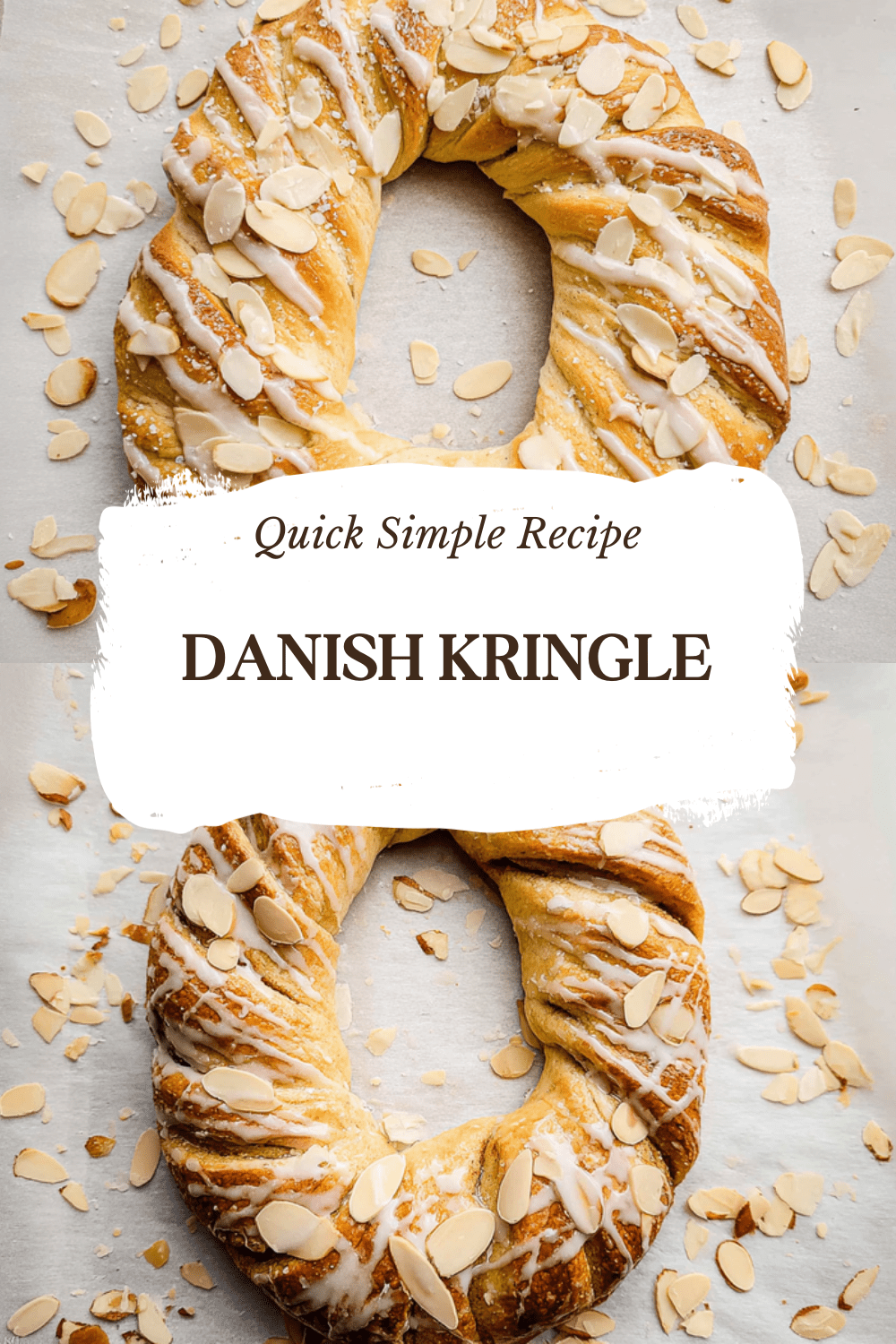
Danish Kringle is a traditional Danish pastry shaped into a large, twisted oval, typically filled with fruit, nuts, or almond paste. Unlike croissants, which are flaky and buttery, Kringle is laminated but tends to be denser with a slightly crisp exterior. It’s often topped with icing or sugar, making it both a breakfast treat and a popular dessert. Its distinct shape and variety of fillings make it stand out from other pastries.
How do you store Danish Kringle to keep it fresh?
To keep Danish Kringle fresh, wrap it tightly in plastic wrap or store in an airtight container at room temperature for up to two days. For longer storage, place it in the refrigerator for up to a week or freeze it for up to two months. When ready to eat, warm the Kringle in the oven at 350°F (175°C) for 5-10 minutes to restore its flaky texture and flavor.
Can I make Danish Kringle at home and what ingredients do I need?
Yes, you can make Danish Kringle at home using basic ingredients like flour, butter, sugar, yeast, milk, and eggs for the dough. The filling often includes almond paste, cream cheese, fruits, or nuts. The key is to carefully layer the butter into the dough to achieve a flaky texture, then shape the dough into the traditional oval twist before baking. Several recipes with step-by-step instructions are available for beginners.
What are some popular fillings for Danish Kringle?
Popular Danish Kringle fillings include almond paste, custard, cream cheese, cherry, raspberry, apple, and pecans. Many versions combine nuts and fruits with sugar and spices for added flavor. Almond-based filling is a classic choice, offering a sweet and slightly nutty texture. Choosing fillings depends on personal taste and regional preferences.
Is Danish Kringle a traditional holiday pastry or eaten year-round?
Danish Kringle is enjoyed year-round but is especially popular during holidays and special occasions. It is commonly served at Christmas, Easter, and family gatherings. Despite its festive associations, many bakeries and cafes offer Kringle throughout the year as a daily treat or breakfast item. Its versatility makes it a favorite pastry for various celebrations.
Danish Kringle
🥐 Everyday Kringle Favorites deliver the authentic flaky texture of traditional Danish pastries through a meticulous three-day preparation.
☕ This buttery, layered treat pairs beautifully with coffee, providing a delicious, indulgent experience for any occasion.
- Total Time: 3 days 1 hour 15 minutes
- Yield: 1 large kringle
Ingredients
– 500 grams all-purpose flour for providing the base structure for the dough
– 250 grams unsalted butter for creating the flakiness through layering
– some softened unsalted butter for helping mix and bind the ingredients
– 100 grams granulated sugar for adding sweetness and aiding in browning
– 2 large eggs for binding the dough and contributing to its rich texture
– 120 ml milk for activating the yeast and moistening the dough
– 10 grams active dry yeast for leavening the dough for that light, airy quality
– 1 pinch salt for enhancing the overall flavor balance
– 150 to 250 grams fillings for adding variety and flavor to the center
Instructions
1-First, prepare the dough by combining warm milk, yeast, and sugar; let it sit until frothy to activate the yeast.
2-Next, mix in flour, salt, and egg to the yeast mixture, then knead until smooth and elastic.
3-Then, incorporate softened butter into the dough by folding it several times to create layers, which is crucial for the flakiness.
4-After that, allow the dough to rise in a warm place until doubled in size, approximately 1 hour.
5-Following the rise, the dough is rolled out and layered with cold butter multiple times, rested, and chilled over the three days.
6-Once ready, roll out the dough into a rectangle, spread your chosen filling evenly, and fold it into the classic ring or oval shape.
7-Let the shaped dough rest for 30 minutes to rise again before baking, then preheat the oven to 375°F (190°C) and brush with egg wash for a golden color.
8-Bake for 25-30 minutes until golden brown, and remember to add optional toppings like icing or nuts after baking.
Last Step:
Please leave a rating and comment letting us know how you liked this recipe! This helps our business to thrive and continue providing free, high-quality recipes for you.Notes
⏳ Patience is key during the multi-day resting and layering to achieve authentic flakiness.
🥄 Use high-quality butter and fresh ingredients to enhance flavor and texture.
🍽️ Customize fillings to your preference, from nutty to fruity, for varied treats.
- Prep Time: 45 minutes
- Resting and Layering Time: 3 days
- Cook Time: 30 minutes
- Category: Dessert
- Method: Baking and Layering
- Cuisine: Danish
Nutrition
- Serving Size: 1 slice