Why You’ll Love This Creamy Orzo Butternut Squash
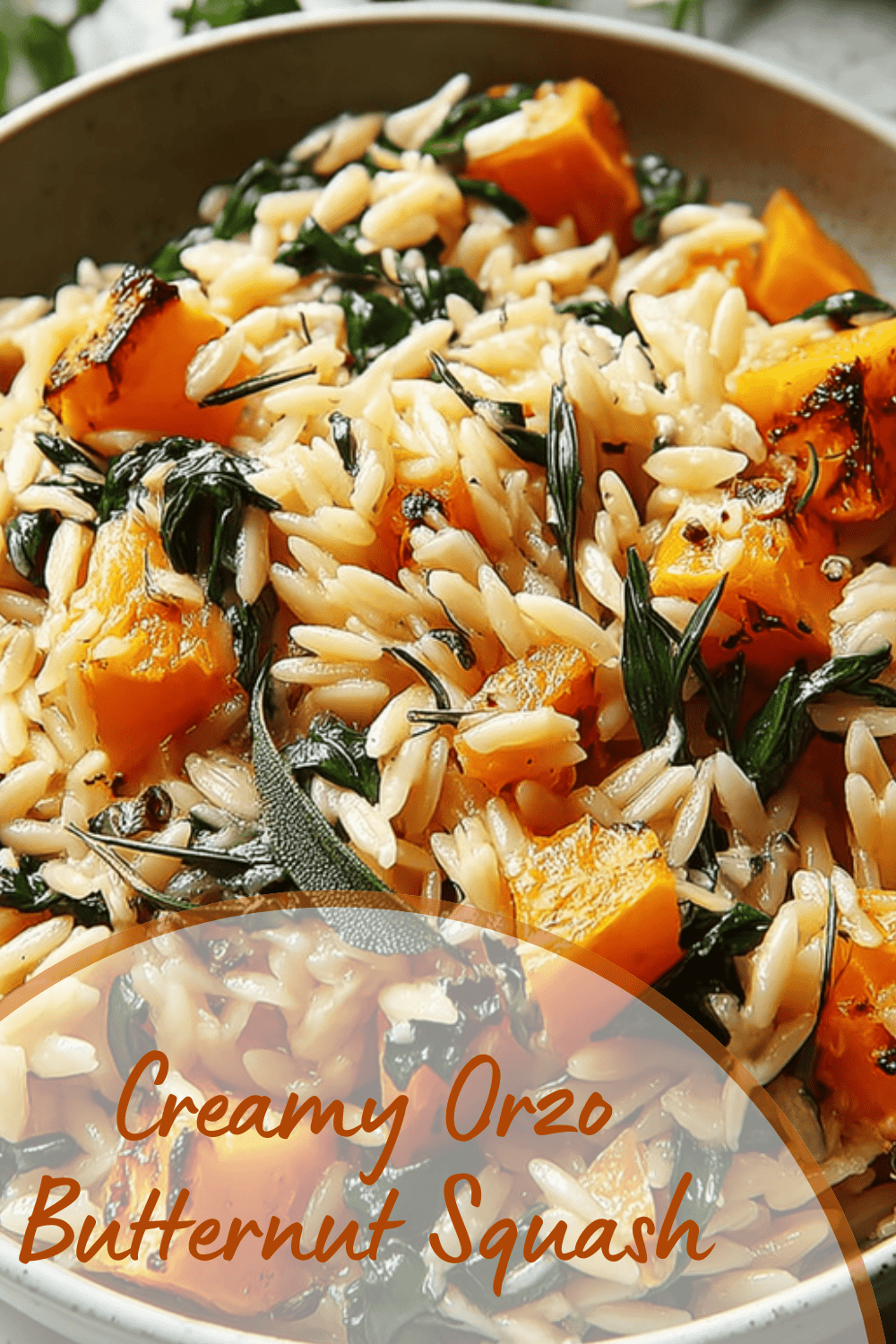
Fall is the perfect season for comforting dishes that bring warmth and nutrition to your table, and Creamy Orzo Butternut Squash fits right in. This recipe stands out because it’s easy to make, even on busy days, with simple steps that anyone can follow. Imagine a hearty meal that combines tender roasted butternut squash with creamy orzo, making it a hit for families and those watching their diet.
Health benefits abound in this dish, featuring butternut squash packed with vitamins A and C for immune support and eye health. Adding kale and herbs brings extra fiber and antioxidants, turning this into a nutritious option without losing any of the cozy flavors. Whether you’re a home cook or a busy parent, this recipe offers flexibility for different tastes and needs, ensuring it’s a go-to choice year-round.
One of the best parts is how adaptable it is; you can tweak ingredients to suit vegan, gluten-free, or low-calorie preferences. This creates a versatile main course that’s not just tasty but also inclusive, perfect for gatherings or quick dinners. Dive into this Creamy Orzo Butternut Squash to discover a blend of sweet and savory notes that make every bite memorable.
Jump To
- 1. Why You’ll Love This Creamy Orzo Butternut Squash
- 2. Essential Ingredients for Creamy Orzo Butternut Squash
- 3. How to Prepare the Perfect Creamy Orzo Butternut Squash: Step-by-Step Guide
- 4. Dietary Substitutions to Customize Your Creamy Orzo Butternut Squash
- 5. Mastering Creamy Orzo Butternut Squash: Advanced Tips and Variations
- 6. How to Store Creamy Orzo Butternut Squash: Best Practices
- 7. FAQs: Frequently Asked Questions About Creamy Orzo Butternut Squash
- 8. Creamy Orzo Butternut Squash
Essential Ingredients for Creamy Orzo Butternut Squash
Gathering the right ingredients is key to making this Creamy Orzo Butternut Squash recipe shine. Below is a complete list based on the recipe, ensuring you have everything needed for a delicious outcome. Each item includes precise measurements to help you measure accurately and avoid any kitchen surprises.
- 2 tablespoons olive oil, divided
- 1 large butternut squash (approximately 2 lbs/1 kg), peeled, seeded, and cut into bite-sized cubes
- Salt and pepper to taste
- 2 shallots, chopped
- 2-3 cloves garlic, minced
- 10 sage leaves (or 0.5 teaspoon dried sage), divided
- 500 grams (2 ½ cups) orzo pasta
- 1 liter plus 250 ml (5 cups plus ½ cup if needed) vegetable stock
- 100 grams (1 cup) kale, chopped (cavolo nero preferred; can substitute spinach or Swiss chard)
- 50 grams (3/4 cup) freshly grated Parmesan cheese
These ingredients create a balanced mix of flavors and textures, with the butternut squash providing sweetness and the orzo adding a creamy base. For special dietary options, consider swaps like nutritional yeast for Parmesan in vegan versions or gluten-free pasta for those avoiding gluten. For more ideas on adapting recipes, check out our vegan lasagna guide that offers similar substitution tips.
How to Prepare the Perfect Creamy Orzo Butternut Squash: Step-by-Step Guide
Creating this Creamy Orzo Butternut Squash is a straightforward process that results in a flavorful, hearty meal. Start by preheating your oven, as this step is essential for roasting the squash to perfection. The entire process takes about 1 hour and 25 minutes, including 15 minutes for prep, making it ideal for weeknight dinners.
First, preheat the oven to 400°F (200°C). Toss the butternut squash cubes with salt, pepper, 1 tablespoon olive oil, and 4-5 sage leaves, then spread them on a baking sheet. Roast for 45 minutes or until golden and tender, flipping halfway to ensure even cooking.
While the squash roasts, heat the remaining 1 tablespoon olive oil in a deep pan over low heat. For the best results, keep the heat low to avoid burning the aromatics. Sauté the chopped shallots, minced garlic, and the remaining sage leaves for 2-3 minutes until fragrant and golden.
Next, add the vegetable stock, salt, and chopped kale to the pan, then bring it to a boil. Stir in the orzo pasta and cook for 7-8 minutes, stirring frequently to prevent sticking and achieve that creamy texture. If the mixture gets too thick, add up to ½ cup of vegetable stock or water to keep it smooth.
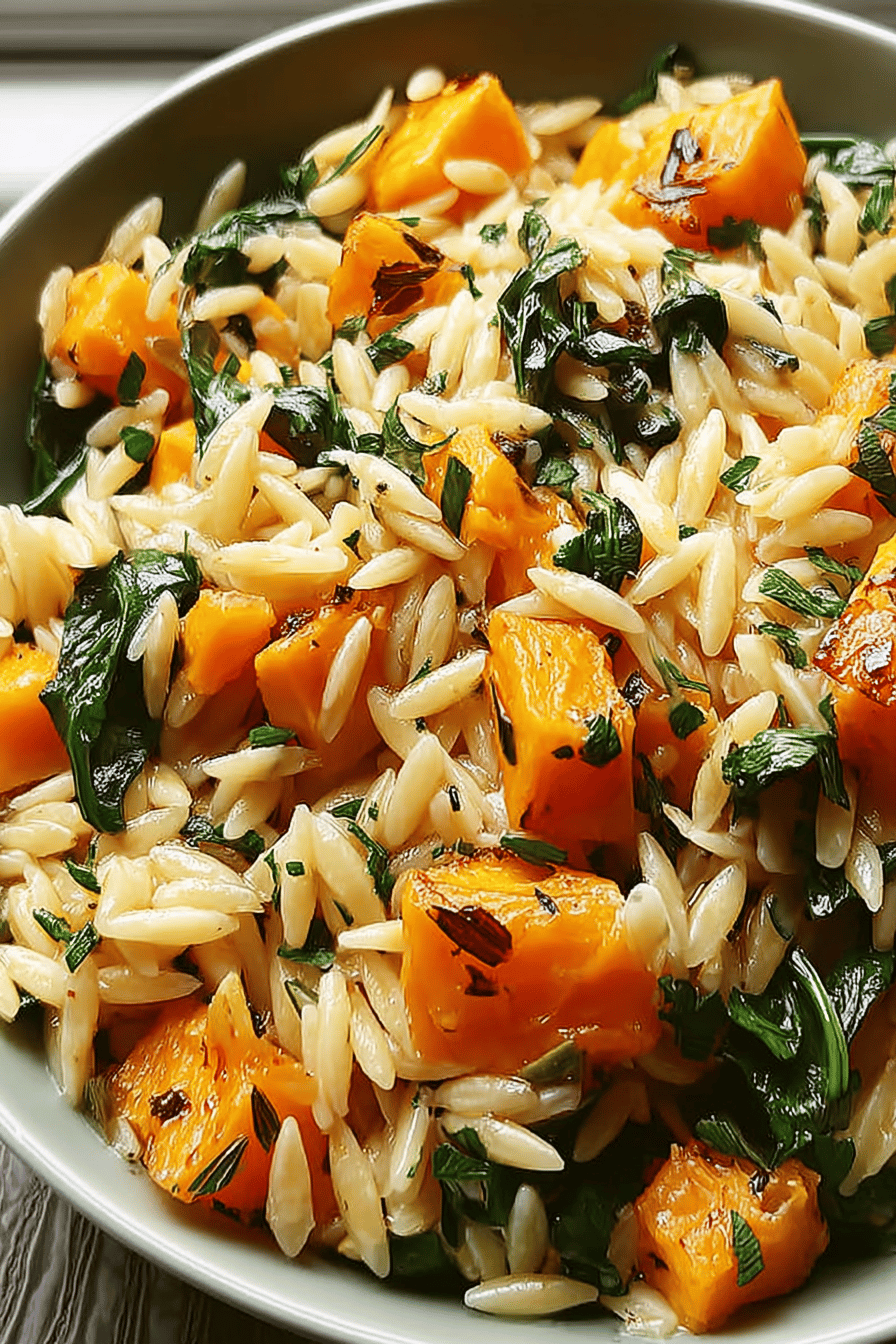
Once the orzo is al dente, remove the pan from the heat and stir in the freshly grated Parmesan cheese for extra creaminess. Adjust the salt to taste and serve immediately, topped with the roasted butternut squash. This method ensures a dish that’s not only tasty but also packed with nutrition, like the health benefits of butternut squash we’ve discussed.
Nutritional Breakdown
To give you a clear idea of what you’re enjoying, here’s a table of the approximate nutritional information per serving:
| Nutrient | Amount |
|---|---|
| Calories | 429 |
| Carbohydrates | 83 grams |
| Protein | 16 grams |
| Fat | 4 grams |
| Saturated Fat | 2 grams |
| Cholesterol | 6 mg |
| Sodium | 541 mg |
| Potassium | 835 mg |
| Fiber | 6 grams |
| Sugar | 6 grams |
| Vitamin A | 17802 IU |
| Vitamin C | 53 mg |
| Calcium | 219 mg |
| Iron | 3 mg |
This table highlights why this dish is a great choice for diet-conscious folks, offering a balance of macros and essential vitamins.
Dietary Substitutions to Customize Your Creamy Orzo Butternut Squash
Everyone has unique needs, so adapting Creamy Orzo Butternut Squash is simple and fun. Start with protein and main component alternatives to fit different diets, like swapping orzo for quinoa or rice pasta if you’re gluten-free. These changes keep the dish hearty and satisfying while meeting your requirements.
Protein and Main Component Alternatives
- Replace orzo with quinoa for added protein and a nutty flavor that pairs well with the squash.
- Use chickpeas or white beans to boost plant-based protein without altering the creamy texture.
- Swap Parmesan for vegan cheese to keep things dairy-free yet flavorful.
Vegetable, Sauce, and Seasoning Modifications
- Substitute butternut squash with sweet potatoes or pumpkin for a seasonal twist.
- Opt for almond cream instead of dairy for a richer, non-dairy sauce.
- Try thyme or rosemary in place of sage to experiment with new tastes.
Tips like these come from our kitchen experiments, and for more inspiration on vegetable swaps, visit our zucchini corn chowder recipe for ideas.
Mastering Creamy Orzo Butternut Squash: Advanced Tips and Variations
Taking your Creamy Orzo Butternut Squash to the next level involves pro cooking techniques, like roasting the squash until it’s deeply caramelized for that extra sweetness. Toasting the orzo in olive oil before adding broth adds a nutty depth that makes the dish even more irresistible. These steps might take a bit more time, but they’re worth it for the flavor boost.
Explore flavor variations by adding a splash of white wine for brightness or mixing in sautéed mushrooms for extra texture. Presentation is key too; serve it in bowls with fresh sage and a drizzle of olive oil to make it look as good as it tastes. For make-ahead options, prepare the base ahead and reheat with a bit of broth to keep it creamy.
These expert suggestions make the dish adaptable for special occasions, drawing from experiences like preparing how to cook orzo effectively.
How to Store Creamy Orzo Butternut Squash: Best Practices
Proper storage keeps your Creamy Orzo Butternut Squash fresh and tasty for later. Always cool the dish completely before putting it away to maintain its texture. In the fridge, it lasts up to 5 days in airtight containers, perfect for meal prep.
For longer storage, freezing works if you portion it out, though it might change the texture a bit. When reheating, add a splash of vegetable stock to bring back that creamy feel. These practices help you enjoy leftovers without losing quality.
FAQs: Frequently Asked Questions About Creamy Orzo Butternut Squash
What is orzo and how is it different from other pasta?
Orzo is a small, rice-shaped pasta made from wheat flour, commonly used in soups, salads, and creamy dishes. Unlike longer pasta shapes like spaghetti or penne, orzo cooks quickly and provides a smooth, tender texture that blends well with creamy sauces and vegetables like butternut squash.
How do I make the orzo creamy without adding heavy cream?
To achieve a creamy texture, stir the orzo frequently while it cooks. This releases the pasta’s natural starches, thickening the liquid and creating a creamy consistency similar to risotto. Cooking the orzo in a flavorful broth also enhances taste without the need for heavy cream.
Can I replace butternut squash with other vegetables in this recipe?
Yes, you can swap butternut squash with pumpkin, sweet potatoes, carrots, or roasted cauliflower. These vegetables offer a similar sweetness and texture that complement the creamy orzo, helping maintain the dish’s comforting flavor.
Is it possible to make creamy orzo butternut squash vegan?
Absolutely. Replace the Parmesan cheese with a plant-based cheese alternative or nutritional yeast to maintain a savory umami flavor. Use vegetable broth instead of chicken broth, and skip butter or substitute it with a vegan margarine to keep the dish fully vegan.
How should I store and reheat leftovers of creamy orzo butternut squash?
Store leftovers in an airtight container in the refrigerator for up to 4–5 days. Reheat gently on the stove with a splash of broth or water to restore creaminess, or microwave in short intervals, stirring in between. Avoid freezing, as orzo can become mushy after thawing.
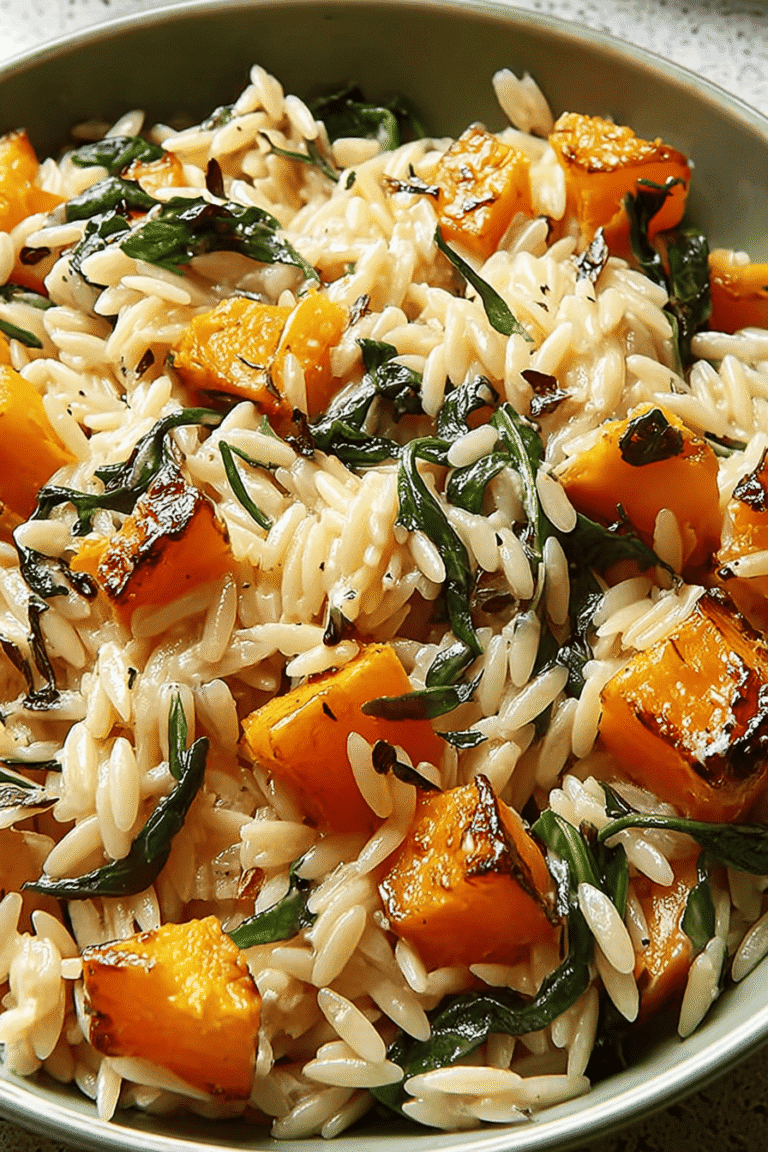
Creamy Orzo Butternut Squash
🎃 This Butternut Squash Orzo offers a creamy, comforting dish packed with roasted flavors for a delicious vegetarian meal.
🍝 Combining tender orzo, sautéed greens, and Parmesan cheese, it creates a hearty option perfect for cozy dinners or meal prep.
- Total Time: 1 hour 25 minutes
- Yield: 4 servings
Ingredients
– 2 tablespoons olive oil, divided
– 1 large butternut squash (approximately 2 lbs/1 kg), peeled, seeded, and cut into bite-sized cubes
– Salt and pepper to taste
– 2 shallots, chopped
– 2-3 cloves garlic, minced
– 10 sage leaves (or 0.5 teaspoon dried sage), divided
– 500 grams (2 ½ cups) orzo pasta
– 1 liter plus 250 ml (5 cups plus ½ cup if needed) vegetable stock
– 100 grams (1 cup) kale, chopped (cavolo nero preferred; can substitute spinach or Swiss chard)
– 50 grams (3/4 cup) freshly grated Parmesan cheese
Instructions
1-First, preheat the oven to 400°F (200°C). Toss the butternut squash cubes with salt, pepper, 1 tablespoon olive oil, and 4-5 sage leaves, then spread them on a baking sheet. Roast for 45 minutes or until golden and tender, flipping halfway to ensure even cooking.
2-While the squash roasts, heat the remaining 1 tablespoon olive oil in a deep pan over low heat. For the best results, keep the heat low to avoid burning the aromatics. Sauté the chopped shallots, minced garlic, and the remaining sage leaves for 2-3 minutes until fragrant and golden.
3-Next, add the vegetable stock, salt, and chopped kale to the pan, then bring it to a boil. Stir in the orzo pasta and cook for 7-8 minutes, stirring frequently to prevent sticking and achieve that creamy texture. If the mixture gets too thick, add up to ½ cup of vegetable stock or water to keep it smooth.
4-Once the orzo is al dente, remove the pan from the heat and stir in the freshly grated Parmesan cheese for extra creaminess. Adjust the salt to taste and serve immediately, topped with the roasted butternut squash. This method ensures a dish that’s not only tasty but also packed with nutrition, like the health benefits of butternut squash we’ve discussed.
Last Step:
Please leave a rating and comment letting us know how you liked this recipe! This helps our business to thrive and continue providing free, high-quality recipes for you.Notes
🔥 Use low heat when cooking garlic and shallots to avoid bitterness.
💧 Adjust sauce thickness with stock or water as desired.
🌿 Use kale for earthiness or substitute with spinach or Swiss chard, removing tough stalks.
- Prep Time: 15 minutes
- Cook Time: 1 hour 10 minutes
- Category: Main Dish
- Method: Roasting and sautéing
- Cuisine: Vegetarian
- Diet: Vegetarian
Nutrition
- Serving Size: 1 serving
- Calories: 429
- Sugar: 6 grams
- Sodium: 541 mg
- Fat: 4 grams
- Saturated Fat: 2 grams
- Carbohydrates: 83 grams
- Fiber: 6 grams
- Protein: 16 grams
- Cholesterol: 6 mg