

Why You’ll Love This Classic French Toast
This classic French toast recipe is about to become your go-to breakfast favorite for all the right reasons. It’s not just about satisfying your morning hunger; it’s about creating a simple, delicious meal that brings joy to your kitchen and smiles to your family’s faces. The combination of crispy edges and custard-like centers makes this recipe absolutely irresistible.
- Ease of preparation: This recipe comes together in just 15 minutes with minimal prep work. Even on busy weekday mornings, you can whip up a batch without any special culinary skills. The simple batter takes just minutes to blend, and each slice cooks quickly on the griddle.
- Health benefits: With 7g of protein per serving and essential nutrients like calcium and iron, this breakfast provides substantial nutritional value to start your day. The eggs offer high-quality protein that keeps you feeling satisfied longer, while cinnamon adds more than just flavor with its potential health benefits.
- Versatility: This recipe adapts easily to different dietary needs and preferences. Whether you’re looking to make it dairy-free, gluten-free, or simply want to use what you have in your kitchen, this classic French toast can be customized without sacrificing taste or texture.
- Distinctive flavor: The perfect balance of sweetness from sugar and warmth from cinnamon creates a taste profile that’s comforting yet special. The vanilla extract adds that bakery-quality aroma and flavor that makes this recipe stand out from ordinary breakfast options.
Jump To
- 1. Why You’ll Love This Classic French Toast
- 2. Essential Ingredients for Classic French Toast
- 3. How to Prepare the Perfect Classic French Toast: Step-by-Step Guide
- 4. Protein and Main Component Alternatives
- 5. Vegetable, Sauce, and Seasoning Modifications
- 6. Mastering Classic French Toast: Advanced Tips and Variations
- 7. How to Store Classic French Toast: Best Practices
- 8. FAQs: Frequently Asked Questions About Classic French Toast
- 9. Classic French Toast
Essential Ingredients for Classic French Toast
Creating the perfect French toast starts with understanding each ingredient’s role in the recipe. Every component has been carefully selected to achieve that ideal balance of texture and flavor that makes this breakfast so beloved.
Main Ingredients
4 large eggs – The protein base that binds the batter together and creates structure 2/3 cup milk (160 ml) – Provides moisture and creates the custard-like texture 1/4 cup flour (30 grams) – Secret ingredient for extra fluffiness and batter consistency 1/4 cup sugar (50 grams) – Adds just the right amount of sweetness to balance flavors 1/4 teaspoon salt – Enhances overall flavor and balances the sweetness 1 teaspoon cinnamon – Provides warmth and classic French toast flavor 1 teaspoon vanilla extract (5 ml) – Adds depth and aromatic qualities 8 thick slices of bread – Foundation of the dish; absorb the batter perfectly
Special Dietary Options
| Dietary Need | Substitutions |
|---|---|
| Vegan | Use plant-based milk like almond or soy milk, flax eggs (1 tablespoon ground flaxseed + 3 tablespoons water per egg), and maple syrup instead of refined sugar |
| Gluten-free | Replace regular flour with gluten-free all-purpose flour blend and use certified gluten-free bread |
| Low-calorie | Use egg whites or egg substitute, reduce sugar amount, opt for low-fat milk, and choose whole grain bread with fewer calories |
The quality of your bread makes a significant difference in the final result. Slightly stale bread actually works better because it absorbs the batter without becoming soggy, creating the perfect texture balance between crispy exterior and soft interior.
How to Prepare the Perfect Classic French Toast: Step-by-Step Guide
Making restaurant-quality French toast at home is easier than you might think. This foolproof method ensures consistent results every time, with perfectly cooked slices that have golden exteriors and fluffy, custard-like centers. Let’s walk through the process together.
First Step: Preparation
Begin by preheating your cooking surface. For best results, preheat a griddle to 350 degrees F or heat a skillet over medium heat. This temperature ensures the French toast cooks through without burning the exterior. While the griddle heats, gather all your ingredients and equipment to streamline the cooking process. You’ll need a blender or whisk, a shallow dish for dipping, and a spatula for flipping.
Second Step: Creating the Batter
In a blender, combine the eggs, milk, flour, sugar, salt, cinnamon, and vanilla extract. Blend until completely smooth with no lumps. This step is crucial for achieving that silky, uniform batter that coats the bread perfectly. If you don’t have a blender, start by whisking the flour and eggs together first to eliminate lumps before gradually adding the remaining ingredients. Whisk until the mixture is completely smooth and well-combined.
Looking for another breakfast option? Try these lemon blueberry ricotta pancakes for a different morning treat.
Third Step: Preparing the Bread
Take your thick slices of bread (cinnamon bread, brioche, or slightly stale bread work wonderfully) and dip each slice into the batter. Ensure both sides are coated evenly, but don’t let the bread soak for too long just a quick dip on each side is sufficient. The bread should be saturated but not falling apart. Allow excess batter to drip off slightly before placing on the cooking surface.
Fourth Step: Cooking the French Toast
Place the dipped bread slices onto the hot greased griddle or skillet. Cook for a few minutes until the bottom develops a beautiful golden brown color. Watch carefully as the exact time will depend on your heat source and bread thickness. Using a spatula, gently flip each slice and cook the other side until equally golden brown. The flour in the batter helps create that signature crust while keeping the interior fluffy.
Final Step: Serving
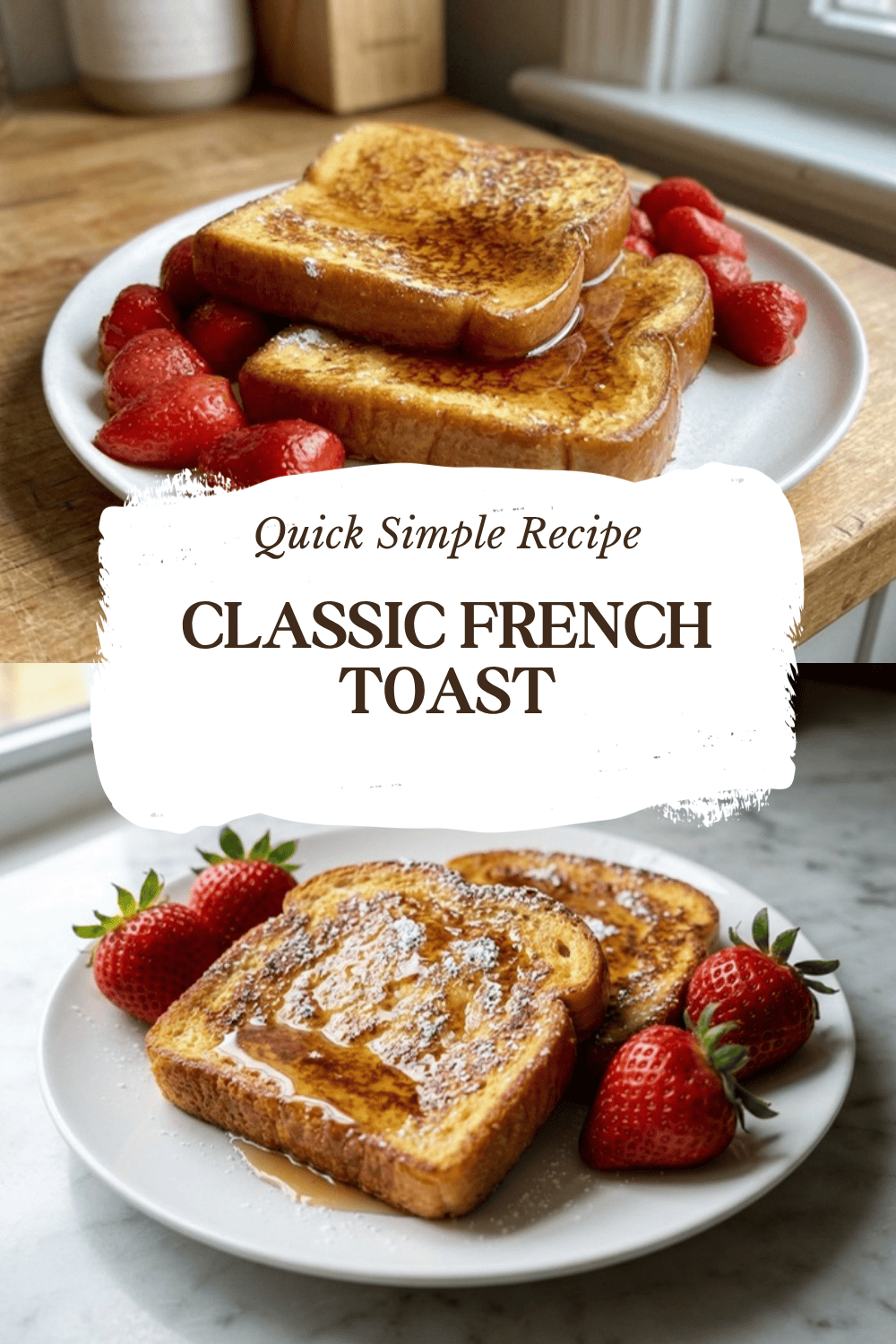
Remove the French toast from heat and transfer to plates. Serve warm with traditional accompaniments like maple syrup, fresh fruit, whipped cream, and a light sprinkle of powdered sugar for presentation. The contrast between the warm, cinnamon-scented French toast and cool toppings creates a delightful eating experience. For an extra special touch, arrange fruit in an appealing pattern or drizzle syrup in a decorative pattern.
Protein and Main Component Alternatives
While traditional French toast relies on eggs as its protein source, there are numerous ways to modify the recipe to suit different dietary preferences or nutritional goals. Understanding these alternatives allows you to customize this breakfast while maintaining the delicious experience everyone loves.
Egg Substitutions
For those avoiding eggs, several effective alternatives can achieve similar binding and texture qualities. Commercial egg replacers work well in this recipe, typically following package instructions for the equivalent of 4 eggs. Ground flaxseed mixed with water (1 tablespoon ground flax to 3 tablespoons water per egg) creates a gelatinous mixture that mimics egg binding properties, though it may add a slightly nutty flavor. Silken tofu, blended until completely smooth, can also replace eggs at a ratio of 1/4 cup per egg, providing protein without the eggy taste. For those who eat eggs but want to reduce cholesterol, using 2 egg whites for each whole egg is an excellent option that maintains structure while lowering fat content.
Milk Variations
The type of milk used significantly impacts the final texture and flavor of your French toast. Whole milk creates the richest, creamiest results due to its higher fat content. For a lighter version, 2% or skim milk works adequately, though the resulting French toast may be slightly less tender. Plant-based milk alternatives like almond, soy, oat, or coconut milk all work well in this recipe, with each imparting subtle flavor differences. Coconut milk particularly adds richness that closely mimics dairy milk. When using non-dairy options, ensure they are unsweetened to control the overall sweetness of the dish. For a decadent treat, try replacing half the milk with heavy cream for an incredibly luxurious texture.
Vegetable, Sauce, and Seasoning Modifications
One of the joys of French toast is its adaptability to various flavor profiles and seasonal ingredients. With simple modifications, you can transform this classic breakfast into entirely new experiences that keep your morning routine exciting and delicious.
Sauce and Topping Options
While maple syrup is the traditional accompaniment, numerous alternatives complement the flavors of French toast beautifully. Homemade rhubarb jam provides a tart contrast to the sweet custard, while fresh cherry jam adds seasonal fruitiness. For a nutty twist, try almond butter or cashew butter spread between two slices to create a stuffed French toast variation. A simple fruit compote made with seasonal berries offers both natural sweetness and vibrant color. For a sophisticated touch, a light lemon glaze made with powdered sugar and lemon juice adds brightness without overwhelming the dish.
Seasoning Variations
Beyond cinnamon, various spices can transform the flavor profile of your French toast. Pumpkin pie spice blend creates an autumnal version perfect for cooler months, while nutmeg and allspice add depth and warmth. For a unique twist, try adding cardamom for its distinctive citrusy notes or a pinch of ginger for gentle heat. Orange zest combined with a touch of almond extract creates a delightful flavor combination reminiscent of morning pastries. During holiday seasons, a drop of peppermint extract transforms the dish into a festive treat. For chocolate lovers, cocoa powder can replace some of the cinnamon for a mocha-inspired breakfast that still maintains the classic French toast texture.
Mastering Classic French Toast: Advanced Tips and Variations
Once you’ve mastered the basic recipe, these pro techniques and creative variations will elevate your French toast from good to absolutely exceptional. These insights come from years of kitchen testing and will help you achieve restaurant-quality results in your own home.
Pro Cooking Techniques
The secret to perfectly cooked French toast lies in temperature control. Cooking on medium to medium-low heat prevents burning while allowing the interior to cook through completely. Butter in the pan not only prevents sticking but also contributes to that golden-brown color and subtle nutty flavor. For extra crispy edges, try adding a small amount of oil along with the butter. When cooking multiple batches, keep finished slices warm in a 200°F oven while cooking the remaining bread. This technique ensures all servings are served at the optimal temperature. The flour in this recipe is the game-changer that creates a thicker batter coating, resulting in that perfectly fluffy texture that sets this version apart from others.
Flavor Variations
Transform this classic recipe into new taste experiences with simple additions. Stuffed French toast takes it to the next level simply make a sandwich with cream cheese, nutella, or fruit preserves between two thin slices before dipping in the batter. For a savory version, reduce the sugar and add herbs like thyme or rosemary, then top with bacon and a poached egg. Creating a hazelnut variation by adding a tablespoon of hazelnut spread to the batter mimics the flavor of popular breakfast pastries. For a banana bread-inspired version, layer sliced bananas between two pieces of bread before dipping. These variations maintain the beloved texture while introducing exciting new flavor profiles.
Presentation Tips
Restaurant-quality presentation begins with a dusting of powdered sugar through a fine mesh sieve for even distribution. Fresh berries arranged in a colorful pattern on top adds visual appeal and freshness. A sprig of mint or a few edible flowers can transform a simple breakfast into an elegant brunch dish. For a dramatic presentation, stack three slices with layers of filling between them and secure with a decorative toothpick. Drizzling sauces in patterns or using cookie cutters to create shaped French toast for special occasions adds that extra touch of care that makes eating feel special.
Make-Ahead Options
One of the best features of this recipe is that the batter can be prepared 1-2 days in advance and stored in the refrigerator. This makes busy mornings so much easier! Simply whisk all ingredients together and store in an airtight container. Give it a quick stir or shake before using as minor settling may occur. For weekend meal prep, cook the entire batch of French toast in advance, cool completely, and store in the refrigerator for up to 3 days or freeze for up to 3 months. This approach allows you to enjoy homemade French toast even on the busiest weekdays with just a quick reheat in the toaster or microwave.
How to Store Classic French Toast: Best Practices
Proper storage techniques ensure your French toast maintains its quality and flavor whether you’re saving leftovers or meal prepping for the week ahead. These guidelines will help you enjoy this breakfast favorite beyond the initial cooking session.
Refrigeration
For short-term storage, allow cooked French toast to cool completely on a wire rack to prevent condensation from making it soggy. Once cooled, place slices in an airtight container or sealable bag with parchment paper between layers to prevent sticking. Properly stored, cooked French toast will maintain good quality in the refrigerator for 2-3 days. The batter itself can be refrigerated in a sealed container for 1-2 days before use, though it may require a brief whisk before dipping as ingredients may separate slightly. When refrigerating uncooked dipped bread, it’s best to dip and cook immediately rather than storing pre-soaked slices, as they can become overly saturated and difficult to handle.
Freezing
Freezing French toast is an excellent option for longer storage and meal prep. Cool cooked slices completely, then arrange them in a single layer on a baking sheet and freeze until firm (about 1-2 hours). Once individually frozen, transfer to a freezer-safe bag, placing parchment paper between slices to prevent them from sticking together. Properly frozen French toast maintains excellent quality for up to 3 months. For maximum convenience, consider freezing individual portions in separate bags, allowing you to grab exactly what you need without thawing more than necessary. Label bags with the date to help you track freshness and use older batches first.
Reheating
The reheating method you choose impacts the texture and quality of your French toast. For the best results, reheat frozen or refrigerated French toast in a skillet over medium heat with a small amount of butter for 2-3 minutes per side until heated through and crispy. The toaster works well for single slices, though it may take 1-2 cycles depending on thickness. For the quickest method, microwave on high for 20-30 seconds per slice, covering loosely to retain moisture and prevent drying out. Avoid reheating in the oven unless cooking multiple servings at once, as this method can dry out the edges before the center warms through.
Meal Prep Considerations
Batch cooking French toast on weekends simplifies busy weekday mornings significantly. Consider doubling or tripling the recipe to ensure you have plenty for the week ahead. Prepare a variety of toppings in advance as well wash and cut fresh fruit, prepare compotes, or portion syrups into small containers for easy access. For breakfast sandwiches, cook French toast slices slightly thinner and use them as bread with eggs, cheese, or meat between layers. This approach transforms a simple breakfast into grab-and-go meals that still feel special and homemade.
FAQs: Frequently Asked Questions About Classic French Toast
What’s the best bread for French toast?
For classic French toast, choose thick-sliced bread like Texas Toast, brioche, or challah that’s at least 1-inch thick to soak up the batter without falling apart. Slightly stale bread from 1-2 days old works best because it absorbs the custard evenly and crisps up nicely during cooking. Fresh bread can get soggy, so if using fresh, let slices air-dry for 30 minutes. Avoid thin sandwich bread as it disintegrates. Cinnamon or raisin bread adds flavor variety. Cut your own 1-inch slices from a loaf for perfect results. This simple choice leads to golden, custardy centers with crunchy edges every time. (87 words)
How do I make fluffy French toast batter?
Start with 4 eggs, 1 cup milk, 2 tablespoons flour (the key for fluffiness—it thickens into a batter), 1 teaspoon vanilla, ½ teaspoon cinnamon, and a pinch of salt. Whisk eggs first, then mix in flour to avoid lumps, followed by remaining ingredients until smooth. The flour creates a thicker dip that coats bread evenly, yielding light, airy texture instead of soggy slices. Dip bread 10-20 seconds per side; don’t oversoak. For extra fluff, let dipped bread rest 1 minute before cooking. This batter serves 8 slices and scales easily. (92 words)
What kind of milk works for French toast?
Any milk fits classic French toast—whole milk, 2%, skim, almond, oat, or coconut. Whole milk or half-and-half gives the creamiest, richest custard due to higher fat content (about 3-4% fat vs. skim’s 0%). For dairy-free, unsweetened almond milk keeps it neutral; add a tablespoon of cream or coconut milk for luxury. Avoid sweetened plant milks to prevent overly sweet results. Test small batches if substituting. Pro tip: warm milk slightly before mixing for better egg incorporation and smoother batter. Yields consistent, flavorful results across preferences. (94 words)
Can you make French toast batter ahead of time?
Yes, prepare batter up to 2 days in advance. Whisk all ingredients as usual, then store in an airtight container in the fridge. Flour keeps it stable without separating much. Shake or stir gently before use, as minor settling occurs. Use fresh eggs and milk for best freshness; sniff for off smells before dipping. This saves morning prep time—ideal for brunch crowds. Batter for 8 slices takes 5 minutes to mix. Dip and cook fresh for peak texture; pre-dipped bread gets mushy. Leftovers last 1 day refrigerated. Streamlines busy routines without quality loss. (96 words)
How do you freeze and reheat French toast?
Cool cooked French toast fully on a wire rack to prevent sogginess. Layer in a freezer bag with parchment between slices; freeze up to 3 months. For reheating: skillet over medium heat with butter for 2-3 minutes per side restores crispiness; toaster on medium 1-2 cycles works for single slices; microwave 20-30 seconds per slice (cover loosely to steam). Avoid overcrowding skillets. Thaw overnight in fridge first for best results. Perfect for meal prep—batch 12 slices in 20 minutes. Retains 90% original flavor and texture when done right. (92 words)

Classic French Toast
🥞 Fluffy cinnamon French toast with custardy centers thanks to flour-thickened batter—superior classic breakfast texture in 15 minutes.
🍯 Easy weekend treat customizable with fruit or syrup, family-approved comfort food that’s restaurant-quality at home.
- Total Time: 15 minutes
- Yield: 4 servings
Ingredients
– 4 large eggs for protein base that binds the batter together and creates structure
– 2/3 cup milk (160 ml) for providing moisture and creating the custard-like texture
– 1/4 cup flour (30 grams) for extra fluffiness and batter consistency
– 1/4 cup sugar (50 grams) for sweetness to balance flavors
– 1/4 teaspoon salt for enhancing overall flavor and balancing sweetness
– 1 teaspoon cinnamon for warmth and classic French toast flavor
– 1 teaspoon vanilla extract (5 ml) for depth and aromatic qualities
– 8 thick slices of bread for foundation and absorbing the batter
Instructions
1-First Step: Preparation Begin by preheating your cooking surface. For best results, preheat a griddle to 350 degrees F or heat a skillet over medium heat. This temperature ensures the French toast cooks through without burning the exterior. While the griddle heats, gather all your ingredients and equipment to streamline the cooking process. You’ll need a blender or whisk, a shallow dish for dipping, and a spatula for flipping.
2-Second Step: Creating the Batter In a blender, combine the eggs, milk, flour, sugar, salt, cinnamon, and vanilla extract. Blend until completely smooth with no lumps. This step is crucial for achieving that silky, uniform batter that coats the bread perfectly. If you don’t have a blender, start by whisking the flour and eggs together first to eliminate lumps before gradually adding the remaining ingredients. Whisk until the mixture is completely smooth and well-combined.
3-Third Step: Preparing the Bread Take your thick slices of bread (cinnamon bread, brioche, or slightly stale bread work wonderfully) and dip each slice into the batter. Ensure both sides are coated evenly, but don’t let the bread soak for too long just a quick dip on each side is sufficient. The bread should be saturated but not falling apart. Allow excess batter to drip off slightly before placing on the cooking surface.
4-Fourth Step: Cooking the French Toast Place the dipped bread slices onto the hot greased griddle or skillet. Cook for a few minutes until the bottom develops a beautiful golden brown color. Watch carefully as the exact time will depend on your heat source and bread thickness. Using a spatula, gently flip each slice and cook the other side until equally golden brown. The flour in the batter helps create that signature crust while keeping the interior fluffy.
5-Final Step: Serving Remove the French toast from heat and transfer to plates. Serve warm with traditional accompaniments like maple syrup, fresh fruit, whipped cream, and a light sprinkle of powdered sugar for presentation. The contrast between the warm, cinnamon-scented French toast and cool toppings creates a delightful eating experience. For an extra special touch, arrange fruit in an appealing pattern or drizzle syrup in a decorative pattern.
Last Step:
Please leave a rating and comment letting us know how you liked this recipe! This helps our business to thrive and continue providing free, high-quality recipes for you.Notes
🍞 Choose thick, slightly stale bread—it soaks up batter perfectly without falling apart.
🥛 Use whole milk or add cream splash for richer, creamier custardy results.
🔥 Cook medium-low heat with butter for even golden browning minus burning.
- Prep Time: 5 minutes
- Cook Time: 10 minutes
- Category: Breakfast
- Method: Griddle
- Cuisine: American
- Diet: Vegetarian
Nutrition
- Serving Size: 2 slices
- Calories: 167 kcal
- Sugar: 7g
- Sodium: 121mg
- Fat: 4g
- Saturated Fat: 1g
- Unsaturated Fat: 3g
- Trans Fat: 0g
- Carbohydrates: 26g
- Fiber: 0g
- Protein: 7g
- Cholesterol: 95mg


