Why You’ll Love This Classic Cheesecake
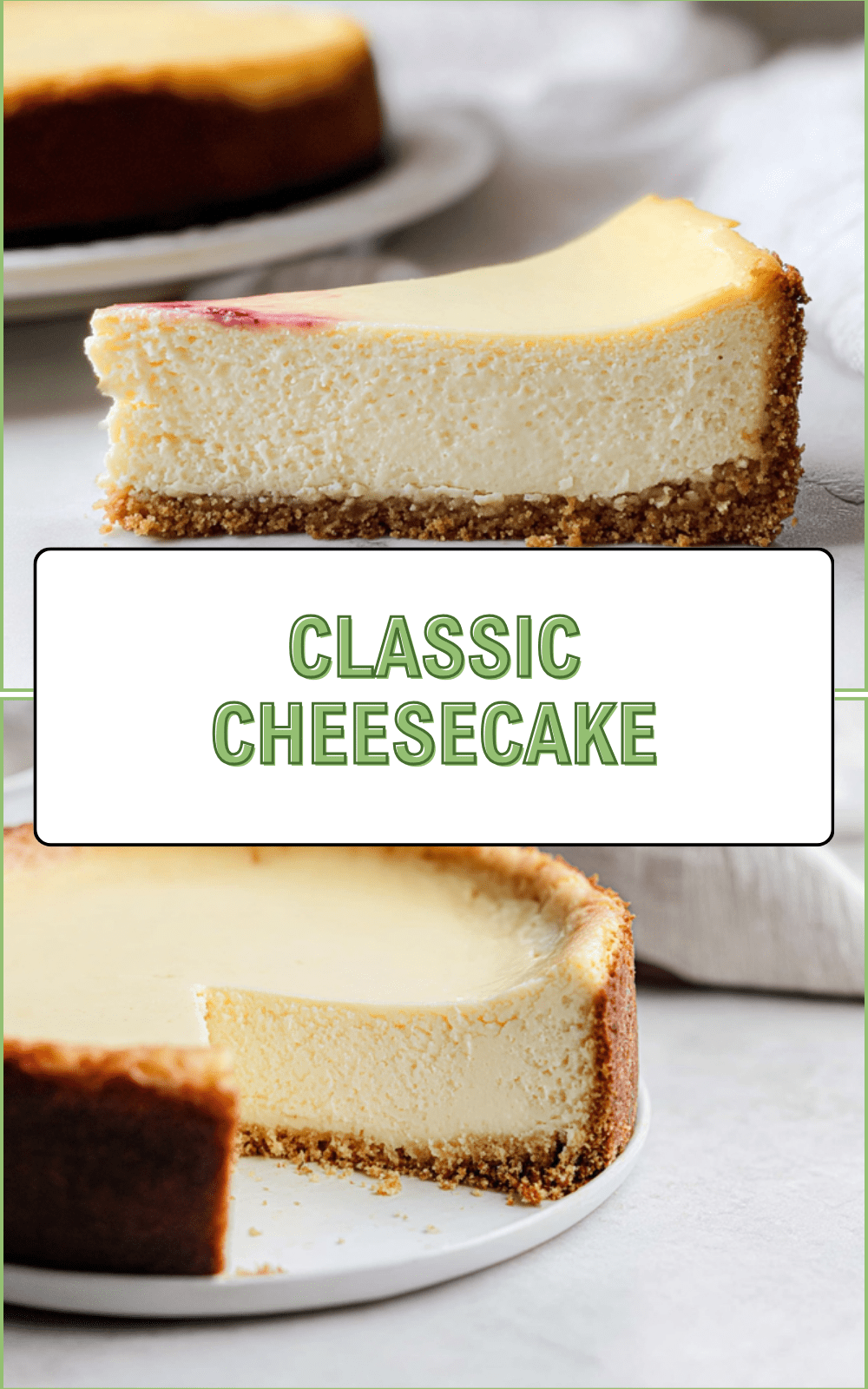
Classic cheesecake stands out as a timeless dessert that’s simple to whip up, making it a favorite for home bakers everywhere. It’s easy to prepare with everyday ingredients and straightforward steps that don’t require fancy tools or hours in the kitchen. This recipe delivers that rich, creamy texture we all crave, perfect for impressing friends and family without the stress.
One key benefit of this classic cheesecake is its simplicity, allowing even beginners to create a professional-looking treat in under an hour of active time. The basic recipe offers choices for adapting to various needs, like using gluten-free options, which makes it flexible for different diets. Plus, its smooth and velvety consistency comes from high-quality ingredients that blend perfectly, giving it a distinctive flavor that’s hard to beat. For those interested in more innovative ideas, you can explore variations like a no-bake version on our site in the easy no-bake cheesecake guide, adding even more fun to your baking routine.
- Ease of preparation: This recipe uses straightforward steps and common pantry staples, so you can have a ready-to-bake crust in minutes. It avoids complicated techniques, focusing on mixing and baking that fits into a busy schedule, making it ideal for students and working professionals.
- Health benefits: While it’s a treat, using full-fat ingredients in moderation can provide energy from proteins and calcium in the dairy. Options like low-sugar swaps help diet-conscious individuals enjoy it without overindulging, promoting a balanced approach to desserts.
- Versatility: Adapt this classic cheesecake to suit dietary preferences, such as vegan or gluten-free versions, while keeping that signature taste. It’s great for events with diverse crowds, like family gatherings for newlyweds or seniors.
- Distinctive flavor: The combination of tangy sour cream and vanilla creates a creamy profile that’s both rich and refreshing, with a hint of lemon for extra zest. This makes it stand out from other desserts, appealing to food enthusiasts who love experimenting with tastes.
With its creamy goodness and adaptable nature, this classic cheesecake can become a go-to recipe for any occasion. Whether you’re a busy parent looking for quick wins or a baking enthusiast seeking perfection, it’s designed to bring joy and satisfaction.
Jump To
- 1. Why You’ll Love This Classic Cheesecake
- 2. Essential Ingredients for Classic Cheesecake
- 3. How to Prepare the Perfect Classic Cheesecake: Step-by-Step Guide
- 4. Protein and Main Component Alternatives
- 5. Vegetable, Sauce, and Seasoning Modifications
- 6. Mastering Classic Cheesecake: Advanced Tips and Variations
- 7. How to Store Classic Cheesecake: Best Practices
- 8. FAQs: Frequently Asked Questions About Classic Cheesecake
- 9. Classic Cheesecake
Essential Ingredients for Classic Cheesecake
Gathering the right ingredients is key to making a perfect classic cheesecake, and each one plays a vital role in building that iconic texture and taste. Below, you’ll find a detailed list of everything needed, formatted clearly for easy shopping and preparation. I’ll break it down by the crust and filling, with explanations on why each ingredient matters, plus tips for special dietary options to keep your baking inclusive.
Graham Cracker Crust Ingredients
- 1 and 1/2 cups (180g) graham cracker crumbs – These form the base, providing a crunchy texture that contrasts with the creamy filling and helps the crust hold together.
- 1/4 cup (50g) granulated sugar – Adds a touch of sweetness to balance the graham crackers’ subtle flavor, enhancing the overall taste of the crust.
- 5 tablespoons (71g) unsalted butter, melted – Binds the crumbs together, creating a sturdy yet tender base that melts in your mouth without adding extra salt.
Cheesecake Filling Ingredients
- 32 ounces (904g) full-fat brick cream cheese, softened to room temperature – Serves as the main body, ensuring a smooth and creamy result when whipped, which is essential for the rich texture.
- 1 cup (200g) granulated sugar – Sweetens the filling perfectly, dissolving easily to give a velvety consistency without any graininess.
- 1 cup (240g) full-fat sour cream, at room temperature – Adds tang and moisture, helping to create a lush, stable filling that improves the flavor depth.
- 1 teaspoon pure vanilla extract – Infuses a warm, aromatic note that elevates the overall taste, making the cheesecake feel homemade and inviting.
- 2 teaspoons fresh lemon juice (optional but recommended) – Brightens the flavor with a subtle acidity, which can enhance the creaminess and cut through richness.
- 3 large eggs, at room temperature – Act as binders, adding structure and helping the filling set during baking for that perfect, firm-yet-soft finish.
For special dietary options, consider these swaps to make your classic cheesecake more accessible:
- Vegan: Use plant-based cream cheese and sour cream alternatives, like those made from cashews or coconut, and replace eggs with flaxseed meal mixed with water for a similar binding effect.
- Gluten-free: Swap graham cracker crumbs for gluten-free ones, such as those from gluten-free cookies or oats, to keep the crust intact without compromising taste.
- Low-calorie: Opt for reduced-fat cream cheese and sugar substitutes like stevia, while using Greek yogurt instead of sour cream to lower calories while maintaining creaminess.
This setup ensures your classic cheesecake turns out just right every time, with room for tweaks based on what you have on hand.
How to Prepare the Perfect Classic Cheesecake: Step-by-Step Guide
Making a classic cheesecake is all about following simple, clear steps to achieve that dreamy texture. Start by preheating your oven to 325°F (163°C) and preparing a 9-inch springform pan with parchment paper for easy release. This sets the stage for a smooth process that even novice bakers can handle.
First Step: Prepare the Crust
Begin by mixing the graham cracker crumbs, sugar, and melted butter in a bowl until it resembles wet sand. Press this mixture firmly into the bottom of your prepared pan to form an even layer. Bake it for 10 minutes, then let it cool while you work on the filling this step creates a solid base that holds up to the creamy topping and incorporates the essence of classic cheesecake preparation.
Second Step: Make the Filling
In a large bowl, beat the softened cream cheese until smooth, then gradually add the sugar, sour cream, vanilla extract, and lemon juice. Mix on low speed to avoid incorporating too much air, which could affect the texture. For dietary adaptations, if you’re going vegan, swap in plant-based alternatives here to keep things creamy while staying true to this classic cheesecake style. Add the eggs one at a time, mixing just until combined.
Third Step: Bake the Cheesecake
Pour the filling over the cooled crust and smooth the top with a spatula. Place the pan in a larger baking dish and fill the dish with hot water halfway up the sides for a water bath this helps prevent cracks and ensures even baking for about 55-70 minutes. If adapting for low-calorie needs, use lighter ingredients but monitor the baking time closely to avoid overcooking, keeping the focus on this classic cheesecake’s rich appeal. The center should be slightly jiggly when done.
Fourth Step: Cool and Chill
Turn off the oven and let the cheesecake cool inside with the door slightly open for an hour to prevent sudden cracks. Then, remove it from the water bath, cover, and refrigerate for at least 4 hours or overnight. This resting period allows flavors to meld, making it even more delicious. For gluten-free variations, ensure your crust ingredients align, enhancing the versatility of this classic cheesecake recipe.
Final Step: Serve and Enjoy
Once chilled, run a knife around the edge to loosen, then release from the pan. Slice with a warm knife for clean cuts and serve with fresh fruit or whipped cream. This classic cheesecake pairs well with other desserts, like a fruity option from our peanut butter cheesecake recipe, for a fun twist on flavors.
Protein and Main Component Alternatives
When it comes to swapping proteins in your classic cheesecake, options abound for dairy lovers and plant-based eaters alike. For the main cream cheese component, consider using full-fat Greek yogurt as a substitute to maintain creaminess while adding a protein boost, which works well for those watching their intake.
Plant-based proteins like tofu or cashew cream can replace traditional dairy, ensuring a similar texture without the animal products. These swaps help preserve the structure of your classic cheesecake, making it adaptable for various dietary needs while keeping the recipe approachable.
Vegetable, Sauce, and Seasoning Modifications
While classic cheesecake doesn’t typically feature vegetables, you can add seasonal elements like pureed fruits for toppings or mix-ins to brighten the flavor. For sauces, try a simple fruit compote made from fresh berries as an alternative topping, or use a lighter honey drizzle to cut sweetness for diet-conscious folks.
Seasoning tweaks might include swapping vanilla for almond extract or adding cinnamon for a warm twist, alongside fresh herbs like mint for a refreshing note. These modifications keep the essence of classic cheesecake intact, allowing for easy adjustments based on seasons or preferences, from tart lemon zest to spicy ginger inclusions often found in related dessert recipes.
| Original Ingredient | Alternative Option | Reason for Swap |
|---|---|---|
| Lemon juice | Lime juice | Offers a similar tang with a tropical twist |
| Vanilla extract | Almond extract | Provides a nutty flavor variation |
Mastering Classic Cheesecake: Advanced Tips and Variations
Pro Cooking Techniques
To achieve the best texture, always use a water bath during baking, which helps maintain even heat and prevents cracking. Control your oven temperature carefully, aiming for a slow bake to ensure the center sets without overcooking the edges. For those experimenting, trying different methods like blind baking the crust first can elevate your classic cheesecake game. These techniques make the process smoother and more reliable for baking enthusiasts.
Flavor Variations
Get creative with flavors by swirling in fruit purees or infusing liqueurs for a grown-up twist on this classic cheesecake. Combine herbs and spices like cinnamon or nutmeg to add depth, or layer in chocolate for a decadent version. You might even check out this external guide for more ideas on enhancing flavors, keeping your classic cheesecake fresh and exciting.
Presentation Tips
Plating is key use fresh garnishes like berries or edible flowers to make your classic cheesecake pop. Ensure even slices by chilling thoroughly and using a sharp knife, creating an impressive display for any gathering. Make-ahead strategies, such as freezing portions, help busy parents stay prepared without sacrificing quality.
How to Store Classic Cheesecake: Best Practices
Proper storage keeps your classic cheesecake tasting fresh, starting with refrigeration for short-term needs. Wrap it tightly in plastic wrap and store in the fridge for up to 5 days to maintain that creamy texture. For longer keeps, freezing is a great option just portion it first for easy thawing.
Reheating should be gentle, like letting it sit at room temperature for about 30 minutes before serving to preserve flavor and safety. Meal prep ideas include making extras for the week, ensuring you always have a slice ready for unexpected guests or quick desserts.
FAQs: Frequently Asked Questions About Classic Cheesecake
What ingredients do I need to make a classic cheesecake?
To make a classic cheesecake, you will need full-fat cream cheese, granulated sugar, full-fat sour cream, eggs, pure vanilla extract, and fresh lemon juice for the filling. For the crust, graham cracker crumbs, granulated sugar, and melted unsalted butter are required. Make sure all filling ingredients are at room temperature to ensure a smooth batter and even baking.
How can I prevent my cheesecake from cracking while baking?
To avoid cracks, bake your cheesecake in a water bath to maintain moisture and even heat. Avoid overmixing the batter, as this introduces air bubbles that cause cracks. After baking, leave the cheesecake to cool gradually in the oven with the door slightly open for about an hour. Cooling it slowly helps to minimize cracking and shrinkage.
Can I substitute sour cream with another ingredient in my cheesecake?
Yes, you can substitute sour cream with full-fat Greek yogurt or plain yogurt. Both options provide a similar tangy flavor and creamy texture. However, sour cream remains the best choice for stability and richness in the cheesecake, while yogurt may produce a slightly softer texture.
What size pan should I use to bake a classic cheesecake?
A 9 or 10-inch springform pan is ideal for baking a classic cheesecake. This size allows for even heat distribution and makes it easier to release the cheesecake after baking without damaging its delicate structure.
How should I store and freeze cheesecake to keep it fresh?
After cooling to room temperature, wrap the cheesecake tightly with plastic wrap and then with aluminum foil before freezing. You can freeze it for up to 3 months, with or without the springform pan, but ensure no toppings are on the cheesecake when freezing. Thaw it overnight in the refrigerator before serving to preserve its texture and flavor.
Classic Cheesecake
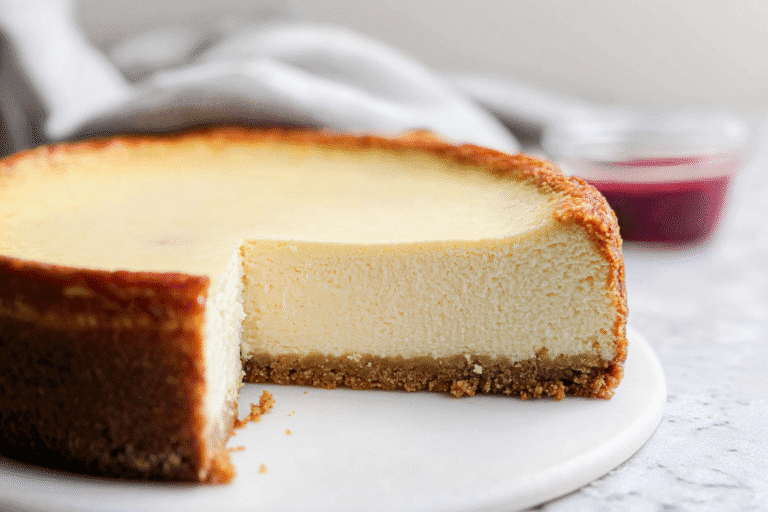
🍰 This Classic Cheesecake offers a rich and creamy texture that melts in your mouth, making it a timeless dessert favorite.
🥄 Its simple steps and straightforward ingredients make it approachable for bakers of all levels to create an impressive treat.
- Total Time: 5 hours 15 minutes
- Yield: 12 servings 1x
Ingredients
1 and 1/2 cups (180g) graham cracker crumbs for the crust
1/4 cup (50g) granulated sugar for the crust
5 tablespoons (71g) unsalted butter, melted for the crust
32 ounces (904g) full-fat brick cream cheese, softened to room temperature for the filling
1 cup (200g) granulated sugar for the filling
1 cup (240g) full-fat sour cream, at room temperature for the filling
1 teaspoon pure vanilla extract for flavoring
2 teaspoons fresh lemon juice (optional but recommended) to brighten flavor
3 large eggs, at room temperature for binding
Instructions
First Step: Prepare the Crust Begin by mixing the graham cracker crumbs, sugar, and melted butter in a bowl until it resembles wet sand. Press this mixture firmly into the bottom of your prepared pan to form an even layer. Bake it for 10 minutes, then let it cool while you work on the filling this step creates a solid base that holds up to the creamy topping and incorporates the essence of classic cheesecake preparation.
Second Step: Make the Filling In a large bowl, beat the softened cream cheese until smooth, then gradually add the sugar, sour cream, vanilla extract, and lemon juice. Mix on low speed to avoid incorporating too much air, which could affect the texture. For dietary adaptations, if you’re going vegan, swap in plant-based alternatives here to keep things creamy while staying true to this classic cheesecake style. Add the eggs one at a time, mixing just until combined.
Third Step: Bake the Cheesecake Pour the filling over the cooled crust and smooth the top with a spatula. Place the pan in a larger baking dish and fill the dish with hot water halfway up the sides for a water bath this helps prevent cracks and ensures even baking for about 55-70 minutes. If adapting for low-calorie needs, use lighter ingredients but monitor the baking time closely to avoid overcooking, keeping the focus on this classic cheesecake’s rich appeal. The center should be slightly jiggly when done.
Fourth Step: Cool and Chill Turn off the oven and let the cheesecake cool inside with the door slightly open for an hour to prevent sudden cracks. Then, remove it from the water bath, cover, and refrigerate for at least 4 hours or overnight. This resting period allows flavors to meld, making it even more delicious. For gluten-free variations, ensure your crust ingredients align, enhancing the versatility of this classic cheesecake recipe.
Final Step: Serve and Enjoy Once chilled, run a knife around the edge to loosen, then release from the pan. Slice with a warm knife for clean cuts and serve with fresh fruit or whipped cream. This classic cheesecake pairs well with other desserts, like a fruity option from our peanut butter cheesecake recipe, for a fun twist on flavors.
Last Step:
Please leave a rating and comment letting us know how you liked this recipe! This helps our business to thrive and continue providing free, high-quality recipes for you.Notes
🍋 Using room temperature ingredients like cream cheese and eggs helps create a smooth and creamy batter.
🍰 Avoid overmixing the batter once the eggs are added to prevent cracks during baking.
❄️ Let the cheesecake cool gradually in the oven and then chill completely in the fridge for the best texture and flavor.
- Prep Time: 15 minutes
- Chilling time: 4 hours
- Cook Time: 1 hour
- Category: Dessert
- Method: Baking
- Cuisine: American
- Diet: Vegetarian
Nutrition
- Serving Size: 1 slice
- Calories: 420
- Sugar: 27g
- Sodium: 290mg
- Fat: 34g
- Saturated Fat: 20g
- Carbohydrates: 27g
- Fiber: 0g
- Protein: 7g
- Cholesterol: 125mg