Why You’ll Love This Chinese Coconut Chicken
If you’re looking for a crowd-pleasing dish that brings the flavors of your favorite Chinese buffet right to your kitchen, this Chinese Coconut Chicken recipe is about to become your new go-to. This delightful dish combines crispy fried chicken pieces with a luscious, creamy coconut sauce that will have everyone coming back for seconds. What makes this recipe truly special is how it balances sweet and savory flavors while maintaining that perfect crunch that makes buffet-style Chinese food so irresistible. Here’s why you’ll absolutely fall in love with this Chinese Coconut Chicken: * **Ease of preparation**: Despite its impressive restaurant-quality appearance, this Chinese coconut chicken recipe is surprisingly simple to make. With a total preparation time of just 35 minutes (25 minutes prep and 10 minutes cooking), it’s perfect for busy weeknight dinners or when you want to impress guests without spending hours in the kitchen. The straightforward process involves marinating, coating, frying, and tossing in sauce – techniques that even beginner cooks can master with confidence. * **Health benefits**: While fried chicken isn’t typically considered health food, this recipe offers some nutritional advantages. Each serving contains 24g of protein, which helps maintain muscle mass and keeps you feeling full longer. The coconut milk provides healthy medium-chain triglycerides (MCTs) and essential minerals like potassium. When enjoyed as part of a balanced meal with vegetables and rice, this Chinese buffet chicken can fit into a varied diet without the excessive sodium and preservatives often found in restaurant versions. According to research on the nutritional value of chicken, incorporating lean proteins like this into your diet can support overall wellness. * **Versatility**: This Chinese Coconut Chicken recipe adapts beautifully to different dietary preferences and ingredient availability. While the traditional recipe calls for chicken thighs, you can substitute with chicken breasts for a leaner option. The sauce components can be adjusted to suit various tastes, and you can easily make it gluten-free by ensuring your cornstarch and other ingredients are certified gluten-free. It’s also a dish that works well for meal prep and can be modified for spicier or milder flavor profiles depending on your family’s preferences. * **Distinctive flavor**: What sets this Chinese Coconut Chicken apart from other Asian-inspired chicken dishes is its unique sweet and creamy coconut sauce. The combination of full-fat coconut milk, a touch of mayonnaise for richness, sugar for sweetness, and vinegar for brightness creates a flavor profile that’s completely unlike traditional sweet and sour or orange chicken recipes. The ginger adds a warm aromatic element that perfectly complements the coconut, while the crispy fried chicken coating provides a delightful textural contrast that makes every bite exciting.Jump To
- 1. Why You’ll Love This Chinese Coconut Chicken
- 2. Essential Ingredients for Chinese Coconut Chicken
- 3. How to Prepare the Perfect Chinese Coconut Chicken: Step-by-Step Guide
- 4. Dietary Substitutions to Customize Your Chinese Coconut Chicken
- 5. Mastering Chinese Coconut Chicken: Advanced Tips and Variations
- 6. How to Store Chinese Coconut Chicken: Best Practices
- 7. FAQs: Frequently Asked Questions About Chinese Coconut Chicken
- 8. Chinese Coconut Chicken
Essential Ingredients for Chinese Coconut Chicken
Creating the perfect Chinese Coconut Chicken starts with gathering the right ingredients. Each component plays a crucial role in achieving that authentic buffet-style taste and texture. Here’s everything you’ll need to make this delicious dish at home: 1 pound chicken thighs, cut into 1-2 inch pieces (chicken breasts can be used but thighs are recommended) 1 large egg white 2 tablespoons water (for marinade) 1 teaspoon salt (for marinade) ¾ cup full-fat coconut milk (coconut cream can be used) ¼ cup mayonnaise 1 tablespoon granulated white sugar 1 ½ teaspoons vinegar (white vinegar preferred; rice vinegar, apple cider vinegar, or lemon can be used) 1 ½ teaspoons cornstarch (for sauce) ¼ teaspoon salt (for sauce) 1 teaspoon minced ginger ¾ cup cornstarch (for coating) Oil with high smoke point (such as canola or vegetable oil, for frying)Understanding Key Ingredients
The chicken thighs are the star of this Chinese Coconut Chicken recipe, offering superior juiciness and flavor compared to breasts. The higher fat content in thighs ensures the meat stays tender even after frying, while the 1-2 inch size allows for quick, even cooking. The egg white and water marinade helps tenderize the chicken and creates a surface that the cornstarch coating can adhere to more effectively. This simple combination, along with a teaspoon of salt, penetrates the meat and enhances its natural flavor. Full-fat coconut milk forms the base of the signature sauce. This ingredient provides the rich, creamy consistency and distinct tropical flavor that defines this Chinese buffet chicken. Studies show the benefits of coconut milk include providing healthy fats and adding unique flavor to dishes. Coconut cream can be used as an even thicker alternative if you prefer an especially luscious sauce. Mayonnaise might seem like an unusual addition to a Chinese sauce, but it serves a specific purpose. It contributes to the sauce’s velvety texture without adding an overpowering flavor. The small amount balances perfectly with the other ingredients to create that signature restaurant-style coating. Sugar and vinegar work together to create the sweet and tangy balance that makes this Chinese Coconut Chicken so addictive. The white sugar provides just enough sweetness to complement the coconut, while the vinegar adds brightness and cuts through the richness. Cornstarch serves dual purposes in this recipe. A small amount in the sauce helps thicken it to the perfect consistency, while a larger quantity (¾ cup) creates the light, crispy coating on the fried chicken pieces. Ginger provides the aromatic element that gives this dish its distinctive Chinese flavor profile. Freshly minced ginger adds warmth and depth, tying all the flavors together beautifully.Special Dietary Options
For those with dietary restrictions, this Chinese Coconut Chicken recipe can be easily modified to suit various needs without sacrificing flavor.**Gluten-free**: This Chinese Coconut Chicken recipe is naturally gluten-free if you use certified gluten-free cornstarch. Most commercial cornstarch is gluten-free, but checking the label ensures safety for those with celiac disease or gluten sensitivity. **Dairy-free**: Despite the creamy sauce, this recipe is completely dairy-free, making it suitable for those with lactose intolerance or dairy allergies. Coconut milk provides the rich texture without any cow’s milk products. **Low-calorie modifications**: To reduce the calorie count, consider using chicken breasts instead of thighs and light coconut milk instead of full-fat. While these changes will alter the texture slightly, the dish will still be delicious. You can also reduce the amount of oil used for frying by using an air fryer or baking method.
How to Prepare the Perfect Chinese Coconut Chicken: Step-by-Step Guide
Ready to make your own version of this beloved Chinese buffet classic? Follow this detailed guide to create restaurant-quality Chinese Coconut Chicken in your own kitchen. The process is simpler than you might think, and the results are absolutely worth it.First Step: Marinate the Chicken
Begin by cutting your chicken thighs into 1-2 inch pieces, ensuring they’re uniformly sized for even cooking. In a medium bowl, combine the chicken pieces with one large egg white, 2 tablespoons of water, and 1 teaspoon of salt. Mix everything thoroughly to ensure each piece is coated in the marinade. Allow the chicken to marinate for at least 20 minutes, though letting it sit for up to 24 hours in the refrigerator will maximize flavor absorption. This step is crucial as it seasons the meat throughout and helps tenderize it. If marinating for longer than 30 minutes, cover the bowl and refrigerate it to maintain food safety. The egg white in the marinade serves an important purpose beyond adding moisture. It creates a protein layer that helps the cornstarch coating adhere better to the chicken, resulting in that signature crispy texture we all love in Chinese buffet chicken.Second Step: Prepare the Coconut Sauce
While the chicken marinates, prepare the luscious coconut sauce that makes this Chinese Coconut Chicken so special. In a small bowl, combine ¾ cup of full-fat coconut milk, ¼ cup mayonnaise, 1 tablespoon of granulated white sugar, 1 ½ teaspoons of vinegar, 1 ½ teaspoons of cornstarch, ¼ teaspoon of salt, and 2 tablespoons of water. Whisk these ingredients together until smooth and fully incorporated. The mixture should be free of lumps, especially the cornstarch, which needs to dissolve completely to thicken the sauce properly later. Set this sauce mixture aside while you prepare the other components. This combination creates a sauce with the perfect balance of flavors. The coconut milk provides richness and tropical notes, while the mayonnaise contributes to a velvety smooth texture. The sugar adds sweetness, the vinegar offers brightness, and the salt balances all the flavors together.Third Step: Sauté the Ginger
Heat 1 teaspoon of oil in a skillet over medium heat. Once the oil is warmed, add 1 teaspoon of minced ginger to the pan. Sauté the ginger for about 45 seconds until it becomes fragrant and aromatic. Be careful not to burn the ginger, as it can turn bitter quickly. After the ginger has released its aroma, pour in the sauce mixture you prepared earlier. Heat the sauce, stirring constantly, until it begins to bubble. Continue cooking for another minute or two to allow the cornstarch to thicken the sauce slightly. Once it reaches this consistency, remove the skillet from the heat and set it aside. Cooking the ginger first releases its essential oils and flavor compounds, which infuse the sauce with that authentic Chinese taste. This step, though brief, makes a significant difference in the final flavor profile of your Chinese Coconut Chicken.Fourth Step: Coat the Chicken
Place ¾ cup of cornstarch in a large bowl or shallow dish. Before coating, give the marinated chicken a quick mix to redistribute the marinade evenly among all pieces. This ensures each piece has a thin layer of the egg white mixture, which helps the cornstarch adhere properly. Take each piece of chicken individually and coat it generously in the cornstarch. Press the cornstarch firmly onto the chicken to create a thick, even coating. Shake off any excess cornstarch, but don’t be afraid of a substantial coating – this is what creates the crispy exterior that contrasts so beautifully with the tender meat inside. For best results, coat the chicken just before frying rather than doing it all at once. If the coated chicken sits too long, the moisture from the meat can make the coating soggy. Work in small batches if necessary, especially if you’re new to this technique. The cornstarch coating is what transforms ordinary chicken into the crispy delight that defines Chinese buffet chicken. When fried, the cornstarch creates a light, delicate crunch that perfectly complements the creamy coconut sauce.Fifth Step: Fry the Chicken
In a deep pot or wok, heat your frying oil (canola, vegetable, or peanut oil works best) to 350°F. Use enough oil to completely submerge the chicken pieces, usually about 2-3 inches deep. If you don’t have a thermometer, you can test the oil temperature by dropping a small piece of bread into it – if it sizzles immediately and browns in about 60 seconds, the oil is ready. Carefully place the coated chicken pieces in the hot oil, working in batches to avoid overcrowding the pan. Overcrowding will lower the oil temperature and result in soggy, greasy chicken instead of crispy perfection. Fry the chicken for about 4 minutes, until it reaches a light golden brown color. For those looking for more fried chicken recipes and techniques, this method provides a great foundation to build upon. Use a slotted spoon or spider strainer to remove the chicken from the oil and transfer it to a wire rack or paper towels to drain. This allows excess oil to drip away while maintaining the crispy texture. For extra crispy results, avoid stacking the chicken pieces while they drain. The 350°F temperature is crucial for this Chinese Coconut Chicken recipe. It’s hot enough to quickly cook the chicken and create a crisp crust without burning the coating. The higher fat content in chicken thighs also means they can handle this temperature without drying out.Final Step: Toss in Sauce and Serve
Reheat your coconut sauce over medium heat until it’s warm and bubbling slightly. Add the fried chicken pieces to the sauce, tossing gently to coat each piece evenly. Work quickly to coat all the chicken while maintaining its crispy texture – prolonged exposure to the sauce will make the coating soft. Transfer the coated Chinese Coconut Chicken to a serving platter immediately. For an authentic presentation, serve it over steamed white rice, which pairs perfectly with the creamy sauce and provides a neutral base for the flavorful chicken. Garnish with sliced green onions, sesame seeds, or fresh cilantro if desired. This dish is best enjoyed immediately after preparation while the contrast between the crispy coating and creamy sauce is at its peak. The sauce should cling to each piece of chicken without making it soggy, creating that perfect balance of textures that makes Chinese buffet food so irresistible. With these step-by-step instructions, you now have everything you need to create authentic Chinese Coconut Chicken in your own kitchen. The process might seem detailed, but each step is straightforward and leads to impressive results that will have your family asking for this recipe again and again.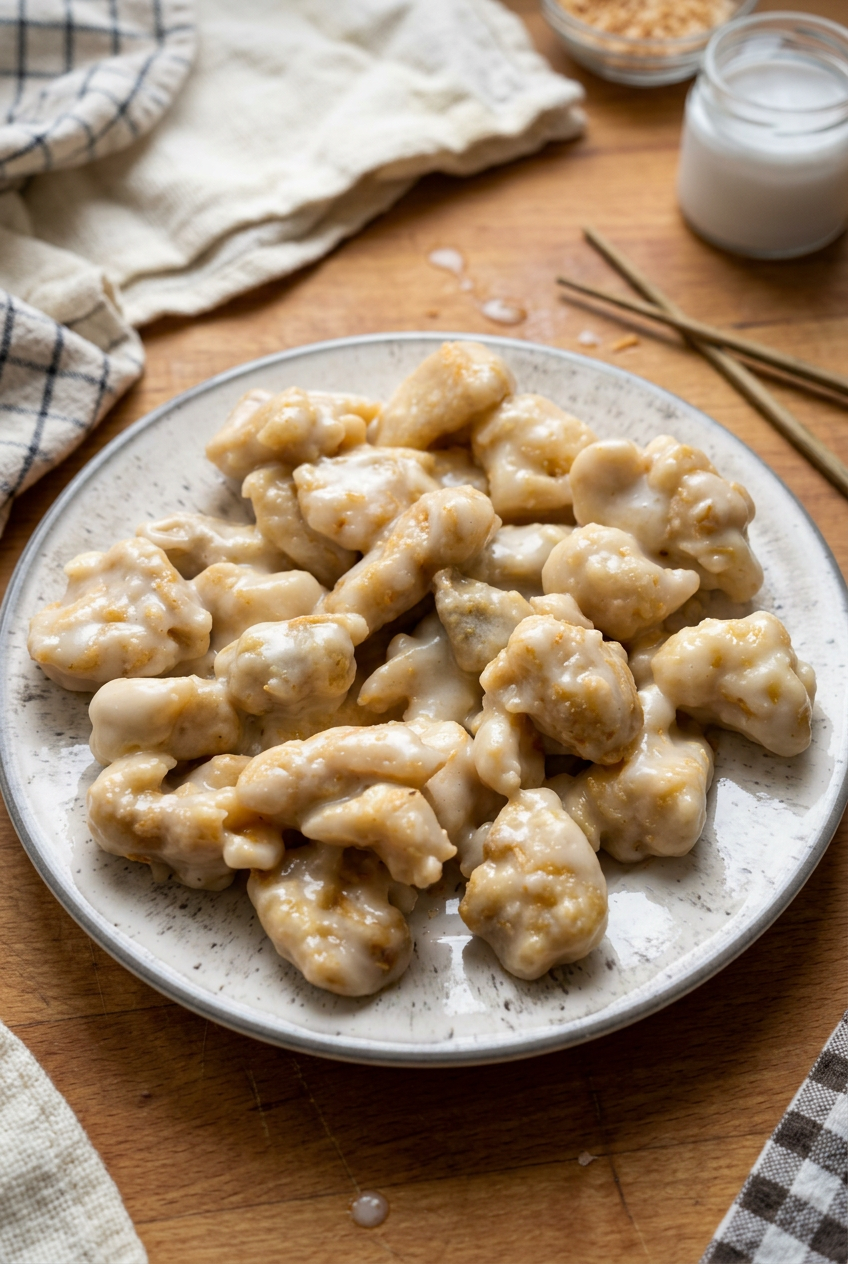
Dietary Substitutions to Customize Your Chinese Coconut Chicken
One of the wonderful things about this Chinese Coconut Chicken recipe is its versatility. Whether you’re cooking for specific dietary needs or simply want to experiment with different flavors, there are numerous ways to customize this dish while still maintaining its essential character.Protein and Main Component Alternatives
While chicken thighs are the traditional choice for this recipe due to their juiciness and flavor, you can easily adapt it using other proteins: * **Chicken breasts**: As mentioned in the recipe notes, boneless skinless chicken breasts can be substituted for thighs. To prevent drying, consider pounding the breasts to an even thickness before cutting into pieces. You might also reduce the frying time slightly to 3-4 minutes per batch. Breast meat will result in a leaner version with approximately 350 calories per serving compared to 399 with thighs. * **Tofu**: For a vegetarian option, firm or extra-firm tofu works surprisingly well. Press the tofu to remove excess moisture, cut into 1-inch cubes, and follow the same marinating and coating process. The tofu will absorb flavors beautifully and provide a protein-rich alternative that still offers a pleasing textural contrast. * **Shrimp**: Large shrimp, peeled and deveined, make an excellent seafood variation of this Chinese Coconut Chicken. Marinate them for just 10-15 minutes (longer can make them mushy), coat in cornstarch, and fry for 2-3 minutes until pink and crispy. The sweetness of shrimp pairs wonderfully with the coconut sauce. * **Cauliflower**: For a low-carb vegetable version, cut cauliflower into bite-sized florets, blanch briefly in boiling water, then proceed with the coating and frying steps. This creates a delicious lighter option that mimics the texture of breaded chicken while significantly reducing calories.Vegetable, Sauce, and Seasoning Modifications
Customizing the sauce and add-ins allows you to put your unique spin on this classic Chinese Coconut Chicken: * **Spicy variation**: Add heat to your sauce by including 1-2 teaspoons of chili garlic sauce, Sriracha, or crushed red pepper flakes. You can also mix a small amount of chili oil into the sauce for a complex heat that complements the coconut’s sweetness. * **Citrus twist**: Enhance the flavor profile by adding citrus zest or juice to the sauce. Lime zest and juice work particularly well with coconut, while orange adds a more traditional Chinese flavor profile. Consider adding 1-2 teaspoons of citrus juice along with the vinegar in the sauce. * **Vegetable additions**: Incorporate colorful vegetables like bell peppers, snap peas, carrots, or broccoli. Stir-fry these vegetables separately until crisp-tender, then toss them with the chicken and sauce at the end. This not only adds nutritional value but also creates visual appeal. * **Nutty additions**: Toasted cashews, peanuts, or almonds sprinkled over the finished dish add crunch and richness. For a deeper nutty flavor, consider adding a small amount of sesame oil or peanut butter to the sauce. * **Alternative sweeteners**: If you prefer natural sweeteners, honey, maple syrup, or coconut sugar can replace the white sugar in the sauce. These alternatives add subtle flavor nuances while still providing the necessary sweetness to balance the savory elements. These substitutions and modifications allow you to create a Chinese Coconut Chicken that perfectly suits your taste preferences and dietary needs while preserving the essential elements that make this dish so beloved. Don’t be afraid to experiment and find your favorite variation!Mastering Chinese Coconut Chicken: Advanced Tips and Variations
Once you’ve mastered the basic Chinese Coconut Chicken recipe, you might want to elevate your results even further with these professional tips and creative variations. These insights will help you achieve restaurant-quality results and put your unique spin on this beloved dish.Pro Cooking Techniques
* **Double coating technique**: For an extra crispy exterior, try double-coating the chicken. After the first cornstarch coating, dip the pieces briefly in a mixture of egg and milk, then coat again in cornstarch. This creates a thicker, crunchier layer that stays crispier even after tossing in the sauce. * **Temperature management**: Maintain your oil temperature consistently at 350°F throughout the frying process. Use a kitchen thermometer for accuracy, and allow the oil to return to temperature between batches. Crowding the pan lowers the oil temperature, resulting in greasy chicken rather than crispy perfection. * **Velveting technique**: For exceptionally tender chicken, try “velveting” before coating. After marinating, blanch the chicken in boiling water with a teaspoon of oil for 30 seconds, then drain and cool before proceeding with the cornstarch coating. This Chinese restaurant technique locks in moisture and creates a velvety texture. * **Sauce consistency control**: Adjust the sauce thickness by varying the amount of cornstarch. For a thinner sauce that absorbs more into the chicken, reduce to 1 teaspoon. For a thicker, more coating-like sauce, increase to 2 teaspoons. Remember that the sauce will continue to thicken slightly as it cools. * **Proper draining technique**: Instead of paper towels, which can trap steam and make the coating soggy, drain fried chicken on a wire cooling rack set over a baking sheet. This allows air to circulate around all sides of the chicken, preserving its crispiness until ready to toss in the sauce.Flavor Variations
* **Five-spice infusion**: Add ½ teaspoon of Chinese five-spice powder to the cornstarch coating for a complex aromatic flavor profile that incorporates cinnamon, cloves, fennel, star anise, and Szechuan peppercorns. * **Lemongrass and kaffir lime**: Infuse the coconut milk with lemongrass and kaffir lime leaves before making the sauce. Simply simmer these aromatics in the coconut milk for 5 minutes, strain, then proceed with the recipe. This adds a Thai-inspired twist to the classic Chinese flavor profile. * **Curry fusion**: Incorporate 1-2 teaspoons of red or yellow curry paste into the sauce for a rich, complex flavor that bridges Chinese and Southeast Asian cuisines. Turmeric, cumin, and coriander can also be added for additional depth. * **Miso umami boost**: Whisk 1 tablespoon of white or yellow miso paste into the sauce for an extra savory element. The fermented soybean flavor adds depth and umami that complements the sweetness of the coconut. * **Pineapple tropical version**: Add ½ cup of diced pineapple to the sauce while heating. The pineapple will soften slightly and release its juices, creating a fruity variation that enhances the tropical coconut notes. If you enjoy fruity twists on coconut chicken, you might also like our coconut lime grilled chicken thighs recipe.Presentation Tips
* **Plating perfection**: Serve the Chinese Coconut Chicken in a shallow bowl over steamed rice arranged in a dome shape using a small bowl as a mold. Arrange the chicken around the rice and drizzle extra sauce over the top for an elegant presentation. * **Garnish strategically**: Elevate the visual appeal with carefully chosen garnishes. Toasted sesame seeds add crunch and visual interest, while finely sliced green onions provide color contrast. Fresh cilantro leaves add a pop of green, and thinly sliced red chiles offer a vibrant accent if you’ve added spice to the dish. * **Color coordination**: Balance the golden-brown chicken with colorful sides like bright green steamed broccoli, orange carrots, or red bell pepper strips. Not only does this create an appealing plate, but it also adds nutritional value and variety in texture. * **Family-style presentation**: For gatherings, present the chicken in a large serving bowl surrounded by smaller bowls of rice and stir-fried vegetables. This communal approach mirrors the Chinese dining tradition of sharing multiple dishes at the table.Make-Ahead Options
* **Component preparation**: Marinate the chicken up to 24 hours in advance and prepare the sauce (without heating) up to 2 days ahead. Store each separately in airtight containers in the refrigerator, then complete the cooking when ready to serve. * **Partial cooking method**: For busy weeknights, fry the chicken completely in advance, cool, and refrigerate. When ready to serve, recrisp the chicken in a 400°F oven for 8-10 minutes before tossing in the heated sauce. This two-step method maintains most of the crispiness while significantly reducing last-minute preparation time. * **Freezer-friendly method**: Freeze uncooked, coated chicken pieces on a baking sheet until firm, then transfer to freezer bags. When ready to cook, fry from frozen, adding 1-2 minutes to the cooking time. The sauce can also be frozen separately for up to 1 month. These advanced techniques and variations will help you take your Chinese Coconut Chicken from delicious to extraordinary, impressing family and friends with your culinary skills. Remember that even small adjustments can yield noticeable improvements in texture and flavor.How to Store Chinese Coconut Chicken: Best Practices
While Chinese Coconut Chicken is best enjoyed fresh, proper storage techniques can help you maintain quality for enjoying leftovers or preparing meals in advance. Following these guidelines will ensure your dish remains safe to eat and retains as much of its original deliciousness as possible.Refrigeration Guidelines
Store leftover Chinese Coconut Chicken in an airtight container in the refrigerator for up to 3 days. To prevent the chicken from becoming soggy, place a paper towel in the container to absorb excess moisture. If possible, store the sauce separately from the chicken and recombine when reheating. This preserves the crispy texture of the coating better than storing them together. When refrigerating, allow the chicken to cool completely before sealing the container. Placing hot food directly in the refrigerator can raise the appliance’s internal temperature, potentially affecting other items and allowing bacteria to grow more rapidly. Aim to refrigerate leftovers within 2 hours of cooking to ensure food safety. If you notice the sauce has separated or solidified in the refrigerator, this is normal due to the coconut milk content. Simply stir well or gently reheat to recombine the ingredients. The sauce may appear slightly thicker after refrigeration as well.Freezing Instructions
For longer storage, Chinese Coconut Chicken can be frozen for up to 1 month. Portion the cooled chicken into freezer-safe bags or containers, removing as much air as possible before sealing. Label with the date and contents for easy identification later. If possible, freeze the sauce separately from the chicken. This prevents the coating from becoming overly soft during freezing and thawing. When freezing sauce, leave about an inch of space at the top of the container, as liquids expand when frozen. To thaw frozen Chinese Coconut Chicken, transfer it to the refrigerator and let it thaw overnight. Avoid thawing at room temperature, as this can allow bacteria to multiply rapidly in the outer layers while the inside remains frozen. For the best results after freezing, consume the dish within 1 month, as extended freezing can affect the texture of the coating and sauce quality. The flavor should remain stable, but you may notice slight changes in mouthfeel.Reheating Methods
The optimal method for reheating Chinese Coconut Chicken is on the stovetop over medium-low heat. Place the chicken in a skillet and heat gently for 5-7 minutes, stirring occasionally. If the sauce has thickened excessively, add 1-2 tablespoons of water or coconut milk to restore the desired consistency. Microwave reheating is faster but may result in softer chicken. If using a microwave, place the chicken in a microwave-safe container, cover loosely, and heat in 1-minute intervals, stirring between each until warmed through. This typically takes 2-3 minutes total depending on portion size. For the crispiest results after refrigeration, reheat the chicken in a 375°F oven for 8-10 minutes until heated through and slightly crisped. Meanwhile, reheat the sauce separately on the stovetop and combine just before serving. This method takes longer but best preserves the textural contrast between the coating and the tender meat inside. Avoid high heat when reheating, as this can cause the sauce to separate or burn while leaving the interior of the chicken cold. Gentle reheating ensures even temperature distribution without compromising the dish’s quality.Meal Prep Considerations
Chinese Coconut Chicken works well for meal prep when certain strategies are employed. Consider preparing all components except the final tossing in sauce ahead of time. Keep the fried chicken, sauce, and cooked rice separate, then combine just before eating. When meal prepping, invest in quality containers that maintain temperature and prevent leaks. Glass containers are excellent for this purpose as they don’t retain odors and allow you to see the contents clearly. Portion into individual containers for grab-and-go convenience during busy weekdays. For variety in your meal prep, consider rotating the vegetable side dishes throughout the week. This prevents meal fatigue while still enjoying the same Chinese Coconut Chicken multiple times. Steamed broccoli, stir-fried snap peas, and roasted cauliflower all make excellent complements to this dish. If meal prepping for more than 3 days ahead, consider freezing portions beyond the 3-day refrigeration limit. This ensures you always have safe, high-quality meals ready with minimal last-minute preparation.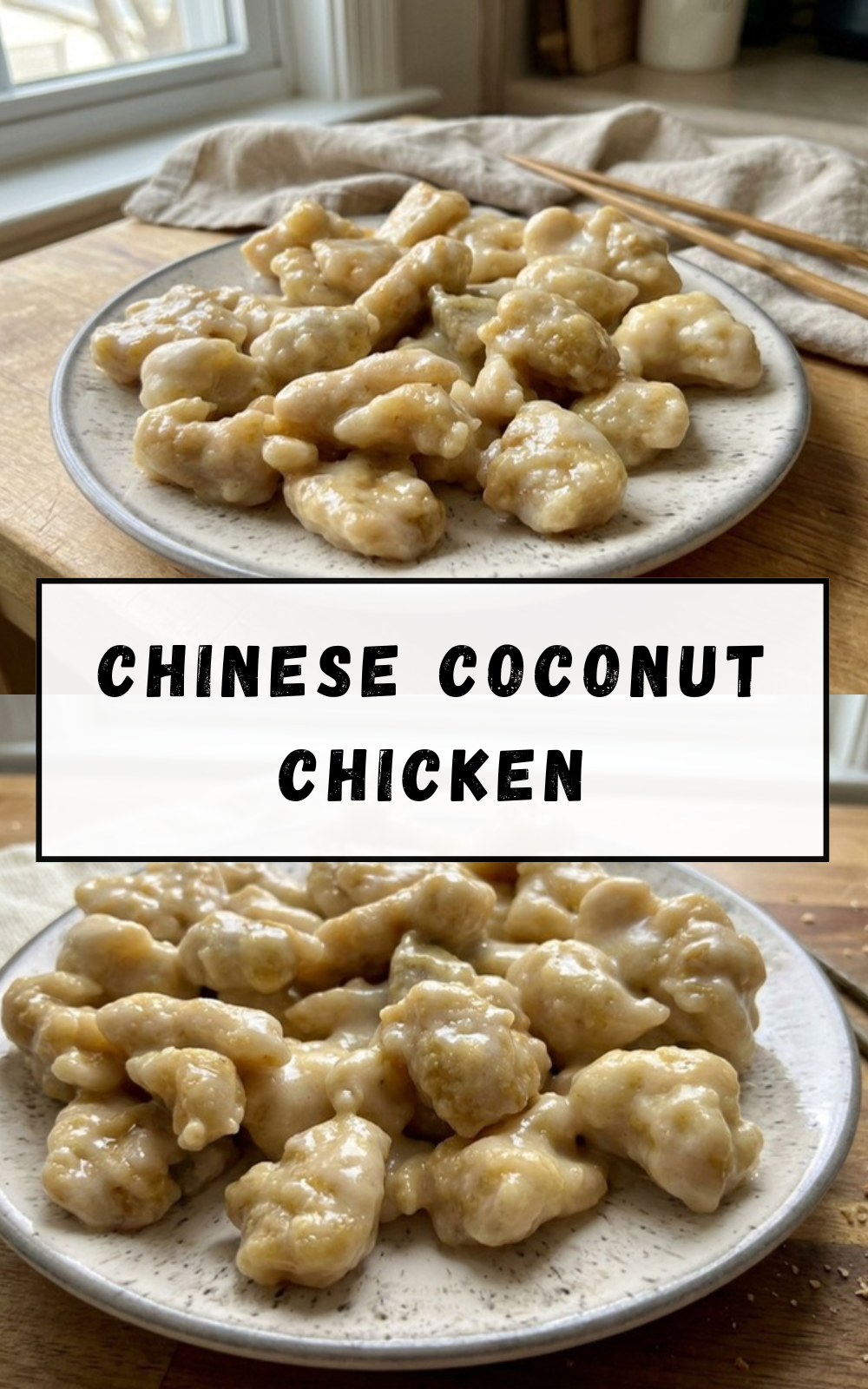
FAQs: Frequently Asked Questions About Chinese Coconut Chicken
What is the secret to the creamy sauce in Chinese Coconut Chicken?
The key to a rich, creamy coconut sauce in Chinese Coconut Chicken is adding 1-2 tablespoons of mayonnaise to the coconut milk base right before simmering. This simple trick emulsifies the sauce, creating a velvety texture without overpowering the flavors of garlic, ginger, soy sauce, and a touch of sugar. Stir it in off the heat to avoid curdling, then gently reheat. Full-fat coconut milk provides the best starting point, yielding about 2 cups of sauce for 4 servings. This method takes under 5 minutes extra but transforms a standard stir-fry sauce into restaurant-quality creaminess that clings perfectly to the crispy fried chicken pieces.
Can I use chicken breasts instead of thighs in Chinese Coconut Chicken?
Yes, you can substitute boneless, skinless chicken breasts for thighs in Chinese Coconut Chicken, but thighs are ideal for their higher fat content, which keeps the meat juicy during frying—breasts tend to dry out faster. Cut breasts into similar 1-inch pieces, marinate in soy sauce, cornstarch, and egg for 30 minutes, and fry at 350°F for 4-5 minutes per batch. To prevent dryness, avoid overcooking and serve immediately with sauce. This swap works for 1.5 lbs of chicken feeding 4 people, maintaining the dish’s crispy exterior and tender interior. Thighs offer more flavor, but breasts make it lighter at around 350 calories per serving versus 420.
What type of coconut milk works best for Chinese Coconut Chicken?
Opt for full-fat canned coconut milk, often labeled as coconut cream, for the richest flavor and thick texture in Chinese Coconut Chicken sauce—shake the can well before opening. Avoid light or carton versions, as they separate and lack body, resulting in a watery sauce. One 13.5-oz can yields enough for 4 servings, combined with chicken broth, soy sauce, and brown sugar. Simmer for 5-7 minutes to reduce and thicken naturally. This choice ensures the sauce coats the fried chicken evenly, mimicking takeout style. Pro tip: refrigerate leftovers, and the sauce firms up like curry, perfect for reheating with a splash of water.
What oil is best for frying Chinese Coconut Chicken?
Use a neutral oil with a high smoke point like canola, vegetable, or peanut oil for frying Chinese Coconut Chicken to achieve golden, crispy batter without burnt flavors. Heat 2-3 inches of oil to 350-375°F in a deep skillet or wok—test with a wooden chopstick for steady bubbles. Fry battered chicken pieces in single layers for 5-6 minutes, turning once, then drain on paper towels. About 4 cups of oil suffices for 1.5 lbs chicken serving 4. Reuse strained oil for future fries. This prevents sogginess and pairs perfectly with the coconut sauce, keeping calories in check at roughly 500 per portion including sauce.
How do you store and reheat Chinese Coconut Chicken leftovers?
Store leftover Chinese Coconut Chicken in an airtight container in the fridge for up to 3 days—the sauce may thicken, so stir in 1-2 tablespoons water or coconut milk when reheating. For freezing, portion into freezer bags for up to 1 month; thaw overnight in the fridge before use. Reheat gently on the stovetop over medium-low heat for 5 minutes, stirring occasionally, or microwave in 1-minute bursts, covered, to restore crispiness. Avoid high heat to prevent drying. This serves 4 originally (prep 20 min, cook 25 min total), and reheated portions retain flavor best within 24 hours. Pairs well with steamed rice or veggies for easy meal prep.
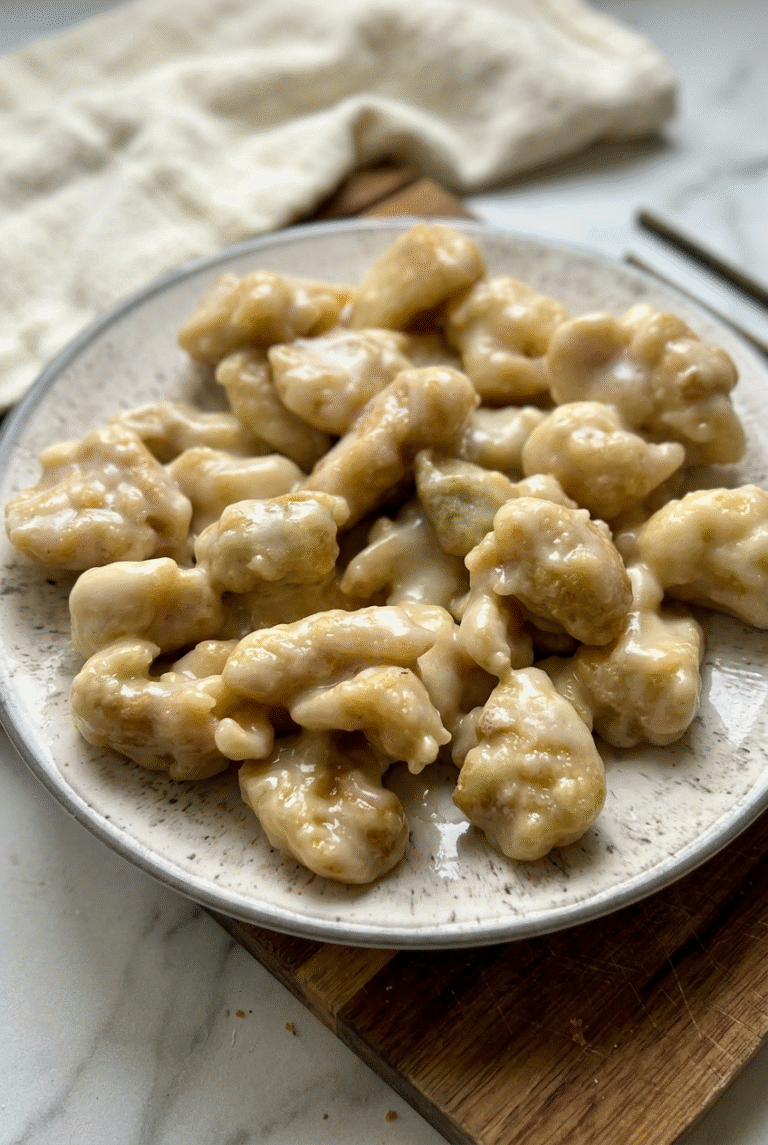
Chinese Coconut Chicken
🥥🍗 Enjoy juicy, crispy chicken thighs enveloped in a creamy, sweet coconut sauce – a buffet-style Chinese classic that’s irresistibly flavorful and satisfying.
🍗🥥 Quick to make in 35 minutes, this dish brings restaurant-quality taste home, perfect for family dinners or gatherings.
- Total Time: 35 minutes
- Yield: 4 servings
Ingredients
– 1 pound chicken thighs, cut into 1-2 inch pieces
– 1 large egg white
– 2 tablespoons water for marinade
– 1 teaspoon salt for marinade
– ¾ cup full-fat coconut milk
– ¼ cup mayonnaise
– 1 tablespoon granulated white sugar
– 1 ½ teaspoons vinegar
– 1 ½ teaspoons cornstarch for sauce
– ¼ teaspoon salt for sauce
– 1 teaspoon minced ginger
– ¾ cup cornstarch for coating
– Oil with high smoke point (such as canola or vegetable oil) for frying
Instructions
1-First Step: Marinate the Chicken Begin by cutting your chicken thighs into 1-2 inch pieces, ensuring they’re uniformly sized for even cooking. In a medium bowl, combine the chicken pieces with one large egg white, 2 tablespoons of water, and 1 teaspoon of salt. Mix everything thoroughly to ensure each piece is coated in the marinade. Allow the chicken to marinate for at least 20 minutes, though letting it sit for up to 24 hours in the refrigerator will maximize flavor absorption. This step is crucial as it seasons the meat throughout and helps tenderize it. If marinating for longer than 30 minutes, cover the bowl and refrigerate it to maintain food safety. The egg white in the marinade serves an important purpose beyond adding moisture. It creates a protein layer that helps the cornstarch coating adhere better to the chicken, resulting in that signature crispy texture we all love in Chinese buffet chicken.
2-Second Step: Prepare the Coconut Sauce While the chicken marinates, prepare the luscious coconut sauce that makes this Chinese Coconut Chicken so special. In a small bowl, combine ¾ cup of full-fat coconut milk, ¼ cup mayonnaise, 1 tablespoon of granulated white sugar, 1 ½ teaspoons of vinegar, 1 ½ teaspoons of cornstarch, ¼ teaspoon of salt, and 2 tablespoons of water. Whisk these ingredients together until smooth and fully incorporated. The mixture should be free of lumps, especially the cornstarch, which needs to dissolve completely to thicken the sauce properly later. Set this sauce mixture aside while you prepare the other components. This combination creates a sauce with the perfect balance of flavors. The coconut milk provides richness and tropical notes, while the mayonnaise contributes to a velvety smooth texture. The sugar adds sweetness, the vinegar offers brightness, and the salt balances all the flavors together.
3-Third Step: Sauté the Ginger Heat 1 teaspoon of oil in a skillet over medium heat. Once the oil is warmed, add 1 teaspoon of minced ginger to the pan. Sauté the ginger for about 45 seconds until it becomes fragrant and aromatic. Be careful not to burn the ginger, as it can turn bitter quickly. After the ginger has released its aroma, pour in the sauce mixture you prepared earlier. Heat the sauce, stirring constantly, until it begins to bubble. Continue cooking for another minute or two to allow the cornstarch to thicken the sauce slightly. Once it reaches this consistency, remove the skillet from the heat and set it aside. Cooking the ginger first releases its essential oils and flavor compounds, which infuse the sauce with that authentic Chinese taste. This step, though brief, makes a significant difference in the final flavor profile of your Chinese Coconut Chicken.
4-Fourth Step: Coat the Chicken Place ¾ cup of cornstarch in a large bowl or shallow dish. Before coating, give the marinated chicken a quick mix to redistribute the marinade evenly among all pieces. This ensures each piece has a thin layer of the egg white mixture, which helps the cornstarch adhere properly. Take each piece of chicken individually and coat it generously in the cornstarch. Press the cornstarch firmly onto the chicken to create a thick, even coating. Shake off any excess cornstarch, but don’t be afraid of a substantial coating – this is what creates the crispy exterior that contrasts so beautifully with the tender meat inside. For best results, coat the chicken just before frying rather than doing it all at once. If the coated chicken sits too long, the moisture from the meat can make the coating soggy. Work in small batches if necessary, especially if you’re new to this technique. The cornstarch coating is what transforms ordinary chicken into the crispy delight that defines Chinese buffet chicken. When fried, the cornstarch creates a light, delicate crunch that perfectly complements the creamy coconut sauce.
5-Fifth Step: Fry the Chicken In a deep pot or wok, heat your frying oil (canola, vegetable, or peanut oil works best) to 350°F. Use enough oil to completely submerge the chicken pieces, usually about 2-3 inches deep. If you don’t have a thermometer, you can test the oil temperature by dropping a small piece of bread into it – if it sizzles immediately and browns in about 60 seconds, the oil is ready. Carefully place the coated chicken pieces in the hot oil, working in batches to avoid overcrowding the pan. Overcrowding will lower the oil temperature and result in soggy, greasy chicken instead of crispy perfection. Fry the chicken for about 4 minutes, until it reaches a light golden brown color. For those looking for more fried chicken recipes and techniques, this method provides a great foundation to build upon. Use a slotted spoon or spider strainer to remove the chicken from the oil and transfer it to a wire rack or paper towels to drain. This allows excess oil to drip away while maintaining the crispy texture. For extra crispy results, avoid stacking the chicken pieces while they drain. The 350°F temperature is crucial for this Chinese Coconut Chicken recipe. It’s hot enough to quickly cook the chicken and create a crisp crust without burning the coating. The higher fat content in chicken thighs also means they can handle this temperature without drying out.
6-Final Step: Toss in Sauce and Serve Reheat your coconut sauce over medium heat until it’s warm and bubbling slightly. Add the fried chicken pieces to the sauce, tossing gently to coat each piece evenly. Work quickly to coat all the chicken while maintaining its crispy texture – prolonged exposure to the sauce will make the coating soft. Transfer the coated Chinese Coconut Chicken to a serving platter immediately. For an authentic presentation, serve it over steamed white rice, which pairs perfectly with the creamy sauce and provides a neutral base for the flavorful chicken. Garnish with sliced green onions, sesame seeds, or fresh cilantro if desired. This dish is best enjoyed immediately after preparation while the contrast between the crispy coating and creamy sauce is at its peak. The sauce should cling to each piece of chicken without making it soggy, creating that perfect balance of textures that makes Chinese buffet food so irresistible. With these step-by-step instructions, you now have everything you need to create authentic Chinese Coconut Chicken in your own kitchen. The process might seem detailed, but each step is straightforward and leads to impressive results that will have your family asking for this recipe again and again.
Last Step:
Please leave a rating and comment letting us know how you liked this recipe! This helps our business to thrive and continue providing free, high-quality recipes for you.Notes
🐔 Opt for chicken thighs over breasts for juicier and more flavorful results.
🥥 Mayonnaise adds the perfect creamy texture to the sauce without altering the coconut flavor.
🔥 Use oil heated to 350°F and fry in batches to achieve a light, crispy coating.
- Prep Time: 25 minutes
- Storage: Up to 3 days in refrigerator
- Cook Time: 10 minutes
- Category: Main Course
- Method: Frying
- Cuisine: Chinese
- Diet: Gluten-Free
Nutrition
- Serving Size: 1/4 recipe
- Calories: 399 kcal
- Sugar: 13g
- Sodium: 872mg
- Fat: 17g
- Saturated Fat: 10g
- Unsaturated Fat: 6g
- Trans Fat: 0g
- Carbohydrates: 36g
- Fiber: 0g
- Protein: 24g
- Cholesterol: 109mg