

Why You’ll Love This cheese easter turkey
- Ease of preparation: This cheese Easter turkey recipe is designed for simplicity and efficiency, making it a great choice for home cooks. With clear steps like butterflying the turkey breast, creating a flavorful cheese and prosciutto stuffing, and stovetop cooking followed by gentle resting, it delivers a delightful dish without unnecessary complexity or long oven times.
- Health benefits: Featuring lean turkey breast as the main protein, this recipe offers a low-fat yet richly flavored option. The addition of cheese and prosciutto adds savory richness, balanced by moisture from an egg omelet in the stuffing to keep the meat juicy. Cooking with olive oil enhances heart-healthy fats while preserving succulence without excess calories.
- Versatility: The cheese Easter turkey is adaptable for seasonal and dietary preferences. The stuffing can be customized with ingredients like spinach, artichokes, or even seasonal vegetables. Prosciutto can be swapped for other cured meats or vegetarian alternatives to suit different tastes, and cooking methods allow for stovetop preparation to suit various kitchen setups.
- Distinctive flavor: What sets this dish apart is the harmonious layering of fontina or similar meltable cheese, delicate prosciutto, and a moist egg omelet inside the tender turkey breast. The rosemary-tied roll and pan sauce with white wine create an aromatic, rich flavor profile that makes this turkey ideal for festive Easter dinners or any special occasion.
Jump To
- 1. Why You’ll Love This cheese easter turkey
- 2. Essential Ingredients for cheese easter turkey
- 3. How to Prepare the Perfect cheese easter turkey: Step-by-Step Guide
- 4. Dietary Substitutions to Customize Your cheese easter turkey
- 5. Mastering cheese easter turkey: Advanced Tips and Variations
- 6. How to Store cheese easter turkey: Best Practices
- 7. FAQs: Frequently Asked Questions About cheese easter turkey
- 8. cheese easter turkey
Essential Ingredients for cheese easter turkey
- 1.2 kg butterflied turkey breast – Provides the lean, tender meat base for rolling and stuffing.
- 100 g prosciutto cotto (cooked ham), thinly sliced – Adds a savory, slightly smoky flavor and tender texture in the stuffing.
- 100 g fontina cheese, thinly sliced (or similar semi-soft cheese like scamorza or fresh pecorino) – Creates a rich, melt-in-the-mouth texture inside the turkey.
- 2 eggs – Beaten and cooked into an omelet for moisture and binding within the stuffing.
- Salt and black pepper to taste – Season the meat and filling for balanced flavors.
- A few sprigs of fresh rosemary – Infuse aromatic herbal notes tied into the turkey roll.
- Extra virgin olive oil (generous amount) – Used for searing the turkey roll and adding healthy fats.
- 1 cup white wine – Deglazes the pan and contributes to the cooking sauce for additional depth.
Special Dietary Options
- Vegan: Substitute turkey breast with a large, firm seitan or tofu roast; replace prosciutto and cheese with plant-based alternatives; omit eggs or use a vegan egg replacer in the stuffing.
- Gluten-free: Ensure all ingredients like seasoned prosciutto and any binding components are certified gluten-free; gluten does not naturally occur in these main ingredients.
- Low-calorie: Use turkey breast only, limit cheese quantity or select reduced-fat cheese, and control olive oil usage for searing to reduce overall fat content.
| Ingredient | Quantity | Purpose |
|---|---|---|
| Turkey breast (butterflied) | 1.2 kg | Lean protein base for stuffing and rolling |
| Prosciutto cotto | 100 g, thinly sliced | Savory flavor and texture in the filling |
| Fontina cheese | 100 g, thinly sliced | Melty richness inside the turkey |
| Eggs | 2 | Omelet to add moisture and bind filling |
| Salt and black pepper | To taste | Seasoning for flavor balance |
| Fresh rosemary | A few sprigs | Aromatic herbal infusion |
| Extra virgin olive oil | Generous amount | For searing and moisture retention |
| White wine | 1 cup | Deglazing and flavoring sauce |
How to Prepare the Perfect cheese easter turkey: Step-by-Step Guide
First Step: Prepare the Turkey Breast
Start by asking your butcher to butterfly the turkey breast if it isn’t already done. Lay the turkey flat on a clean cutting board and pat it dry with paper towels to ensure better searing. Season the turkey breast generously with salt and black pepper on both sides, pressing the seasonings gently into the meat.
Second Step: Cook the Omelet Filling
Beat the eggs with a pinch of salt and pepper. Heat a teaspoon of extra virgin olive oil in a non-stick skillet over medium heat. Pour the eggs into the pan and cook into a thin omelet, turning carefully once to avoid tearing. Remove the thin omelet and let it cool, then slice or fold it to place inside the turkey breast roll. This omelet layer will keep the turkey moist during cooking.
Third Step: Layer the Filling
On the butterflied turkey breast, layer slices of prosciutto cotto evenly, followed by fontina cheese slices. Then, add the prepared thin omelet slices on top of the cheese, leaving about an inch clear at the short edges to help seal the roll. This layering imparts a rich, gooey interior to the turkey.
Fourth Step: Roll and Secure the Turkey
Starting from the short side, tightly roll the turkey breast, pressing firmly to enclose the filling. Use butcher’s twine to tie the roll securely, spacing ties about 1 inch apart. Tuck fresh rosemary sprigs underneath the twine to infuse the roast with fragrant herbal notes during cooking.
Fifth Step: Sear the Turkey Roll
Heat a generous amount of extra virgin olive oil in a large pan over medium heat. Carefully place the turkey roll and sear it on all sides until it turns evenly golden, roughly 10 minutes in total. This step locks in juices and forms a beautiful crust.
Sixth Step: Deglaze and Cook Gently
Pour in the white wine to deglaze the pan, letting it simmer briefly to reduce slightly. Cover the pan with a lid, reduce heat to low, and cook gently for 25 to 30 minutes. This slow process keeps the turkey tender and juicy without drying out.
Final Step: Rest and Serve
Turn off the heat and leave the covered turkey to rest in the pan for at least one hour. This off-heat resting period is essential for the meat to finish cooking gently and retain moisture. When ready to serve, slice the turkey roll thinly. Warm the pan sauce separately and pour over the slices to maintain moistness and add flavor. Enjoy the rich, tender cheese Easter turkey with your favorite sides.
“Resting the turkey after stovetop cooking is the key to tender, juicy slices that melt in your mouth.”
For a side dish that complements this cheese Easter turkey beautifully, try the garlic butter broccoli recipe, which adds bright, fresh flavors to your festive meal.
Dietary Substitutions to Customize Your cheese easter turkey
Protein and Main Component Alternatives
- Substitute the turkey breast with a large seitan roast or extra-firm tofu to create a vegan cheese Easter turkey alternative.
- Use only turkey breast meat without the skin for a leaner, low-calorie variation.
- For gluten-free needs, ensure any additional ingredients like prosciutto or spices are certified gluten-free.
Vegetable, Sauce, and Seasoning Modifications
- Swap prosciutto cotto with smoked ham, vegetarian ham alternatives, or omit it entirely to vary the flavor profile.
- Include sautéed spinach, grilled eggplant, or roasted asparagus in the filling for added texture and nutrients.
- Replace rosemary with sage or thyme to change the aromatic profile according to preference.
- Use dairy-free cheese alternatives in the filling to accommodate lactose intolerance or vegan diets.
Mastering cheese easter turkey: Advanced Tips and Variations
- Pro cooking techniques: Consider brining the turkey breast briefly before butterflying to boost juiciness. Sear in a heavy-bottomed pan for even crusting, and use a meat thermometer to prevent overcooking.
- Flavor variations: Add a layer of sautéed mushrooms, artichokes, or caramelized onions inside the stuffing. Sprinkle nutmeg or smoked paprika into the omelet for subtle warmth and depth.
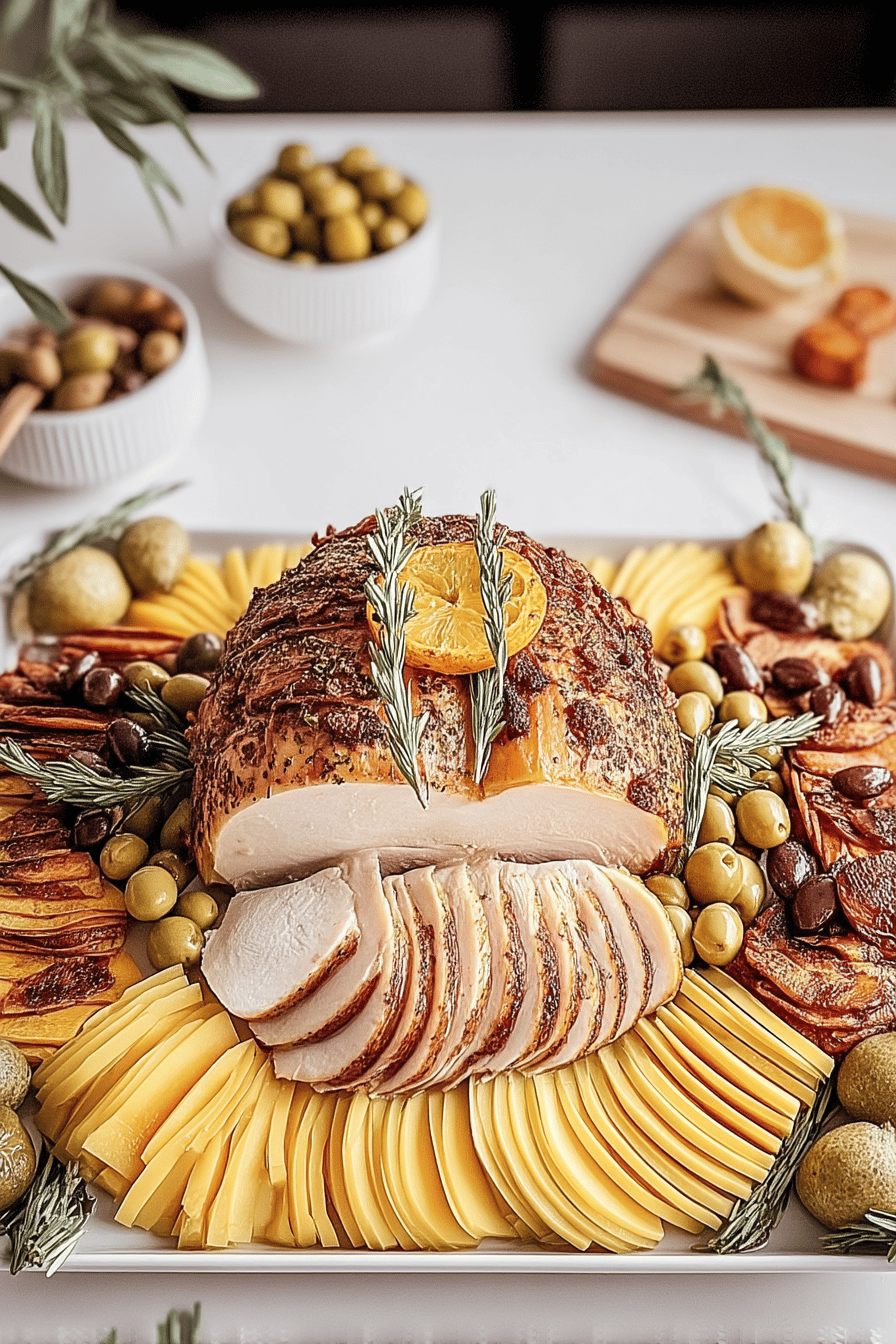
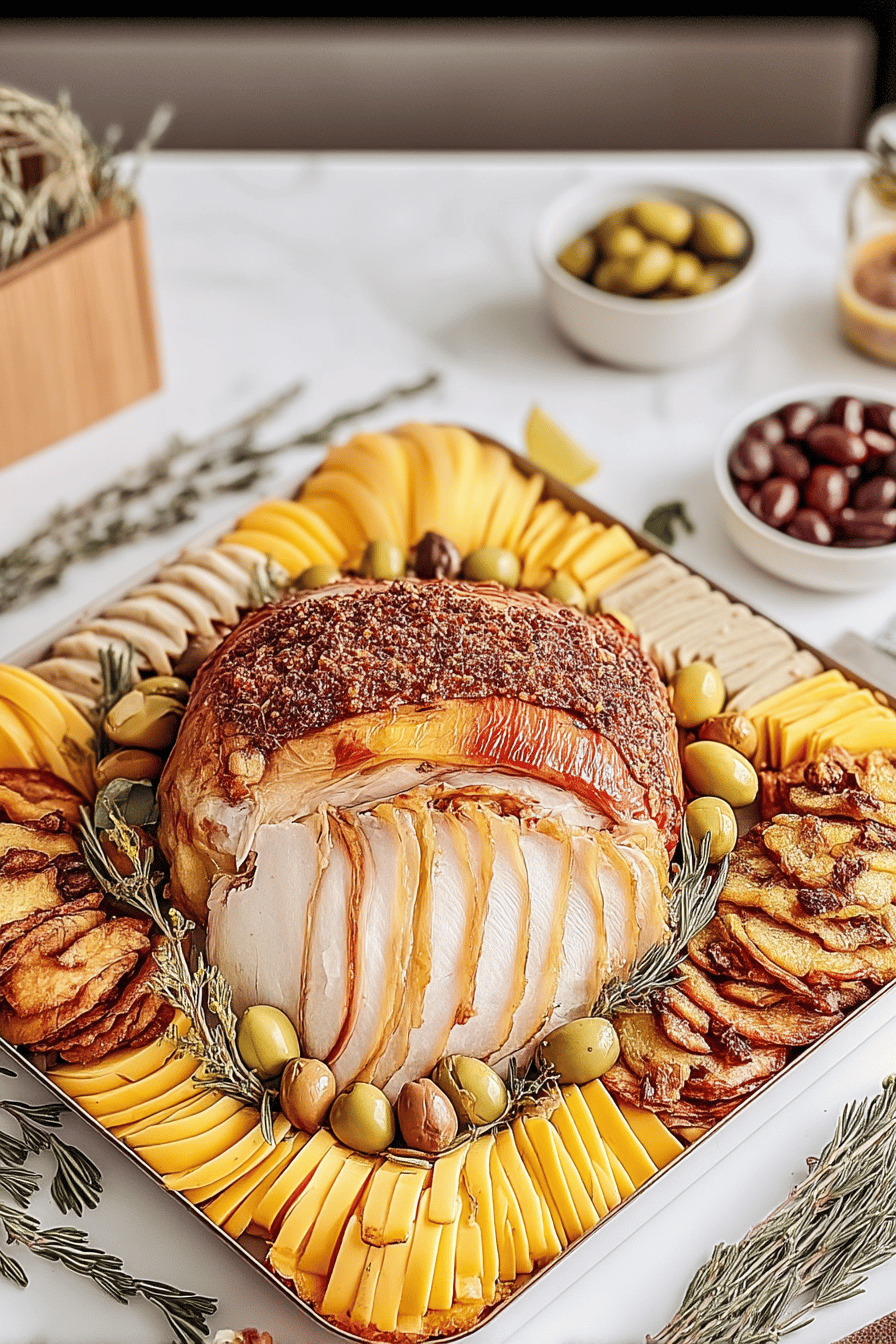
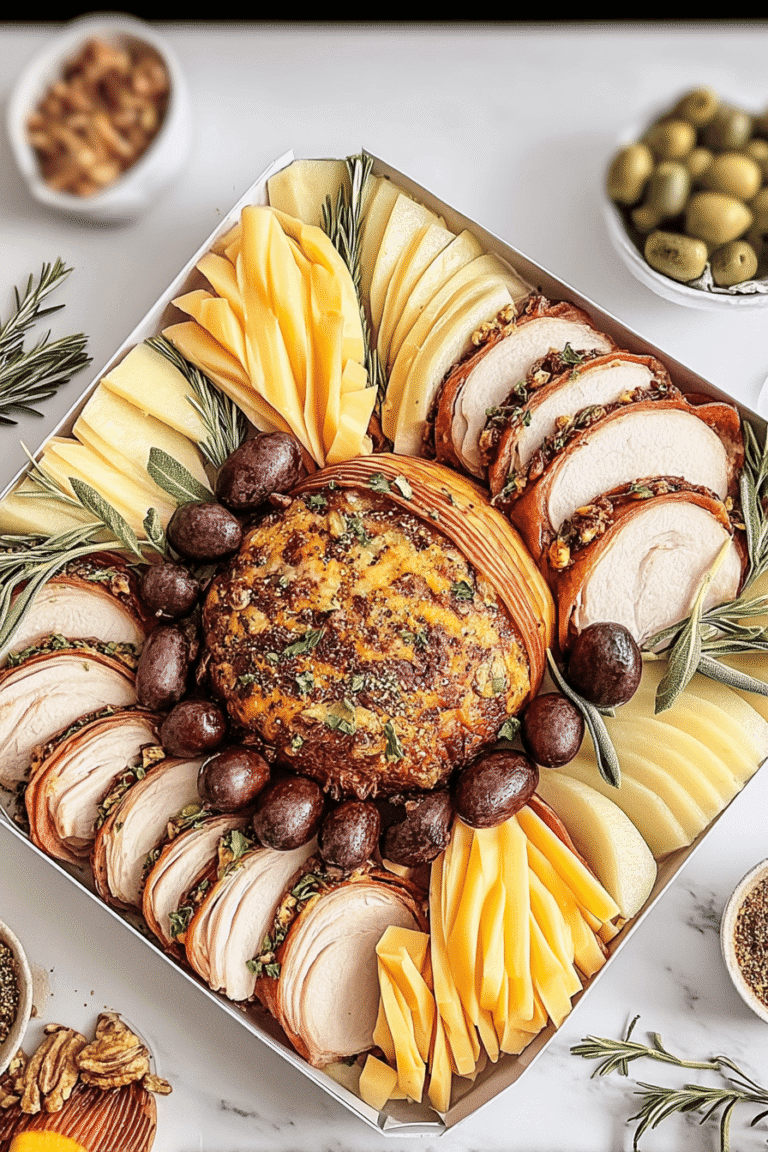
- Presentation tips: Tie the roll with colorful kitchen twine for a festive look. Garnish the serving platter with fresh rosemary sprigs and a drizzle of pan sauce.
- Make-ahead options: Prepare the stuffed turkey roll a day in advance, refrigerate tightly wrapped, and sear and cook the next day for a stress-free celebration meal.
How to Store cheese easter turkey: Best Practices
Refrigeration
Place leftover cheese Easter turkey in airtight containers within two hours of cooking. Keep refrigerated at or below 40°F (4°C), and consume within 3-4 days for optimal freshness and safety.
Freezing
For longer storage, slice the turkey roll and wrap individual portions tightly in plastic wrap and aluminum foil or place in freezer-safe bags. Store at 0°F (-18°C) and use within 2-3 months to preserve flavor and texture.
Reheating
Reheat gently in a preheated oven at 325°F (163°C) until warmed through, keeping the meat moist. Avoid microwaving as it can dry out the turkey. Reheat pan sauce separately and pour over slices for juiciness.
Meal prep considerations
Divide cooked cheese Easter turkey into meal-sized portions before storing. This facilitates quick reheating and reduces waste, making it ideal for festive leftovers or batch cooking.
FAQs: Frequently Asked Questions About cheese easter turkey
How do I butterfly a turkey breast for stuffing?
To butterfly a turkey breast, place it skin-side down on a cutting board. Carefully slice horizontally through the thickest part without cutting all the way through, then open it like a book and flatten gently. If you’re uncertain, ask your butcher to butterfly it for you to ensure an even thickness ideal for stuffing and rolling.
What ingredients make a good filling for cheese Easter turkey?
A traditional filling combines cheeses that melt well, such as fontina or scamorza, with cooked ham or prosciutto and an omelet to add moisture. You can customize fillings by adding vegetables like grilled eggplant or using seasonal cheeses like fresh pecorino. The key is choosing ingredients that add flavor without making the filling watery.
How should I cook stuffed turkey breast to keep it tender and juicy?
Cooking stuffed turkey breast on the stovetop over medium heat is recommended to maintain moisture and control cooking time. After searing, let the turkey rest covered in the pan for about an hour off heat to allow residual warmth to finish cooking gently, which keeps the meat tender and juicy without drying.
What are some side dishes that pair well with cheese-stuffed turkey for Easter?
Traditional Tuscan sides like crostini neri, asparagus-filled crespelle alla Fiorentina, fresh peas sautéed with garlic and pancetta, and semolina chocolate cake for dessert complement cheese-stuffed turkey beautifully, creating a balanced Easter meal with varied textures and flavors.
How can I reheat sliced stuffed turkey without drying it out?
To reheat sliced turkey without losing moisture, warm the serving dish and any cooking sauce separately. Place the turkey slices in the hot dish and pour the warmed sauce over them to gently raise the temperature. This method avoids direct heat on the meat, which can cause dryness.
cheese easter turkey
🦃 Delight your taste buds with Cheese Easter Turkey Sliders, combining juicy turkey with prosciutto and melted fontina for an unforgettable feast! 🍔 Perfect for a family gathering, these sliders are packed with flavor and sure to impress your guests.
- Total Time: 55 minutes plus resting
- Yield: 6 servings 1x
Ingredients
1.2 kg butterflied turkey breast
100 g prosciutto cotto (cooked ham), thinly sliced
100 g fontina cheese, thinly sliced
2 eggs
Salt and black pepper to taste
A few sprigs of fresh rosemary
Extra virgin olive oil
1 cup white wine
Instructions
First Step: Prepare the Turkey Breast Start by asking your butcher to butterfly the turkey breast if it isn’t already done. Lay the turkey flat on a clean cutting board and pat it dry with paper towels to ensure better searing. Season the turkey breast generously with salt and black pepper on both sides, pressing the seasonings gently into the meat.
Second Step: Cook the Omelet Filling Beat the eggs with a pinch of salt and pepper. Heat a teaspoon of extra virgin olive oil in a non-stick skillet over medium heat. Pour the eggs into the pan and cook into a thin omelet, turning carefully once to avoid tearing. Remove the thin omelet and let it cool, then slice or fold it to place inside the turkey breast roll. This omelet layer will keep the turkey moist during cooking.
Third Step: Layer the Filling On the butterflied turkey breast, layer slices of prosciutto cotto evenly, followed by fontina cheese slices. Then, add the prepared thin omelet slices on top of the cheese, leaving about an inch clear at the short edges to help seal the roll. This layering imparts a rich, gooey interior to the turkey.
Fourth Step: Roll and Secure the Turkey Starting from the short side, tightly roll the turkey breast, pressing firmly to enclose the filling. Use butcher’s twine to tie the roll securely, spacing ties about 1 inch apart. Tuck fresh rosemary sprigs underneath the twine to infuse the roast with fragrant herbal notes during cooking.
Fifth Step: Sear the Turkey Roll Heat a generous amount of extra virgin olive oil in a large pan over medium heat. Carefully place the turkey roll and sear it on all sides until it turns evenly golden, roughly 10 minutes in total. This step locks in juices and forms a beautiful crust.
Sixth Step: Deglaze and Cook Gently Pour in the white wine to deglaze the pan, letting it simmer briefly to reduce slightly. Cover the pan with a lid, reduce heat to low, and cook gently for 25 to 30 minutes. This slow process keeps the turkey tender and juicy without drying out.
Final Step: Rest and Serve Turn off the heat and leave the covered turkey to rest in the pan for at least one hour. This off-heat resting period is essential for the meat to finish cooking gently and retain moisture. When ready to serve, slice the turkey roll thinly. Warm the pan sauce separately and pour over the slices to maintain moistness and add flavor. Enjoy the rich, tender cheese Easter turkey with your favorite sides.
Last Step:
Please leave a rating and comment letting us know how you liked this recipe! This helps our business to thrive and continue providing free, high-quality recipes for you.Notes
🌿 Customize the filling with seasonal ingredients like sautéed spinach or artichokes.
🔪 For thin slices, chill the cooked turkey overnight before slicing.
🥘 Use the warmed cooking sauce over turkey slices to keep them moist and flavorful.
- Prep Time: 15 minutes
- Resting Time: 1 hour
- Cook Time: 40 minutes
- Category: Dinner
- Method: Stovetop
- Cuisine: American
- Diet: Nut-Free
Nutrition
- Serving Size: 1 slider
- Calories: 580
- Sugar: 1g
- Sodium: 820mg
- Fat: 38g
- Saturated Fat: 15g
- Unsaturated Fat: 20g
- Trans Fat: 0g
- Carbohydrates: 2g
- Fiber: 0g
- Protein: 50g
- Cholesterol: 195mg


This is such a fun twist on a traditional Easter dish! 🦃 I made it for a family gathering last weekend, and everyone loved it.
Quick question: Do you think using smoked gouda instead of cheddar would work well, or would it overpower the flavors?