

Why You’ll Love This Cauliflower Casserole
This easy cauliflower casserole will quickly become a staple in your weekly meal rotation. The combination of tender cauliflower florets swimming in a rich, creamy parmesan sauce, topped with crispy panko breadcrumbs, creates a texture and flavor profile that’s simply irresistible. Let me share why this recipe has won over my family and friends.
Ease of preparation
With just 20 minutes of prep time and simple techniques anyone can master, this cauliflower casserole recipe is perfect for busy weeknights. The straightforward steps blanching cauliflower, whisking a quick roux-based sauce, and layering mean even novice cooks can achieve impressive results without spending hours in the kitchen.
Health benefits
Cauliflower is packed with vitamins C, K, and B6, along with fiber and antioxidants. By using this nutrient-dense vegetable as the star of your casserole, you’re creating a lighter side dish that doesn’t sacrifice flavor. Health benefits of cauliflower include supporting heart health, digestion, and even cancer prevention when enjoyed as part of a balanced diet.
Versatility
This cheesy cauliflower casserole adapts beautifully to various dietary needs and taste preferences. Whether you need to make it gluten-free, vegetarian, or simply want to switch up the cheese blend, the recipe accommodates modifications without losing its comforting appeal. It pairs perfectly with main dishes like crockpot orange chicken or baby back ribs for a complete family meal.
Distinctive flavor
The combination of savory parmesan, creamy fontina, aromatic garlic, and a hint of paprika creates depth that sets this casserole apart from typical vegetable sides. The granulated onion adds subtle umami notes, while fresh parsley provides a bright finish that balances the rich, cheesy elements perfectly.
Jump To
- 1. Why You’ll Love This Cauliflower Casserole
- 2. Essential Ingredients for Cauliflower Casserole
- 3. How to Prepare the Perfect Cauliflower Casserole: Step-by-Step Guide
- 4. Dietary Substitutions to Customize Your Cauliflower Casserole
- 5. Mastering Cauliflower Casserole: Advanced Tips and Variations
- 6. How to Store Cauliflower Casserole: Best Practices
- 7. FAQs: Frequently Asked Questions About Cauliflower Casserole
- 8. Cauliflower Casserole
Essential Ingredients for Cauliflower Casserole
Before you start cooking, gather everything you need to create this delicious cheesy casserole. Here’s your complete shopping list:
- 4 ½ tablespoons unsalted butter, divided use
- 2 cloves garlic, pressed
- 4 ½ tablespoons flour
- 2 ½ cups milk (2% recommended)
- 1 ¼ cup grated parmesan cheese, divided
- Salt
- Black pepper
- ½ cup panko breadcrumbs
- ¼ teaspoon paprika
- 3 pounds cauliflower florets (or cauliflower head cut into florets)
- ¼ teaspoon granulated onion
- ½ cup grated fontina cheese
- 1 tablespoon chopped parsley for garnish
Main Ingredients Explained
| Ingredient | Purpose |
|---|---|
| 4 ½ tablespoons unsalted butter | Divided between the sauce and topping, this creates rich flavor and helps achieve that golden, crispy crust. |
| 2 cloves garlic, pressed | Releases maximum flavor into the sauce for aromatic depth that complements the cauliflower. |
| 4 ½ tablespoons flour | Forms the roux base that thickens the milk into a creamy, velvety sauce. |
| 2 ½ cups milk (2% recommended) | Provides the liquid base for your sauce while maintaining richness without excessive fat. |
| 1 ¼ cup grated parmesan cheese, divided | Adds salty, nutty flavor and umami richness to both the sauce and crispy topping. |
| Salt | Enhances all flavors and seasons the cauliflower during blanching. |
| Black pepper | Adds subtle warmth and complexity to the cheesy sauce. |
| ½ cup panko breadcrumbs | Creates a lighter, crunchier topping than traditional breadcrumbs. |
| ¼ teaspoon paprika | Contributes color and mild smokiness to the breadcrumb topping. |
| 3 pounds cauliflower florets | The star ingredient, providing texture and nutritional substance to the casserole. |
| ¼ teaspoon granulated onion | Adds concentrated onion flavor without the texture of fresh onions. |
| ½ cup grated fontina cheese | Melts beautifully and provides creamy, mild flavor that complements the sharper parmesan. |
| 1 tablespoon chopped parsley | Fresh garnish that brightens the dish and adds visual appeal. |
Special Dietary Options
Vegan: Substitute butter with plant-based alternative, use unsweetened plant milk, and replace cheeses with vegan versions or nutritional yeast. Expect some texture differences but still satisfying results.
Gluten-free: Use all-purpose gluten-free flour blend in place of regular flour, and ensure your panko breadcrumbs are certified gluten-free.
Low-calorie: Reduce butter to 3 tablespoons, use low-fat milk, and decrease cheese amounts by about one-third while maintaining seasonings for flavor.
How to Prepare the Perfect Cauliflower Casserole: Step-by-Step Guide
Ready to create this family favorite? Follow these detailed instructions to achieve perfectly cheesy, creamy results every time. This cauliflower casserole recipe comes together in just over an hour, but the hands-on time is surprisingly minimal.
Preparation and Preheating
First Step: Preheat your oven to 375°F and prepare a medium-large baking dish (about 2 ½ quart size) by lightly greasing it with butter or cooking spray. This ensures your casserole releases easily after baking. While the oven warms up, start gathering your ingredients and measuring everything out. Having all your components ready before you start cooking known as mise en place makes the process flow smoothly and helps avoid scrambling around the kitchen mid-recipe.
Making the Parmesan Cheese Sauce
Second Step: Make the parmesan cheese sauce by melting 2 ½ tablespoons butter in a medium pot over medium heat. Once melted and slightly bubbling, add your pressed garlic and cook for about 30 seconds to 1 minute until aromatic but not browned. The garlic should smell fragrant and inviting, filling your kitchen with savory anticipation. This step infuses the butter with garlic flavor before adding the flour.
Third Step: Sprinkle the flour over the garlic butter and stir constantly with a whisk or wooden spoon to form a smooth roux. Cook this mixture for 1-2 minutes, stirring constantly, to cook out the raw flour taste. The roux should be pale yellow and smooth without any lumps. This small amount of flour works magic to thicken your milk into a velvety sauce.
Fourth Step: Slowly whisk in the milk, adding just a small amount at a time while whisking continuously to avoid lumps. Start with about ½ cup of milk, whisk until completely incorporated, then add another ½ cup, repeating this process until all the milk has been added. This gradual technique ensures a perfectly smooth sauce without frustrating lumps that can form when cold milk hits hot roux too quickly.
Finishing the Sauce
Fifth Step: Cook the sauce for 5-6 minutes over medium heat, whisking frequently, until it thickens and begins to simmer. You’ll know it’s ready when the sauce coats the back of a spoon and creates a clear line when you run your finger through it. Season generously with salt and black pepper, then remove from heat. Stir in 1 cup of the grated parmesan cheese until completely melted and incorporated. Keep the sauce warm while you prepare the remaining components.
Preparing the Crunchy Topping
Sixth Step: In a small bowl, mix the panko breadcrumbs with the remaining ¼ cup parmesan cheese and paprika. Melt the remaining 2 tablespoons butter and pour it into the breadcrumb mixture, combining until all crumbs are lightly coated with butter. This mixture will create that irresistible golden, crispy topping that contrasts beautifully with the creamy cauliflower underneath. Set this aside until you’re ready to assemble the casserole.
Preparing the Cauliflower
Seventh Step: Blanch the cauliflower florets by bringing a large pot of salted water to a simmer. Add the 3 pounds of cauliflower florets and cook for 4-5 minutes until slightly tender but still firm. They should have lost their raw crunch but not be fully cooked through yet. This blanching step jump-starts the cooking process so the cauliflower finishes perfectly in the oven without becoming mushy. Drain the florets well and pat them dry with clean kitchen towels or paper towels to remove excess moisture. This crucial step prevents your casserole from becoming watery.
Assembling the Casserole
Eighth Step: Spread about 1 cup of the warm parmesan sauce at the bottom of your prepared baking dish. This bottom layer of sauce ensures the cauliflower sitting on top doesn’t stick to the pan and starts absorbing flavor immediately. Add the blanched cauliflower florets in an even layer, then sprinkle the granulated onion evenly over the cauliflower for concentrated onion flavor in every bite.
Ninth Step: Pour the remaining parmesan sauce over the cauliflower, using a spoon or spatula to smooth it out and ensure all florets are coated. Sprinkle the fontina cheese evenly over the sauced cauliflower. This Italian melting cheese adds a wonderful creamy, mild flavor and helps bind the dish together. Finally, add the prepared panko breadcrumb topping evenly over everything, covering the surface completely.
Baking and Serving
Final Step: Bake the assembled casserole for 25-30 minutes until the topping is golden brown and crispy, and the cheese sauce is bubbling around the edges. The kitchen will smell amazing as everything melds together! Remove from oven and let rest for about 5 minutes before serving. This allows the sauce to set slightly for cleaner portions. Garnish with the chopped parsley just before serving for a pop of color and fresh flavor that brightens the rich, cheesy casserole. Serve warm and enjoy the compliments!
Nutritional Information: Approximately 273 calories per serving. Recipe serves 8.
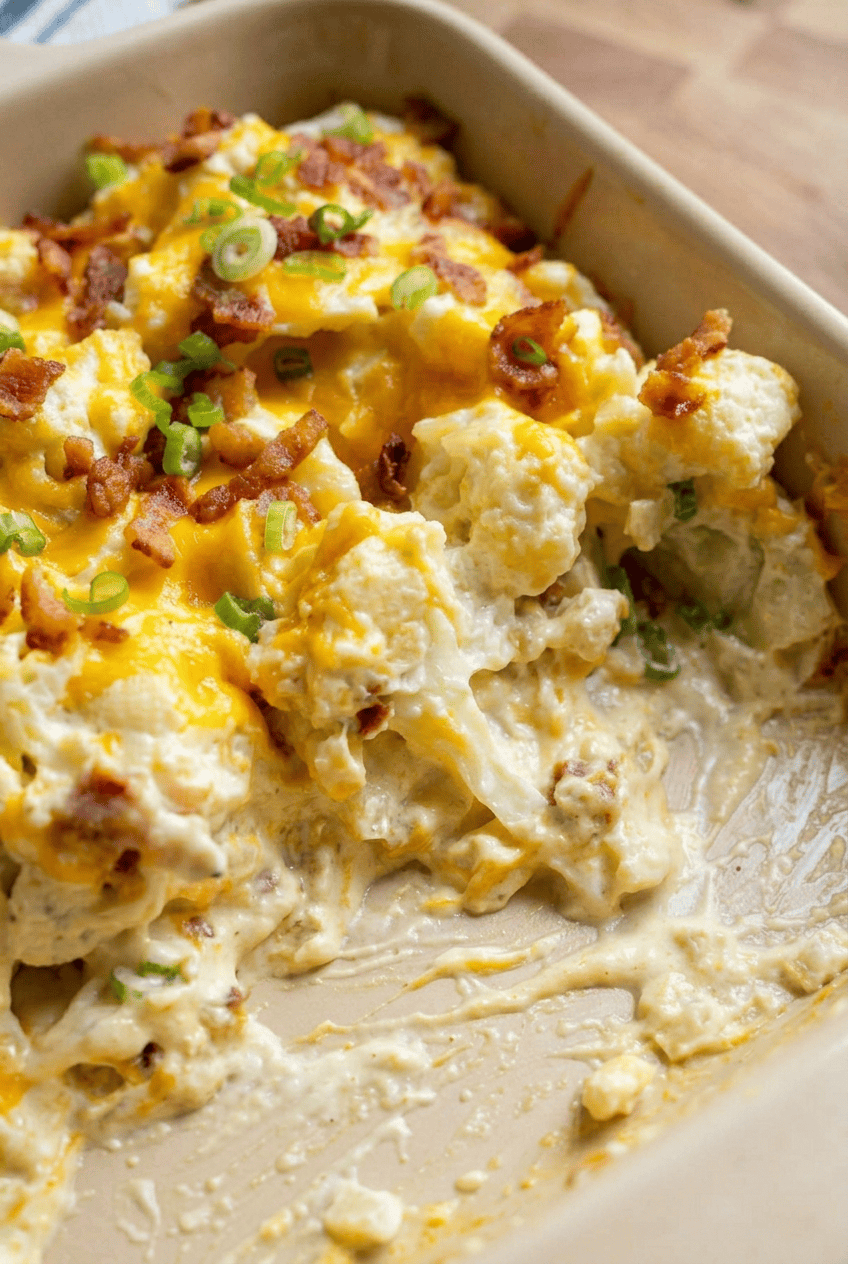
Dietary Substitutions to Customize Your Cauliflower Casserole
One of the beautiful things about this cauliflower casserole is its adaptability to various dietary needs and ingredient availability. Whether you’re cooking for specific allergies or simply working with what you have in your pantry, these substitutions will help you create a delicious customized version.
Protein and Main Component Alternatives
While cauliflower takes center stage in this recipe, you can easily add protein or swap vegetables based on your preferences and dietary goals. Consider adding cooked chicken, bacon bits, or even crispy prosciutto for a heartier main dish version. For vegetarian protein options, white beans or chickpeas can be layered with the cauliflower for added substance. If you’d like to mix up the vegetables, broccoli florets work beautifully in place of or alongside the cauliflower, creating a colorful medley. For those looking for more substance, diced potatoes or sweet potatoes can be added, though they may require slightly longer baking time. Black-eyed peas could also add a Southern twist and plant-based protein to this casserole.
Vegetable, Sauce, and Seasoning Modifications
The creamy sauce in this cauliflower casserole offers endless customization opportunities. For the milk component, you can substitute with heavy cream for extra richness, half-and-half for a middle ground, or unsweetened almond, soy, or oat milk for dairy-free versions. The flour thickener can be replaced with cornstarch (use about half the amount) or a gluten-free all-purpose blend for those avoiding gluten.
Cheese variations can completely transform the flavor profile. While the parmesan and fontina combination is classic, you could try sharp cheddar for a more pronounced tang, gruyère for sophisticated nuttiness, or smoked gouda for added depth. A four-cheese blend (mozzarella, provolone, parmesan, and romano) creates irresistible, kid-friendly results.
Seasoning adjustments allow you to tailor this recipe to different cuisines or taste preferences. Add a pinch of cayenne or red pepper flakes for subtle heat, or incorporate herbs like thyme, rosemary, or sage for earthy notes. For a Mediterranean twist, add sun-dried tomatoes and olives. A Mexican-inspired version could include diced green chilies, cumin, and cilantro. These modifications keep the basic structure of the cauliflower casserole while creating exciting new flavor experiences.
Mastering Cauliflower Casserole: Advanced Tips and Variations
Once you’ve mastered the basic cauliflower casserole recipe, these advanced techniques and creative variations will help you elevate this dish from everyday side to show-stopping centerpiece. These tips come from years of testing and refining to achieve the best results possible.
Pro Cooking Techniques
For exceptionally creamy results, grate your own cheese from blocks rather than buying pre-shredded varieties. Pre-shredded cheese contains anti-caking agents that can prevent smooth melting and lead to grainy sauce textures. Taking the extra few minutes to grate your own parmesan and fontina makes a noticeable difference in the final casserole’s texture and flavor.
When blanching the cauliflower, add a splash of lemon juice or vinegar to the water. This simple trick helps maintain the cauliflower’s bright white color and prevents it from turning dull during cooking. Additionally, shocking the blanched cauliflower in an ice water bath immediately after draining stops the cooking process precisely, preserving the perfect tender-crisp texture that contrasts beautifully with the soft sauce.
Flavor Variations
Experiment with different seasoning combinations to create signature versions of this casserole. A garlic-herb variation can be achieved by adding fresh herbs (thyme, rosemary, and sage) to the sauce along with an extra clove of garlic. For a spicy kick, incorporate diced jalapeños or a teaspoon of hot sauce into the cheese sauce, and consider using pepper jack cheese in place of some of the fontina.
A Mediterranean-inspired version could include sun-dried tomatoes, chopped spinach, and Kalamata olives layered with the cauliflower. For a bacon-lovers version, cook 4-5 strips of crispy bacon, crumble them, and layer both within the casserole and atop the breadcrumbs. The smoky, salty bacon adds incredible depth that pairs perfectly with the cheesy cauliflower.
Presentation Tips
Serve your cauliflower casserole in individual ramekins for a restaurant-style presentation. Simply divide the mixture among 6-8 small oven-safe dishes before baking, reducing the cooking time to 15-20 minutes since smaller portions cook faster. This creates an elegant appearance and allows each guest their own perfectly portioned serving with maximum crispy edge area.
For garnish, consider adding toasted pine nuts or chopped walnuts over the parsley for additional texture and visual appeal. A light drizzle of aged balsamic reduction just before serving creates a beautiful contrast and sophisticated flavor element. If serving for a special occasion, carefully placed fresh herb sprigs (thyme or rosemary work beautifully) make the dish look professionally plated.
Make-Ahead Options
This cauliflower casserole is excellent for meal prep and can be partially or fully prepared in advance. The most efficient method is to blanch the cauliflower and prepare both the sauce and breadcrumb topping up to 24 hours ahead. Store each component separately in airtight containers in the refrigerator. When ready to bake, simply assemble the casserole and add 5-10 minutes to the baking time since everything will be cold.
For holidays or busy weeknights, you can fully assemble the casserole up to 24 hours before baking, cover it tightly, and refrigerate. When ready to bake, remove from the refrigerator 30 minutes before putting it in the oven to take the chill off, then bake as directed. The flavors will have had time to meld together, often resulting in even better taste than freshly assembled versions. Health benefits of cauliflower are preserved when you use these make-ahead methods, making nutritious meal planning easier than ever.
How to Store Cauliflower Casserole: Best Practices
Proper storage ensures your cauliflower casserole maintains its delicious flavor and texture for enjoying later. Whether you have leftovers from dinner or purposely made a larger batch for meal prep, these guidelines will help you keep your casserole tasting freshly made.
Refrigeration
Store leftover cauliflower casserole in an airtight container or cover the baking dish tightly with aluminum foil or plastic wrap. Properly stored, it will keep well in the refrigerator for 3-4 days. When refrigerating, allow the casserole to cool completely at room temperature for no more than 2 hours before covering and placing in the fridge. This prevents condensation from forming inside the container, which could make the crispy topping soggy. For best results, separate any leftover topping if possible, though this isn’t essential if you plan to reheat the entire dish within a couple of days.
Freezing
While you can freeze cauliflower casserole, be aware that the texture may change slightly upon thawing. The high water content in cauliflower can lead to a somewhat watery consistency after freezing and reheating, and the crispy topping will lose its crunch. If freezing is necessary, cool the casserole completely, then wrap tightly in several layers of plastic wrap followed by aluminum foil. Label with the date and contents before placing in the freezer, where it will maintain quality for up to 2 months. For best results, thaw overnight in the refrigerator before reheating.
Reheating
Reheating cauliflower casserole properly is crucial for maintaining quality. The oven method produces the best results: preheat to 350°F, cover the casserole with foil (unless you want to recrisp the topping), and heat for 15-20 minutes until warmed through. For individual portions, the microwave works in a pinch place on a microwave-safe plate, cover loosely with a paper towel, and heat in 1-minute intervals, stirring between, until hot. To restore some crispiness to the topping, finish with a few minutes under the broiler, watching closely to prevent burning.
Meal Prep Considerations
For efficient meal prep, consider portioning the cooled casserole into individual containers before storing. This makes grabbing quick, portion-controlled lunches or snacks throughout the week incredibly convenient. Single portions reheat more evenly and quickly than larger containers. Label each container with the date for easy tracking. If you’re prepping for the entire week, consider making two smaller batches instead of one large one enjoy the first batch within the first few days for optimal texture and freshness, then make a second batch midweek if needed.
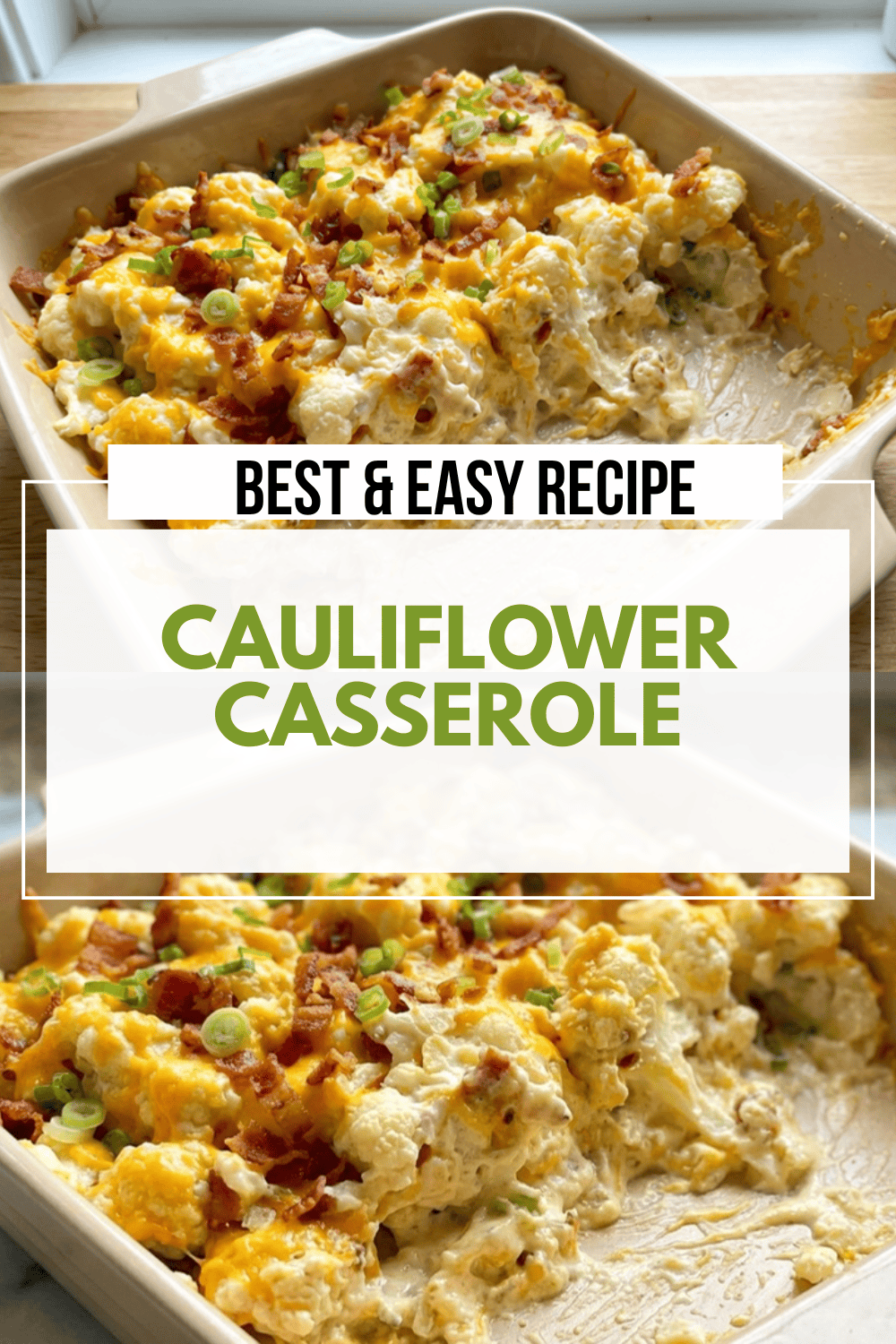
FAQs: Frequently Asked Questions About Cauliflower Casserole
How do I prepare cauliflower for cauliflower casserole?
Start by cutting a fresh cauliflower head into bite-sized florets. Blanch them in salted, simmering water for 4-5 minutes until slightly tender but still firm and crisp. This step softens the cauliflower just enough for even cooking in the casserole without turning mushy. Drain the florets immediately and pat them dry with a clean kitchen towel or paper towels to remove excess moisture. This prevents a watery casserole. For best results, use about 1.5 to 2 pounds of cauliflower florets to fill a standard 9×13-inch baking dish. Pre-packaged florets work great too, saving prep time. Once prepped, layer them in the dish before adding the sauce.
Can I use store-bought cauliflower florets for casserole?
Yes, pre-packaged cauliflower florets are a convenient choice for this recipe. They’re already cut to the ideal size—about 1-2 inches—eliminating the need to chop a whole head and reducing cleanup. Look for fresh ones in the produce section, not frozen, to maintain texture. Rinse them briefly under cold water, then blanch as directed: simmer in salted water for 4-5 minutes, drain, and pat dry. This yields the same results as fresh-cut florets. A 12-16 ounce bag typically serves 4-6 people. Skip bags with added seasonings to avoid altering the cheesy flavor profile.
Should I cover the cauliflower casserole when baking?
No, leave the casserole uncovered during baking. Covering traps steam, which softens the panko breadcrumb topping and prevents it from turning golden and crisp—the key to texture contrast. Bake at 375°F for 25-30 minutes until the top is bubbly and browned. Place the dish on the middle oven rack for even heat. If the edges brown too quickly, tent loosely with foil after 20 minutes, but keep the center exposed. This method ensures a crunchy topping over creamy, cheesy cauliflower. Serves 6-8 as a side; total prep and bake time is about 45 minutes.
Can I make cauliflower casserole ahead of time?
Absolutely, this casserole is perfect for prep-ahead. Blanch the florets and make the parmesan sauce up to a day in advance; store separately in the fridge. Mix the panko topping and refrigerate it covered. Assemble by combining sauce and florets in the baking dish, cover tightly, and chill overnight. Before baking, sprinkle on the panko and fontina cheese, then bake as directed—no adjustments needed since it starts cold. This saves time for holidays or weeknights. It reheats well in a 350°F oven for 15-20 minutes. Avoid freezing, as it can make the dish watery upon thawing.
Is there a vegan option for cauliflower casserole?
A fully vegan version is tricky due to the cheese’s role in creaminess, but it’s possible with swaps. Use unsweetened soy or nut milk for the sauce base, vegan butter instead of dairy, and nutritional yeast or vegan parmesan for cheesy flavor—double the garlic and herbs to compensate. Top with vegan shredded cheese and panko mixed with olive oil. Blanch and assemble as usual, baking uncovered at 375°F for 25-30 minutes. Expect a different texture—less rich but still satisfying. Test with a small batch first. For dairy-free eaters, broccoli works as a sub too, though untested here. Serves 6; pairs with roasted veggies.

Cauliflower Casserole
🥦🧀 Ultra-creamy parmesan cauliflower casserole with crispy panko top—cheesy family favorite side dish ready in 1 hour.
🍽️ Low-carb veggie swap for mac ‘n’ cheese, crowd-pleasing bake that’s make-ahead friendly for holidays.
- Total Time: 1 hour 5 minutes
- Yield: 8 servings
Ingredients
– 4 ½ tablespoons unsalted butter, divided use
– 2 cloves garlic, pressed
– 4 ½ tablespoons flour
– 2 ½ cups milk (2% recommended)
– 1 ¼ cup grated parmesan cheese, divided
– Salt
– Black pepper
– ½ cup panko breadcrumbs
– ¼ teaspoon paprika
– 3 pounds cauliflower florets (or cauliflower head cut into florets)
– ¼ teaspoon granulated onion
– ½ cup grated fontina cheese
– 1 tablespoon chopped parsley for garnish
Instructions
1-First Step: Preheat your oven to 375°F and prepare a medium-large baking dish (about 2 ½ quart size) by lightly greasing it with butter or cooking spray. This ensures your casserole releases easily after baking. While the oven warms up, start gathering your ingredients and measuring everything out. Having all your components ready before you start cooking known as mise en place makes the process flow smoothly and helps avoid scrambling around the kitchen mid-recipe.
2-Second Step: Make the parmesan cheese sauce by melting 2 ½ tablespoons butter in a medium pot over medium heat. Once melted and slightly bubbling, add your pressed garlic and cook for about 30 seconds to 1 minute until aromatic but not browned. The garlic should smell fragrant and inviting, filling your kitchen with savory anticipation. This step infuses the butter with garlic flavor before adding the flour.
3-Third Step: Sprinkle the flour over the garlic butter and stir constantly with a whisk or wooden spoon to form a smooth roux. Cook this mixture for 1-2 minutes, stirring constantly, to cook out the raw flour taste. The roux should be pale yellow and smooth without any lumps. This small amount of flour works magic to thicken your milk into a velvety sauce.
4-Fourth Step: Slowly whisk in the milk, adding just a small amount at a time while whisking continuously to avoid lumps. Start with about ½ cup of milk, whisk until completely incorporated, then add another ½ cup, repeating this process until all the milk has been added. This gradual technique ensures a perfectly smooth sauce without frustrating lumps that can form when cold milk hits hot roux too quickly.
5-Fifth Step: Cook the sauce for 5-6 minutes over medium heat, whisking frequently, until it thickens and begins to simmer. You’ll know it’s ready when the sauce coats the back of a spoon and creates a clear line when you run your finger through it. Season generously with salt and black pepper, then remove from heat. Stir in 1 cup of the grated parmesan cheese until completely melted and incorporated. Keep the sauce warm while you prepare the remaining components.
6-Sixth Step: In a small bowl, mix the panko breadcrumbs with the remaining ¼ cup parmesan cheese and paprika. Melt the remaining 2 tablespoons butter and pour it into the breadcrumb mixture, combining until all crumbs are lightly coated with butter. This mixture will create that irresistible golden, crispy topping that contrasts beautifully with the creamy cauliflower underneath. Set this aside until you’re ready to assemble the casserole.
7-Seventh Step: Blanch the cauliflower florets by bringing a large pot of salted water to a simmer. Add the 3 pounds of cauliflower florets and cook for 4-5 minutes until slightly tender but still firm. They should have lost their raw crunch but not be fully cooked through yet. This blanching step jump-starts the cooking process so the cauliflower finishes perfectly in the oven without becoming mushy. Drain the florets well and pat them dry with clean kitchen towels or paper towels to remove excess moisture. This crucial step prevents your casserole from becoming watery.
8-Eighth Step: Spread about 1 cup of the warm parmesan sauce at the bottom of your prepared baking dish. This bottom layer of sauce ensures the cauliflower sitting on top doesn’t stick to the pan and starts absorbing flavor immediately. Add the blanched cauliflower florets in an even layer, then sprinkle the granulated onion evenly over the cauliflower for concentrated onion flavor in every bite.
9-Ninth Step: Pour the remaining parmesan sauce over the cauliflower, using a spoon or spatula to smooth it out and ensure all florets are coated. Sprinkle the fontina cheese evenly over the sauced cauliflower. This Italian melting cheese adds a wonderful creamy, mild flavor and helps bind the dish together. Finally, add the prepared panko breadcrumb topping evenly over everything, covering the surface completely.
10-Final Step: Bake the assembled casserole for 25-30 minutes until the topping is golden brown and crispy, and the cheese sauce is bubbling around the edges. The kitchen will smell amazing as everything melds together! Remove from oven and let rest for about 5 minutes before serving. This allows the sauce to set slightly for cleaner portions. Garnish with the chopped parsley just before serving for a pop of color and fresh flavor that brightens the rich, cheesy casserole. Serve warm and enjoy the compliments!
Last Step:
Please leave a rating and comment letting us know how you liked this recipe! This helps our business to thrive and continue providing free, high-quality recipes for you.Notes
🥦 Blanch briefly—removes raw bite while keeping florets firm and vibrant.
🧀 Swap parmesan for cheddar or gruyere if needed; maintains cheesy bliss.
🔥 Bake uncovered for ultimate crispy panko crunch—no soggy topping.
- Prep Time: 20 minutes
- Cook Time: 45 minutes
- Category: Side Dish
- Method: Baked
- Cuisine: American
- Diet: Vegetarian
Nutrition
- Serving Size: 1/8 recipe
- Calories: 273 kcal
- Sugar: 6g
- Sodium: 450mg
- Fat: 18g
- Saturated Fat: 10g
- Unsaturated Fat: 8g
- Trans Fat: 0g
- Carbohydrates: 18g
- Fiber: 4g
- Protein: 14g
- Cholesterol: 45mg


