

Benefits and Advantages of Carrot Juice
Carrot juice offers a wealth of health benefits that make it a popular choice for wellness enthusiasts and everyday drinkers alike. One of its main advantages is how simple it is to prepare, requiring just fresh carrots and either a blender or juicer, making it accessible for all skill levels. The juice is packed with key nutrients like beta-carotene, vitamin A, antioxidants, and dietary fiber, all of which contribute to eye health, immune support, and improved skin vitality.
Carrot juice is naturally low in calories and works well within a variety of diets, including vegan and gluten-free lifestyles. Its natural sweetness eliminates the need for added sugars, offering a refreshing and wholesome hydration option. Moreover, compounds in carrot juice provide antioxidants such as lutein and zeaxanthin, which help protect against age-related eye conditions. Highlights like potassium content also aid in maintaining healthy blood pressure and heart function.
This combination of ease, nutrition, and taste has made carrot juice a staple for those seeking convenient, healthful beverages to support daily wellness routines.
Regular consumption of carrot juice can boost your immune system, promote radiant skin, and protect your eyes naturally.
Jump To
- 1. Benefits and Advantages of Carrot Juice
- 2. Essential Ingredients for Carrot Juice
- 3. Dietary Substitutions to Customize Your Carrot Juice
- 4. How to Prepare the Perfect Carrot Juice: Step-by-Step Guide
- 5. Advanced Tips and Variations
- 6. How to Store Carrot Juice: Best Practices
- 7. Nutritional Value of Carrot Juice
- 8. FAQs: Frequently Asked Questions About Carrot Juice
- 9. How to Make Fresh Carrot Juice with a Blender and Discover Its Top Benefits
Essential Ingredients for Carrot Juice
Getting the most nutritious and flavorful carrot juice begins with selecting the right ingredients. Below is a structured list of what you’ll need for a classic carrot juice recipe made in a blender or juicer:
- 250 grams carrots (about 3 medium carrots) – fresh and preferably organic
- 4 to 8 ice cubes or fruit ice (optional, for chilling)
- Half inch fresh ginger (optional) – adds a warming, anti-inflammatory kick
- 3 large oranges or 1 cup fresh orange juice or coconut water – boosts vitamin C and flavor
For those using a juicer, increase to 500 grams fresh tender carrots (about 1.1 pounds), 1 inch peeled ginger (reduce to half inch or omit for children), and opt to add celery stalks or cucumbers as optional ingredients for variation and hydration.
These ingredients are naturally gluten-free and vegan-friendly. Using fresh, organic produce ensures the best taste and maximum nutrient retention.
Dietary Substitutions to Customize Your Carrot Juice
Several substitutions can be made for the carrot juice recipe to accommodate dietary needs, ingredient availability, and taste preferences:
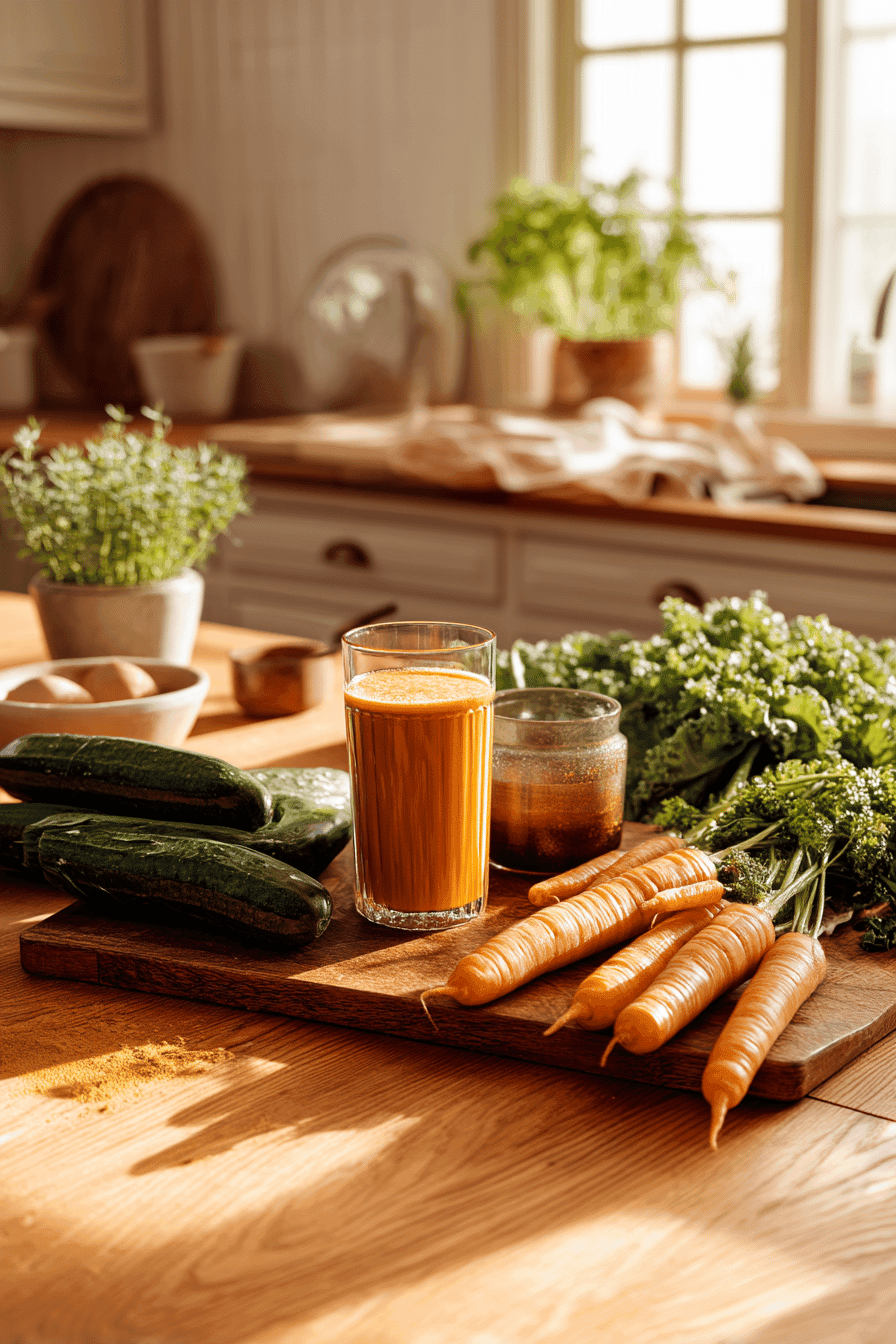
- Lower Sugar Option: Replace carrots partially or fully with cucumber and kale for fewer natural sugars while maintaining nutrient density.
- Ginger Alternative: Use ground turmeric instead of ginger for subtle earthiness and anti-inflammatory benefits if fresh ginger is unavailable.
- Liquid Base: Swap coconut water with almond milk, oat milk, or plain water to suit dairy-free, nut-free, or lower-calorie preferences.
- Sweetener Substitutes: Use agave syrup or stevia in place of honey to keep the juice vegan or reduce added sugars.
- Fiber Boost: Blend carrots into a smoothie rather than juicing to retain pulp and increase fiber content for better digestion.
These substitutions preserve the juice’s key health properties while allowing flexibility to match individual dietary goals.
How to Prepare the Perfect Carrot Juice: Step-by-Step Guide
Follow this detailed step-by-step guide to prepare fresh, nutrient-packed carrot juice whether you use a blender or a juicer:
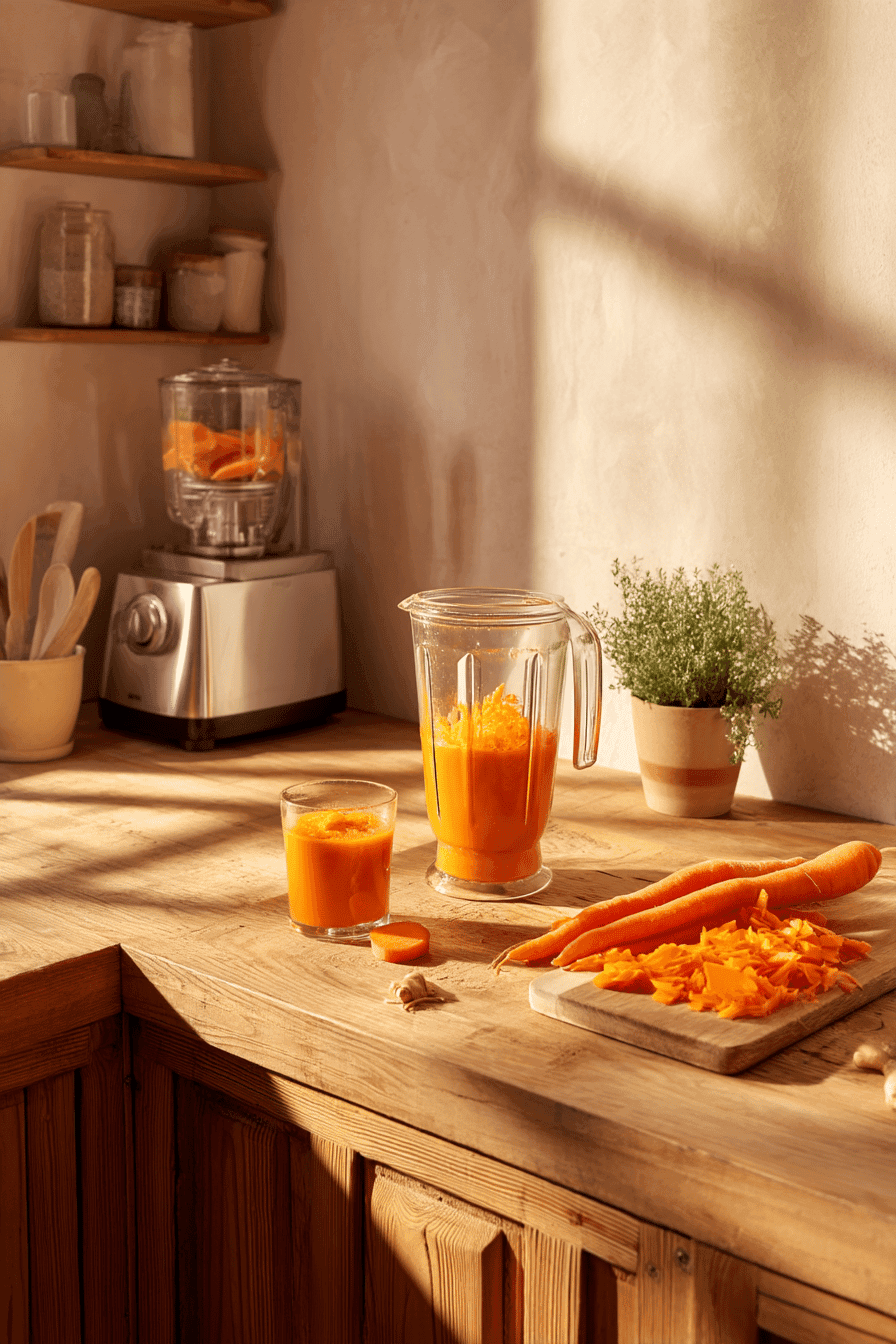
- Wash and Peel: Thoroughly wash 4 to 5 medium carrots with a vegetable brush to remove dirt. Peeling is optional but recommended for texture.
- Chop: Cut the carrots into 1 to 1½ inch pieces suitable for your juicer or blender.
- Juicing Method:
- If using a juicer: Slowly feed the carrot pieces through the juicer chute, collecting the freshly extracted juice.
- If using a blender: Combine the carrot pieces, half a cup of water or coconut water, optional ginger, and ice cubes. Blend on high until smooth.
- Strain (Blender Only): Use a fine mesh strainer or cheesecloth to press out juice from the blended mixture for a smooth consistency. Retain pulp if fiber is desired.
- Add Flavor Boosters: Mix in about 1 inch of peeled ginger and juice of half a lemon for brightness and anti-inflammatory benefits. Blend briefly to combine.
- Sweeten to Taste: Add a teaspoon of raw honey or maple syrup if desired. Skip for vegan or low-calorie options.
- Serve Fresh or Store: Pour juice into a glass and enjoy immediately, or refrigerate in an airtight container for up to 24 hours. Stir before drinking if chilled.
- Dietary Adjustments: During blending, consider substituting the liquid base or sweeteners as needed to fit dietary preferences.
An easy and nutritious carrot juice is ready in minutes and can be tailored to suit vegan, gluten-free, and low-calorie diets.
For more ideas on incorporating fresh juices into your routine and pairing with wholesome dishes, see our Egg and Avocado Salad recipe for a nutrient-rich accompaniment.
Advanced Tips and Variations
To enhance your carrot juice experience, consider adding fresh herbs like mint or basil, which provide a refreshing aromatic twist. Introducing a small amount of beetroot not only deepens the juice’s vibrant color but also boosts its antioxidant power. For natural sweetness variations, blending in an apple or pear adds fiber and mild flavor without overpowering the carrots’ natural taste. If you enjoy a bit of spice, a pinch of cayenne pepper or a slice of jalapeño can invigorate the juice with subtle heat.
When making larger batches, stir the juice thoroughly to ensure flavors are well combined. Using cold-pressed juice technology, when available, yields a smoother texture and preserves more nutrients compared to traditional methods. For a more nutrient-packed beverage, try blending carrots with leafy greens such as spinach or kale. All these additions and variations can be adapted to fit dietary restrictions by choosing organic, gluten-free, and vegan-certified ingredients.
These tips offer creative ways to enjoy carrot juice while aligning with your taste preferences and nutritional goals.
How to Store Carrot Juice: Best Practices
Proper storage of carrot juice is essential to maintain its freshness, flavor, and nutritional value. Here are recommended methods to keep your juice in optimal condition:
Refrigeration
- Store freshly made carrot juice in an airtight container to slow oxidation and preserve nutrients.
- Refrigerate immediately and consume within 24 to 48 hours for the best taste and vitamin retention.
- Fill containers to the brim to minimize air exposure, which can degrade quality.
- Use BPA-free plastics or glass bottles for storage to avoid chemical leaching.
Freezing
- Freeze carrot juice in ice cube trays, then transfer the cubes to sealed freezer bags to prevent freezer burn.
- Frozen juice can be stored for up to 3 months without significant flavor or nutrient loss.
- Thaw in the refrigerator or at room temperature; avoid reheating with microwave heat to protect delicate nutrients.
| Method | Duration | Key Tips |
|---|---|---|
| Refrigeration | 24 to 48 hours | Use airtight containers and refrigerate promptly for maximum freshness |
| Freezing | Up to 3 months | Freeze in ice tray cubes, then store in freezer bags; thaw gently when ready |
Following these storage guidelines helps ensure your carrot juice remains a convenient and nutritious addition to your diet. For detailed preparation tips, visit How to make fresh carrot juice at home.
Nutritional Value of Carrot Juice
Carrot juice is a nutrient-dense beverage, offering numerous vitamins and minerals vital for health:
| Nutrient | Amount | Health Benefit |
|---|---|---|
| Calories | 90-100 kcal | Provides low-calorie energy |
| Protein | 2 grams | Supports muscle and tissue repair |
| Fat | Less than 1 gram | Minimal fat content, heart-healthy |
| Vitamin A | Over 400% DV | Essential for eye health and immune function |
| Vitamin C | 4% to 25% DV | Antioxidant and immune support |
| Potassium | 150 to 800 mg | Maintains healthy blood pressure |
| Fiber | 1 to 7 grams (depending on pulp) | Aids digestion |
| Calcium | 4% to 8% DV | Supports bone health |
| Iron | Up to 4% DV | Important for oxygen transport |
Carrot juice provides an excellent antioxidant boost through beta-carotene, lutein, and zeaxanthin, believed to promote eye health and reduce age-related damage. It’s cholesterol-free, gluten-free, and suitable for vegan diets, making it a healthy choice for many lifestyles. Learn more about the health benefits of carrot juice.
FAQs: Frequently Asked Questions About Carrot Juice
Can I freeze or can carrot juice to store it longer?
Yes, carrot juice can be frozen for up to 3 months without losing much flavor or nutrients. To freeze, pour the juice into airtight containers or freezer-safe bags, leaving some space for expansion. If you want to can carrot juice, it’s best to follow safe canning procedures using a pressure canner to avoid spoilage, as carrot juice is low in acidity. Proper storage helps maintain freshness, so always store juice in the refrigerator after opening and consume within 2-3 days if not frozen.
Should I use a blender or a juicer to make carrot juice at home?
Both blenders and slow juicers can make carrot juice, but they work differently. A slow juicer extracts juice by pressing, resulting in a clearer and sweeter drink with less pulp. A blender retains all the fiber but requires straining through a fine sieve or cheesecloth to separate juice from pulp, which can be thicker. If you prefer a smoother texture and more nutrients from the whole carrot, a blender is fine, but a juicer usually yields better taste and clarity.
What are safe ways to sweeten carrot juice without adding bitterness?
To sweeten carrot juice safely, add natural sweeteners like honey or a small amount of fresh lemon juice. Use only lemon juice, not the lemon peel or whole lemon, because the peel can cause bitterness. Honey should be added after juicing to keep it raw and retain nutrients. Other options include adding a small amount of apple juice or a pinch of cinnamon for flavor without overpowering the natural sweetness of carrots.
Can babies and young children drink carrot juice every day?
It’s best not to give carrot juice to babies and children daily. Offering juice about 3-4 times a week is recommended to avoid excessive vitamin A intake, which can cause health issues. When serving carrot juice to children, avoid adding too much honey, especially for those under one year old, due to the risk of botulism. Mixing carrot juice with other fruit or vegetable juices can provide variety and balance nutrients.
Are there any health risks to drinking carrot juice every day?
Drinking carrot juice daily in moderate amounts is generally safe, but consuming large quantities may lead to carotenemia, a harmless condition where skin turns yellow-orange due to excess beta-carotene. Overconsumption can also cause vitamin A levels to rise too high, potentially leading to hypervitaminosis A, which can affect liver health. For most people, 1 cup (about 240 ml) several times a week is a healthy serving size to enjoy benefits without risks.
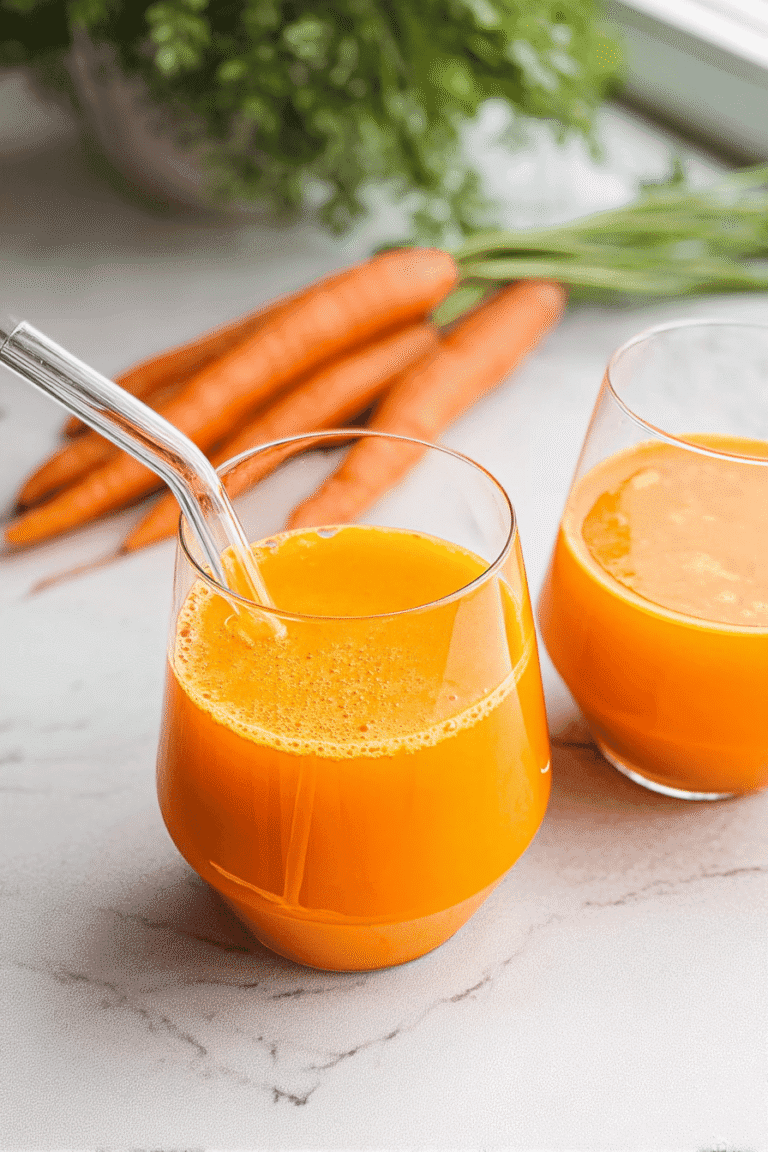
How to Make Fresh Carrot Juice with a Blender and Discover Its Top Benefits
🥕 Experience the vibrant flavors of fresh carrot juice, packed with vitamins that are great for eye health and support your immune system.
🧡 Perfect for those looking to incorporate a refreshing, antioxidant-rich beverage into their diet while boosting their overall wellness.
- Total Time: 40 minutes
- Yield: 2 servings
Ingredients
– 250 grams carrots (about 3 medium carrots) – fresh and preferably organic
– 4 to 8 ice cubes or fruit ice (optional, for chilling)
– Half inch fresh ginger (optional) – adds a warming, anti-inflammatory kick
– 3 large oranges or 1 cup fresh orange juice or coconut water – boosts vitamin C and flavor
– 500 grams fresh tender carrots (about 1.1 pounds) for juicer
– 1 inch peeled ginger for juicer (reduce to half inch or omit for children)
– Celery stalks or cucumbers as optional ingredients for juicer
Instructions
Wash and Peel: Thoroughly wash 4 to 5 medium carrots with a vegetable brush to remove dirt. Peeling is optional but recommended for texture.
Chop: Cut the carrots into 1 to 1½ inch pieces suitable for your juicer or blender.
Juicing Method:
- If using a juicer: Slowly feed the carrot pieces through the juicer chute, collecting the freshly extracted juice.
- If using a blender: Combine the carrot pieces, half a cup of water or coconut water, optional ginger, and ice cubes. Blend on high until smooth.
Strain (Blender Only): Use a fine mesh strainer or cheesecloth to press out juice from the blended mixture for a smooth consistency. Retain pulp if fiber is desired.
Add Flavor Boosters: Mix in about 1 inch of peeled ginger and juice of half a lemon for brightness and anti-inflammatory benefits. Blend briefly to combine.
Sweeten to Taste: Add a teaspoon of raw honey or maple syrup if desired. Skip for vegan or low-calorie options.
Serve Fresh or Store: Pour juice into a glass and enjoy immediately, or refrigerate in an airtight container for up to 24 hours. Stir before drinking if chilled.
Dietary Adjustments: During blending, consider substituting the liquid base or sweeteners as needed to fit dietary preferences.
Last Step:
Please leave a rating and comment letting us know how you liked this recipe! This helps our business to thrive and continue providing free, high-quality recipes for you.Notes
🧃 Use young or baby carrots for sweeter, better-flavored juice. Avoid old, woody carrots.
🍊 Sweet oranges are preferred to reduce tanginess; alternatives include Asian pears, tangerines, or grapefruit.
📦 Store juice properly and consume fresh for maximum nutrient retention.
- Prep Time: 10 minutes
- Soaking Time: 30 minutes
- Cook Time: 0 minutes
- Category: Beverage
- Method: Juicing
- Cuisine: Universal
- Diet: Vegan
Nutrition
- Serving Size: 1 glass
- Calories: 88
- Sugar: 12 g
- Sodium: 161 mg
- Fat: 0 g
- Saturated Fat: 0 g
- Unsaturated Fat: 0 g
- Trans Fat: 0 g
- Carbohydrates: 20 g
- Fiber: 4 g
- Protein: 2 g
- Cholesterol: 0 mg





This was my first time making homemade carrot juice, and your recipe was just perfect! 😊 I love the vibrant color and how refreshing it tasted. I added a bit of ginger for an extra kick, and it turned out amazing. Thanks for sharing!