

Why You’ll Love This Caesar Salad
Creating the perfect Caesar Salad at home transforms an ordinary meal into something special. This homemade dressing brings together bold flavors in a way that store-bought versions simply can’t match. Once you taste the difference, you’ll wonder why you ever settled for anything less.- Ease of preparation: This recipe comes together in just 10 minutes with no special equipment needed. The straightforward process uses common ingredients you likely already have in your pantry. Simply whisk together the components, and you’re ready to dress your salad.
- Health benefits: Unlike many commercial dressings loaded with preservatives and artificial ingredients, this homemade version uses real food ingredients. The mayonnaise base eliminates raw eggs while still delivering that creamy texture we all love. Plus, you can control exactly what goes into your dressing.
- Versatility: This dressing works beautifully beyond traditional Caesar salad. Use it as a dip for vegetables, a sandwich spread, or a sauce for grilled meats. It adapts well to different dietary needs with simple substitutions.
- Distinctive flavor: The combination of anchovy paste, fresh lemon juice, garlic, and authentic Parmigiano-Reggiano creates that signature umami-rich taste that makes Caesar salad so irresistible. The flavors develop even more when allowed to rest in the refrigerator.
Jump To
- 1. Why You’ll Love This Caesar Salad
- 2. Essential Ingredients for Caesar Salad Dressing
- 3. How to Prepare the Perfect Caesar Salad: Step-by-Step Guide
- 4. Dietary Substitutions to Customize Your Caesar Salad
- 5. Mastering Caesar Salad: Advanced Tips and Variations
- 6. How to Store Caesar Salad: Best Practices
- 7. FAQs: Frequently Asked Questions About Caesar Salad
- 8. Caesar Salad
Essential Ingredients for Caesar Salad Dressing
The secret to an outstanding Caesar dressing lies in using quality ingredients. Each component plays a crucial role in building those complex, layered flavors that make this dressing so special.
Main Ingredients
- 2 small cloves garlic minced – Adds aromatic depth and classic Caesar flavor
- 1 teaspoon anchovy paste – Provides that essential umami flavor without overwhelming fishiness
- 2 tablespoons freshly squeezed lemon juice from one lemon – Balances the richness with bright acidity
- 1 teaspoon Dijon mustard – Helps emulsify the dressing and adds subtle tang
- 1 teaspoon Worcestershire sauce – Contributes complexity and savory depth
- 1 cup mayonnaise (best quality) – Creates the creamy base without raw eggs
- ½ cup freshly grated Parmigiano-Reggiano cheese – Adds nutty richness and authentic Italian flavor
- ¼ teaspoon salt – Enhances all other flavors
- ¼ teaspoon freshly ground black pepper – Adds gentle heat and dimension
Special Dietary Options
Vegan
- Replace mayonnaise with vegan mayonnaise or cashew cream
- Use nutritional yeast instead of Parmesan cheese
- Substitute Worcestershire sauce with a vegan version (traditional contains anchovies)
- Omit anchovy paste or use a seaweed-based alternative
Gluten-free
- Ensure Worcestershire sauce is gluten-free (most brands are, but check labels)
- Use gluten-free Dijon mustard
- All other ingredients are naturally gluten-free
Low-calorie
- Replace half the mayonnaise with Greek yogurt or light sour cream
- Reduce the amount of Parmesan cheese slightly
- Increase lemon juice and decrease oil content if making from scratch
- Use light mayonnaise instead of full-fat
How to Prepare the Perfect Caesar Salad: Step-by-Step Guide
Making restaurant-quality Caesar salad dressing at home is easier than you might think. Following these steps will ensure you get perfect results every time, with a creamy, flavorful dressing that transforms simple lettuce into something extraordinary.
Preparation Phase
Before you begin, gather all your ingredients and equipment. You’ll need a medium mixing bowl, a whisk, measuring spoons, and a grater for the cheese. Having everything ready makes the process smooth and enjoyable.
First Step: Prepare Your Ingredients
Mince your garlic cloves finely. This ensures the flavor distributes evenly throughout the dressing without any harsh chunks. If you’re particularly sensitive to raw garlic, let the minced garlic sit for 10 minutes before using this mellows the flavor slightly.
Squeeze your lemon juice fresh from one lemon. There’s no substitute for freshly squeezed citrus in this recipe the brightness is essential to balancing the rich ingredients. Remove any seeds before measuring.
Grate your Parmigiano-Reggiano cheese fresh if possible. Pre-grated cheese often contains anti-caking agents that can affect the texture. Look for the authentic Italian cheese with the embossed rind for the best flavor.
Second Step: Create the Flavor Base
In your medium bowl, combine the minced garlic, anchovy paste, fresh lemon juice, Dijon mustard, and Worcestershire sauce. Whisk these ingredients together thoroughly for about 30 seconds. This creates the foundational flavor profile of your dressing.
At this stage, the mixture will be thin and quite sharp. This is exactly what you want the acidity and umami flavors need to be concentrated before adding the creamy elements. Take a moment to smell the mixture you’ll notice how the lemon brightens the garlic while the anchovy adds a savory depth.
Third Step: Add the Creamy Components
Gradually add the mayonnaise to your bowl while whisking continuously. Adding it slowly helps incorporate it smoothly without creating lumps. The mixture will immediately begin to thicken and become creamy.
Next, add the freshly grated Parmigiano-Reggiano cheese. Continue whisking until the cheese is fully incorporated and the dressing is uniform in texture. The cheese will slightly thicken the mixture while adding that distinctive nutty flavor.
Finally, add the salt and freshly ground black pepper. These seasonings might seem like small additions, but they’re crucial for bringing all the flavors together. Whisk until everything is completely combined.
Fourth Step: Perfect the Flavor
Taste your dressing and adjust the seasoning if needed. This is the most important step in achieving restaurant-quality results. Here’s what to look for and how to adjust:
| If It Tastes… | Add… |
|---|---|
| Too acidic | A pinch more salt or a small amount more mayonnaise |
| Too bland | More lemon juice, a pinch of salt, or additional anchovy paste |
| Too thick | A teaspoon of water or more lemon juice |
| Too thin | A bit more mayonnaise or grated cheese |
| Not garlicky enough | Another small minced clove of garlic |
Final Step: Rest and Serve
For the best flavor, cover your dressing and let it rest in the refrigerator for at least a few hours, or ideally overnight. This resting period allows the flavors to meld together and develop complexity. The garlic will mellow slightly, the cheese will infuse more thoroughly, and the overall taste will become more cohesive.
When you’re ready to serve, give the dressing a good whisk. It may have thickened slightly in the fridge, so you can add a tiny splash of water or lemon juice to reach your desired consistency.
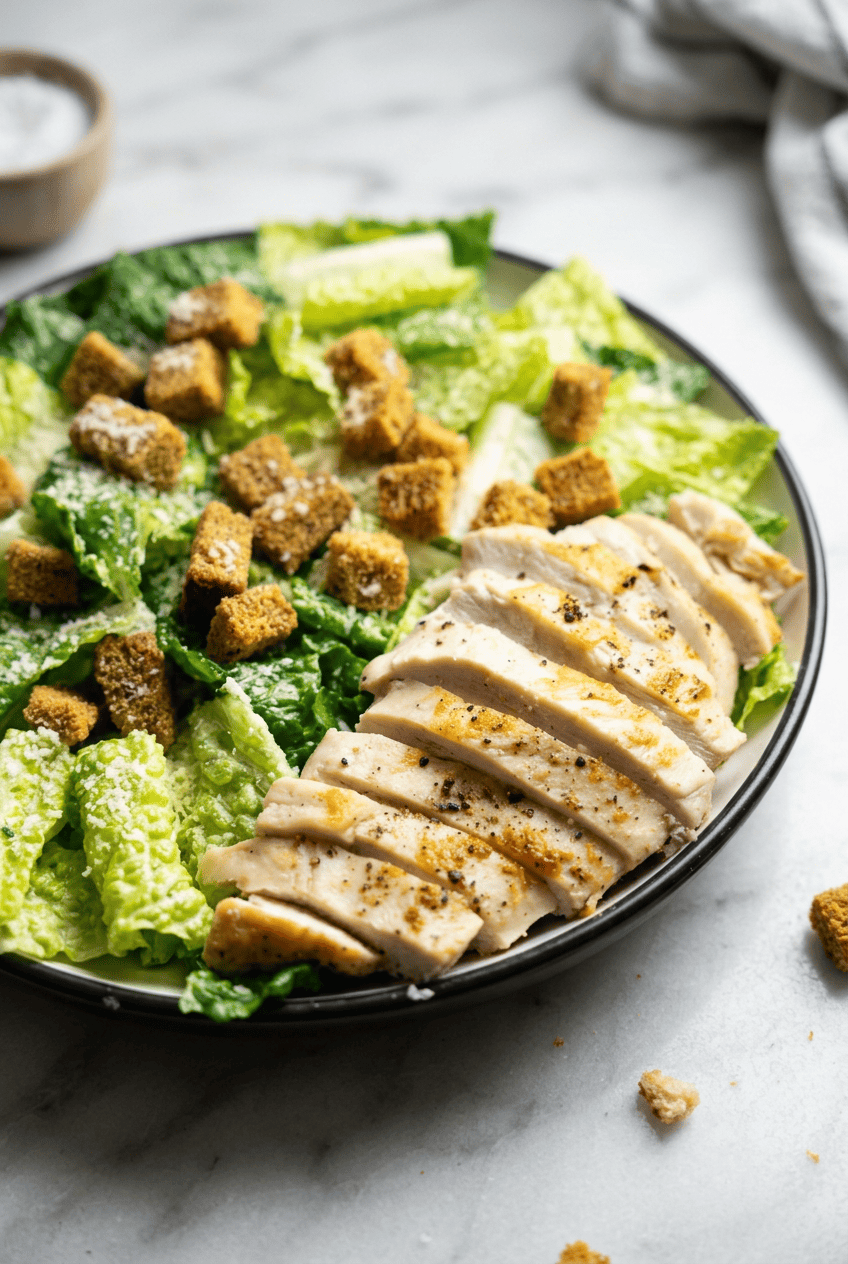
Toss with crisp romaine lettuce, homemade croutons, and additional shaved Parmesan for the classic Caesar experience. The dressing is also fantastic as a dip for vegetables or a spread for sandwiches. Check out our crispy chickpea lettuce wraps for another creative way to use this versatile dressing.
This recipe makes approximately 1.5 cups of dressing, enough for 8-10 servings. The entire preparation process takes only about 10 minutes, making it perfect for weeknight dinners or last-minute gatherings.
Dietary Substitutions to Customize Your Caesar Salad
One of the wonderful things about this Caesar salad dressing recipe is its adaptability. With a few simple substitutions, you can tailor it to meet various dietary needs or simply work with what you have in your kitchen.
Protein and Main Component Alternatives
While traditional Caesar dressing features anchovies and Parmesan cheese, there are several ways to modify these elements:
- Anchovy substitutes: If you can’t find or don’t care for anchovy paste, fish sauce makes an excellent alternative. Use half the amount called for, as it’s more concentrated. For a completely fish-free version, capers can provide a similar salty, briny element. Miso paste (white or yellow) also works well to create that umami depth.
- Cheese alternatives: Beyond Parmigiano-Reggiano, other hard cheeses like Pecorino Romano (sheep’s milk), Grana Padano, or aged Asiago can work beautifully. For dairy-free options, try nutritional yeast, vegan Parmesan alternatives, or a combination of ground almonds with nutritional yeast and salt.
- Mayonnaise alternatives: If you prefer not to use mayonnaise, Greek yogurt makes an excellent substitute that adds protein while reducing fat. For a dairy-free option, try cashew cream, silken tofu, or avocado for creaminess. You can also make your own homemade mayonnaise with olive oil for less processed ingredients.
Vegetable, Sauce, and Seasoning Modifications
Customizing the vegetable and seasoning components can give your dressing a unique twist:
- Garlic variations: Roasted garlic provides a milder, sweeter flavor compared to raw garlic. Garlic powder can work in a pinch, though fresh is always preferred. For those who find raw garlic too intense, shallots can provide a similar aromatic quality with less bite.
- Acidity adjustments: While lemon is traditional, other citrus options can create interesting variations. Lime adds a tropical note, while a small amount of white wine or champagne vinegar can add complexity. Always maintain the acid balance to keep the dressing bright and balanced.
- Herb additions: Fresh herbs like parsley, chives, or tarragon can add fresh dimensions to your dressing. Dried herbs like oregano or thyme work well too, especially if they have time to hydrate in the dressing.
- Spice level: For a bit of heat, add a pinch of red pepper flakes, a dash of hot sauce, or some finely minced jalapeño. Smoked paprika can add a smoky dimension that pairs beautifully with the savory elements.
Mastering Caesar Salad: Advanced Tips and Variations
Once you’ve mastered the basic recipe, these pro tips and creative variations will help you take your Caesar salad to the next level. These techniques come from years of experimentation and can make the difference between good and extraordinary.
Pro Cooking Techniques
The technique of properly emulsifying your dressing makes a significant difference in texture. Whisk vigorously in one direction rather than randomly stirring this creates better emulsion. If using a blender or food processor, drizzle the mayonnaise in slowly while the machine runs for the smoothest result.
Temperature matters too. Room temperature ingredients blend together more easily than cold ones. Take your mayonnaise and eggs (if using) out of the fridge about 20 minutes before starting. This small step makes a noticeable difference in the final texture.
For those who prefer a lighter dressing, consider the water-displacement method. After whisking everything together, gradually whisk in room temperature water, a teaspoon at a time, until the dressing reaches your desired consistency. This lightens the texture without diluting flavor.
Flavor Variations
These creative twists on the classic flavor profile can give your dressing a unique personality:
- Smoky Caesar: Add a teaspoon of smoked paprika or a drop of liquid smoke to introduce a subtle smokiness that pairs beautifully with grilled meats.
- Herb Caesar: Blend in fresh basil, parsley, or tarragon for an herbaceous variation that’s particularly delicious in summer.
- Spicy Caesar: Add a diced jalapeño, sriracha, or red pepper flakes for those who enjoy a bit of heat with their creamy dressing.
- Roasted Garlic Caesar: Replace raw garlic with roasted for a mellow, sweeter version that’s equally delicious.
- Lemon-Herb Caesar: Increase the lemon juice slightly and add fresh herbs like dill or chives for a brighter, more spring-like flavor profile.
Remember that authentic Parmigiano-Reggiano should always be used for the best taste. Check for the embossed rind and proper labeling on the cheese to ensure you’re getting the real deal.
Presentation Tips
The visual appeal of your Caesar salad matters just as much as the taste. For restaurant-quality presentation, tear (don’t cut) your romaine lettuce into bite-sized pieces. This creates more surface area for the dressing to cling to and looks more rustic and appealing.
When plating, create height rather than spreading everything flat. Use a large shallow bowl rather than a deep one. Arrange the lettuce in a mound rather than a flat layer. This makes the salad look more abundant and elegant.
Finish with strategically placed garnishes: a few whole anchovy fillets (if using), shaved Parmesan ribbons created with a vegetable peeler, and perhaps a halved hard-boiled egg or two. These finishing touches signal to your guests that this is a special dish prepared with care.
Make-Ahead Options
This dressing actually improves with time, making it perfect for advance preparation. The flavors develop and meld over 24-48 hours in the refrigerator. You can make the dressing up to a week ahead and store it properly.
For entertaining, prepare all your components ahead of time. Wash and dry your lettuce thoroughly, store it in a sealed container with a paper towel to absorb moisture. Make your croutons in advance and store them in an airtight container. When it’s time to serve, simply toss everything together.
Consider setting up a Caesar salad bar for gatherings. Place the dressing in a beautiful bowl with a ladle, and arrange all the fixings lettuce, croutons, shaved cheese, anchovies, grilled chicken, or other proteins in separate bowls. Let guests build their own perfect salads. This interactive approach is always a hit at parties.
How to Store Caesar Salad: Best Practices
Proper storage ensures your Caesar salad remains fresh, safe, and delicious. Following these guidelines will help you reduce waste and enjoy your creation at its best.
Refrigeration
The prepared dressing keeps beautifully in the refrigerator for about a week when stored in an airtight container. Glass jars with tight-fitting lids work particularly well, as they don’t absorb odors and allow you to see the contents easily. Place the container in the main body of the refrigerator rather than the door, where temperature fluctuates more.
Before refrigerating, ensure no utensils have been dipped directly into the container. Always use a clean spoon to remove the amount you need, then return the container to the fridge promptly. This simple practice significantly extends the dressing’s shelf life by preventing contamination.
If the dressing separates slightly in the refrigerator, simply give it a good whisk or shake before using. Separation is natural and doesn’t indicate spoilage. You may also notice the garlic flavor becomes slightly milder after a few days in the fridge, which many people actually prefer.
Freezing
While freezing isn’t typically recommended for mayonnaise-based dressings because it can cause separation, you can freeze this Caesar dressing with moderate success. To freeze, portion the dressing into ice cube trays. Once frozen, transfer the cubes to a freezer-safe bag or container.
When thawing, place the frozen cubes in the refrigerator and allow them to defrost slowly. After thawing, whisk vigorously or use a blender to recombine any separated ingredients. The texture might be slightly different than fresh, but the flavor will remain intact. Use frozen dressing within 2-3 months for best quality.
Meal Prep Considerations
For efficient meal prep, prepare a batch of dressing at the beginning of the week. Having this versatile component ready makes assembling quick salads effortless throughout busy weekdays. Consider pairing your Caesar salad with other meal-prepped items like Thai cold noodle salad for variety in your weekly menu.
If prepping complete salads, keep the components separate until serving. Store washed and dried lettuce in a container with a paper towel to absorb excess moisture. Keep croutons in a separate airtight container to maintain their crunch. Toss everything together just before eating for the best texture and flavor.
Food Safety Notes
Always practice good food safety habits. Never leave your Caesar salad or dressing at room temperature for more than two hours. In hot weather (above 90°F), reduce this time to one hour. When in doubt, throw it out better to waste food than risk foodborne illness.
If you notice any off smells, unusual colors, or mold growth, discard the dressing immediately. These are clear signs that it has spoiled. When stored properly, however, this dressing should last safely in the refrigerator for about a week.
FAQs: Frequently Asked Questions About Caesar Salad
What ingredients do I need for homemade Caesar salad dressing?
For a classic homemade Caesar salad dressing, gather these key ingredients: 2-3 garlic cloves (minced), 1-2 teaspoons anchovy paste, 2 tablespoons fresh lemon juice, 1 teaspoon Dijon mustard, 1 teaspoon Worcestershire sauce, 1/2 cup mayonnaise, 1/4 cup freshly grated Parmigiano-Reggiano cheese, 1/4 teaspoon salt, and 1/4 teaspoon black pepper. This combination creates the tangy, umami-rich flavor without raw eggs. Start with room-temperature ingredients for smooth blending. Fresh lemon juice is crucial for brightness—avoid bottled versions. Authentic Parmigiano-Reggiano adds nutty depth; check for the embossed rind. Scale up or down as needed for larger salads. Prep time is under 10 minutes, yielding about 3/4 cup, enough for 4-6 servings. Store extras in an airtight jar. (92 words)
Can I make Caesar salad dressing with mayonnaise instead of raw eggs?
Yes, using mayonnaise as the base simplifies and safens the process—no raw eggs required, reducing salmonella risk. Combine 2 minced garlic cloves, 1-2 tsp anchovy paste, 2 tbsp lemon juice, 1 tsp Dijon mustard, and 1 tsp Worcestershire sauce in a bowl. Whisk until smooth, then slowly mix in 1/2 cup mayonnaise, 1/4 cup grated Parmigiano-Reggiano, salt, and pepper. Taste and tweak—add more lemon for zing or anchovy for savoriness. This yields a creamy, restaurant-style dressing in minutes. It’s perfect for beginners and keeps for a week in the fridge. Toss with crisp romaine, homemade croutons, and extra cheese for the full salad. (104 words)
How do you make homemade Caesar salad dressing step by step?
Start by mashing 2-3 garlic cloves with a pinch of salt into a paste. In a medium bowl, whisk garlic paste with 1-2 tsp anchovy paste, 2 tbsp fresh lemon juice, 1 tsp Dijon mustard, and 1 tsp Worcestershire sauce for 30 seconds until emulsified. Gradually whisk in 1/2 cup mayonnaise for creaminess, followed by 1/4 cup grated Parmigiano-Reggiano, 1/4 tsp salt, and 1/4 tsp pepper. Taste and adjust—more lemon brightens, extra cheese thickens. Avoid overmixing to keep it light. Chill 30 minutes for flavors to meld. This no-cook method takes 5 minutes and dresses 8-10 cups of romaine. Pair with toasted croutons and shaved Parmesan. (112 words)
How long does homemade Caesar salad dressing last in the fridge?
Homemade Caesar dressing with mayonnaise lasts up to 1 week in the refrigerator when stored properly. Keep it in an airtight glass jar or container to prevent air exposure and odor absorption. Always use clean utensils to scoop, avoiding contamination. Check for changes like off smells, separation, or mold before using—discard if suspicious. Factors like fresh ingredients extend shelf life; lemon juice acts as a natural preservative. For longer storage, freeze in ice cube trays for 1-2 months, then thaw portions as needed. Label with dates. This makes batch prep easy for meal planning. One batch (3/4 cup) covers multiple salads, saving time midweek. (98 words)
Where can I find anchovy paste for Caesar salad dressing?
Anchovy paste is typically stocked in the canned fish aisle near tuna, sardines, or seafood sections of most supermarkets like Walmart, Kroger, or Whole Foods. Look for brands like Roland or Cento in tubes—easy to store and measure. If unavailable, check international aisles or online at Amazon. It’s a convenient sub for whole anchovies, delivering salty umami without fishiness for anchovy-averse eaters. Use 1-2 tsp per recipe. No paste? Blend 2-3 rinsed anchovy fillets as a substitute. This ingredient transforms basic dressing into authentic Caesar—start small to match your taste. (92 words)

Caesar Salad
🥗 Craft creamy, authentic Caesar dressing at home that’s fresher and safer than restaurant versions without raw eggs.
🧀 Infused with bold garlic, anchovy, and Parmigiano flavors, it transforms simple salads into gourmet meals.
- Total Time: 10 minutes
- Yield: 10 servings
Ingredients
– 2 small cloves garlic minced Adds aromatic depth and classic Caesar flavor
– 1 teaspoon anchovy paste Provides that essential umami flavor without overwhelming fishiness
– 2 tablespoons freshly squeezed lemon juice from one lemon Balances the richness with bright acidity
– 1 teaspoon Dijon mustard Helps emulsify the dressing and adds subtle tang
– 1 teaspoon Worcestershire sauce Contributes complexity and savory depth
– 1 cup mayonnaise (best quality) Creates the creamy base without raw eggs
– ½ cup freshly grated Parmigiano-Reggiano cheese Adds nutty richness and authentic Italian flavor
– ¼ teaspoon salt Enhances all other flavors
– ¼ teaspoon freshly ground black pepper Adds gentle heat and dimension
Instructions
1-First Step: Prepare Your Ingredients Mince your garlic cloves finely. This ensures the flavor distributes evenly throughout the dressing without any harsh chunks. If you’re particularly sensitive to raw garlic, let the minced garlic sit for 10 minutes before using this mellows the flavor slightly. Squeeze your lemon juice fresh from one lemon. There’s no substitute for freshly squeezed citrus in this recipe the brightness is essential to balancing the rich ingredients. Remove any seeds before measuring. Grate your Parmigiano-Reggiano cheese fresh if possible. Pre-grated cheese often contains anti-caking agents that can affect the texture. Look for the authentic Italian cheese with the embossed rind for the best flavor.
2-Second Step: Create the Flavor Base In your medium bowl, combine the minced garlic, anchovy paste, fresh lemon juice, Dijon mustard, and Worcestershire sauce. Whisk these ingredients together thoroughly for about 30 seconds. This creates the foundational flavor profile of your dressing. At this stage, the mixture will be thin and quite sharp. This is exactly what you want the acidity and umami flavors need to be concentrated before adding the creamy elements. Take a moment to smell the mixture you’ll notice how the lemon brightens the garlic while the anchovy adds a savory depth.
3-Third Step: Add the Creamy Components Gradually add the mayonnaise to your bowl while whisking continuously. Adding it slowly helps incorporate it smoothly without creating lumps. The mixture will immediately begin to thicken and become creamy. Next, add the freshly grated Parmigiano-Reggiano cheese. Continue whisking until the cheese is fully incorporated and the dressing is uniform in texture. The cheese will slightly thicken the mixture while adding that distinctive nutty flavor. Finally, add the salt and freshly ground black pepper. These seasonings might seem like small additions, but they’re crucial for bringing all the flavors together. Whisk until everything is completely combined.
4-Fourth Step: Perfect the Flavor Taste your dressing and adjust the seasoning if needed. This is the most important step in achieving restaurant-quality results. Here’s what to look for and how to adjust: If It Tastes… Add… Too acidic A pinch more salt or a small amount more mayonnaise Too bland More lemon juice, a pinch of salt, or additional anchovy paste Too thick A teaspoon of water or more lemon juice Too thin A bit more mayonnaise or grated cheese Not garlicky enough Another small minced clove of garlic
5-Final Step: Rest and Serve For the best flavor, cover your dressing and let it rest in the refrigerator for at least a few hours, or ideally overnight. This resting period allows the flavors to meld together and develop complexity. The garlic will mellow slightly, the cheese will infuse more thoroughly, and the overall taste will become more cohesive. When you’re ready to serve, give the dressing a good whisk. It may have thickened slightly in the fridge, so you can add a tiny splash of water or lemon juice to reach your desired consistency. Toss with crisp romaine lettuce, homemade croutons, and additional shaved Parmesan for the classic Caesar experience. The dressing is also fantastic as a dip for vegetables or a spread for sandwiches. Check out our crispy chickpea lettuce wraps for another creative way to use this versatile dressing.
Last Step:
Please leave a rating and comment letting us know how you liked this recipe! This helps our business to thrive and continue providing free, high-quality recipes for you.Notes
🐟 Use anchovy paste for easy, authentic umami flavor—found near canned tuna.
🧀 Choose genuine Parmigiano-Reggiano with the embossed rind for superior taste.
🥚 The mayonnaise base makes it family-friendly without raw eggs.
- Prep Time: 10 minutes
- Cook Time: 0 minutes
- Category: Salad
- Method: Whisking
- Cuisine: American
- Diet: Gluten-Free
Nutrition
- Serving Size: 2 tablespoons
- Calories: 184 kcal
- Sugar: 0g
- Sodium: 296mg
- Fat: 19g
- Saturated Fat: 1g
- Unsaturated Fat: 18g
- Trans Fat: 0g
- Carbohydrates: 1g
- Fiber: 0g
- Protein: 2g
- Cholesterol: 13mg


