Why You’ll Love This Butternut Squash Pasta
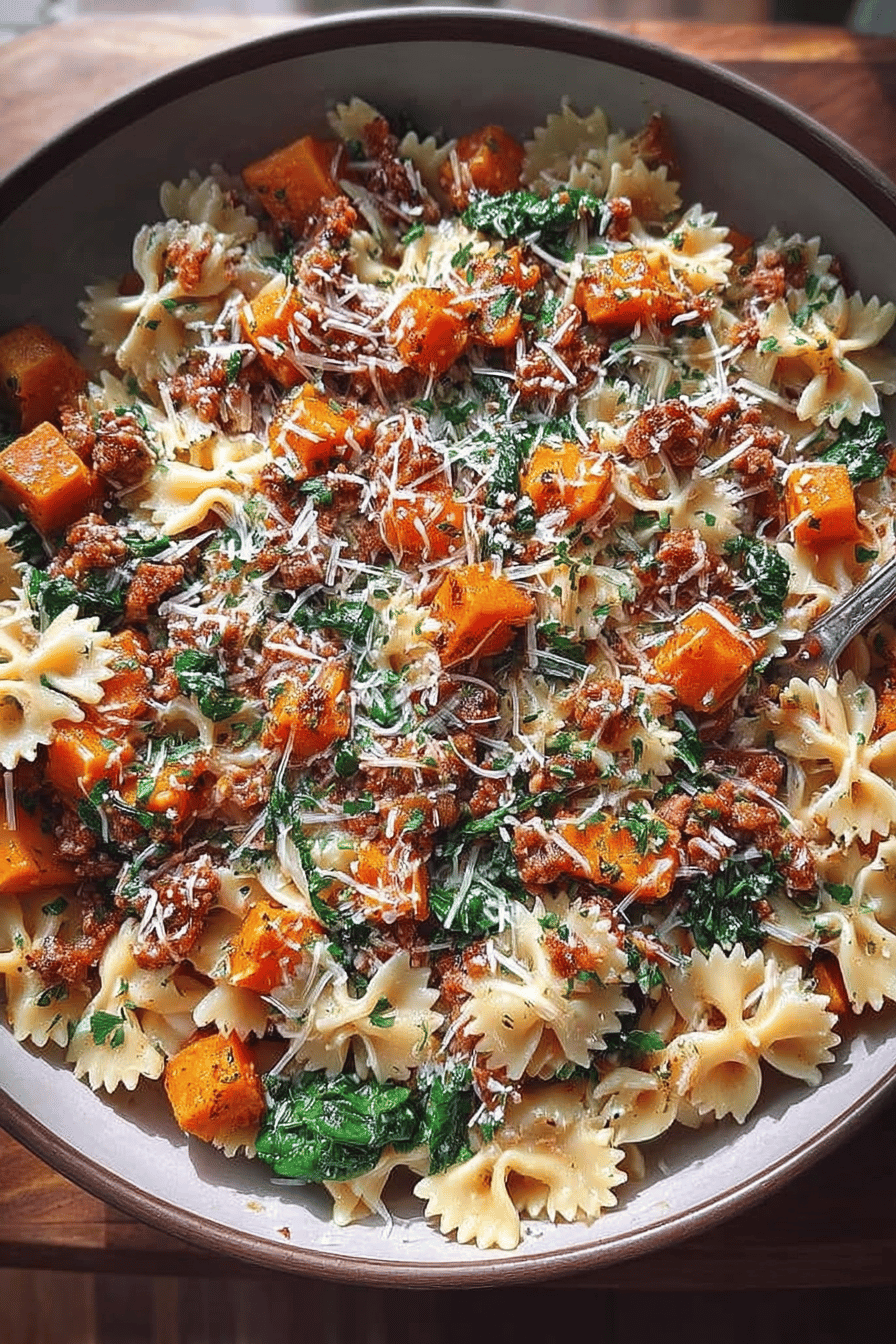
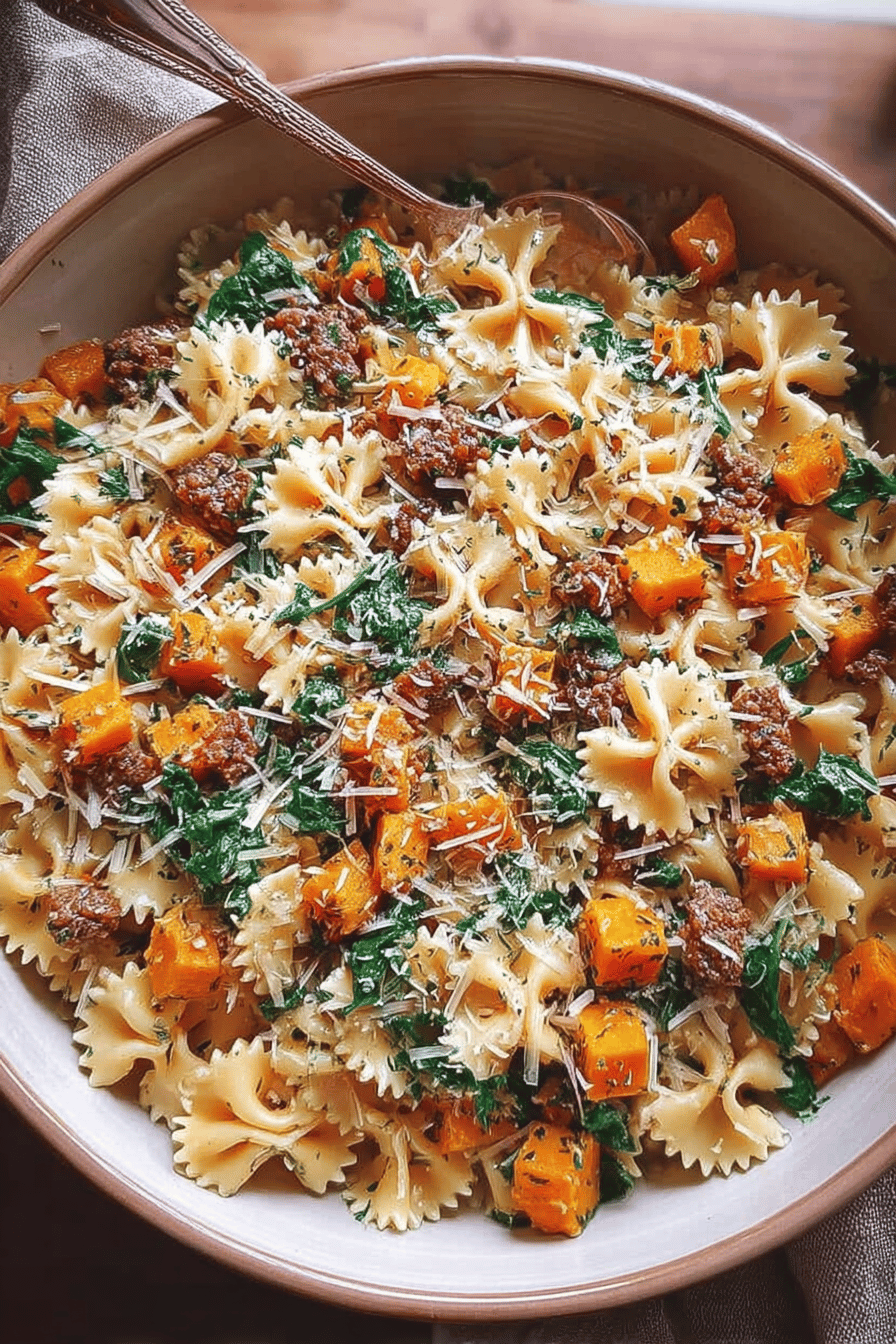
Imagine sitting down to a warm, comforting bowl of pasta that feels like a hug on a chilly evening. This butternut squash pasta recipe combines simple ingredients into a meal that’s not only delicious but also easy to whip up, perfect for busy parents or students looking for a quick dinner. You’ll appreciate how the natural sweetness of the butternut squash blends with herbs to create a smooth, rich flavor that everyone in the family will enjoy. Let me share why this has become a staple in my kitchen.
One of the best parts is the ease of preparation. This recipe is straightforward and quick, ideal for weeknight meals when time is tight. Health benefits abound too, with ingredients packed with vitamins and antioxidants that support wellness. Plus, its versatility means you can adapt it for different dietary needs without losing that creamy goodness.
The distinctive flavor profile stands out from regular pasta dishes. Roasting the butternut squash brings out its natural sugars, making every bite memorable. Whether you’re a food enthusiast experimenting in the kitchen or a working professional seeking something nourishing, this dish delivers. I often think of how my friend Sarah raved about it after trying my version at a potluck it’s that crowd-pleaser!
Key Features of the Recipe
- It takes only about 50 minutes from start to finish, including 10 minutes of prep and 40 minutes of cooking.
- Serves four people, making it great for family dinners or meal prep.
- Includes fresh herbs like sage and thyme for an extra layer of taste that feels gourmet yet simple.
For more ideas on pairing this with fresh sides, check out our fresh apple salad that complements the earthy flavors perfectly.
Jump To
- 1. Why You’ll Love This Butternut Squash Pasta
- 2. Essential Ingredients for Butternut Squash Pasta
- 3. How to Prepare the Perfect Butternut Squash Pasta: Step-by-Step Guide
- 4. Dietary Substitutions to Customize Your Butternut Squash Pasta
- 5. Mastering Butternut Squash Pasta: Advanced Tips and Variations
- 6. How to Store Butternut Squash Pasta: Best Practices
- 7. FAQs: Frequently Asked Questions About Butternut Squash Pasta
- 8. Butternut Squash Pasta
Essential Ingredients for Butternut Squash Pasta
Bringing this butternut squash pasta to life starts with the right ingredients, and I’ve got the exact list to make it simple. Based on the Roasted Butternut Squash & Sage Pasta recipe, we’ll use precise measurements for everything from the squash to the herbs. This ensures your dish turns out creamy and flavorful every time. Let me walk you through what’s needed, drawing from my own experiences in the kitchen.
Main Ingredients List
- ½ small butternut squash (halved lengthwise, seeded)
- Sea salt, to taste
- Freshly ground black pepper, to taste
- 2 shallots, coarsely chopped (approximately ⅔ cup)
- 3 garlic cloves, unpeeled
- ¾ cup water
- ½ cup raw cashews
- 2 Tbsp extra-virgin olive oil (plus extra for drizzling)
- 1 Tbsp nutritional yeast
- 1 Tbsp balsamic vinegar
- 10 fresh sage leaves
- 1 Tbsp fresh thyme leaves (plus extra for garnish)
- 12 oz (approximately 340 g) rotini pasta
- Optional: sautéed broccoli for serving
These ingredients create a base that’s not only tasty but also adaptable. For instance, if you’re aiming for a vegan twist, the cashews and nutritional yeast add that creamy texture without dairy. I love how this combination makes the dish feel indulgent yet light, something my baking enthusiast friends always ask for seconds of.
Special Dietary Options
You can easily tweak this for different needs, like using gluten-free pasta or plant-based swaps. Whether you’re diet-conscious or cooking for seniors, these options keep things flexible.
| Dietary Need | Suggestion |
|---|---|
| Vegan | Use the listed ingredients as is, focusing on cashews and nutritional yeast for creaminess. |
| Gluten-Free | Swap rotini with gluten-free alternatives like rice-based pasta. |
| Low-Calorie | Reduce oil quantities and add more veggies like broccoli for bulk without extra calories. |
To learn more about the health aspects, visit this guide on the health benefits of butternut squash.
How to Prepare the Perfect Butternut Squash Pasta: Step-by-Step Guide
Getting this creamy butternut squash pasta recipe just right is all about following a few key steps, and I’ll guide you through it like we’re in the kitchen together. Start by preheating your oven, as that’s the secret to that smooth, rich flavor. This method draws directly from the Roasted Butternut Squash & Sage Pasta directions for the best results. Remember, it’s all about building layers of taste that make every bite worthwhile.
Step-by-Step Instructions
- Preheat the oven to 425°F (220°C) and line a baking sheet with parchment paper.
- Drizzle the cut side of the squash with a little olive oil, season with salt and pepper, and place it cut-side down on the sheet.
- Wrap the shallots and garlic cloves in foil, drizzle with olive oil, season with salt, and place the foil packet on the same sheet.
- Roast for 30 minutes, or until the squash is tender.
- Scoop about 1 cup of the roasted squash flesh into a blender.
- Peel the roasted garlic, add it together with the roasted shallots, water, cashews, olive oil, nutritional yeast, balsamic vinegar, sage, thyme, ¾ tsp salt, and a pinch of pepper. Blend until smooth and creamy.
- Cook the rotini in salted boiling water according to package directions. Reserve 1 cup of the pasta cooking water before draining.
- Return the drained pasta to the pot, stir in the squash-sage sauce, and gradually add ½ 1 cup of the reserved pasta water until the sauce coats the noodles evenly. Adjust seasoning with an additional ¼ ½ tsp salt, if needed.
- Serve topped with a grind of black pepper, fresh thyme leaves, and, if desired, sautéed broccoli or other greens.
This process, which takes around 50 minutes total, ensures a creamy texture that coats the pasta beautifully. I always find that roasting the veggies first brings out their natural sweetness, just like when I made this for a family gathering last fall.
Dietary Substitutions to Customize Your Butternut Squash Pasta
One of the joys of this butternut squash pasta is how easy it is to make it your own, especially if you’re a traveler or newlywed experimenting with flavors. You can swap in different proteins or veggies to fit your lifestyle, keeping that smooth, rich flavor intact. Let’s look at some simple changes that enhance the creamy butternut squash pasta recipe without much fuss.
- Substitute roasted chickpeas or lentils for added plant-based protein to make it heartier.
- Use grilled chicken or sautéed shrimp if you’re opting for non-vegetarian options.
- Replace butternut squash with sweet potatoes or pumpkin for a similar texture and sweetness.
- Experiment with sauces like a light tomato basil to complement the dish.
- Adjust seasonings by adding smoked paprika or fresh sage to boost the flavor.
These tweaks are perfect for busy parents or working professionals who want variety. For instance, I once added smoked paprika and it turned an ordinary meal into something special at a dinner party.
Mastering Butternut Squash Pasta: Advanced Tips and Variations
Once you’re comfortable with the basics, take your butternut squash pasta to the next level with some pro techniques. Roasting the squash with garlic and herbs infuses maximum flavor, and using pasta water helps adjust the sauce consistency just right. This section builds on the tips from the recipe, like preparing veggies ahead or choosing the right pasta shapes.
Expert Advice for Better Results
- Roast the squash with garlic and herbs for deeper flavor; it’s a game-changer for that creamy texture.
- Incorporate toasted pine nuts or crispy sage leaves for a gourmet twist.
- Serve in shallow bowls with microgreens for a visually appealing presentation.
- Prepare the squash puree in advance and store it for quick meals during the week.
These ideas make the dish even more versatile for food enthusiasts. Remember the tip about choosing pasta like rotini to capture more sauce? It’s one of my favorites for keeping everything cohesive.
How to Store Butternut Squash Pasta: Best Practices
Keeping your butternut squash pasta fresh is key to enjoying leftovers, especially for students or working professionals with packed schedules. Store it properly to maintain that smooth, rich flavor without any loss of quality. Drawing from the recipe’s guidelines, let’s cover the essentials for refrigeration and more.
- Store leftovers in airtight containers in the refrigerator for up to 3 days; always cool the pasta first.
- Freeze cooked butternut squash and pasta separately in freezer-safe containers for up to 2 months.
- Gently reheat on the stovetop or microwave, adding a splash of water to restore creaminess.
- Batch cook the puree for easy meal prep on busy weekdays.
This approach ensures you can savor the creamy butternut squash pasta recipe anytime. I often do this for my weekly meal plans, and it never disappoints.
FAQs: Frequently Asked Questions About Butternut Squash Pasta
How do I make butternut squash pasta sauce from scratch?
To make butternut squash pasta sauce, start by peeling and cubing one medium butternut squash. Roast the cubes at 400°F (200°C) for about 25 minutes until tender. In a blender, combine the roasted squash with 1 cup of vegetable broth, 1-2 cloves of garlic, a splash of olive oil, salt, pepper, and a pinch of nutmeg. Blend until smooth. Heat the sauce in a pan and toss it with cooked pasta. This creates a creamy, naturally sweet sauce without dairy or cream.
What pasta types work best with butternut squash sauce?
Butternut squash sauce pairs well with pasta shapes that hold sauce well, such as penne, rigatoni, farfalle, or fettuccine. These shapes provide enough surface area and grooves to catch the smooth sauce. For a lighter meal, spaghetti or linguine also work but may hold less sauce per bite. Choosing pasta that complements the sauce texture enhances each mouthful.
Can I make butternut squash pasta vegan and gluten-free?
Yes, butternut squash pasta is easy to make vegan and gluten-free. Use gluten-free pasta made from rice, corn, or legumes. For the sauce, avoid dairy by blending roasted squash with vegetable broth and olive oil. You can add nutritional yeast for a cheesy flavor without dairy. This makes the dish suitable for those with dietary restrictions without compromising taste or creaminess.
How can I add protein to butternut squash pasta for a balanced meal?
To add protein, mix cooked lentils, sautéed chickpeas, or white beans into the pasta. You can also top the dish with toasted pine nuts or walnuts for extra crunch and plant-based protein. For non-vegetarian options, grilled chicken or bacon bits pair well. Including protein helps make the meal more filling and nutritionally balanced.
What are the health benefits of butternut squash pasta?
Butternut squash pasta is rich in vitamins A and C, fiber, and antioxidants from the squash. It supports eye health, immune function, and digestion. Using whole-grain or legume-based pasta increases fiber and protein content. This dish is generally lower in calories and fat than cream-based sauces, making it a nutritious and flavorful option for a wholesome meal.
Butternut Squash Pasta
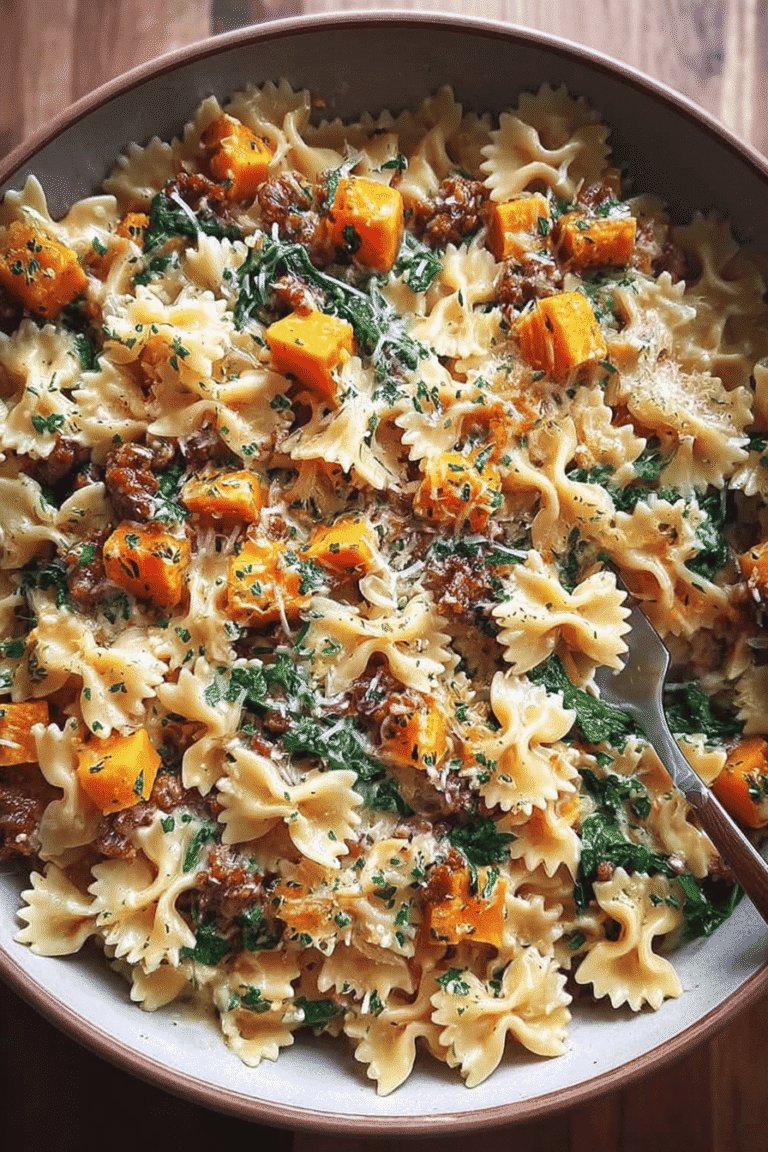
🎃 Creamy roasted butternut squash creates a silky sauce that coats pasta for a comforting, autumn‑inspired meal.
🍝 The nut‑based sauce adds richness and protein while keeping the dish vegan‑friendly and full of flavor.
- Total Time: 50 minutes
- Yield: 4 servings 1x
Ingredients
½ small butternut squash (halved lengthwise, seeded)
Sea salt to taste
Freshly ground black pepper to taste
2 shallots coarsely chopped
3 garlic cloves unpeeled
¾ cup water
½ cup raw cashews
2 Tbsp extra-virgin olive oil
1 Tbsp nutritional yeast
1 Tbsp balsamic vinegar
10 fresh sage leaves
1 Tbsp fresh thyme leaves
12 oz rotini pasta
sautéed broccoli for serving
Instructions
1-Preheat the oven: Preheat the oven to 425°F (220°C) and line a baking sheet with parchment paper.
2-Prepare the squash: Drizzle the cut side of the squash with a little olive oil, season with salt and pepper, and place it cut-side down on the sheet.
3-Prepare shallots and garlic: Wrap the shallots and garlic cloves in foil, drizzle with olive oil, season with salt, and place the foil packet on the same sheet.
4-Roast vegetables: Roast for 30 minutes, or until the squash is tender.
5-Blend squash: Scoop about 1 cup of the roasted squash flesh into a blender.
6-Make sauce: Peel the roasted garlic, add it together with the roasted shallots, water, cashews, olive oil, nutritional yeast, balsamic vinegar, sage, thyme, ¾ tsp salt, and a pinch of pepper. Blend until smooth and creamy.
7-Cook pasta: Cook the rotini in salted boiling water according to package directions. Reserve 1 cup of the pasta cooking water before draining.
8-Mix pasta and sauce: Return the drained pasta to the pot, stir in the squash-sage sauce, and gradually add ½ 1 cup of the reserved pasta water until the sauce coats the noodles evenly. Adjust seasoning with an additional ¼ ½ tsp salt, if needed.
9-Serve: Serve topped with a grind of black pepper, fresh thyme leaves, and, if desired, sautéed broccoli or other greens.
Last Step:
Please leave a rating and comment letting us know how you liked this recipe! This helps our business to thrive and continue providing free, high-quality recipes for you.Notes
🌿 Roast the squash and aromatics up to 2 days ahead; store in the refrigerator and reheat before blending for a quicker assembly.
🥣 Save any unused squash half for soups, grain bowls, or side dishes.
🍝 Choose pasta shapes with crevices, such as rotini or shells, to capture more of the creamy sauce.
- Prep Time: 10 minutes
- Cook Time: 40 minutes
- Category: Pasta
- Method: Stovetop
- Cuisine: American
- Diet: Vegetarian
Nutrition
- Serving Size: 1 plate (approx 1/4 of recipe)
- Calories: 500 kcal
- Sugar: 8 g
- Sodium: 300 mg
- Fat: 25 g
- Saturated Fat: 4 g
- Carbohydrates: 60 g
- Fiber: 5 g
- Protein: 12 g
- Cholesterol: 0 mg