

Why You’ll Love This Butternut Squash Mac Cheese
This delightful Butternut Squash Mac and Cheese combines comfort food goodness with nutritional benefits. You’ll appreciate the following standout qualities that make this recipe a winner:
- Ease of preparation: This Butternut Squash Mac Cheese comes together with minimal fuss. You can cook the squash ahead of time, and the entire dish uses just one pot for cooking (plus a baking sheet if roasting fresh squash). With straightforward steps and common ingredients, you can have this creamy, satisfying meal on the table in under 45 minutes, even on busy weeknights.
- Health benefits: Unlike traditional mac and cheese, our Squash Mac and Cheese incorporates nutrient-rich butternut squash, adding vitamins A and C, fiber, and potassium. This twist on the classic comfort food helps increase vegetable intake without sacrificing taste. With approximately 316 calories and 15g protein per serving, it provides balanced nutrition while still delivering that satisfying comfort food experience.
- Versatility: This Butternut Pasta Bake adapts beautifully to various dietary preferences. The recipe naturally accommodates gluten-free pasta, and dairy substitutions are simple for those with lactose intolerance. You can easily add protein like chicken or vegetables like kale to customize each batch. This adaptability makes the dish perfect for families with diverse dietary needs or for using up ingredients you have on hand.
- Distinctive flavor: The Creamy Butternut Squash Pasta offers a perfect balance of sweetness from the squash and savory richness from the cheeses. The subtle earthy notes of butternut complement the sharp cheddar and nutty Parmesan, creating depth that traditional mac and cheese lacks. A hint of garlic and optional nutmeg elevates the flavor profile, making each bite complex and satisfying.
“This Butternut Squash Mac and Cheese comes together in a single pot with just a few pantry staples – you will love how deeply satisfying it tastes, especially on those chilly evenings when you need something hearty but fast.”
Jump To
- 1. Why You’ll Love This Butternut Squash Mac Cheese
- 2. Essential Ingredients for Butternut Squash Mac Cheese
- 3. How to Prepare the Perfect Butternut Squash Mac Cheese: Step-by-Step Guide
- 4. Dietary Substitutions to Customize Your Butternut Squash Mac Cheese
- 5. Mastering Butternut Squash Mac Cheese: Advanced Tips and Variations
- 6. How to Store Butternut Squash Mac Cheese: Best Practices
- 7. FAQs: Frequently Asked Questions About Butternut Squash Mac Cheese
- 8. Butternut Squash Mac Cheese
Essential Ingredients for Butternut Squash Mac Cheese
This Butternut Squash Mac and Cheese Recipe requires a thoughtful combination of ingredients that create its signature flavor and texture. Here’s what you’ll need:
Main Ingredients:
- 1 medium to large butternut squash (1.5 pounds or larger), halved lengthwise, seeds discarded – Provides the creamy base and natural sweetness for the sauce
- 1 teaspoon extra virgin olive oil (for fresh squash) – Helps the squash caramelize while roasting
- 2 tablespoons unsalted butter – Creates a rich foundation for the sauce
- 1 teaspoon garlic powder or 3 cloves garlic, minced – Adds depth and aromatic flavor
- 1 teaspoon onion powder – Enhances the savory profile
- 1 pound short-cut pasta (e.g., pipe regate, macaroni, casarecce, cavatappi, fusilli, shells) – The perfect vehicle for the creamy sauce
- 5 cups water or 1 1/4 cups vegetable broth/chicken broth plus 1 1/4 cups milk (any dairy or non-dairy) – Cooking liquid that helps create the sauce
- 1 teaspoon fine salt, plus more to taste – Essential for bringing out all flavors
- 4 ounces cream cheese, cubed or 1/3 cup plain Greek yogurt or sour cream – Adds creamy tanginess to the sauce
- 8 ounces shredded sharp cheddar cheese or 2 cups shredded Gruyère or sharp white cheddar – Creates the primary cheesy flavor profile
- 1/2 cup (2 ounces) finely grated Parmesan cheese, plus more for serving – Adds nutty depth and umami
Alternative Squash Options:
- 4 cups peeled and cubed butternut squash – Faster-cooking alternative to whole squash
- One 15-ounce can pureed butternut squash or pumpkin puree (not pie filling) – Quick shortcut for when you’re short on time
Optional Additions:
- 1-2 cups roughly chopped kale, broccoli (fresh or frozen), or spinach – Boosts nutrition and adds color
- Small pinch ground nutmeg – Complements the squash flavor beautifully
- Toasted breadcrumbs (mixed with extra Parmesan) for topping – Adds delightful crunch and texture
- Caramelized onions, dried sage, black pepper, or toasted pepitas – Additional flavor enhancers
- Cooked protein (e.g., chicken, ground beef, chicken sausage) – Makes the dish a complete meal
Special Dietary Options:
| Dietary Need | Substitutions |
|---|---|
| Vegan | Use plant-based butter, vegan cream cheese, nutritional yeast instead of Parmesan, and milk alternatives like oat or almond milk. For regular cheese, use vegan cheese shreds. |
| Gluten-free | Substitute with gluten-free pasta (brown rice pasta works well). Ensure all other ingredients, particularly any sauces or seasonings, are certified gluten-free. |
| Low-calorie | Use reduced-fat cream cheese or Neufchatel, decrease cheese amounts slightly, increase vegetable content, and serve with a large side salad to fill up on lower-calorie options. |
How to Prepare the Perfect Butternut Squash Mac Cheese: Step-by-Step Guide
Creating the perfect Easy Butternut Squash Mac Cheese requires following some key steps. This method ensures your Baked Butternut Squash Mac and Cheese turns out creamy, flavorful, and satisfying every time.
Preparing the Butternut Squash
First Step: Choose your method for preparing the butternut squash. For the best flavor, I recommend roasting a fresh squash. Preheat your oven to 425°F (220°C) and line a baking sheet with parchment paper. Take your medium to large butternut squash (1.5 pounds or larger), carefully cut it in half lengthwise, and scoop out the seeds with a spoon. Rub the cut sides with 1 teaspoon of olive oil, then place the squash cut-side down on the prepared baking sheet.
Second Step: Roast the squash in the preheated oven for 40-60 minutes, until the flesh is tender when pierced with a fork. The exact time depends on the size of your squash. Once done, remove from the oven and let it cool slightly. When cool enough to handle, peel away the skin and mash the flesh with a fork until smooth. You’ll need 2 cups of mashed squash for this recipe. If you have extra, freeze it for future use. This step can be done up to 3 days in advance to save time on busy days.
Third Step (Alternative Method): If you’re short on time, you can use cubed squash or canned puree. For the cubed squash method, combine 4 cups of peeled and cubed butternut squash, 1 1/4 cups of vegetable or chicken broth, 1 1/4 cups of your preferred milk (dairy or non-dairy), and 3 minced garlic cloves in a medium saucepan. Bring to a boil, then reduce heat and simmer for 20 minutes until the squash is tender. Use an immersion blender or transfer to a stand blender to puree until smooth. If using Greek yogurt or sour cream instead of cream cheese, add it now along with 1 teaspoon salt, 1/2 teaspoon black pepper, and a pinch of nutmeg to the blended sauce.
Creating the Pasta and Sauce Base
Fourth Step: In a large pot or Dutch oven, melt 2 tablespoons of unsalted butter over medium heat. Once melted, add 1 teaspoon of garlic powder (or onion powder if not using minced garlic) and cook for 2-4 minutes, stirring occasionally, until the butter becomes fragrant with brown flecks. This toasted butter forms a flavorful foundation for your sauce. Add 1 pound of your favorite short-cut pasta to the pot and toss to coat the pasta evenly in the buttery mixture. This step helps prevent the pasta from sticking and infuses it with flavor from the start.
Fifth Step: Pour 5 cups of water (or the broth/milk mixture if using the alternative method) and 1 teaspoon of salt into the pot with the pasta. Add your 2 cups of mashed butternut squash (or the blended sauce from the alternative method). Stir everything together to combine. Cover the pot and bring the mixture to a boil over high heat. Once it reaches a rolling boil, remove the lid and set a timer for 8 minutes. Stir occasionally during this cooking time, but do not drain the water it will help create the creamy sauce.
Adding the Cheeses and Finishing Touches
Sixth Step: After 8 minutes, reduce the heat to low. The pasta should be almost cooked through but still slightly al dente. Stir in 4 ounces of cubed cream cheese (or yogurt/sour cream if not already added to the sauce). Cook for an additional 4-5 minutes, stirring occasionally, until the cream cheese is completely melted and the pasta reaches your desired tenderness. If you’re adding vegetables like kale, broccoli, or spinach, add frozen broccoli at this stage or fresh greens during the last 1-2 minutes of cooking so they wilt perfectly without becoming mushy.
Seventh Step: Remove the pot from heat and immediately stir in 8 ounces of shredded sharp cheddar cheese (or Gruyère/white cheddar) and 1/2 cup of finely grated Parmesan cheese. Keep stirring until all the cheese is melted and the sauce becomes creamy and coats the pasta beautifully. For best results, always use cheese grated from a block rather than pre-shredded cheese, which contains anti-caking agents that can affect the texture of your sauce. Season with additional salt and pepper to taste.
Baking Your Mac and Cheese (Optional)
Eighth Step: If you prefer a baked version with a crispy top, preheat your oven to 350°F (175°C) for a crunchier texture or 375°F (190°C) for a more golden result. Transfer the creamy Butternut Squash Mac and Cheese mixture to a 3-4 quart baking dish and spread it evenly. For a delicious topping, mix additional grated Parmesan with toasted breadcrumbs and sprinkle over the top. Bake uncovered at 350°F for 10-20 minutes until the top is golden and crisp. Alternatively, bake at 375°F covered with foil for 20 minutes, then remove the foil and bake for an additional 5 minutes until bubbly and golden.
Final Step: Serve your Butternut Squash Mac Cheese immediately while it’s hot and creamy. Garnish with extra Parmesan cheese, fresh thyme leaves, or a sprinkle of black pepper if desired. This dish makes 8 generous servings and pairs beautifully with a simple green salad or steamed vegetables for a complete meal.
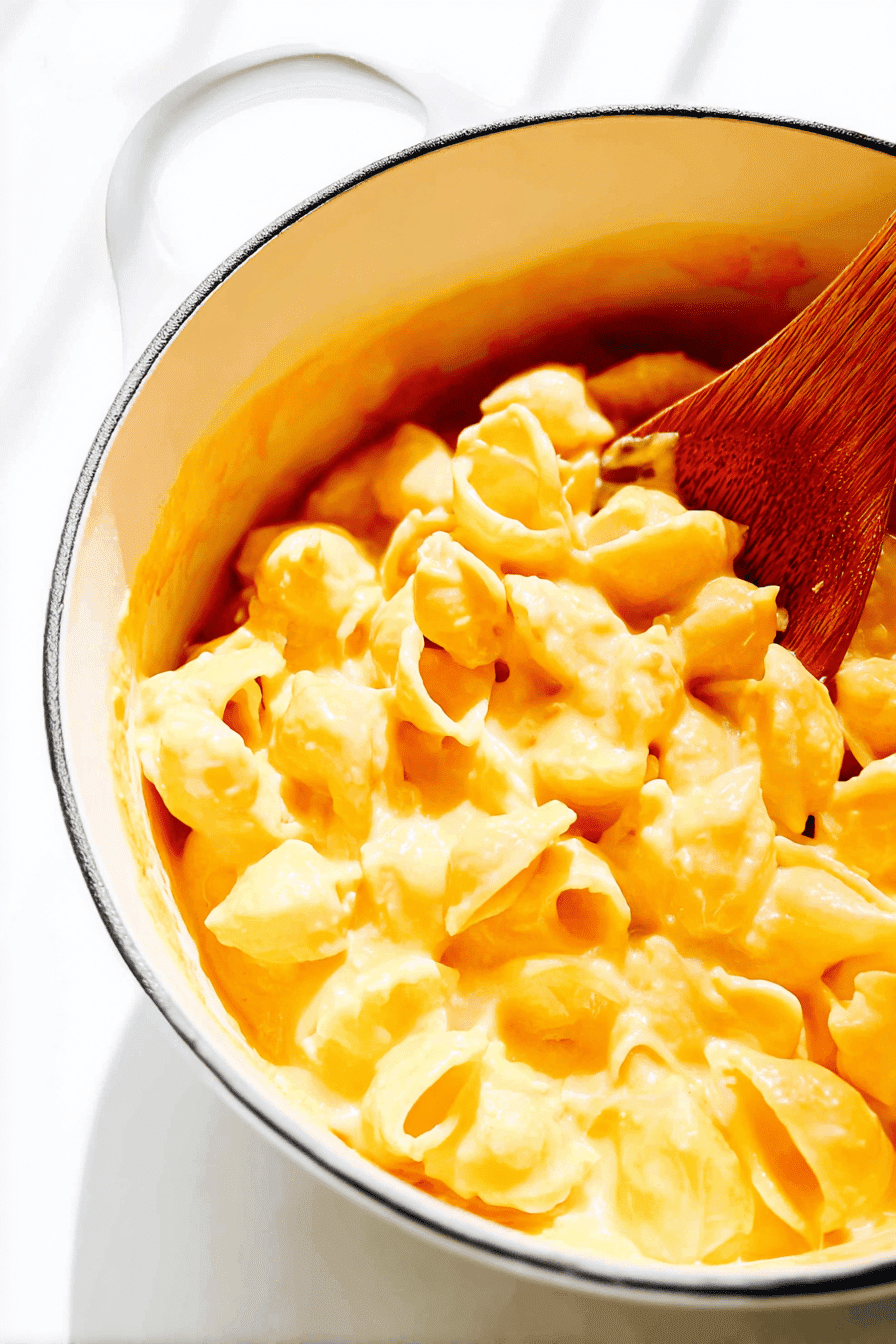
Dietary Substitutions to Customize Your Butternut Squash Mac Cheese
Protein and Main Component Alternatives
For those looking to add more protein to their Butternut Squash Mac Cheese, several options work beautifully. Shredded rotisserie chicken makes a convenient addition that doesn’t require extra cooking time simply stir in 2-3 cups during the final cheese melting stage. Ground turkey or beef, pre-cooked and crumbled, also pairs well with the creamy sauce and adds a hearty element that turns this side dish into a complete meal.
Vegetarian protein sources work just as effectively. Canned white beans or chickpeas, drained and rinsed, blend seamlessly into the sauce while boosting protein and fiber content. For a smoky flavor boost, consider adding vegetarian sausage crumbles or tempeh bacon bits. These plant-based options provide satisfying texture and depth while keeping the dish meat-free.
Vegetable, Sauce, and Seasoning Modifications
This Butternut Squash Mac and Cheese Recipe becomes even more nutritious and colorful with added vegetables. The original recipe already incorporates the option to add kale, broccoli, or spinach during the final cooking stage, but other vegetables work wonderfully too. Roasted red peppers add sweetness and vibrant color, while caramelized onions contribute a deep, rich flavor that complements the nutty notes of the squash.
For sauce variations, consider substituting half the cheddar cheese with smoked Gouda for a smoky twist oradding pureed roasted red peppers for a richer sauce. When it comes to seasonings, while the recipe suggests garlic powder and onion powder as basics, fresh herbs like sage or thyme elevate the dish significantly. A pinch of smoked paprika or cayenne pepper adds warmth and complexity, while a dash of Dijon mustard enhances the cheese flavor without overpowering the delicate sweetness of the butternut squash.
Mastering Butternut Squash Mac Cheese: Advanced Tips and Variations
Pro Cooking Techniques
For the creamiest Butternut Squash Mac Cheese, always roast your squash instead of boiling it. Roasting caramelizes the natural sugars, resulting in deeper flavor and better texture. When making the sauce, temper your dairy additions by removing the pot from heat before stirring in cheese this prevents the cheese from separating and ensures a velvety smooth consistency. Additionally, reserve about 1/2 cup of the pasta cooking water before draining; you can use it to adjust the sauce consistency if it becomes too thick.
Flavor Variations
This versatile recipe welcomes creative adaptations. For a Southwest-inspired version, add cumin, chili powder, and chopped green chilies along with pepper jack cheese. An Italian twist can be achieved by substituting half the cheddar with fontina or mozzarella and adding sun-dried tomatoes and fresh basil. For those who enjoy a bit of heat, dashes of hot sauce or finely diced jalapeños complement the sweet squash beautifully. Additionally, using apple cider in place of part of the cooking liquid introduces a subtle tartness that brightens the overall flavor profile.
Presentation Tips
When serving this Butternut Squash Mac and Cheese, individual ramekins create an impressive presentation, especially for dinner parties. Top each serving with a sprinkle of toasted pepitas, fresh parsley, and an extra grating of Parmesan for a restaurant-quality look. If baking, create a breadcrumb topping by mixing panko with melted butter and additional Parmesan before sprinkling over the dish the crispy texture provides a delightful contrast to the creamy pasta underneath.
Make-Ahead Options
This Healthy Butternut Squash Pasta works wonderfully for meal prep. Prepare the complete recipe through to the point just before baking, then transfer to a baking dish, cover tightly, and refrigerate for up to 24 hours. When ready to serve, remove from the refrigerator 30 minutes before baking to take the chill off, then bake as directed (you may need 5-10 minutes additional cooking time). For freezer storage, portion the unbaked mac and cheese into freezer-safe containers; it will keep for up to 3 months, though the texture may change slightly upon reheating.
How to Store Butternut Squash Mac Cheese: Best Practices
Refrigeration
To properly refrigerate your Butternut Squash Mac and Cheese, allow it to cool to room temperature within 2 hours of cooking, then transfer to an airtight container. It will keep well in the refrigerator for 3-4 days. For best quality, place a piece of parchment paper directly on the surface before sealing the container to prevent a skin from forming. When ready to enjoy, you may need to add a splash of milk or cream when reheating to restore the creamy consistency.
Freezing
Butternut Squash Mac Cheese freezes surprisingly well. Portion cooled leftovers into freezer-safe containers or heavy-duty freezer bags, removing as much air as possible. For easier thawing, freeze in portions that match your household’s needs. The dish will maintain its quality for up to 3 months in the freezer. While the pasta texture may change slightly upon thawing and reheating, the flavor remains excellent, making it a worthwhile option for make-ahead meals.
Reheating
For optimal results when reheating Butternut Squash Mac and Cheese, use the oven or stovetop rather than the microwave. The oven method involves placing the mac and cheese in an oven-safe dish, covering with foil, and heating at 350°F until warmed through (about 20-25 minutes for a refrigerated portion, 40-45 minutes for frozen). For stovetop reheating, place in a saucepan over low heat, adding a splash of milk or cream and stirring gently until heated through. Both methods help maintain the creamy texture better than microwave reheating.
Meal Prep Considerations
If using Butternut Squash Mac Cheese as part of your meal prep strategy, consider batch-cooking the sauce and pasta separately, then combining just before serving. The sauce can be made up to 3 days in advance and refrigerated, while the pasta should be cooked fresh or just slightly undercooked and refreshed with hot water before combining. This approach helps maintain the best texture and prevents the pasta from becoming mushy during storage and reheating.
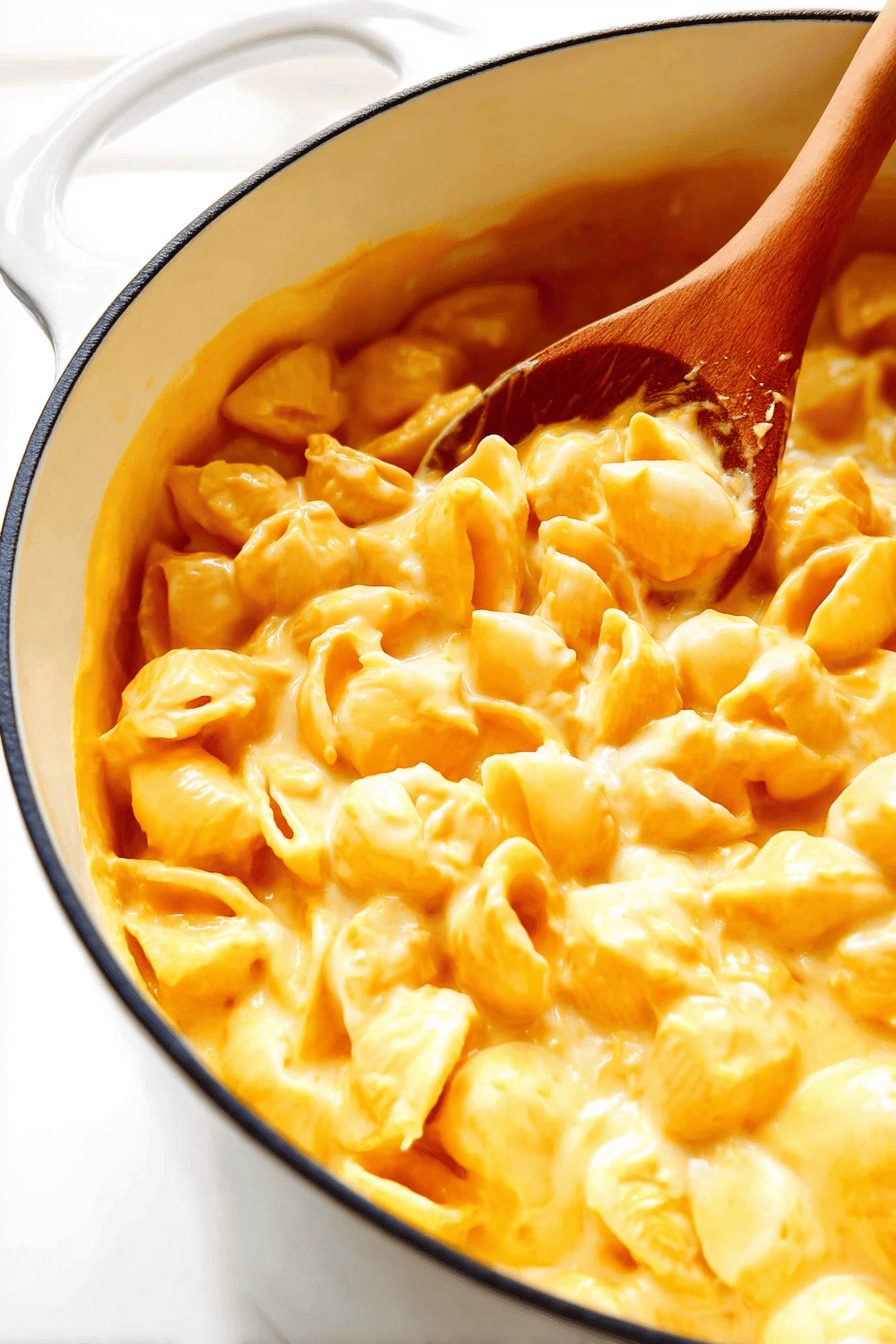
FAQs: Frequently Asked Questions About Butternut Squash Mac Cheese
What does butternut squash macaroni and cheese taste like?
Butternut squash mac and cheese offers a creamy and comforting flavor with a subtle sweetness from the squash. The dish combines the smooth texture of cooked butternut squash with melted cheese, often Gruyère, adding a rich, nutty note. A touch of nutmeg and garlic enhances the warmth and depth of the flavor, making it a delicious twist on traditional mac and cheese.
Can I add vegetables to butternut squash mac and cheese?
Yes, adding vegetables is a great way to increase nutrition. Common choices include kale, which can be boiled with the pasta, or alternatives like fresh spinach and chopped broccoli. Roasted vegetables also pair well and can be mixed in before serving to add texture and color without overpowering the dish.
What proteins work well with butternut squash mac and cheese?
To add protein, stir in cooked options like shredded chicken, ground turkey, or sliced chicken sausage. These complement the creamy sauce and widen the dish’s appeal as a full meal. Add the protein along with the pasta and sauce to ensure even distribution and maintain warmth.
How should I serve butternut squash mac and cheese for a balanced meal?
Since this mac and cheese is rich and hearty, pairing it with lighter sides works best. Simple side salads, steamed green beans, or roasted broccoli provide a fresh contrast. This balance helps keep the meal satisfying without feeling overly heavy.
Can I make butternut squash mac and cheese ahead of time and reheat it?
Yes, butternut squash mac and cheese can be prepared in advance and reheated. To maintain creaminess, cover tightly and reheat gently on the stove or in the oven with a splash of milk or cream, stirring occasionally. This prevents the sauce from drying out and keeps the texture smooth.
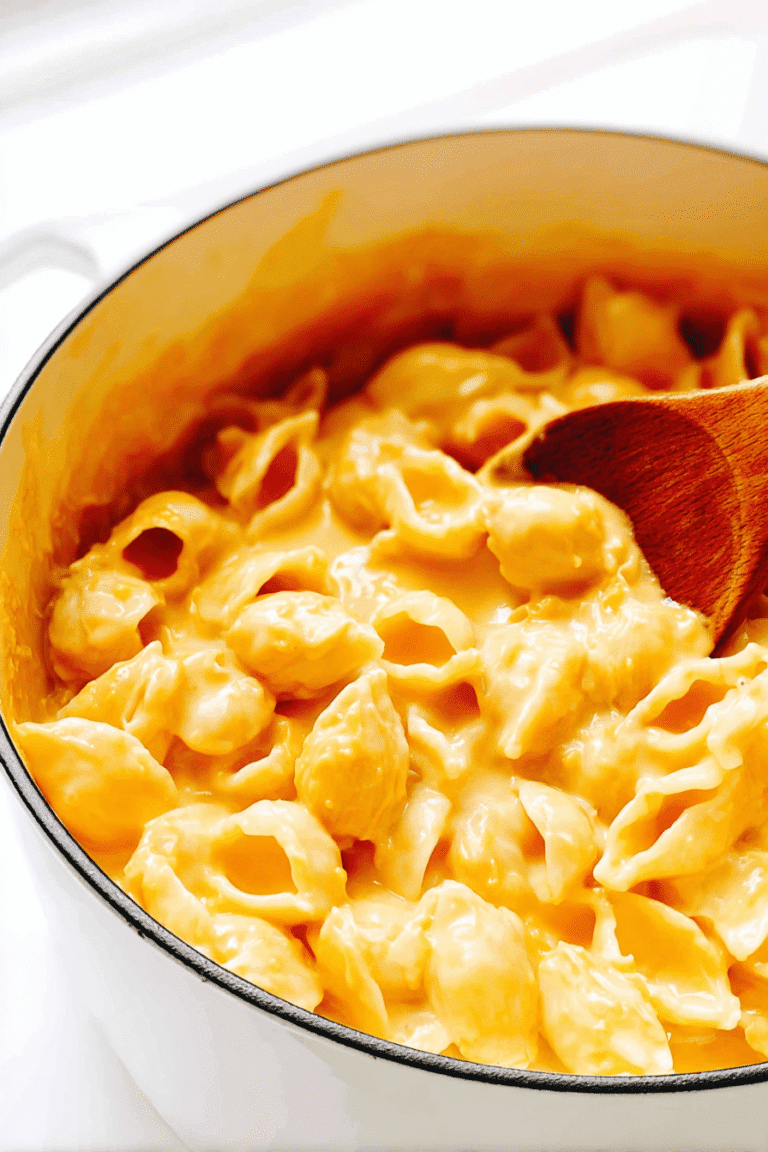
Butternut Squash Mac Cheese
🎃 Creamy, nutritious mac and cheese that sneaks in healthy butternut squash for added vitamins and natural sweetness
🧀 Rich and comforting flavor combination that delivers the perfect balance of cheese and vegetables
- Total Time: 1 hour 10 minutes to 1 hour 45 minutes
- Yield: 8 generous servings
Ingredients
– 1 medium to large butternut squash (1.5 pounds or larger) Provides the creamy base and natural sweetness for the sauce
– 1 teaspoon extra virgin olive oil Helps the squash caramelize while roasting
– 2 tablespoons unsalted butter Creates a rich foundation for the sauce
– 1 teaspoon garlic powder or 3 cloves garlic, minced Adds depth and aromatic flavor
– 1 teaspoon onion powder Enhances the savory profile
– 1 pound short-cut pasta The perfect vehicle for the creamy sauce
– 5 cups water or 1 1/4 cups vegetable broth/chicken broth plus 1 1/4 cups milk Cooking liquid that helps create the sauce
– 1 teaspoon fine salt Essential for bringing out all flavors
– 4 ounces cream cheese, cubed or 1/3 cup plain Greek yogurt or sour cream Adds creamy tanginess to the sauce
– 8 ounces shredded sharp cheddar cheese or 2 cups shredded Gruyère or sharp white cheddar Creates the primary cheesy flavor profile
– 1/2 cup (2 ounces) finely grated Parmesan cheese Adds nutty depth and umami
– 4 cups peeled and cubed butternut squash Faster-cooking alternative to whole squash
– One 15-ounce can pureed butternut squash or pumpkin puree Quick shortcut for when you’re short on time
– 1-2 cups roughly chopped kale, broccoli, or spinach Boosts nutrition and adds color
– Small pinch ground nutmeg Complements the squash flavor beautifully
– Toasted breadcrumbs Adds delightful crunch and texture
– Caramelized onions, dried sage, black pepper, or toasted pepitas Additional flavor enhancers
– Cooked protein Makes the dish a complete meal
Instructions
1-First Step: Choose your method for preparing the butternut squash. For the best flavor, I recommend roasting a fresh squash. Preheat your oven to 425°F (220°C) and line a baking sheet with parchment paper. Take your medium to large butternut squash (1.5 pounds or larger), carefully cut it in half lengthwise, and scoop out the seeds with a spoon. Rub the cut sides with 1 teaspoon of olive oil, then place the squash cut-side down on the prepared baking sheet.
2-Second Step: Roast the squash in the preheated oven for 40-60 minutes, until the flesh is tender when pierced with a fork. The exact time depends on the size of your squash. Once done, remove from the oven and let it cool slightly. When cool enough to handle, peel away the skin and mash the flesh with a fork until smooth. You’ll need 2 cups of mashed squash for this recipe. If you have extra, freeze it for future use. This step can be done up to 3 days in advance to save time on busy days.
3-Third Step (Alternative Method): If you’re short on time, you can use cubed squash or canned puree. For the cubed squash method, combine 4 cups of peeled and cubed butternut squash, 1 1/4 cups of vegetable or chicken broth, 1 1/4 cups of your preferred milk (dairy or non-dairy), and 3 minced garlic cloves in a medium saucepan. Bring to a boil, then reduce heat and simmer for 20 minutes until the squash is tender. Use an immersion blender or transfer to a stand blender to puree until smooth. If using Greek yogurt or sour cream instead of cream cheese, add it now along with 1 teaspoon salt, 1/2 teaspoon black pepper, and a pinch of nutmeg to the blended sauce.
4-Fourth Step: In a large pot or Dutch oven, melt 2 tablespoons of unsalted butter over medium heat. Once melted, add 1 teaspoon of garlic powder (or onion powder if not using minced garlic) and cook for 2-4 minutes, stirring occasionally, until the butter becomes fragrant with brown flecks. This toasted butter forms a flavorful foundation for your sauce. Add 1 pound of your favorite short-cut pasta to the pot and toss to coat the pasta evenly in the buttery mixture. This step helps prevent the pasta from sticking and infuses it with flavor from the start.
5-Fifth Step: Pour 5 cups of water (or the broth/milk mixture if using the alternative method) and 1 teaspoon of salt into the pot with the pasta. Add your 2 cups of mashed butternut squash (or the blended sauce from the alternative method). Stir everything together to combine. Cover the pot and bring the mixture to a boil over high heat. Once it reaches a rolling boil, remove the lid and set a timer for 8 minutes. Stir occasionally during this cooking time, but do not drain the water it will help create the creamy sauce.
6-Sixth Step: After 8 minutes, reduce the heat to low. The pasta should be almost cooked through but still slightly al dente. Stir in 4 ounces of cubed cream cheese (or yogurt/sour cream if not already added to the sauce). Cook for an additional 4-5 minutes, stirring occasionally, until the cream cheese is completely melted and the pasta reaches your desired tenderness. If you’re adding vegetables like kale, broccoli, or spinach, add frozen broccoli at this stage or fresh greens during the last 1-2 minutes of cooking so they wilt perfectly without becoming mushy.
7-Seventh Step: Remove the pot from heat and immediately stir in 8 ounces of shredded sharp cheddar cheese (or Gruyère/white cheddar) and 1/2 cup of finely grated Parmesan cheese. Keep stirring until all the cheese is melted and the sauce becomes creamy and coats the pasta beautifully. For best results, always use cheese grated from a block rather than pre-shredded cheese, which contains anti-caking agents that can affect the texture of your sauce. Season with additional salt and pepper to taste.
8-Eighth Step: If you prefer a baked version with a crispy top, preheat your oven to 350°F (175°C) for a crunchier texture or 375°F (190°C) for a more golden result. Transfer the creamy Butternut Squash Mac and Cheese mixture to a 3-4 quart baking dish and spread it evenly. For a delicious topping, mix additional grated Parmesan with toasted breadcrumbs and sprinkle over the top. Bake uncovered at 350°F for 10-20 minutes until the top is golden and crisp. Alternatively, bake at 375°F covered with foil for 20 minutes, then remove the foil and bake for an additional 5 minutes until bubbly and golden.
9-Final Step: Serve your Butternut Squash Mac Cheese immediately while it’s hot and creamy. Garnish with extra Parmesan cheese, fresh thyme leaves, or a sprinkle of black pepper if desired. This dish makes 8 generous servings and pairs beautifully with a simple green salad or steamed vegetables for a complete meal.
Last Step:
Please leave a rating and comment letting us know how you liked this recipe! This helps our business to thrive and continue providing free, high-quality recipes for you.Notes
🎃 Roast squash in advance to save time – you can freeze extra roasted squash for future use
🧀 Grate cheese from a block instead of using pre-shredded to prevent clumping and ensure smooth melting
🍚 Any short-cut pasta shape works well – gluten-free pasta has been tested successfully with this recipe
- Prep Time: 15-45 minutes
- Cook Time: 25-60 minutes
- Category: Main Course
- Method: Stovetop/Oven
- Cuisine: American
- Diet: Vegetarian
Nutrition
- Serving Size: 1.5 cups
- Calories: 316
- Sugar: 3
- Sodium: 521
- Fat: 9.8
- Saturated Fat: 6
- Unsaturated Fat: 3
- Trans Fat: 0.1
- Carbohydrates: 42
- Fiber: 5
- Protein: 15
- Cholesterol: 29


Made this for dinner tonight and it was a huge hit!
I was a bit skeptical about combining squash with mac and cheese, but the flavors work so well together.
I added some extra sharp cheddar and a pinch of nutmeg which really elevated the dish. 🎃🧀