Mastering butter poached lobster tails
Butter poached lobster tails offer a luxurious yet surprisingly simple way for home cooks to prepare tender, flavorful seafood. This cooking method gently immerses lobster meat in a warm, melted butter bath enriched with white wine and aromatic herbs, resulting in incredibly moist and delicate meat. Ideal for special occasions or an indulgent meal, the recipe requires minimal ingredients and steps, making it both accessible and impressive.
The technique—known as beurre monté—maintains butter at a low temperature between 160°F and 180°F, creating a smooth sauce that smoothly infuses the lobster. Poaching the lobster in this rich liquid ensures the meat stays soft and succulent, avoiding the toughness usually associated with boiling or steaming. Its clean, buttery flavor profile enhances the lobster’s natural sweetness without overpowering it.
Perfect for home cooks looking to master a restaurant-quality seafood dish, butter poached lobster tails pair elegantly with simple sides like linguine or crusty bread to soak up the flavorful sauce. The recipe’s versatility allows for subtle customizations with added aromatics like garlic, lemon juice, or fresh herbs, making it a great choice for both novices and experienced cooks.
Jump To
- 1. Mastering butter poached lobster tails
- 2. Benefits and Advantages of butter poached lobster tails
- 3. Essential Ingredients for butter poached lobster tails
- 4. Dietary Substitutions to Customize Your butter poached lobster tails
- 5. How to Prepare the Perfect butter poached lobster tails: Step-by-Step Guide
- 6. Mastering butter poached lobster tails: Advanced Tips and Variations
- 7. How to Store butter poached lobster tails: Best Practices
- 8. Nutritional Value of butter poached lobster tails
- 9. FAQs: Frequently Asked Questions About butter poached lobster tails
- 10. Simple Butter-Poached Lobster Tails Recipe: Perfect for Home Cooks
Benefits and Advantages of butter poached lobster tails
Gentle Cooking Preserves Tenderness
Unlike traditional lobster cooking methods, slow poaching in butter preserves the meat’s delicate texture, preventing it from becoming rubbery or overcooked. The even, low heat cooks the lobster uniformly, ensuring a consistently tender bite.
Rich Flavor with Minimal Ingredients
Butter poaching maximizes the lobster’s natural flavor with just a handful of ingredients: unsalted butter, white wine, and a few optional aromatics. This simplicity is ideal for home cooks who want an elegant dish without complex preparations.
Flexible and Customizable
The poaching liquid can be easily enhanced with lemon juice, sliced garlic, or herbs like chives and parsley to suit personal tastes. Additionally, the choice of white wine—such as Sauvignon Blanc, Pinot Grigio, or Chardonnay—introduces subtle variations in acidity and aroma.
Healthier Alternative to Fried Lobster
Butter poaching uses pure butter and gentle heat, avoiding excess oils or heavy breading common in fried lobster dishes. While rich, this method helps balance indulgence with healthy preparation, especially when paired with fresh or simple sides.
Cooking lobster this way also keeps it relatively low in carbohydrates and provides high-quality protein and fat, supporting satiation and nutrient needs for many diets.
Essential Ingredients for butter poached lobster tails
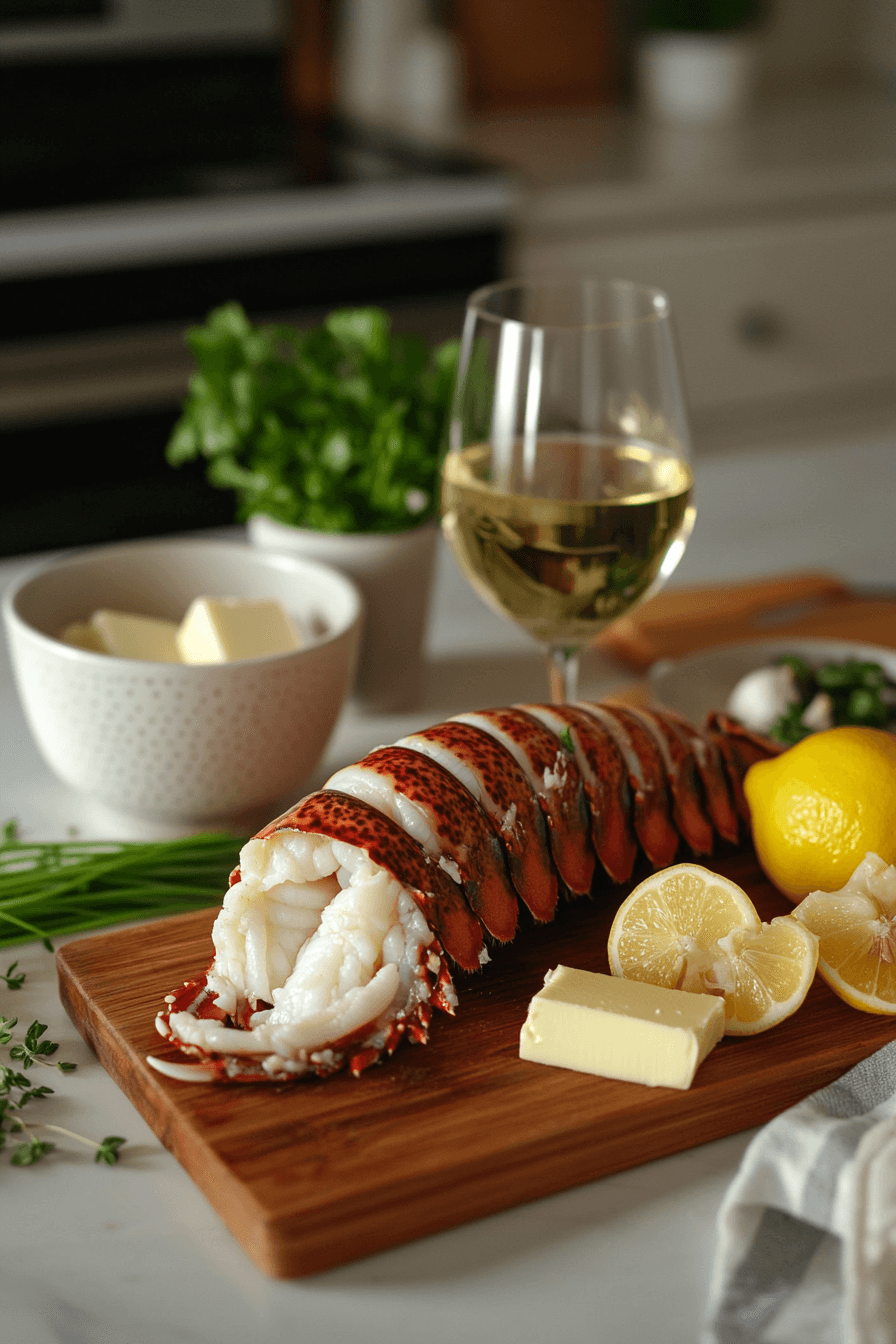
- 1 pound uncooked lobster meat (fresh, frozen, or thawed from tails, knuckles, or claws)
- 8 tablespoons unsalted butter
- ¼ cup white wine (such as Sauvignon Blanc, Pinot Grigio, or Chardonnay)
- Optional: 1-2 tablespoons fresh lemon juice
- Optional: 1-2 cloves garlic, thinly sliced
- Optional: Fresh herbs like 1-2 tablespoons chopped chives or flat-leaf parsley
- Sea salt and freshly cracked black pepper for seasoning
The lobster meat forms the centerpiece, fresh or high-quality frozen, providing sweet flavor and delicate texture. Unsalted butter serves as the poaching medium, delivering richness while allowing control over saltiness. White wine adds bright acidity and subtle aromatics to balance the butter’s richness.
Optional aromatics like lemon juice, garlic, and herbs introduce fresh notes that uplift the dish, allowing customization based on preference.
Dietary Substitutions to Customize Your butter poached lobster tails
Butter Alternatives
For those requiring dairy-free options, substitute the unsalted butter with plant-based alternatives like vegan butter or ghee, which lends a similar richness. Coconut oil can be used, though it imparts a distinct flavor that alters the profile. Clarified butter (ghee) is also excellent for those wanting the buttery richness but with less moisture.
Wine Substitutions
If white wine is unavailable or avoided, alternatives like dry vermouth, white grape juice combined with a splash of vinegar, or even mild chicken broth can simulate acidity and flavor complexity in the poaching liquid.
Lobster Substitutes
For those who prefer other seafood or are allergic to lobster, langoustines, prawns, or large scallops can be gently poached using the same beurre monté technique, adapting cooking times accordingly to avoid overcooking.
Aromatic Variations
Fresh herbs can be swapped for others such as tarragon, thyme, or dill, each bringing a unique twist without overpowering lobster’s delicate taste. Instead of sliced garlic, consider infusing with shallots or ginger for subtle flavor differences.
Salt and Seasoning Modifications
For sodium-sensitive diets, reduce or omit added salt, relying on fresh herbs and wine to provide seasoning. Black pepper can be replaced with white pepper for a milder spice.
By making thoughtful substitutions, this butter poached lobster tails recipe is adaptable for various dietary needs while maintaining its signature tenderness and luxurious flavor.
For more chef tips on lobster preparation see How to Poach Lobster Tails Perfectly and to choose the best white wine for your cooking, visit Selecting the Best White Wine for Cooking.
How to Prepare the Perfect butter poached lobster tails: Step-by-Step Guide
First Step: Gather and Prepare Ingredients
Start with 1 pound of uncooked lobster meat, which can be fresh, frozen, or thawed from tails, knuckles, or claws. Have 8 tablespoons of unsalted butter and ¼ cup of white wine like Sauvignon Blanc, Pinot Grigio, or Chardonnay ready. Optional ingredients to add flavor include lemon juice, sliced garlic, and herbs such as chives or flat-leaf parsley.
Second Step: Create the Beurre Monté
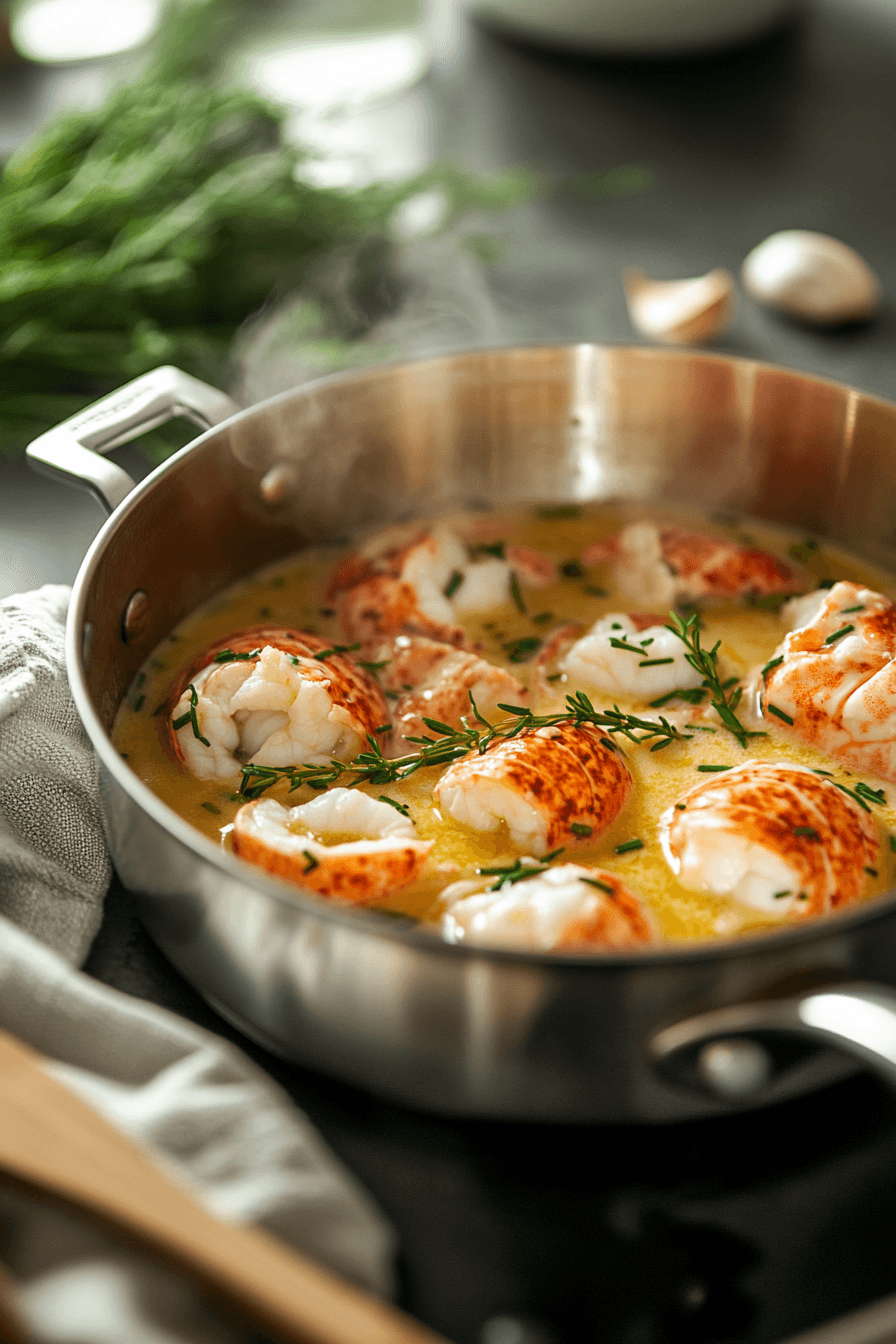
Combine the white wine with the butter in a small saucepan over low heat. Stir gently until the butter completely melts. The goal is to maintain the temperature between 160°F and 180°F to form a beurre monté, a stable emulsion of butter and liquid. Avoid overheating to prevent breaking the sauce.
Third Step: Add Aromatics
If desired, whisk in additional flavorings such as sliced garlic or chopped chives gradually. This infuses the beurre monté with aromatic complexity.
Fourth Step: Poach the Lobster Meat
Add the lobster meat to the warm beurre monté. Poach gently for 6 to 8 minutes, turning the lobster pieces every 2 minutes to cook evenly. Poaching at a low temperature cooks the lobster delicately, ensuring it remains tender and opaque without toughening.
Fifth Step: Check Doneness Using Temperature
Use an instant-read thermometer to verify the internal lobster temperature reaches approximately 135°F. This ensures perfect doneness—fully cooked but not overdone.
Sixth Step: Season and Serve
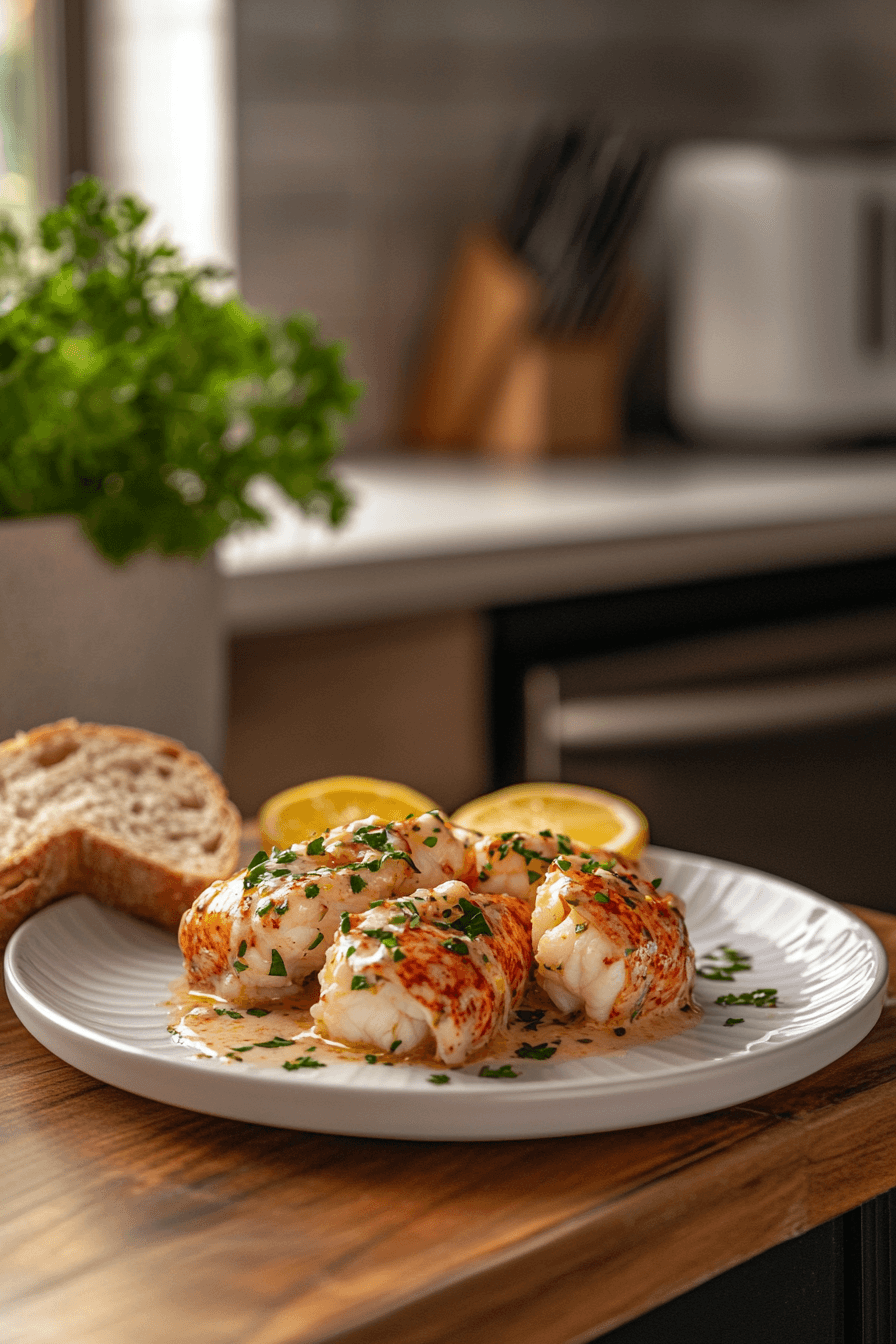
Taste the lobster before seasoning. Add sea salt and freshly cracked black pepper as needed to complement the delicate flavors. Serve immediately, spooning some of the poaching sauce over the lobster. For an elegant touch, serve with linguine or crusty bread to soak up the rich beurre monté.
Mastering butter poached lobster tails: Advanced Tips and Variations
Use Cold-Water Lobster for Best Results
Cold-water lobster tails offer sweeter flavor and firmer texture due to their natural habitat. When possible, use fresh or flash-frozen cold-water tails for the best quality poached lobster.
Maintain Consistent Temperature
Keep the butter temperature steady between 160°F and 180°F to maintain a smooth beurre monté. Use a thermometer and adjust heat accordingly. High heat can break the emulsion, while low heat prolongs cooking.
Flip Lobster Meat Regularly
Turn the lobster pieces every 2 minutes to ensure even cooking and avoid toughness on one side. This gentle handling preserves tenderness while cooking thoroughly.
Add Flavor with Aromatics
Enhance the poaching butter by adding lemon juice, garlic slices, or fresh herbs like parsley. These ingredients gently infuse the lobster with fresh, bright notes.
Variation: Wine-Free Poaching
If you prefer not to use wine, substitute with a mild seafood broth or lemon-infused water. The beurre monté technique remains the same, and the lobster still cooks tenderly.
Serving Suggestions
Serve butter-poached lobster over pasta, paired with steamed vegetables, or simply with a crisp green salad. The rich butter sauce pairs beautifully with mild sides.
How to Store butter poached lobster tails: Best Practices
For optimal freshness and flavor, follow these storage guidelines:
- Refrigeration: Store leftover lobster in an airtight container with some of the poaching sauce to maintain moisture. Keep refrigerated for 2 to 3 days.
- Freezing: Lobster can be frozen for up to 3 days, wrapped tightly to prevent freezer burn. Thaw in the refrigerator before reheating.
- Reheating: Reheat gently in the beurre monté or warm butter sauce over low heat to prevent toughening. Avoid microwaving as it may dry out the lobster.
Nutritional Value of butter poached lobster tails
| Nutrient | Amount per Serving (approximate) |
|---|---|
| Calories | Moderate, approximately 200-250 kcal depending on butter quantity |
| Protein | High, around 20-25 grams |
| Fat | Moderate to high fat from butter |
| Carbohydrates | Low, close to 0 grams |
| Cholesterol | Moderate |
| Vitamins & Minerals | Good source of selenium, vitamin B12, and zinc |
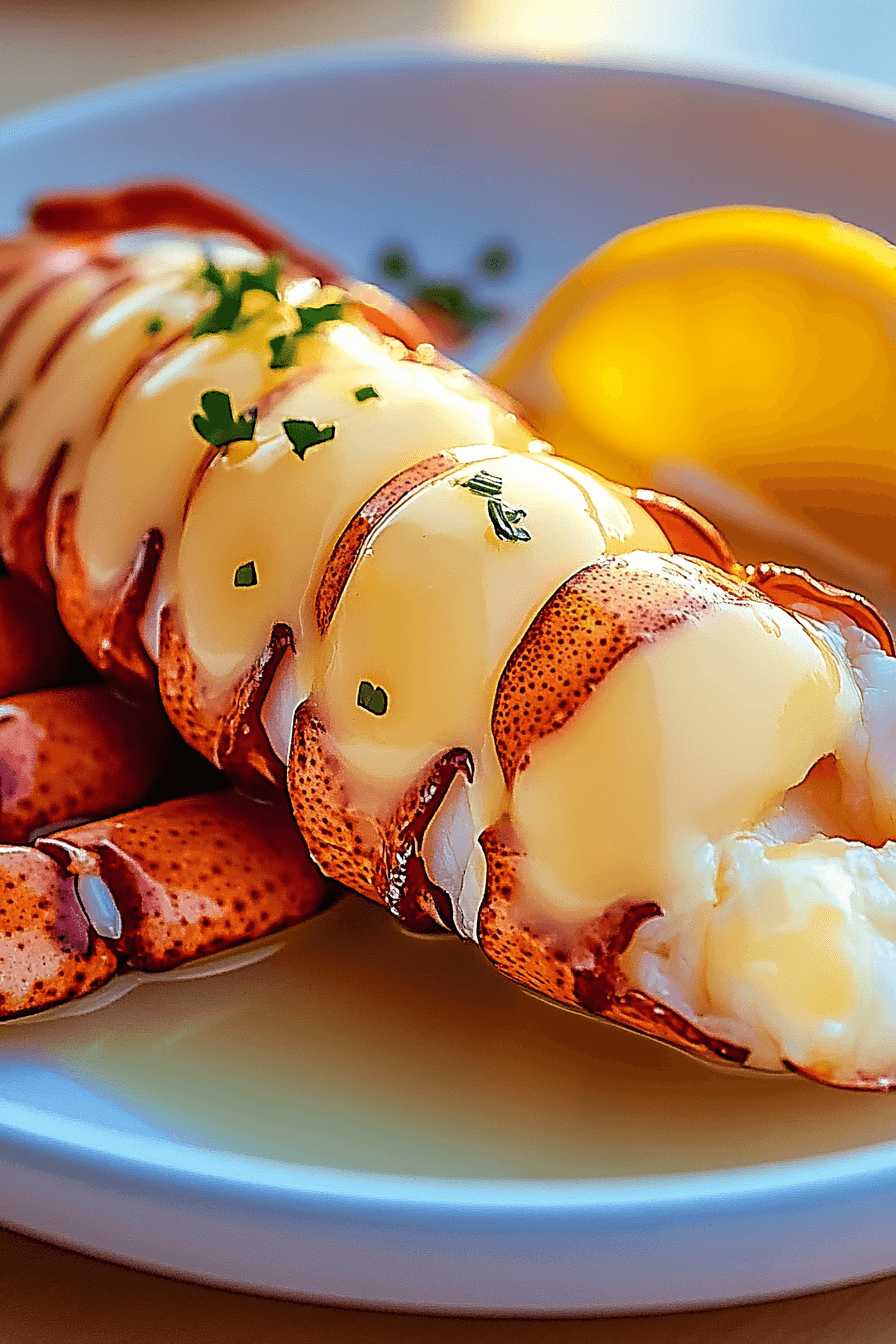
Butter poached lobster tails provide a protein-rich meal with low carbs, making it suitable for low-carb and ketogenic diets, though mindful consumption of butter fat is advised. Learn more about the Nutritional Benefits of Lobster.
FAQs: Frequently Asked Questions About butter poached lobster tails
What is butter-poached lobster, and why is it popular?
Butter-poached lobster is lobster meat gently cooked in melted butter, often combined with white wine. This method results in tender, flavorful lobster with a smooth, rich texture. Its popularity stems from the luxurious taste and the delicate cooking process that preserves the seafood’s natural sweetness.
How do you cook lobster tails in butter without overcooking them?
Maintain a low, steady temperature between 160°F and 180°F, poaching the lobster until it becomes opaque. Check doneness a couple of minutes before the recommended cooking time and turn the lobster gently every 2 minutes to ensure even cooking.
Is it better to use fresh or frozen lobster tails for poaching?
Both fresh and properly thawed frozen lobster tails work well. Fresh tails are ideal, but flash-frozen cold-water lobsters maintain excellent quality and texture if defrosted correctly.
What are the best wines to use when poaching lobster in butter?
White wines like Sauvignon Blanc, Pinot Grigio, or Chardonnay are best, as they complement the sweet, delicate flavor of lobster while adding subtle acidity to balance the butter’s richness.
Simple Butter-Poached Lobster Tails Recipe: Perfect for Home Cooks
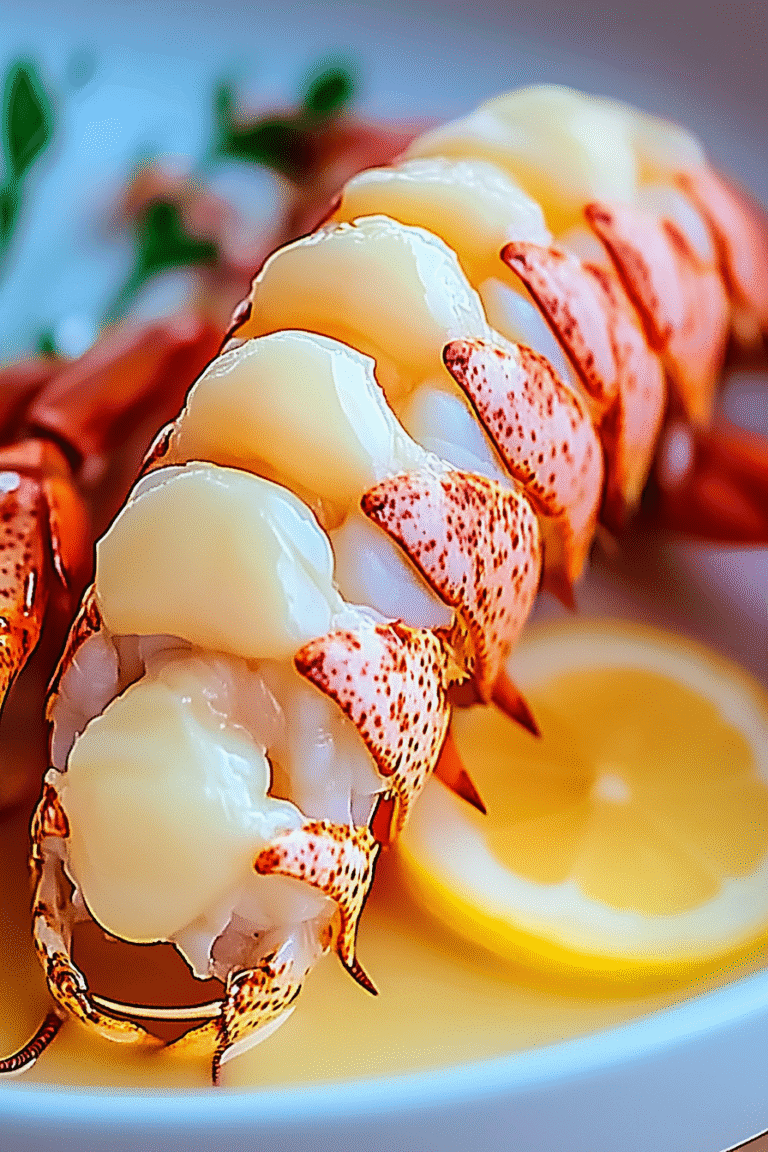
🦞 Elevate your dining with these tender, buttery lobster tails, perfect for impressing guests or a cozy night in.
🥂 Experience gourmet flavors with simple ingredients you might already have at home, making this dish accessible and exquisite.
- Total Time: 20 minutes
- Yield: 4 servings 1x
Ingredients
1 pound uncooked lobster meat (fresh, frozen, or thawed from tails, knuckles, or claws)
8 tablespoons unsalted butter
1/4 cup white wine (such as sauvignon blanc, pinot grigio, or chardonnay)
Optional: Lemon juice
Optional: Sliced garlic
Optional: Herbs like chives or flat-leaf parsley
Sea salt and freshly cracked black pepper to taste
Instructions
1. In a small saucepan over low heat, combine the white wine and butter, stirring until the butter is fully melted.
2. Gradually incorporate any optional ingredients, such as garlic or chives, into the mixture while maintaining a steady low temperature to avoid breaking the sauce.
3. Ensure the temperature of the mixture stays between 160°F and 180°F to create a beurre monté.
4. Add the lobster meat to the pan, gently poaching it for 6 to 8 minutes. Flip every 2 minutes to ensure even cooking.
5. Aim for the lobster to become opaque and firm, with an internal temperature of about 135°F for optimal tenderness.
6. Before serving, taste and adjust seasoning with sea salt and freshly cracked black pepper as needed.
7. Serve immediately, drizzling some of the poaching sauce over the lobster. Pair with linguine or crusty bread if desired.
Last Step:
Please leave a rating and comment letting us know how you liked this recipe! This helps our business to thrive and continue providing free, high-quality recipes for you.Notes
🌊 Opt for cold-water lobster tails for a naturally sweeter flavor.
📏 Maintain even cooking by turning the lobster during poaching.
🍋 Add aromatics like lemon and herbs to enhance the poaching flavors.
- Prep Time: 10 minutes
- Poaching Time: 6 to 8 minutes
- Cook Time: 10 minutes
- Category: Main Course
- Method: Poaching
- Cuisine: American
- Diet: Pescatarian
Nutrition
- Serving Size: 4 ounces
- Calories: 350
- Sugar: 1g
- Sodium: 150mg
- Fat: 28g
- Saturated Fat: 18g
- Unsaturated Fat: 9g
- Trans Fat: 0g
- Carbohydrates: 2g
- Fiber: 0g
- Protein: 23g
- Cholesterol: 140mg