Why You’ll Love This Black Beans And Rice
Black beans and rice is a classic combination that has stood the test of time across many cultures, and for good reason. This simple yet satisfying dish delivers incredible flavor, nutrition, and versatility in every bite. Whether you’re a busy parent looking for a quick weeknight meal or a student seeking budget-friendly options, this recipe checks all the boxes.
- Ease of preparation: This black beans and rice recipe comes together in just 20 minutes with minimal prep work. You can have a wholesome, homemade meal on the table faster than delivery would arrive, making it perfect for hectic weeknights when time is scarce.
- Health benefits: Packed with plant-based protein, fiber, and essential nutrients, this dish supports a balanced diet. Black beans are nutritional powerhouses that provide sustained energy without the crash, while rice offers comforting carbohydrates that fuel your body. Together, they create a complete protein profile that rivals many meat-based dishes. The health benefits of black beans include improved heart health, better blood sugar control, and enhanced digestive function.
- Versatility: This recipe adapts effortlessly to various dietary needs and preferences. It’s naturally vegan and gluten-free, making it inclusive for different eating styles. You can easily customize it with additional vegetables, proteins, or spices to suit your taste buds or use up ingredients you have on hand.
- Distinctive flavor: The combination of aromatic cumin, fresh lime, and cilantro creates a bright, zesty profile that elevates humble ingredients into something special. The contrast between fluffy, lime-infused rice and creamy, well-seasoned beans makes each bite interesting and satisfying.
Jump To
- 1. Why You’ll Love This Black Beans And Rice
- 2. Essential Ingredients for Black Beans And Rice
- 3. How to Prepare the Perfect Black Beans And Rice: Step-by-Step Guide
- 4. Dietary Substitutions to Customize Your Black Beans And Rice
- 5. Mastering Black Beans And Rice: Advanced Tips and Variations
- 6. How to Store Black Beans And Rice: Best Practices
- 7. FAQs: Frequently Asked Questions About Black Beans And Rice
- 8. Black Beans And Rice
Essential Ingredients for Black Beans And Rice
Creating the perfect black beans and rice starts with quality ingredients. Here’s everything you need to make this delicious dish:
For the Rice:
- 1 cup basmati rice (other types can be used but require adjusted cooking time and water)
- 1 ¾ cups water
- 1 tablespoon olive oil
- ½ teaspoon kosher salt
- Juice and zest of ½ lime
- 2 tablespoons chopped fresh cilantro (optional)
For the Beans:
- 1 tablespoon olive oil
- 1 small onion, diced
- 28 oz. canned black beans, drained and rinsed
- 1 teaspoon cumin
- ½ teaspoon kosher salt
- 1 cup water
- Juice and zest of ½ lime
- 2 tablespoons chopped fresh cilantro (optional)
Special Dietary Options:
Vegan: This recipe is naturally plant-based. Ensure your ingredients are free from animal products, and you’re good to go!
Gluten-free: All ingredients in this recipe are naturally gluten-free, making it safe for those with celiac disease or gluten sensitivity. The nutritional value of rice makes it an excellent staple for gluten-free diets.
Low-calorie: To reduce calories, use less olive oil or substitute with cooking spray, and be mindful of portion sizes. The base recipe is already quite nutritious and moderate in calories.
How to Prepare the Perfect Black Beans And Rice: Step-by-Step Guide
Follow these detailed instructions to create a delicious black beans and rice dish that will become a regular in your meal rotation. The process is straightforward, but a few key techniques will ensure perfect results every time.
First Step: Prepare Your Ingredients
Start by gathering all your ingredients and doing the necessary prep work. Dice your onion finely so it cooks evenly and incorporates well into the beans. Rinse your basmati rice under cold water until the water runs clear this removes excess starch and prevents the rice from becoming gummy. Drain and rinse your canned black beans thoroughly to remove excess sodium and the canning liquid. Zest and juice your limes, and chop your fresh cilantro if using. Having everything ready before you start cooking makes the process smooth and stress-free.
Second Step: Cook the Rice
In a medium saucepan, combine 1 ¾ cups water, 1 cup basmati rice, 1 tablespoon olive oil, and ½ teaspoon kosher salt. Place the pot over high heat and bring the mixture to a boil. Once boiling, stir the rice once with a fork to ensure it’s evenly distributed, then cover the pot with a tight-fitting lid. Reduce the heat to low and let the rice simmer gently for 10 minutes, or until all the water has been absorbed. Avoid lifting the lid during this time, as the trapped steam is essential for properly cooking the rice.
Third Step: Let the Rice Rest
After the 10-minute simmering period, remove the pot from the heat but keep the lid on. Let the rice rest, covered, for an additional 5-10 minutes. This resting period allows the moisture to redistribute evenly throughout the rice, resulting in fluffy, separate grains rather than a sticky clump. While the rice rests, you can start preparing the beans to maximize your time in the kitchen.
Fourth Step: Sauté the Aromatics
While the rice is resting, heat 1 tablespoon olive oil in a separate pot or large skillet over medium heat. Add the diced onion and sauté for 2-3 minutes, stirring occasionally, until the onion becomes soft and lightly browned. This caramelization adds depth and sweetness to the dish. Once the onion is ready, add 1 teaspoon cumin and ½ teaspoon kosher salt, stirring constantly for about 30 seconds to toast the spices and release their aromatic oils. This step is crucial for building a flavorful base for your beans.
Fifth Step: Simmer the Beans
Add the drained and rinsed black beans to the pot with the seasoned onions, along with 1 cup of water. Stir everything together to combine, then increase the heat to bring the mixture to a boil. Once boiling, reduce the heat to maintain a gentle simmer and cook uncovered for 10 minutes. This simmering time allows the flavors to meld together and the liquid to reduce slightly, creating a thicker, more flavorful bean mixture. The beans should absorb the spices and become tender and creamy while still maintaining their shape.
Sixth Step: Finish the Beans
Remove the pot from the heat and use a potato masher, fork, or the back of a spoon to lightly mash about one-third of the beans. This technique creates a creamy sauce that coats the remaining whole beans, giving the dish a luxurious texture without turning it into refried beans. Stir in the juice and zest of ½ lime and 2 tablespoons chopped fresh cilantro (if using). Taste the beans and add more salt if needed. The lime adds brightness that balances the earthiness of the beans and cumin.
Final Step: Assemble and Serve
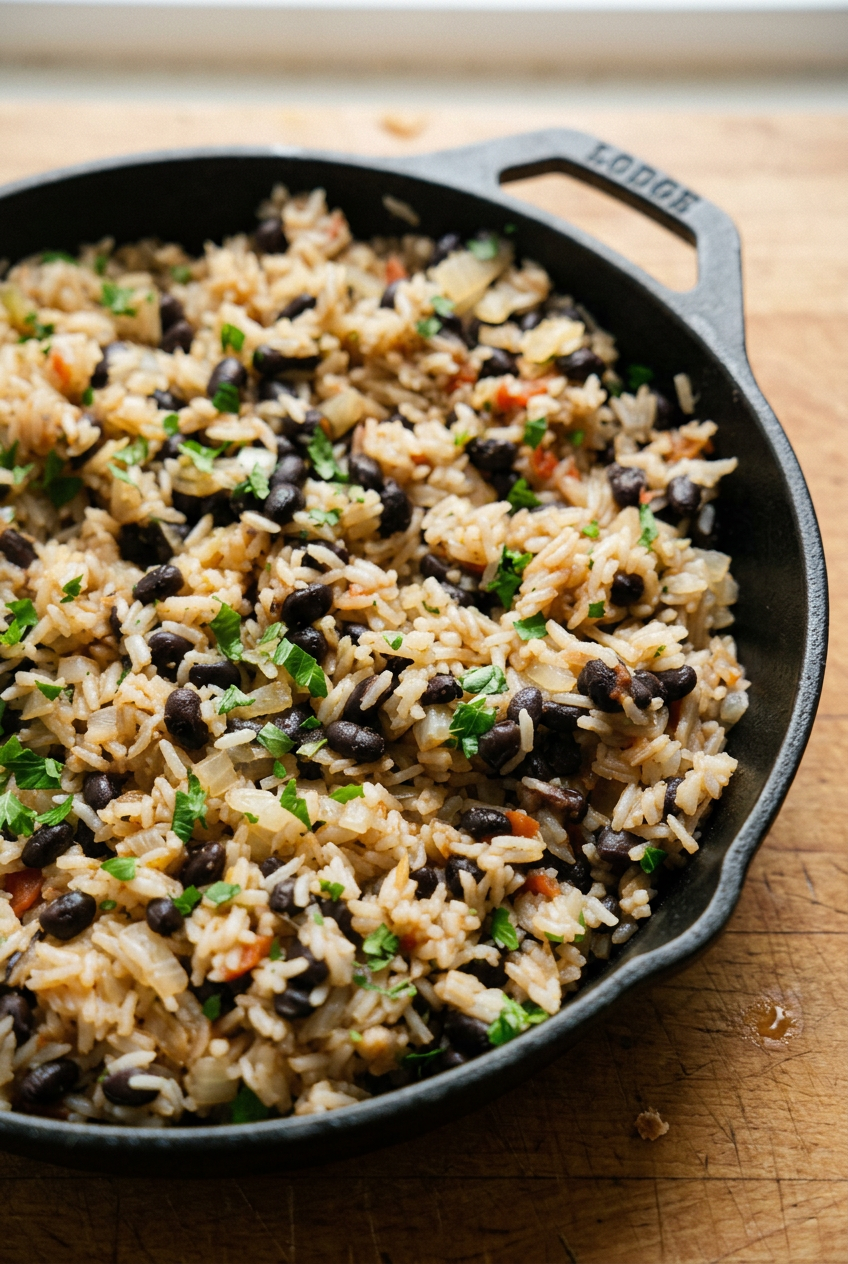
Uncover the rested rice and fluff it gently with a fork. Add the juice and zest of the remaining ½ lime and 2 tablespoons chopped fresh cilantro to the rice, tossing gently to incorporate. To serve, spoon a generous portion of the fluffy lime rice into bowls and top with the creamy black beans. The contrast between the bright, citrusy rice and the rich, savory beans creates a perfect balance of flavors and textures. Consider adding toppings like shredded cheese, pico de gallo, diced avocado, or a drizzle of hot sauce to customize each serving. This dish is delicious on its own or as a side to complement grilled meats, roasted vegetables, or homemade cornbread.
Dietary Substitutions to Customize Your Black Beans And Rice
One of the beautiful aspects of black beans and rice is its adaptability. Whether you have dietary restrictions, ingredient preferences, or simply want to use what’s in your pantry, there are numerous ways to customize this recipe while maintaining its delicious essence.
Protein and Main Component Alternatives
While black beans are the star of this recipe, you can easily swap them for other legumes based on availability or preference. Pinto beans make an excellent substitute and are traditional in many Latin American cuisines. Red kidney beans offer a slightly firmer texture and earthier flavor. For a different protein profile, try chickpeas (garbanzo beans) or lentils, though cooking times may vary slightly. If you prefer to include animal protein, shredded chicken, ground beef, or even chorizo can be added to the bean mixture during the simmering stage. For a seafood twist, consider adding shrimp during the last few minutes of cooking. These variations allow you to tailor the dish to your nutritional needs or taste preferences while keeping the comforting rice and bean foundation intact.
Vegetable, Sauce, and Seasoning Modifications
The vegetable and seasoning components of this recipe offer endless customization opportunities. Enhance the nutritional value and color by adding diced bell peppers, corn kernels, or diced tomatoes during the onion sauté. For a smoky depth, incorporate a teaspoon of smoked paprika or a chipotle pepper in adobo sauce. Garlic lovers can add 2-3 minced cloves along with the onions for extra aromatic flavor. If you enjoy heat, increase the spice level with cayenne pepper, diced jalapeños, or your favorite hot sauce. Fresh herbs like oregano or epazote can complement or replace the cilantro based on your taste preferences. For those who find cilantro soapy tasting, fresh parsley makes a suitable substitute. These modifications allow you to create a version of black beans and rice that perfectly suits your palate while maintaining the dish’s structural integrity.
Mastering Black Beans And Rice: Advanced Tips and Variations
Once you’ve mastered the basic recipe, these expert tips and creative variations will help you take your black beans and rice to the next level. These techniques and ideas will impress your family and guests while expanding your culinary repertoire.
Pro Cooking Techniques
For the fluffiest rice, avoid stirring it while it cooks this releases starch and makes the rice gummy. Instead, let it steam undisturbed.
Pro tip: For the fluffiest rice, avoid stirring it while it cooks this releases starch and makes the rice gummy. Instead, let it steam undisturbed.
When mashing the beans, aim for a rustic texture with visible whole beans rather than a smooth puree. This creates a more interesting mouthfeel and visual appeal. To intensify the flavor of your spices, toast them in a dry pan for 30-60 seconds before adding them to the onions. This simple step awakens their essential oils and makes them more aromatic. For the deepest flavor, consider using homemade vegetable broth instead of water when cooking the beans. If you have time, soaking dried beans overnight and cooking them from scratch yields superior flavor and texture compared to canned, though it requires more planning.
Flavor Variations
Transform this basic recipe into different regional specialties with simple adjustments. The following table outlines some popular variations:
| Regional Style | Key Ingredients | Flavor Profile |
|---|---|---|
| Cuban (Moros y Cristianos) | Long-grain white rice, bay leaf | Earthy, aromatic |
| Caribbean | Coconut milk, allspice, thyme | Creamy, tropical |
| Mexican | Garlic, oregano, cinnamon | Spicy, complex |
| Mediterranean | Olive oil, roasted red peppers, parsley | Rich, herbaceous |
These regional variations showcase the versatility of the rice and bean combination while introducing exciting new flavor profiles to your table. If you enjoy this recipe, you might also like our red beans and rice for a different take on this classic combination.
Presentation Tips
Elevate the visual appeal of your black beans and rice with thoughtful presentation. Instead of simply spooning the beans over the rice, try layering them in a clear glass to show off the contrasting colors. Garnish generously with fresh cilantro leaves, thin lime wedges, and a sprinkle of queso fresco or cotija cheese. For a dinner party, consider serving the components separately and letting guests build their own bowls from a toppings bar that includes avocado, sour cream, pickled onions, and various salsas. This interactive approach makes the meal feel special while accommodating different preferences. A final drizzle of high-quality olive oil or a sprinkle of smoked sea salt can add a restaurant-quality finishing touch.
Make-Ahead Options
This recipe is excellent for meal prep and can be adapted for busy schedules. The rice and beans can be cooked separately and stored in airtight containers in the refrigerator for up to 4 days. When reheating, add a splash of water to the rice and microwave covered to restore moisture. For the beans, reheat gently on the stovetop, adding a little water if they’ve thickened too much. You can also freeze portions for up to 3 months just cool completely before freezing and thaw overnight in the refrigerator before reheating. Consider doubling the recipe and using the leftovers as a filling for burritos, tacos, or even as a base for a hearty soup. This approach maximizes your cooking efforts and ensures you always have a nutritious meal ready to go.
How to Store Black Beans And Rice: Best Practices
Proper storage ensures your black beans and rice remains safe to eat and maintains its quality for future meals. Follow these guidelines to get the most out of your leftovers and meal prep efforts.
Refrigeration
Allow your black beans and rice to cool completely before refrigerating this prevents condensation that can lead to sogginess and bacterial growth. Store in airtight containers in the refrigerator for up to 4 days. For best results, keep the rice and beans separate if possible, as this maintains their individual textures better. When ready to eat, reheat gently on the stovetop or in the microwave, adding a splash of water if needed to restore moisture. Always ensure leftovers reach an internal temperature of 165°F when reheating for food safety.
Freezing
Black beans and rice freeze exceptionally well, making this recipe perfect for batch cooking. Cool the components completely, then transfer to freezer-safe bags or containers. Label with the date and contents for easy identification. For convenient portions, consider freezing individual servings that can be quickly grabbed for lunch or a quick dinner. Frozen black beans and rice maintain quality for up to 3 months. Thaw overnight in the refrigerator before reheating, or reheat directly from frozen using the microwave or stovetop with a little extra water and time.
Reheating
The best method for reheating black beans and rice depends on your preference and available equipment. For the rice, the microwave works well place in a microwave-safe dish, add a splash of water, cover, and heat in 1-minute intervals, fluffing with a fork between intervals. For the beans, gentle reheating on the stovetop over medium heat preserves texture best. Add a little water or broth if they’ve thickened too much in storage. Avoid overheating, which can make the rice mushy and the beans dry. A quick stir-fry in a hot pan with a little oil can also refresh the texture of both components, creating slightly crispy edges that add interest to the dish.
Meal Prep Considerations
When incorporating black beans and rice into your meal prep routine, consider cooking larger batches of plain rice and beans to use throughout the week in different ways. The components can be transformed into burritos, bowls, salads, or even patties for variety. Prepare a batch of seasoned beans and plain rice, then add different seasonings and toppings each day to prevent flavor fatigue. This approach maximizes efficiency while keeping meals interesting. Store pre-portioned containers for grab-and-go lunches, or keep larger batches in the refrigerator for flexible dinner options throughout the week.
FAQs: Frequently Asked Questions About Black Beans And Rice
What ingredients do I need for easy black beans and rice?
For a simple 20-minute black beans and rice recipe serving four, gather these basics: one 15-ounce can black beans (drained and rinsed), 1 cup white basmati rice, 1 small onion (diced), 1 teaspoon ground cumin, juice and zest of 1 lime, 1/4 cup chopped fresh cilantro, 2 tablespoons olive oil, 1.5 cups water, and salt to taste. Rinse the rice if possible for better texture. This combo creates a creamy, flavorful dish. Omit cilantro if preferred, or swap for dried spices. Total prep is quick—dice onion while rice boils. It’s budget-friendly at under $5 and naturally vegan. (78 words)
How do I cook black beans and rice from canned beans?
Start rice: In a pot, boil 1.5 cups water with 1 cup basmati rice, 1 tablespoon olive oil, and 1/2 teaspoon salt. Stir once, cover, simmer low 10 minutes, then rest covered 5 minutes off heat. Fluff and mix in lime zest, juice, and cilantro. For beans: Heat 1 tablespoon olive oil, sauté diced onion until soft (3-4 minutes), add 1 teaspoon cumin and salt, stir in drained beans and 1/2 cup water. Simmer uncovered 10 minutes, mash some beans for creaminess, then add lime and cilantro. Combine with rice. Total time: 20 minutes. (112 words)
Can I use dry black beans instead of canned for black beans and rice?
Yes, but plan ahead—dry beans take 1-2 hours to cook versus 10 minutes for canned. Soak 1 cup dry black beans overnight, then simmer in water with salt until tender (about 1 hour). Drain and use like canned, sautéing with onion, cumin, and water as in the quick recipe. This adds more flavor but extends total time to 1.5+ hours. Canned saves time for weeknights; dry is cheaper long-term (about $1 per pound). Both yield protein-packed meals—1 cup cooked beans has 15g protein and 15g fiber. Rinse dry beans well to reduce cooking time. (98 words)
How can I customize black beans and rice flavors?
Boost taste by adding minced garlic with onion, or spices like chili powder, oregano, smoked paprika, cayenne, or chipotle for heat. Stir in hot sauce post-simmer. For veggies, mix in diced bell peppers or corn during bean sauté. Make it spicier with jalapeños or milder with extra lime. Protein boosts: Top with avocado, eggs, or shredded chicken. It’s versatile—vegan base adapts easily. Experiment in small batches; store extras in fridge up to 4 days. One serving (1/4 recipe) offers 400 calories, 12g protein, making it a filling side or main. Pairs well with grilled meats. (96 words)
How do I store and reheat black beans and rice leftovers?
Cool completely, then store in airtight containers in the fridge up to 4 days or freeze up to 3 months (portion into bags for easy thawing). Reheat on stovetop with a splash of water over medium heat, stirring until hot (165°F), or microwave covered in 1-2 minute bursts. Use leftovers in burritos: Fill tortillas with beans, rice, salsa, cheese, and avocado; wrap and toast. As a side, it stretches for 6+ servings with proteins like sausage. Freezing retains texture if not overcooked initially. Provides sustained energy with complex carbs and fiber. (92 words)
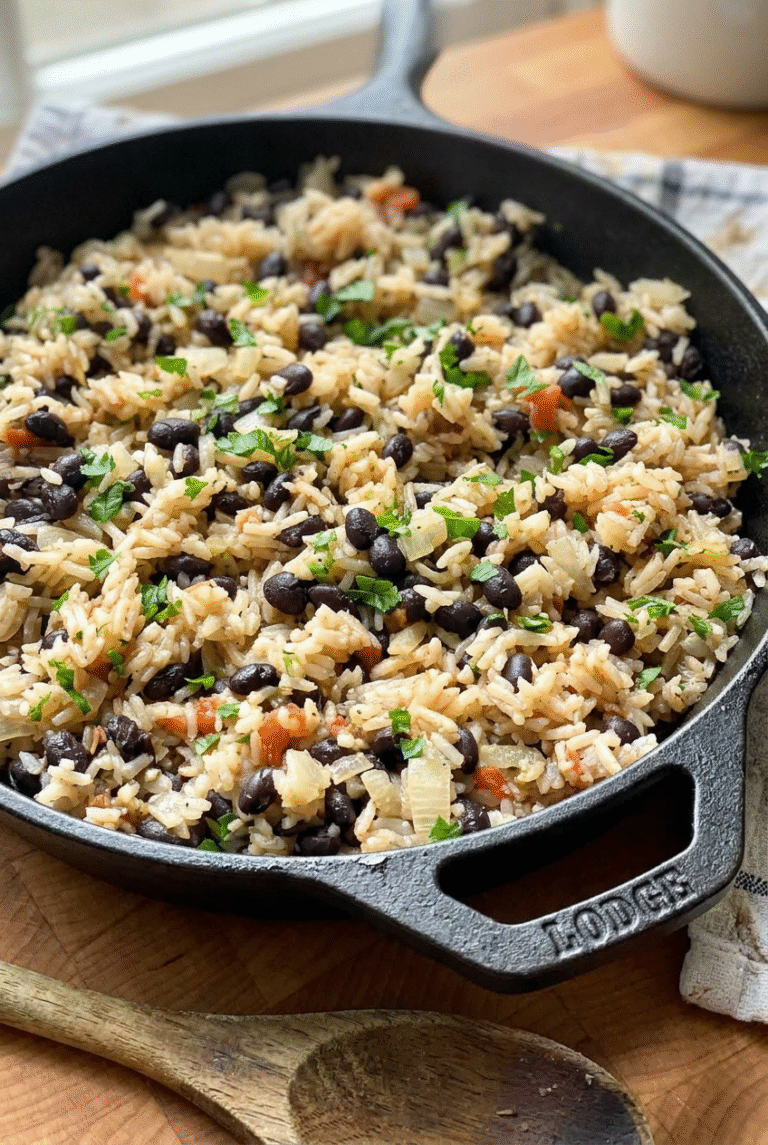
Black Beans And Rice
🫘 Whip up this quick 20-minute black beans and rice – hearty vegan protein, fiber-rich meal for busy weeknights!
🍚 Flavorful cumin-lime beans over fluffy basmati rice, budget-friendly, customizable, and satisfying.
- Total Time: 20 minutes
- Yield: 4 servings
Ingredients
– 1 cup basmati rice
– 1 ¾ cups water
– 1 tablespoon olive oil
– ½ teaspoon kosher salt
– Juice and zest of ½ lime
– 2 tablespoons chopped fresh cilantro
– 1 tablespoon olive oil
– 1 small onion, diced
– 28 oz. canned black beans, drained and rinsed
– 1 teaspoon cumin
– ½ teaspoon kosher salt
– 1 cup water
– Juice and zest of ½ lime
– 2 tablespoons chopped fresh cilantro
Instructions
1-First Step: Prepare Your IngredientsStart by gathering all your ingredients and doing the necessary prep work. Dice your onion finely so it cooks evenly and incorporates well into the beans. Rinse your basmati rice under cold water until the water runs clear this removes excess starch and prevents the rice from becoming gummy. Drain and rinse your canned black beans thoroughly to remove excess sodium and the canning liquid. Zest and juice your limes, and chop your fresh cilantro if using. Having everything ready before you start cooking makes the process smooth and stress-free.
2-Second Step: Cook the RiceIn a medium saucepan, combine 1 ¾ cups water, 1 cup basmati rice, 1 tablespoon olive oil, and ½ teaspoon kosher salt. Place the pot over high heat and bring the mixture to a boil. Once boiling, stir the rice once with a fork to ensure it’s evenly distributed, then cover the pot with a tight-fitting lid. Reduce the heat to low and let the rice simmer gently for 10 minutes, or until all the water has been absorbed. Avoid lifting the lid during this time, as the trapped steam is essential for properly cooking the rice.
3-Third Step: Let the Rice RestAfter the 10-minute simmering period, remove the pot from the heat but keep the lid on. Let the rice rest, covered, for an additional 5-10 minutes. This resting period allows the moisture to redistribute evenly throughout the rice, resulting in fluffy, separate grains rather than a sticky clump. While the rice rests, you can start preparing the beans to maximize your time in the kitchen.
4-Fourth Step: Sauté the AromaticsWhile the rice is resting, heat 1 tablespoon olive oil in a separate pot or large skillet over medium heat. Add the diced onion and sauté for 2-3 minutes, stirring occasionally, until the onion becomes soft and lightly browned. This caramelization adds depth and sweetness to the dish. Once the onion is ready, add 1 teaspoon cumin and ½ teaspoon kosher salt, stirring constantly for about 30 seconds to toast the spices and release their aromatic oils. This step is crucial for building a flavorful base for your beans.
5-Fifth Step: Simmer the BeansAdd the drained and rinsed black beans to the pot with the seasoned onions, along with 1 cup of water. Stir everything together to combine, then increase the heat to bring the mixture to a boil. Once boiling, reduce the heat to maintain a gentle simmer and cook uncovered for 10 minutes. This simmering time allows the flavors to meld together and the liquid to reduce slightly, creating a thicker, more flavorful bean mixture. The beans should absorb the spices and become tender and creamy while still maintaining their shape.
6-Sixth Step: Finish the BeansRemove the pot from the heat and use a potato masher, fork, or the back of a spoon to lightly mash about one-third of the beans. This technique creates a creamy sauce that coats the remaining whole beans, giving the dish a luxurious texture without turning it into refried beans. Stir in the juice and zest of ½ lime and 2 tablespoons chopped fresh cilantro (if using). Taste the beans and add more salt if needed. The lime adds brightness that balances the earthiness of the beans and cumin.
7-Final Step: Assemble and ServeUncover the rested rice and fluff it gently with a fork. Add the juice and zest of the remaining ½ lime and 2 tablespoons chopped fresh cilantro to the rice, tossing gently to incorporate. To serve, spoon a generous portion of the fluffy lime rice into bowls and top with the creamy black beans. The contrast between the bright, citrusy rice and the rich, savory beans creates a perfect balance of flavors and textures. Consider adding toppings like shredded cheese, pico de gallo, diced avocado, or a drizzle of hot sauce to customize each serving. This dish is delicious on its own or as a side to complement grilled meats, roasted vegetables, or homemade cornbread.
Last Step:
Please leave a rating and comment letting us know how you liked this recipe! This helps our business to thrive and continue providing free, high-quality recipes for you.Notes
🫘 Drain and rinse canned black beans to cut sodium and aid digestion.
🍲 Simmer beans uncovered and mash a portion lightly for perfect creamy texture.
🍋 Use lime juice, zest, and cilantro to brighten flavors naturally.
- Prep Time: 5 minutes
- Cook Time: 15 minutes
- Category: Main Dish
- Method: Stovetop
- Cuisine: Latin American
- Diet: Vegan
Nutrition
- Serving Size: 1 ½ cups
- Calories: 429 kcal
- Sugar: 2g
- Sodium: 1356mg
- Fat: 8g
- Saturated Fat: 1g
- Unsaturated Fat: 6g
- Trans Fat: 0g
- Carbohydrates: 74g
- Fiber: 15g
- Protein: 16g
- Cholesterol: 0mg