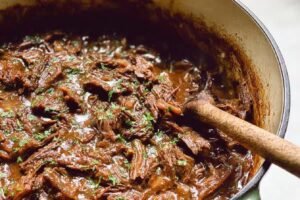
Why You’ll Love This Beef Brisket Noodle Soup
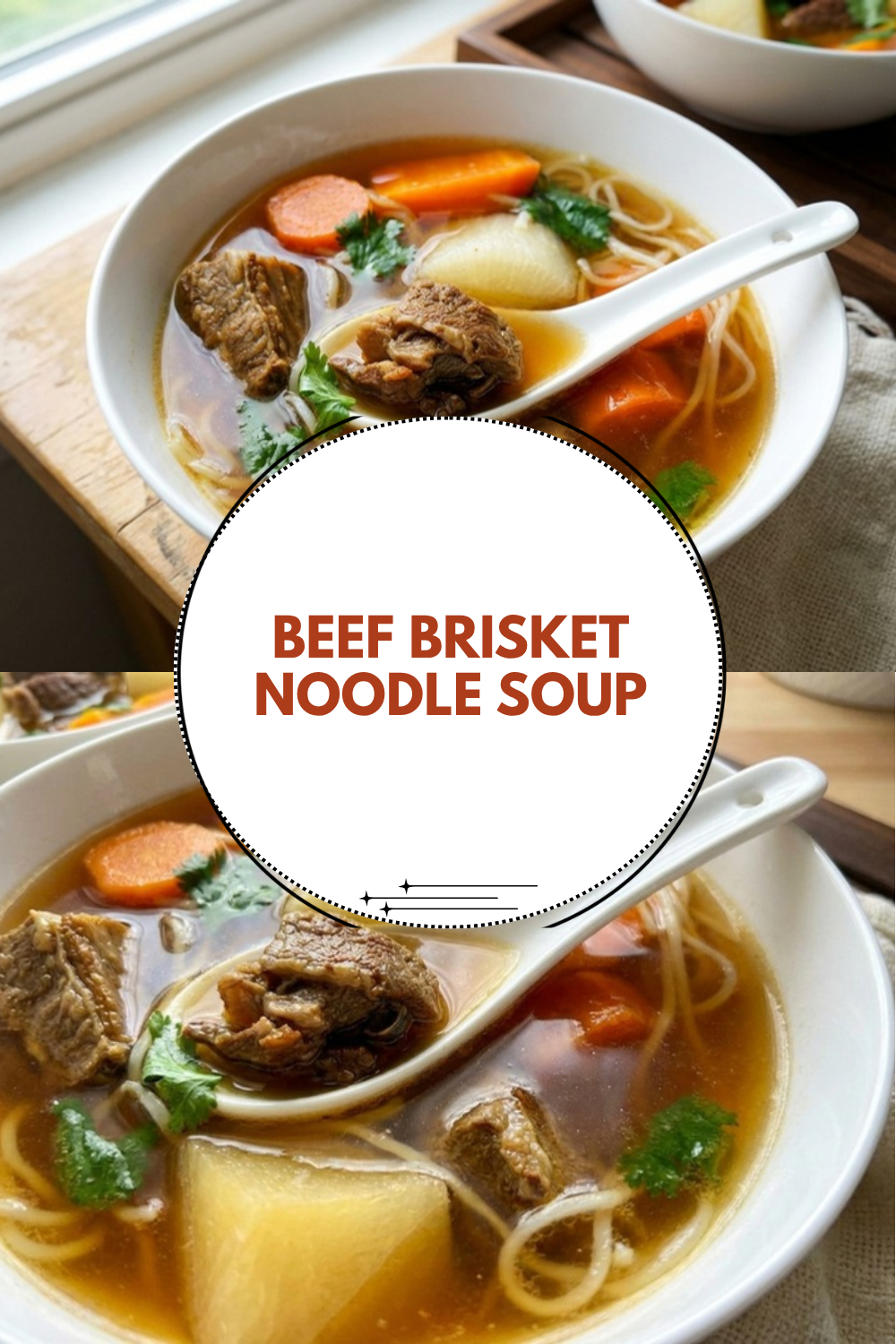
There’s nothing quite like a steaming bowl of Beef Brisket Noodle Soup to warm you up from the inside out. This traditional Chinese dish combines tender beef with aromatic spices and satisfying noodles for a meal that’s both comforting and packed with flavor.
- Ease of preparation: While this recipe takes some time to simmer, the actual hands-on preparation is surprisingly simple. With just 30 minutes of prep time, you can let the stove do the work while you relax or prepare other elements of your meal.
- Health benefits: Each serving provides 40g of protein and essential nutrients like iron, calcium, and potassium. The collagen-rich broth is excellent for joint health, while the variety of vegetables adds vitamins and fiber to your diet.
- Versatility: This recipe adapts beautifully to different dietary preferences. You can easily swap proteins, adjust spice levels, or use gluten-free noodles to accommodate various needs without compromising on taste.
- Distinctive flavor: The complex blend of spices including star anise, cinnamon, and cardamom creates a rich, aromatic broth that you simply can’t achieve with store-bought alternatives. This depth of flavor is what makes authentic Chinese beef noodle soup so special.
Jump To
- 1. Why You’ll Love This Beef Brisket Noodle Soup
- 2. Essential Ingredients for Beef Brisket Noodle Soup
- 3. How to Prepare the Perfect Beef Brisket Noodle Soup: Step-by-Step Guide
- 4. Mastering Beef Brisket Noodle Soup: Advanced Tips and Variations
- 5. How to Store Beef Brisket Noodle Soup: Best Practices
- 6. FAQs: Frequently Asked Questions About Beef Brisket Noodle Soup
- 7. Beef Brisket Noodle Soup
Essential Ingredients for Beef Brisket Noodle Soup
The key to creating an exceptional Beef Brisket Noodle Soup lies in selecting quality ingredients and understanding how each component contributes to the final dish. Here’s what you’ll need to bring this authentic recipe to life:
Main Ingredients
- Beef chuck cut into large chunks – The star of our dish, providing rich flavor and tender texture after slow cooking.
- Water – Creates the base of our flavorful broth.
- Ginger slices – Adds warmth and depth to the soup while helping to balance the richness of the beef.
- Rock sugar – Provides a subtle sweetness that balances the savory elements without making the soup overly sweet.
- Scallions (separated into white and green parts) – White parts add savory notes during cooking, while green parts make a fresh garnish.
- Whole garlic cloves (peeled but kept whole) – Infuses the broth with aromatic flavor without overpowering other ingredients.
- Daikon (cut into quarter-inch thick slices) – Adds subtle sweetness and absorbs the rich flavors of the broth.
- Shaoxing wine – Traditional Chinese cooking wine that adds depth and complexity to the dish.
- Dark soy sauce – Provides rich color and caramel flavor to the soup.
- Light soy sauce – Adds savory umami flavor without darkening the broth too much.
- Dried aromatics (cinnamon, black cardamom, fennel seeds, star anise, cloves, tangerine peel, bay leaves, white peppercorns, licorice slices, sand ginger, amomum white cardamom) – The essential spice blend that creates the distinctive flavor profile of authentic beef noodle soup.
- Noodles of choice – The perfect vehicle for soaking up all the delicious broth.
- Leafy greens (spinach, romaine lettuce, choy sum, or bok choy) – Adds nutrition and color to complete the dish.
- Optional chopped cilantro and chili oil for serving – Fresh garnishes that add brightness and customizable heat.
Special Dietary Options
Vegan: For a plant-based version, substitute beef with large chunks of firm tofu, shiitake mushrooms, or seitan. Use vegetable broth instead of water and replace Shaoxing wine with additional soy sauce or a splash of balsamic vinegar.
Gluten-free: Choose gluten-free noodles such as rice noodles, soba (100% buckwheat), or sweet potato noodles. Ensure your soy sauce brands are certified gluten-free, as traditional soy sauce contains wheat.
Low-calorie: Reduce the amount of beef and increase the proportion of vegetables like daikon and leafy greens. Use leaner cuts of beef and trim visible fat before cooking. Limit or omit the garnish of chili oil to reduce calories.
How to Prepare the Perfect Beef Brisket Noodle Soup: Step-by-Step Guide
Creating restaurant-quality Beef Brisket Noodle Soup at home is easier than you might think. The process requires a bit of time, but the results are absolutely worth the effort. Let’s walk through each step to ensure your soup turns out perfectly every time.
Preparation Phase
First Step: Begin by preparing your aromatics. Tie the dried spices (cinnamon, black cardamom, fennel seeds, star anise, cloves, tangerine peel, bay leaves, white peppercorns, licorice slices, sand ginger, and amomum white cardamom) in a piece of cheesecloth or a tea filter bag. This makes removing them later effortless and prevents spices from floating in your soup. Rinse your beef chuck thoroughly under cold water to remove any bone fragments or surface impurities.
Second Step: In a large pot, place the rinsed beef chunks and cover with water. Add ginger slices to the pot. Bring the water to a boil over high heat. As it boils, grey foam will rise to the surface – these are impurities released from the meat. Use a ladle or slotted spoon to skim off this foam regularly. Continue boiling for about 10 minutes until the foam stops appearing. This step is crucial for achieving a clear, clean-tasting broth.
Third Step: Carefully strain the beef from the water, reserving the broth and ginger slices. Rinse the beef pieces under cold running water to remove any remaining impurities. Set the cleaned beef aside along with the reserved broth and ginger. Meanwhile, prepare your vegetables by peeling the daikon and cutting it into quarter-inch thick slices. Separate the scallions into white and green parts, and peel your garlic cloves, keeping them whole.
Cooking Phase
Fourth Step: In a separate large pot or Dutch oven, heat some oil over medium-high heat. Add the rock sugar to the hot oil, watching as it begins to caramelize slightly. Add the white parts of the scallions and whole garlic cloves, cooking them until the scallions are lightly seared and fragrant. This creates a flavorful base for your soup.
Fifth Step: Add the beef chunks to the pot and stir-fry for a few minutes until the meat is lightly browned on all sides. Pour in the Shaoxing wine and let it sizzle for about 30 seconds, allowing the alcohol to evaporate. Add both dark and light soy sauces, stirring to coat the beef evenly. The dark soy sauce will give your soup that rich, appetizing brown color.
Sixth Step: Add your spice pouch containing the tied aromatics, the sliced daikon, the reserved broth, and the ginger slices you set aside earlier. Bring everything to a boil, then reduce the heat to maintain a steady simmer. Cover the pot partially with a lid, leaving a small opening for steam to escape. Let the soup simmer gently for 90 minutes, checking occasionally to ensure it maintains a gentle simmer rather than a rolling boil.
Seventh Step: After 90 minutes of simmering, turn off the heat and completely cover the pot. Let the soup rest for 1 hour. This resting period allows the flavors to meld together and helps the beef become even more tender. This hands-off step is actually crucial for developing the complex flavor profile that makes this dish so special.
Final Assembly
Final Step: When you’re ready to serve, reheat the soup if needed. Remove and discard the spice pouch and any large pieces of ginger. Taste the broth and season with salt to your preference. While the soup reheats, cook your noodles according to package instructions. Use the boiling noodle water to quickly blanch your chosen greens until just tender but still vibrant. Assemble each bowl with a portion of noodles, blanched greens, and beef pieces, then ladle the hot broth over everything. Garnish generously with green scallions and top with chopped cilantro and chili oil if desired. Serve immediately while piping hot.
Protein and Main Component Alternatives
While traditional Beef Brisket Noodle Soup uses beef chuck as described in our recipe, there are several excellent alternatives that can suit different tastes, budgets, or dietary needs. Understanding these options allows you to customize the dish while maintaining its essential character.
Beef brisket is the classic choice for this dish, offering excellent marbling that results in incredibly tender meat after slow cooking. However, it tends to be pricier and contains more fat. If you’re watching your fat intake, consider using beef shank instead. This cut contains collagen-rich connective tissue that breaks down during cooking, creating a naturally gelatinous broth while still offering satisfying texture. The meat remains firm rather than falling apart, which some eaters actually prefer.
For a more budget-friendly option, beef chuck is an excellent choice that balances flavor, tenderness, and cost. Its marbling ensures the meat stays juicy during the extended cooking process, making it a reliable option for home cooks. Alternatively, try oxtail for a richer, more collagen-heavy broth that creates a luxurious mouthfeel, though you’ll need to account for bones taking up more volume in your pot.
For those who don’t eat beef, short ribs make a surprisingly good substitute with their rich flavor profile. Lamb shoulder or leg can also work, though it will naturally shift the flavor profile toward a more gamey taste. For a lighter version, turkey legs or chicken thighs can be used, though you’ll want to reduce the cooking time significantly to prevent the meat from becoming dry and stringy.
For vegetarian or vegan versions, portobello mushrooms provide a meaty texture and umami flavor that works beautifully in this dish. Large chunks of extra-firm tofu can stand in for the beef, absorbing all the delicious flavors of the broth. If you’re looking for a plant-based protein that more closely mimics the texture of beef, consider using seitan or wheat gluten, which holds up well during braising.
Vegetable, Sauce, and Seasoning Modifications
The beauty of Beef Brisket Noodle Soup lies in its adaptability. While the traditional recipe calls for specific vegetables and seasonings, there’s plenty of room for creativity based on personal preferences, seasonal availability, or dietary requirements.
While daikon radish is traditional, several other vegetables work wonderfully in this soup. Turnips can provide similar sweetness and texture with a slightly more peppery note. Carrots add both color and natural sweetness, complementing the savory beef broth. For added nutrition and color, consider adding chunks of winter squash like kabocha or butternut during the last 30 minutes of cooking. These will become meltingly tender and add another layer of flavor complexity.
Beyond the greens mentioned in our recipe, consider adding other vegetables during the final assembly phase. Baby bok choy adds a delightful crunch and mild flavor. Napa cabbage wilts beautifully in the hot broth, absorbing its flavors. For a bit of color and nutrition, fresh spinach or Swiss chard can be added just before serving – they need only seconds to wilt in the hot soup.
If you can’t find all the traditional aromatics, don’t worry. A five-spice powder blend can substitute for many of the individual spices, though you’ll miss some of the nuanced flavors. For those who find licorice root difficult to source, it can be omitted without dramatically affecting the overall flavor profile. Similarly, sand ginger (also known as kaempferia galanga) can be replaced with a small piece of regular ginger and a pinch of ground nutmeg or mace.
For seasoning variations, consider adding a tablespoon of black bean sauce or fermented bean paste for extra umami depth. A splash of rice vinegar added at the end can brighten the flavors without overpowering the dish. For those who enjoy heat, add dried chili peppers during the simmering phase or offer sriracha or chili crisp as a table condiment.
If you’re looking to reduce sodium, try using coconut aminos instead of soy sauce. This provides similar salty, umami notes with about 30-60% less sodium. For a gluten-free version, tamari works as an excellent substitute for traditional soy sauce while maintaining the flavor profile.
Mastering Beef Brisket Noodle Soup: Advanced Tips and Variations
Once you’ve mastered the basic recipe for Beef Brisket Noodle Soup, you can elevate your results with these professional techniques and creative variations that will take this dish from delicious to extraordinary.
Pro Cooking Techniques
For the most flavorful beef, consider marinating your meat chunks overnight in a mixture of light soy sauce, Shaoxing wine, and a little cornstarch before beginning the recipe. This step, while not traditional, adds depth of flavor and helps maintain moisture during the long cooking process. Another technique from Chinese restaurants is to sear the beef more aggressively – letting it develop a dark, caramelized crust before adding liquids creates additional Maillard reaction flavors that enhance the overall soup.
When making your broth, consider using a combination of water and beef stock instead of plain water. Homemade beef stock, if available, will dramatically improve the depth of flavor. Even store-bought stock or better than bouillon beef base can make a noticeable difference. For those seeking the clearest broth possible, try the “blanch and rinse” method twice – boil the beef, rinse, boil again, and rinse a second time before proceeding with the recipe.
The temperature control during simmering is more important than many home cooks realize. Maintain a gentle simmer rather than a rolling boil – the broth should barely bubble with occasional larger bubbles breaking the surface. Cooking at too high a temperature can make the beef tough and cloudy the broth. Using a heavy Dutch oven or clay pot can help maintain consistent temperature throughout the cooking process.
Flavor Variations
For a Sichuan-style version, add 2-3 tablespoons of doubanjiang (broad bean paste) when cooking the aromatics. This creates a spicy, numbing version known as ma la beef noodle soup. Taiwanese style often includes tomato paste added with the soy sauces, creating a slightly tangy variation with a redder hue. Some regional versions add a small amount of crushed rock candy near the end for a glossy finish and subtle sweetness.
For a medicinal approach, consider adding Chinese herbs like goji berries, jujubes (red dates), or astragalus root along with your other aromatics. These ingredients are believed to have restorative properties in Traditional Chinese Medicine and add subtle complexity to the broth. If you enjoy earthy flavors, try adding a small piece of dried shiitake mushroom or a handful of reishi mushrooms to your spice pouch.
Presentation Tips
The visual appeal of your Beef Brisket Noodle Soup begins with how you slice the beef. Before serving, cut the cooked beef against the grain into thin slices rather than chunks. This not only looks more elegant but makes each bite more tender. When assembling bowls, create a visually pleasing composition – arrange the beef slices on one side, pile the greens on another, and ensure noodles are neatly arranged before ladling in the broth.
For restaurant-quality presentation, finish each bowl with carefully arranged garnishes. Thinly sliced scallions should be fresh and bright green. If using cilantro, keep the leaves whole rather than chopped. A drizzle of chili oil can be applied artistically in a circular pattern or straight line across the top of the bowl. For added texture and visual interest, consider topping with fried shallots, crushed peanuts, or a small amount of pickled mustard greens.
Make-Ahead Options
This soup actually improves with time, making it perfect for advance preparation. The soup base (broth, beef, and aromatics) can be made up to 3 days ahead and stored in the refrigerator. In fact, many home cooks believe the flavors peak on day two after the spices have had more time to infuse the meat and broth. Simply reheat gently before assembling with freshly cooked noodles and greens.
For longer storage, the soup base freezes exceptionally well for up to 3 months. Freeze in portion-sized containers for easy weeknight meals. Just remember to omit the noodles and greens when freezing – these should always be prepared fresh to maintain their texture. When reheating frozen soup, thaw overnight in the refrigerator, then warm gently over low heat, adding a splash of water if needed to adjust consistency.
How to Store Beef Brisket Noodle Soup: Best Practices
Making a large batch of Beef Brisket Noodle Soup is a smart strategy for delicious meals throughout the week, but proper storage is essential to maintain quality and safety. Follow these guidelines to ensure your soup stays fresh and flavorful.
| Storage Method | Duration | Temperature | Special Considerations |
|---|---|---|---|
| Refrigerator | 3-4 days | Below 40°F (4°C) | Store in airtight containers; remove noodles if storing longer than 1 day |
| Freezer | 2-3 months | 0°F (-18°C) | Freeze soup base without noodles/greens; leave 1 inch of headspace for expansion |
| Room Temperature | Maximum 2 hours | Above 140°F (60°C) or below 40°F (4°C) | Never leave soup at room temperature for extended periods |
Refrigeration
For short-term storage, allow the soup to cool to room temperature before refrigerating, but don’t leave it out for more than two hours total. Transfer the soup to airtight containers, leaving about half an inch of space at the top. If you’ve already combined the soup with noodles, try to consume it within 24 hours as the noodles will continue to absorb liquid and become soggy. For best results, store the soup base separately from the noodles and greens, combining them just before serving. This preserves the texture of all components.
Freezing
Freezing is an excellent option for long-term storage of Beef Brisket Noodle Soup. First, cool the soup completely in the refrigerator before transferring to freezer-safe containers. Leave about an inch of headspace to allow for expansion during freezing. It’s best to freeze the soup base without the noodles and greens, as these don’t freeze well. Label your containers with the date and contents – soup can be frozen for 2-3 months without significant quality loss. When ready to use, thaw overnight in the refrigerator and reheat gently over medium-low heat.
Reheating
Reheat Beef Brisket Noodle Soup gently to maintain the quality of the beef. Avoid boiling, as this can make the meat tough. Instead, warm over medium-low heat until the broth reaches 165°F throughout. If the soup seems too thick after refrigeration, add a splash of water or broth to restore the desired consistency. If you stored the soup with noodles, they may have absorbed significant liquid – you’ll need to add more broth or water when reheating. For best results, prepare fresh noodles and greens when reheating, adding them to the reheated soup just before serving.
Meal Prep Considerations
For efficient meal prep, prepare a large batch of soup on the weekend, then portion it into individual containers without noodles. When ready to eat during the week, simply reheat a portion and cook fresh noodles to combine. This approach provides the convenience of a quick meal without sacrificing texture. Consider portioning the beef and broth separately if you prefer to control your protein portions. Prep your garnishes (chopped scallions, cilantro) in advance and store in small containers to streamline assembly during busy weeknights.
FAQs: Frequently Asked Questions About Beef Brisket Noodle Soup
What cut of beef works best for beef brisket noodle soup?
Beef brisket is ideal for beef brisket noodle soup due to its rich marbling and flavor that infuses the broth during slow braising. It stays moist and tender after 2-3 hours of simmering. Alternatives include beef chuck for a quicker, budget-friendly option or beef shank for chewy texture with tendons. Choose cuts with visible fat streaks for best results. Trim excess fat before cooking, then blanch the meat in boiling water for 5-10 minutes to remove impurities. Cut into 2-inch chunks for even cooking. This ensures flavorful, fall-apart beef in every bowl. Pair with wheat noodles and fresh herbs for an authentic Taiwanese-style dish. (92 words)
What aromatics go into beef brisket noodle soup?
Key aromatics build the signature spicy-sweet broth in beef brisket noodle soup. Use a spice pouch with cinnamon sticks (2-3), star anise (4-5 pieces), fennel seeds (1 tbsp), black cardamom (2 pods), cloves (4-5), bay leaves (3), white peppercorns (1 tsp), dried tangerine peel (1 piece), licorice slices (2-3), sand ginger (1 tbsp), and amomum white cardamom (1 tsp). Toast spices lightly before adding to browned beef and 10 cups of water. Simmer covered for 2 hours, then uncover for clearer broth. Adjust quantities to taste—start small to avoid overpowering. Strain before serving for a balanced, aromatic soup. (112 words)
Why skim foam when making beef brisket noodle soup?
Skimming foam during the initial boil of beef brisket noodle soup removes blood, proteins, and impurities from the meat, preventing a cloudy, bitter broth. After cutting brisket into chunks, boil in plain water for 5-10 minutes over high heat. A grayish scum will rise—use a slotted spoon to skim it off repeatedly until water runs clear. Rinse the beef under cold water to wash away residue. This step, done before adding aromatics and main simmering (2-3 hours), results in a crystal-clear, clean-tasting soup. It takes just 10 minutes but makes a big difference in presentation and flavor. (98 words)
When do you add salt to beef brisket noodle soup?
Add salt to beef brisket noodle soup at the end of cooking, about 30 minutes before serving, to keep the meat tender. Early salting draws out moisture from the brisket during the 2-3 hour simmer, making it tough and dry. After straining the broth and tasting, start with 1-2 tsp sea salt per 10 cups liquid, adjusting for desired savoriness. If using soy sauce or fish sauce for umami, factor that in too. This timing preserves the beef’s juiciness while allowing flavors to meld perfectly. Test with a small bowl first. (96 words)
How do you add noodles and greens to beef brisket noodle soup?
Cook fresh wheat or rice noodles al dente per package (3-5 minutes) in boiling water, then drain. Blanch greens like bok choy, spinach, romaine, or choy sum in the same noodle water for 30-60 seconds until vibrant but crisp. Divide noodles and greens into serving bowls. Ladle hot beef brisket chunks and broth over top. Garnish with chopped cilantro, green onions, pickled mustard greens, and a dash of chili oil for heat. This keeps everything hot and textured—noodles don’t overcook in the soup. Serves 4-6; prep takes 10 minutes post-simmering. (94 words)
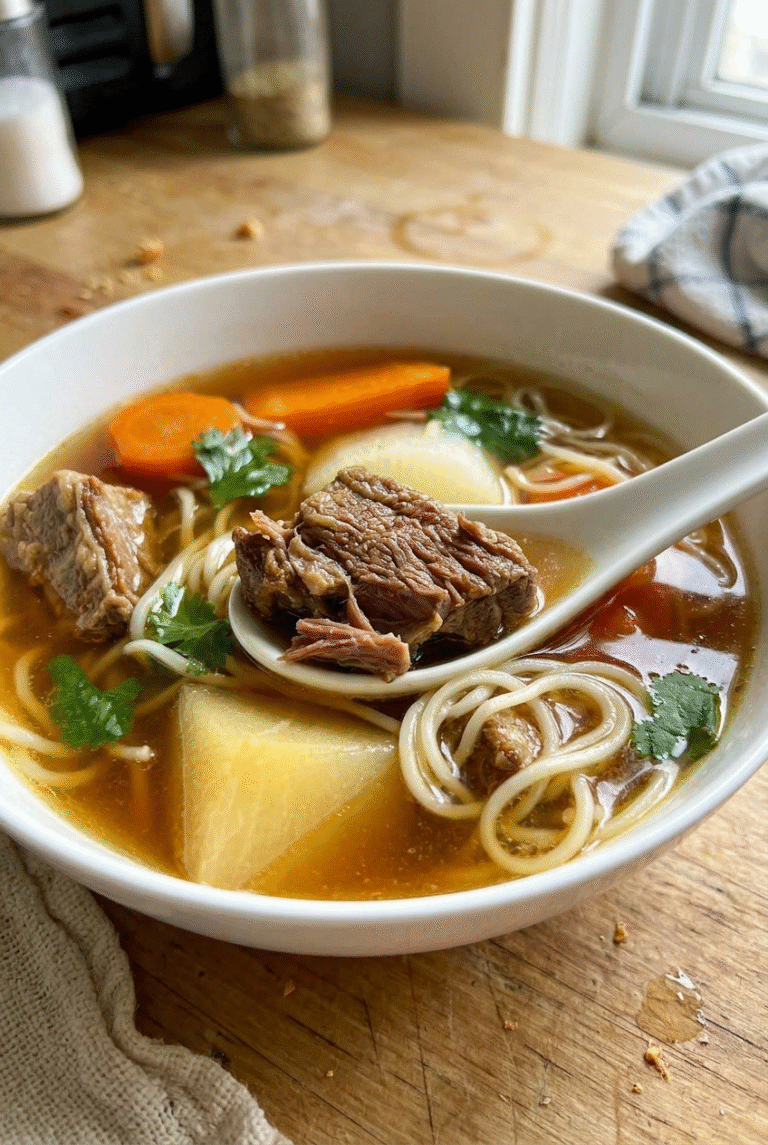
Beef Brisket Noodle Soup
🥘 Tender braised beef in a rich, aromatic broth with noodles – comforting Chinese classic that’s deeply flavorful and satisfying!
🍜 Easy to customize with your favorite greens and spices, perfect for cozy family meals or meal prep!
- Total Time: 2 hours 30 minutes
- Yield: 4 servings
Ingredients
– Beef chuck cut into large chunks
– Water
– Ginger slices
– Rock sugar
– Scallions (separated into white and green parts)
– Whole garlic cloves (peeled but kept whole)
– Daikon (cut into quarter-inch thick slices)
– Shaoxing wine
– Dark soy sauce
– Light soy sauce
– Dried aromatics (cinnamon, black cardamom, fennel seeds, star anise, cloves, tangerine peel, bay leaves, white peppercorns, licorice slices, sand ginger, amomum white cardamom)
– Noodles of choice
– Leafy greens (spinach, romaine lettuce, choy sum, or bok choy)
– Optional chopped cilantro and chili oil for serving
Instructions
1-First Step: Begin by preparing your aromatics. Tie the dried spices (cinnamon, black cardamom, fennel seeds, star anise, cloves, tangerine peel, bay leaves, white peppercorns, licorice slices, sand ginger, and amomum white cardamom) in a piece of cheesecloth or a tea filter bag. This makes removing them later effortless and prevents spices from floating in your soup. Rinse your beef chuck thoroughly under cold water to remove any bone fragments or surface impurities.
2-Second Step: In a large pot, place the rinsed beef chunks and cover with water. Add ginger slices to the pot. Bring the water to a boil over high heat. As it boils, grey foam will rise to the surface – these are impurities released from the meat. Use a ladle or slotted spoon to skim off this foam regularly. Continue boiling for about 10 minutes until the foam stops appearing. This step is crucial for achieving a clear, clean-tasting broth.
3-Third Step: Carefully strain the beef from the water, reserving the broth and ginger slices. Rinse the beef pieces under cold running water to remove any remaining impurities. Set the cleaned beef aside along with the reserved broth and ginger. Meanwhile, prepare your vegetables by peeling the daikon and cutting it into quarter-inch thick slices. Separate the scallions into white and green parts, and peel your garlic cloves, keeping them whole.
4-Fourth Step: In a separate large pot or Dutch oven, heat some oil over medium-high heat. Add the rock sugar to the hot oil, watching as it begins to caramelize slightly. Add the white parts of the scallions and whole garlic cloves, cooking them until the scallions are lightly seared and fragrant. This creates a flavorful base for your soup.
5-Fifth Step: Add the beef chunks to the pot and stir-fry for a few minutes until the meat is lightly browned on all sides. Pour in the Shaoxing wine and let it sizzle for about 30 seconds, allowing the alcohol to evaporate. Add both dark and light soy sauces, stirring to coat the beef evenly. The dark soy sauce will give your soup that rich, appetizing brown color.
6-Sixth Step: Add your spice pouch containing the tied aromatics, the sliced daikon, the reserved broth, and the ginger slices you set aside earlier. Bring everything to a boil, then reduce the heat to maintain a steady simmer. Cover the pot partially with a lid, leaving a small opening for steam to escape. Let the soup simmer gently for 90 minutes, checking occasionally to ensure it maintains a gentle simmer rather than a rolling boil.
7-Seventh Step: After 90 minutes of simmering, turn off the heat and completely cover the pot. Let the soup rest for 1 hour. This resting period allows the flavors to meld together and helps the beef become even more tender. This hands-off step is actually crucial for developing the complex flavor profile that makes this dish so special.
8-Final Step: When you’re ready to serve, reheat the soup if needed. Remove and discard the spice pouch and any large pieces of ginger. Taste the broth and season with salt to your preference. While the soup reheats, cook your noodles according to package instructions. Use the boiling noodle water to quickly blanch your chosen greens until just tender but still vibrant. Assemble each bowl with a portion of noodles, blanched greens, and beef pieces, then ladle the hot broth over everything. Garnish generously with green scallions and top with chopped cilantro and chili oil if desired. Serve immediately while piping hot.
Last Step:
Please leave a rating and comment letting us know how you liked this recipe! This helps our business to thrive and continue providing free, high-quality recipes for you.Notes
🥩 Choose marbled cuts like beef chuck or brisket for melt-in-your-mouth tenderness after braising.
🧂 Add salt only at the end of cooking to keep the beef tender and prevent toughness.
🛍️ Bundle aromatics in cheesecloth for easy removal and balanced, authentic flavor infusion.
- Prep Time: 30 minutes
- Resting Time: 1 hour
- Cook Time: 2 hours
- Category: Soups
- Method: Braise
- Cuisine: Chinese
Nutrition
- Serving Size: 1 bowl
- Calories: 519 kcal
- Sugar: 7g
- Sodium: 857mg
- Fat: 26g
- Saturated Fat: 9g
- Unsaturated Fat: 17g
- Trans Fat: 0g
- Carbohydrates: 31g
- Fiber: 4g
- Protein: 40g
- Cholesterol: 117mg