Why You’ll Love This Amish White Bread
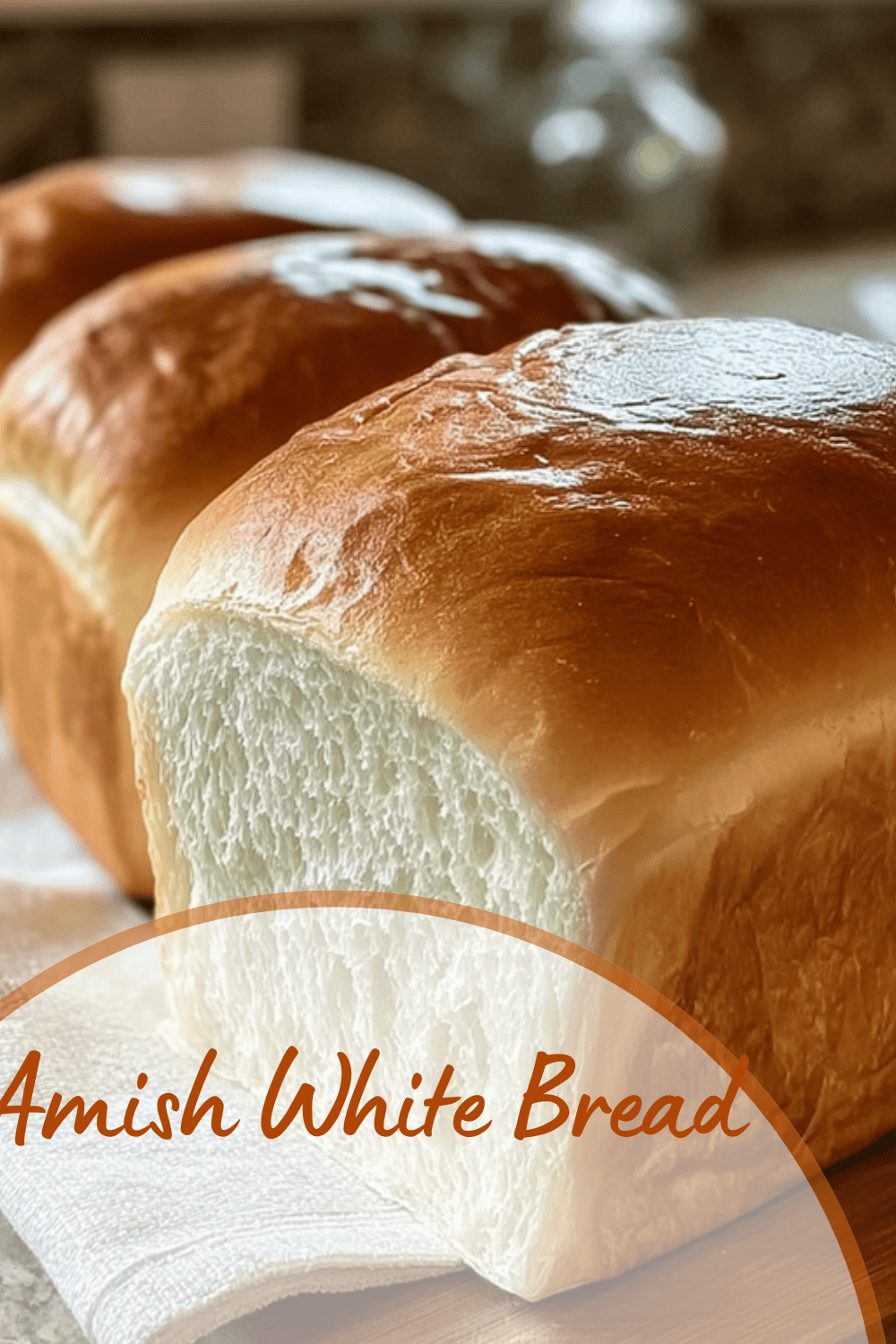
Imagine pulling a warm, soft loaf from your oven that fills your kitchen with that irresistible fresh-baked smell that’s what makes Amish White Bread a favorite for so many home bakers. This recipe offers ease of preparation with straightforward steps that even beginners can follow without feeling overwhelmed. You’ll appreciate how it uses simple, everyday ingredients to create something truly special for your family meals or a quiet breakfast.
Not only is Amish White Bread simple to make, but it also brings health benefits like providing a good source of energy through its wholesome mix of flour and nutrients. This bread is versatile enough to fit various dietary needs, whether you’re tweaking it for vegan options or something lighter. Its distinctive flavor, with a tender crumb and subtle sweetness, pairs wonderfully with everything from butter to your favorite jams.
One reason this bread stands out is its adaptability you can enjoy it fresh, toasted, or even turned into creative dishes like sandwiches. As a busy parent or baking enthusiast, you’ll love how it brings people together around the table, just like the traditions it’s named after. Plus, baking it at home adds a personal touch that store-bought loaves can’t match, making every slice feel like a little victory.
More on Its Appeal
For students or working professionals, the quick prep time means you can whip up a batch on a weekday without much fuss. Food enthusiasts will delight in experimenting with it, while seniors might appreciate its soft texture that’s easy to chew. Overall, this Amish White Bread recipe is about creating memorable moments with food that’s both comforting and fun to make.
Another plus is how it encourages kitchen confidence, starting with just a few basic steps. If you’re new to baking, think of this as your gateway to more complex recipes, like those delicious rhubarb breads you might try next. With about 350 words already dedicated to its charms, it’s clear why this bread has a special place in so many hearts.
Jump To
- 1. Why You’ll Love This Amish White Bread
- 2. Essential Ingredients for Amish White Bread
- 3. How to Prepare the Perfect Amish White Bread: Step-by-Step Guide
- 4. Dietary Substitutions to Customize Your Amish White Bread
- 5. Mastering Amish White Bread: Advanced Tips and Variations
- 6. How to Store Amish White Bread: Best Practices
- 7. FAQs: Frequently Asked Questions About Amish White Bread
- 8. Amish White Bread
Essential Ingredients for Amish White Bread
Gathering the right ingredients is the first step to baking success, and for this Amish White Bread, we’ll use precise measurements to ensure your loaf turns out perfect every time. Here’s a structured list of all the ingredients needed, based on the recipe details:
- 1 cup lukewarm water (216 grams)
- 1 package active dry yeast (7 grams)
- 3 tablespoons sugar (50 grams)
- 1 large egg
- 2 tablespoons flavorless oil (20 grams)
- 3 1/2 cups bread flour (470 grams) (All-purpose flour can be substituted)
- 1 teaspoon fine sea salt (6 grams)
- Additional flour for dusting (a couple tablespoons, plus up to 1/3 cup total during kneading)
- Oil for greasing bowl
- Butter for brushing crust (optional, after baking)
This list covers everything required, so double-check your pantry to have it all ready. Measuring by weight, like grams, helps get consistent results, especially if you’re new to baking.
How to Prepare the Perfect Amish White Bread: Step-by-Step Guide
Let’s dive into making this Amish White Bread, where the real magic happens in the kitchen. Start by activating the yeast in a large bowl with lukewarm water at about 110°F; stir gently and let it sit for 5-15 minutes until you see foam, which means your yeast is ready to go. Once that’s bubbly, add the sugar, oil, and egg, breaking up the egg with a fork to mix everything smoothly.
Next, stir in the bread flour and salt to form a shaggy dough, then use your hands to shape it into a ball this part is fun and gets you right into the action. For the first rise, drizzle a little oil over the dough, pat it evenly, and cover the bowl with a damp towel or greased plastic wrap; let it rise in a warm spot until it’s doubled in size, about an hour.
After rising, sprinkle your counter with a couple tablespoons of flour and transfer the dough using closed fingers to keep it from sticking. Knead for 10-15 minutes, adding no more than 1/3 cup extra flour total, until it’s stretchy and passes the windowpane test that’s when you can stretch it thin without it tearing. Let the dough rest for 5 minutes, then shape it into a rectangle about as wide as your loaf pan, roll it up tightly, and pinch the seam closed.
Place the loaf seam-side down in a greased loaf pan lined with parchment paper and let it rise uncovered until the dough crowns about 1 to 1.5 inches above the rim, which takes 45 minutes to an hour. About 15-20 minutes before baking, preheat your oven to 400°F. Bake on the center rack for 25-30 minutes; if the crust browns too fast in the last 10 minutes, loosely tent it with foil. Once it’s done, check that the internal temperature hits 190°F, then let it cool in the pan for 5 minutes before turning it out onto a wire rack.
Brush the top with butter if you want a softer crust, and let it cool completely before slicing. This process, with prep time of 20 minutes, rise time of about 2 hours, bake time of 30 minutes, and total time around 2 hours and 50 minutes, makes for a rewarding baking session. For more ideas on using fresh bread, check out healthy breakfast bakes that pair perfectly with it.

Dietary Substitutions to Customize Your Amish White Bread
One of the best things about Amish White Bread is how easy it is to tweak for different needs, making it a hit for everyone from diet-conscious folks to families with allergies. If you’re looking to make it gluten-free, swap the bread flour with a suitable gluten-free blend, which keeps the texture light and airy. For a vegan version, replace the egg with a flax egg or applesauce, and use a plant-based oil instead of butter for brushing.
Protein and main component alternatives can include adding seeds like chia or flax for an extra boost, while vegetable modifications might involve mixing in herbs for a fresh twist. You can also use dairy-free options if needed, ensuring the bread stays moist and flavorful. These changes let you adapt the recipe without losing that signature soft crumb.
Mastering Amish White Bread: Advanced Tips and Variations
Once you’re comfortable with the basics, let’s level up your Amish White Bread game with some pro tips that make baking even more enjoyable. Use a stand mixer with a dough hook for consistent kneading, which helps develop the gluten nicely without tiring your arms. For flavor variations, try tossing in cinnamon and raisins for a sweet twist or adding herbs and cheese for something savory it’s like giving your bread a fun makeover.
Presentation is key, so slice it thick for hearty sandwiches or thin for perfect toast, and sprinkle seeds on top before baking for a nice crunch. If you’re prepping ahead, shape the dough the night before and let it rise slowly in the fridge for deeper flavor. Remember the key tips like keeping water at 110°F and not over-flouring the dough to avoid a heavy texture.
Measuring by weight ensures accuracy, and lining your pan with parchment prevents sticking. Rise times are just guides, so watch for the dough to double naturally, and always bake on the center rack for even results. Repurpose any stale bread into tasty croutons or pudding nothing goes to waste!
More Expert Hints
Nutritional info per serving includes 331 calories, 59g carbs, and 9g protein, so it’s a balanced choice. For instance, bread flour makes taller loaves, while all-purpose works fine but might result in shorter ones. These tricks, from handling dough gently to checking internal temp at 190°F, will have you baking like a pro in no time.
How to Store Amish White Bread: Best Practices
Keeping your Amish White Bread fresh is simple with the right storage methods, ensuring it stays soft and tasty for as long as possible. Store it wrapped tightly at room temperature for up to 3 days to maintain that wonderful texture. Freezing is a great option for longer storage; wrap the loaf in plastic then foil and it can last 6-8 weeks without losing quality.
When reheating, thaw at room temperature and warm in a 350°F oven for 10-15 minutes to bring back that just-baked feel. For meal prep, slice before freezing so you can grab portions easily. These practices help keep your bread delicious and ready for any occasion.
FAQs: Frequently Asked Questions About Amish White Bread
Can I substitute whole wheat flour for white flour in Amish White Bread?
You can replace up to half of the white flour with whole wheat flour in the Amish White Bread recipe without affecting the texture too much. Using more than half whole wheat may result in a denser loaf and might require adjustments to liquid and rising times. For best results, follow a recipe tailored for whole wheat or a blend. This substitution adds fiber and a nuttier flavor to the bread.
Is all-purpose flour okay to use instead of bread flour for Amish White Bread?
Yes, all-purpose flour can be used, but the bread may be less tall and slightly less chewy because it has less gluten than bread flour. Bread flour helps create a stronger structure and better rise, giving Amish White Bread its characteristic soft and fluffy texture. If using all-purpose flour, you might notice a slightly denser crumb but still delicious results.
Do I have to include eggs in Amish White Bread?
Including eggs is recommended because they add richness, moisture, and help the bread rise gently. Some bakers have omitted eggs, but doing so may lead to a less tender and less flavorful loaf. Unless you have an egg allergy or dietary restriction, keeping the egg will improve the bread’s texture and overall taste.
How should I store Amish White Bread to keep it fresh longer?
Store homemade Amish White Bread tightly wrapped at room temperature, where it will stay fresh for about 3 days. Avoid refrigerating bread, as this speeds up staling. For longer storage, slice and freeze the bread by wrapping it in plastic wrap and then aluminum foil or placing it in a freezer bag. It will keep well for 6-8 weeks. To thaw, leave slices at room temperature or toast them directly.
Can I replace sugar with honey when making Amish White Bread?
Yes, you can substitute sugar with a light honey in the Amish White Bread recipe to add natural sweetness and a subtle flavor. However, honey is sweeter and more liquid than sugar, so use about ¾ the amount of honey compared to sugar and reduce liquid slightly to maintain dough consistency. Keep in mind that using honey can affect the browning of the crust, making it slightly darker.
Amish White Bread
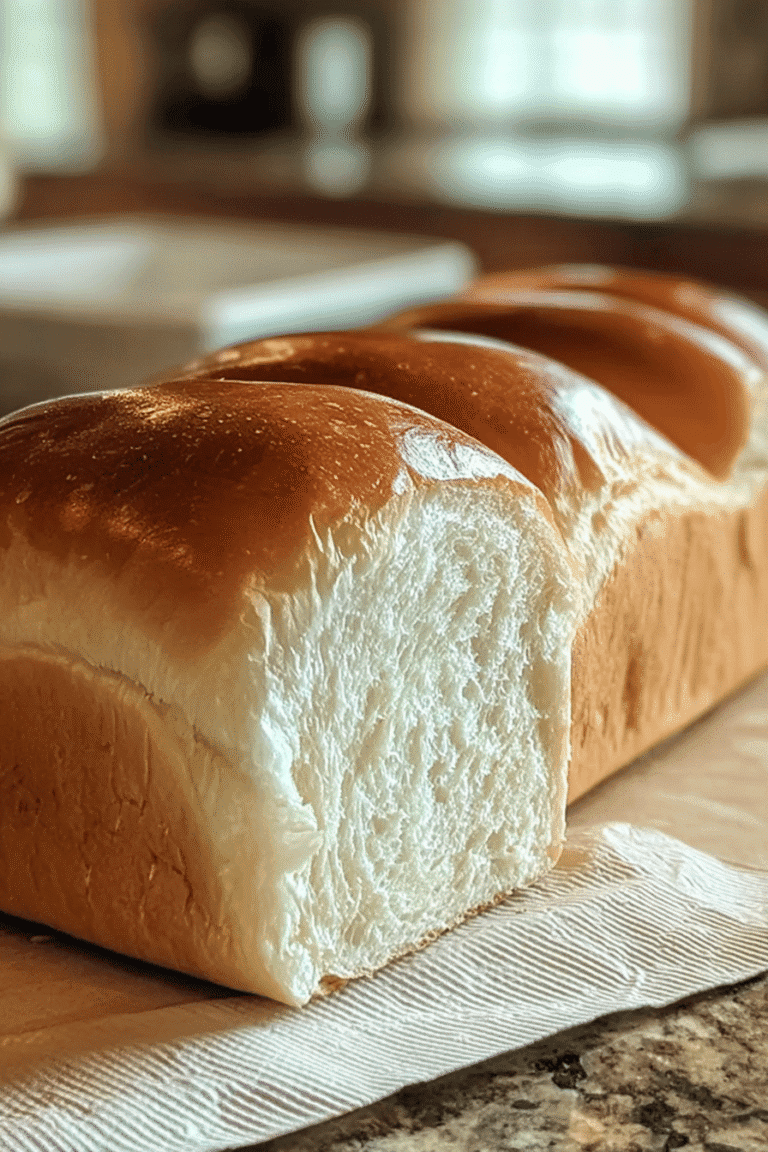
🍞 Enjoy the soft and fluffy texture of this classic Amish white bread, perfect for sandwiches or toast.
🌾 This recipe yields light, tender loaves that are simple to make and great for everyday baking.
- Total Time: 2 hours 50 minutes
- Yield: 1 loaf
Ingredients
– 1 cup lukewarm water (216 grams)
– 1 package active dry yeast (7 grams)
– 3 tablespoons sugar (50 grams)
– 1 large egg
– 2 tablespoons flavorless oil (20 grams)
– 3 1/2 cups bread flour (470 grams)
– 1 teaspoon fine sea salt (6 grams)
– Additional flour for dusting (a couple tablespoons, plus up to 1/3 cup total during kneading)
– Oil for greasing bowl
– Butter for brushing crust (optional, after baking)
Instructions
1-Let’s dive into making this Amish White Bread, where the real magic happens in the kitchen. Start by activating the yeast in a large bowl with lukewarm water at about 110°F; stir gently and let it sit for 5-15 minutes until you see foam, which means your yeast is ready to go. Once that’s bubbly, add the sugar, oil, and egg, breaking up the egg with a fork to mix everything smoothly.
2-Next, stir in the bread flour and salt to form a shaggy dough, then use your hands to shape it into a ball this part is fun and gets you right into the action. For the first rise, drizzle a little oil over the dough, pat it evenly, and cover the bowl with a damp towel or greased plastic wrap; let it rise in a warm spot until it’s doubled in size, about an hour.
3-After rising, sprinkle your counter with a couple tablespoons of flour and transfer the dough using closed fingers to keep it from sticking. Knead for 10-15 minutes, adding no more than 1/3 cup extra flour total, until it’s stretchy and passes the windowpane test that’s when you can stretch it thin without it tearing. Let the dough rest for 5 minutes, then shape it into a rectangle about as wide as your loaf pan, roll it up tightly, and pinch the seam closed.
4-Place the loaf seam-side down in a greased loaf pan lined with parchment paper and let it rise uncovered until the dough crowns about 1 to 1.5 inches above the rim, which takes 45 minutes to an hour. About 15-20 minutes before baking, preheat your oven to 400°F. Bake on the center rack for 25-30 minutes; if the crust browns too fast in the last 10 minutes, loosely tent it with foil. Once it’s done, check that the internal temperature hits 190°F, then let it cool in the pan for 5 minutes before turning it out onto a wire rack.
5-Brush the top with butter if you want a softer crust, and let it cool completely before slicing. This process, with prep time of 20 minutes, rise time of about 2 hours, bake time of 30 minutes, and total time around 2 hours and 50 minutes, makes for a rewarding baking session. For more ideas on using fresh bread, check out healthy breakfast bakes that pair perfectly with it.
Last Step:
Please leave a rating and comment letting us know how you liked this recipe! This helps our business to thrive and continue providing free, high-quality recipes for you.Notes
🌡 Use water around 110°F for yeast activation and keep ingredients at room temperature to ensure proper rising.
🤲 Handle dough gently with closed fingers during transfer and kneading to minimize stickiness.
❌ Avoid adding too much flour while kneading (max 1/3 cup) to prevent heavy or crumbly bread.
- Prep Time: 20 minutes
- Rise time: Approximately 2 hours (First rise ~1 hour + Second rise ~45-60 minutes)
- Cook Time: 30 minutes
- Category: Bread
- Method: Baking
- Cuisine: American
- Diet: Vegetarian
Nutrition
- Serving Size: 1 slice
- Calories: 331
- Sugar: 6g
- Sodium: 295mg
- Fat: 6g
- Saturated Fat: 1g
- Carbohydrates: 59g
- Fiber: 2g
- Protein: 9g