

Why You’ll Love This Alfredo Sauce
There is nothing quite like the rich, velvety texture of a homemade Alfredo sauce to transform a simple pasta dinner into something special. This creamy white sauce has been a beloved staple in Italian-American cuisine for generations, winning over hearts with its simple yet sophisticated flavor profile.
Ease of Preparation
This easy homemade Alfredo sauce comes together in just 10 minutes from start to finish, making it perfect for busy weeknights when you want something comforting but don’t have hours to spend in the kitchen. Unlike many other pasta sauces that require long simmering or complex techniques, authentic Alfredo sauce from scratch relies on just a handful of quality ingredients and minimal cooking time. The result is a restaurant-quality sauce that you can make faster than ordering takeout.
Health Benefits
While Alfredo sauce is certainly indulgent, using real, whole ingredients means you’re avoiding the preservatives, stabilizers, and excessive sodium often found in jarred versions. Parmesan cheese, the star ingredient, is packed with protein and calcium. When you control the ingredients, you can make adjustments to suit your dietary needs while still enjoying that luxurious creamy texture you crave.
Versatility
Creamy Alfredo sauce is incredibly versatile and pairs beautifully with more than just fettuccine. Try it with chicken, shrimp, or vegetables for a complete meal. It works as a decadent dipping sauce for breadsticks, adds richness to casseroles, and can even transform leftover roasted vegetables into a satisfying main dish. Once you master the basic recipe, you’ll find countless ways to incorporate this sauce into your meal rotation.
Distinctive Flavor
What sets this best homemade Alfredo sauce recipe apart is the perfect balance of buttery richness, sharp Parmesan, and subtle garlic notes. Unlike flour-based white sauces, this authentic Alfredo relies solely on the emulsion of butter, cream, and cheese for its body, resulting in a pure, unadulterated flavor that lets quality ingredients shine. The Italian seasoning adds a traditional herbal depth that complements the dairy without overpowering it.
Jump To
- 1. Why You’ll Love This Alfredo Sauce
- 2. Essential Ingredients for Alfredo Sauce
- 3. How to Prepare the Perfect Alfredo Sauce: Step-by-Step Guide
- 4. Dietary Substitutions to Customize Your Alfredo Sauce
- 5. Mastering Alfredo Sauce: Advanced Tips and Variations
- 6. How to Store Alfredo Sauce: Best Practices
- 7. FAQs: Frequently Asked Questions About Alfredo Sauce
- 8. Alfredo Sauce
Essential Ingredients for Alfredo Sauce
Making the perfect creamy Alfredo sauce starts with selecting the right ingredients. Each component plays a crucial role in achieving that silky texture and rich flavor that makes this sauce so irresistible. Let’s break down exactly what you’ll need and why each ingredient matters.
Main Ingredients
- 1/2 cup butter – The foundation of the sauce, providing richness and helping create the smooth emulsion that characterizes authentic Alfredo
- 1 1/2 cups heavy cream – Essential for the luxurious texture and proper thickness; heavy cream’s high fat content prevents the sauce from separating
- 2 teaspoons minced garlic – Adds aromatic depth and a subtle savory kick that balances the richness of the dairy
- 1/2 teaspoon Italian seasoning – A blend of dried herbs that adds traditional Italian flavor complexity
- 1/2 teaspoon salt – Enhances and brings together all the flavors while balancing the natural saltiness of the cheese
- 1/4 teaspoon black pepper – Provides a gentle spicy warmth that cuts through the creaminess
- 2 cups freshly grated parmesan cheese – The star ingredient that adds sharp, nutty flavor and helps thicken the sauce naturally
Special Dietary Options
One of the great things about this basic Alfredo sauce recipe is its adaptability. Here are some simple substitutions to accommodate various dietary needs:
Vegan Options
For a plant-based version, substitute the butter with vegan butter or olive oil, replace heavy cream with full-fat coconut cream or cashew cream, and use nutritional yeast combined with vegan Parmesan alternative for that cheesy flavor. The texture will be slightly different but still deliciously creamy.
Gluten-Free Choices
Good news! Traditional Alfredo sauce is naturally gluten-free since it contains no flour or other thickeners. Just be sure to check that all your ingredients, especially any pre-mixed Italian seasoning blends, are certified gluten-free.
Low-Calorie Alternatives
To lighten things up, you can substitute half-and-half or whole milk for some of the heavy cream, though this will result in a thinner sauce. Using less butter or a light butter alternative can also reduce calories while maintaining reasonable flavor. Adding pureed cauliflower can increase volume and creaminess without adding significant calories.
How to Prepare the Perfect Alfredo Sauce: Step-by-Step Guide
Creating a restaurant-quality Alfredo sauce at home is easier than you might think. The key is using the right technique and quality ingredients. Follow these detailed steps to ensure your sauce turns out perfectly smooth and creamy every single time.
First Step: Preparation and Mise en Place
Before you turn on the stove, gather all your ingredients and tools. For this recipe, you’ll need a large skillet or saucepan, a whisk, and a grater if you’re starting with a block of Parmesan cheese. It’s crucial to grate your cheese fresh from a block rather than using pre-shredded cheese, which contains anti-caking agents that prevent it from melting smoothly. Measure out your butter, cream, and seasonings so everything is ready to go. This preparation step, known as mise en place in professional kitchens, ensures smooth cooking without any last-minute scrambling.
When selecting your Parmesan, look for a wedge of authentic Parmigiano-Reggiano for the best flavor and melting properties. The cheese should feel firm and have a distinct aroma. If you’re serving this with pasta, start boiling your water now so everything will be ready at the same time. Having your pasta water salted and ready to go is important because you’ll want to toss the sauce with hot pasta immediately after making it.
Second Step: Melting the Butter and Cream
Place your large skillet over medium-low heat. Add the 1/2 cup of butter and let it melt gently. You want the butter to be completely liquid but not browned or sizzling. Once melted, pour in the 1 1/2 cups of heavy cream. It’s important to keep the heat at a low simmer throughout this process. High heat is the enemy of Alfredo sauce, as it can cause the dairy to separate or curdle.
Let the butter and cream mixture simmer gently for about 2 minutes. You’ll notice it starting to steam slightly, but it should not be boiling rapidly. Stir occasionally to ensure the butter and cream are fully incorporated. This initial heating step helps create the base emulsion that will hold everything together. The mixture should look homogeneous and slightly thicker than the cream alone.
Third Step: Adding Aromatics and Seasoning
Once your butter and cream have been simmering together for a couple of minutes, it’s time to add the flavor components. Add the 2 teaspoons of minced garlic to the pan, followed by the 1/2 teaspoon of Italian seasoning, 1/2 teaspoon of salt, and 1/4 teaspoon of black pepper. Whisk these ingredients into the hot cream mixture and let them cook for about 1 minute.
This brief cooking time is just enough to take the raw edge off the garlic and bloom the dried herbs in the hot fat, releasing their aromatic oils. The garlic should become fragrant but not browned, which would make it bitter. Keep whisking to prevent anything from sticking to the bottom of the pan. At this point, your kitchen should start smelling wonderful, with the buttery, creamy scent mingling with garlic and herbs.
Fourth Step: Incorporating the Parmesan Cheese
Now comes the most critical step: adding the cheese. Remove the pan from the heat source entirely before adding the Parmesan. This precaution prevents the sauce from overheating and separating. Add the 2 cups of freshly grated Parmesan cheese gradually, about 1/2 cup at a time, whisking constantly after each addition.
As the cheese hits the hot cream, it should begin to melt and incorporate smoothly. Continue whisking until all the cheese has been added and the sauce is completely smooth and free of lumps. The residual heat from the pan is sufficient to melt the cheese perfectly. If the cheese isn’t melting completely, you can return the pan to very low heat for just a moment, but keep whisking constantly and remove it as soon as the cheese is melted.
The sauce should now have a glossy appearance and coat the back of a spoon. It will be quite thick at this stage, which is exactly what you want. The consistency should be velvety and luxurious, with no graininess from the cheese. If you notice any graininess, it likely means the cheese was not fresh-grated or was added while the heat was too high.
Final Step: Resting and Serving
Allow your homemade Alfredo sauce to sit for 2 to 3 minutes off the heat before serving. This resting period is important for two reasons: first, it allows the sauce to thicken slightly as it cools, reaching that perfect coating consistency; second, it lets the flavors meld together more fully.
During this time, the sauce will continue to cook slightly from its residual heat, so keep an eye on it. If it becomes too thick, you can always thin it with a splash of pasta water or additional cream. When you’re ready to serve, immediately toss the sauce with hot, cooked pasta. The starch from the pasta helps the sauce cling beautifully to every strand.
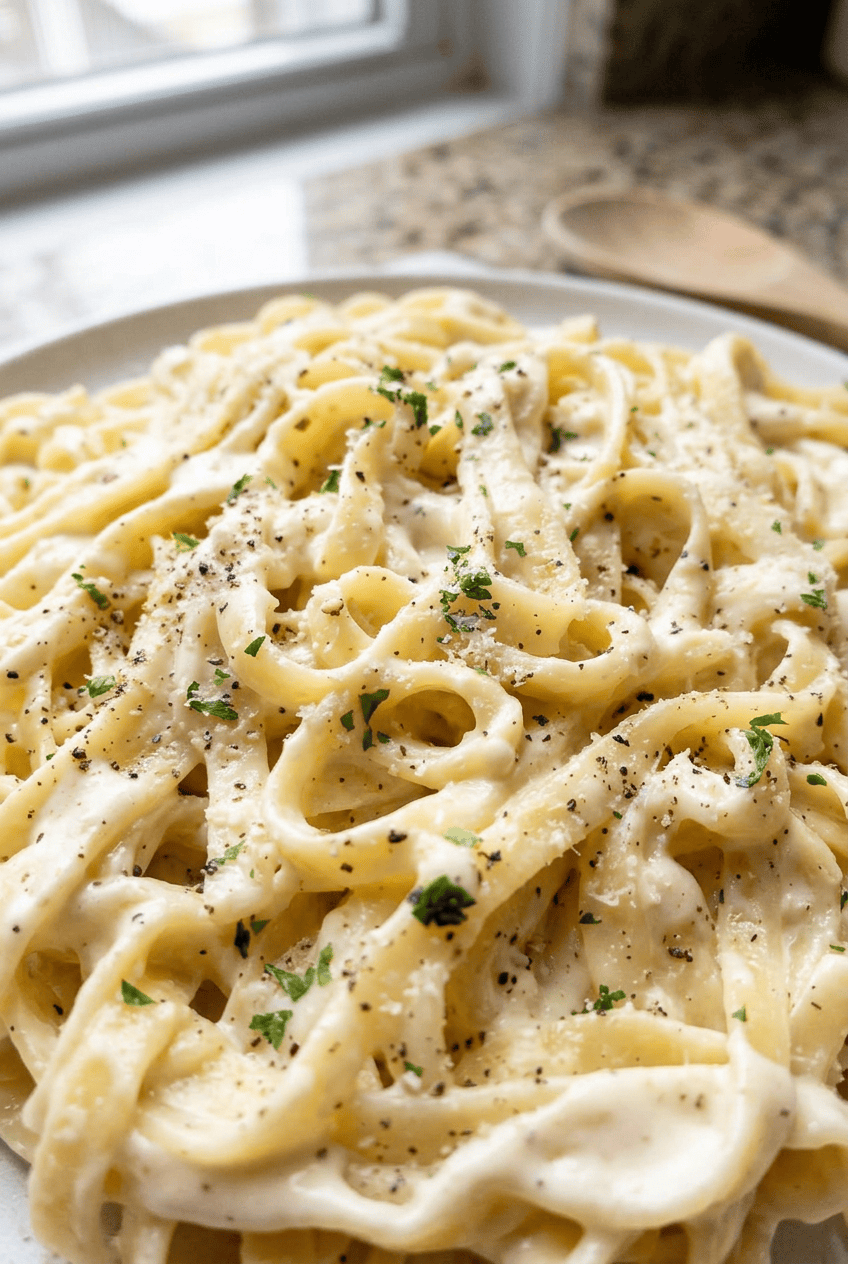
For an elegant presentation, garnish with additional grated Parmesan, fresh parsley, or even a crack of black pepper. This sauce pairs wonderfully with grilled chicken, sautéed shrimp, or roasted vegetables for a complete meal. Serve immediately while hot for the best experience.
Dietary Substitutions to Customize Your Alfredo Sauce
One of the beautiful things about mastering a basic Alfredo sauce recipe is learning how to adapt it to your specific dietary needs or ingredient preferences. Whether you’re cooking for someone with allergies, trying to eat healthier, or simply working with what you have in your pantry, these substitutions will help you create delicious variations while maintaining that beloved creamy essence.
Protein and Main Component Alternatives
While traditional Alfredo is a vegetarian sauce, many home cooks love to add protein to make it a complete meal. Grilled chicken is the classic addition, and for good reason. The mild, savory flavor of chicken pairs perfectly with the rich sauce without competing for attention. Simply season chicken breasts with salt, pepper, and Italian herbs, then grill or pan-sear until cooked through. Slice and add to your pasta just before tossing with the sauce.
For seafood lovers, shrimp makes an excellent pairing with Alfredo. The sweetness of shrimp complements the creaminess beautifully. Sauté shrimp in butter with garlic until pink and opaque, then fold them into the finished sauce. You could also use cooked crab meat or even salmon for a delicious variation.
Vegetarian protein options include sautéed mushrooms, which add wonderful umami flavor and meaty texture. Portobello mushrooms work particularly well here. You might also add white beans or chickpeas for plant-based protein that soaks up the creamy sauce beautifully. For a non-traditional but delicious option, try adding crispy bacon or pancetta for a smoky, salty contrast to the rich sauce.
Vegetable, Sauce, and Seasoning Modifications
Adding vegetables to your Alfredo sauce not only boosts the nutritional value but also adds color, texture, and flavor. Broccoli florets blanched until tender-crisp make a classic addition, as do peas for their pop of sweetness. Fresh spinach wilts beautifully into the hot sauce, adding nutrients without overpowering the flavor. Sautéed zucchini or asparagus also work wonderfully when cut into bite-sized pieces.
If you want to modify the sauce itself, consider adding a splash of white wine or lemon juice for brightness that cuts through the richness. A pinch of nutmeg is a traditional addition that adds subtle warmth and depth. For those who enjoy a bit of heat, red pepper flakes can provide a lovely contrast to the creaminess.
Experimenting with herbs can also yield delicious results. While Italian seasoning is traditional, fresh basil adds sweetness, and thyme contributes earthy notes. For a variation on the classic, try incorporating sun-dried tomatoes or roasted red peppers. These add both flavor and visual appeal to the dish.
If you’re looking to pair your Alfredo with something special, check out our crispy fried chicken recipe for a comforting combination, or try serving it alongside garlic butter grilled mushrooms for an extra savory kick.
Mastering Alfredo Sauce: Advanced Tips and Variations
Once you’ve mastered the basic technique for homemade Alfredo sauce, there are several professional tips and creative variations that can take your sauce from good to extraordinary. These insights will help you troubleshoot common issues and customize the recipe to suit your taste perfectly.
Pro Cooking Techniques
The temperature at which you cook your sauce is perhaps the most critical factor for success. Too much heat causes dairy to separate, resulting in a grainy, oily sauce rather than a smooth emulsion. Always maintain a gentle simmer and never let the sauce come to a rolling boil. If you notice the sauce starting to separate, immediately remove it from heat and whisk vigorously to try to bring it back together.
Another professional technique is to temper your cheese before adding it. While our recipe adds cheese off heat, some chefs recommend bringing a small amount of the hot cream to the cheese first to warm it gradually before incorporating it back into the main sauce. This can help prevent seizing and ensure smooth melting every time.
The quality of your ingredients truly matters in such a simple recipe. European-style butter with higher butterfat content creates a richer sauce, and authentic Parmigiano-Reggiano aged 24 months has superior melting properties and more complex flavor than younger cheeses. Investing in quality ingredients makes a noticeable difference in the final result.
Flavor Variations
While classic Alfredo is delicious on its own, there are many ways to customize the flavor profile. For a smoky version, add a tablespoon of smoked paprika or some crispy bacon. A truffle Alfredo, made by adding truffle oil or truffle butter, transforms the simple sauce into something luxurious and sophisticated.
Herb variations are endless. Try fresh tarragon for a slight anise flavor, or add roasted garlic instead of raw for a sweeter, milder taste. For a spicy kick, incorporate Calabrian chili paste or diced jalapeños. Lemon Alfredo, brightened with lemon zest and juice, offers a refreshing twist on the traditional heavy version.
Cheese variations can also yield interesting results. While Parmesan is traditional, adding some Pecorino Romano introduces sharper, saltier notes. A blend of Parmesan and Gruyère creates a more complex flavor profile. For an even richer sauce, a small amount of cream cheese or mascarpone can be incorporated.
Presentation Tips
Plating your Alfredo beautifully elevates the dining experience. Twirl pasta using a carving fork or tongs to create neat mounds on the plate, leaving a well in the center where you can spoon additional sauce. This technique ensures each serving looks elegant and restaurant-worthy.
Garnishes add both visual appeal and flavor contrast. Freshly chopped parsley or basil adds color, while additional grated Parmesan on top creates an appealing texture. A crack of black pepper or a sprinkle of red pepper flakes not only looks professional but signals to guests what flavors to expect. For a special occasion, consider serving with shaved Parmesan ribbons using a vegetable peeler.
Make-Ahead Options
While Alfredo sauce is best made fresh, you can prepare components ahead of time to streamline the process. Grate your cheese in advance and store it in an airtight container in the refrigerator. Measure out your cream and seasonings beforehand so everything is ready to go. Mince your garlic up to a day ahead and store it covered with olive oil to prevent drying out.
If you want to batch cook the sauce itself, it will keep in the refrigerator for 3-5 days. However, it will thicken considerably when cold. Reheat gently on the stovetop with a splash of additional cream or milk to restore the proper consistency. Avoid reheating in the microwave, which can cause uneven heating and separation. Freezing is possible but may slightly affect the texture, though it will still be delicious.
How to Store Alfredo Sauce: Best Practices
Proper storage is essential for maintaining the quality and safety of your homemade Alfredo sauce. Because this sauce contains dairy products, following correct storage guidelines ensures it stays fresh and delicious for as long as possible while preventing foodborne illness. Here’s everything you need to know about storing your sauce.
Refrigeration Guidelines
Homemade Alfredo sauce should be refrigerated within two hours of cooking. Place the cooled sauce in an airtight container, preferably glass, which won’t absorb odors or stains. Press a piece of plastic wrap directly onto the surface of the sauce before sealing the container to minimize air exposure, which can cause the sauce to form a skin or oxidize. Properly stored, your Alfredo sauce will keep in the refrigerator for 3 to 5 days.
Before refrigerating, allow the sauce to cool to room temperature, but don’t leave it out longer than two hours total. Putting hot containers directly into the refrigerator can raise the internal temperature of your appliance, potentially affecting other foods. If you’re in a hurry, you can place the container of hot sauce in an ice water bath to cool it more quickly before refrigerating.
When you’re ready to use refrigerated sauce, you’ll notice it has thickened significantly. This is normal. Reheating properly will restore the creamy consistency. Check the sauce for signs of spoilage before using: off odors, mold growth, or separation that won’t re-emulsify are indications that the sauce should be discarded.
Freezing Techniques
Freezing Alfredo sauce is possible for longer storage, though the texture may change slightly upon thawing. The dairy can sometimes separate, causing a slightly grainy consistency, but the flavor will remain excellent. To freeze, portion the sauce into freezer-safe containers or heavy-duty freezer bags, leaving about an inch of space at the top to allow for expansion. Label each container with the date and contents.
Freeze the sauce for up to 2 months for best quality. For smaller portions, consider freezing in ice cube trays, then transferring the frozen cubes to a freezer bag. This allows you to thaw only what you need for a single serving. When you’re ready to use frozen sauce, transfer it to the refrigerator to thaw overnight. Never thaw at room temperature, as this encourages bacterial growth.
Reheating Best Practices
Proper reheating is crucial for maintaining the quality of your Alfredo sauce. The stovetop method yields the best results. Place the sauce in a saucepan over low heat and stir frequently. If the sauce seems too thick after refrigeration or freezing, add a small amount of cream, milk, or even pasta water to thin it to the desired consistency. Continue stirring until heated through.
Avoid reheating Alfredo sauce in the microwave if possible, as it heats unevenly and is more likely to separate or curdle. If you must use a microwave, heat in short intervals at 50% power, stirring between each interval. Regardless of the method, never let the sauce boil during reheating, as this will cause the dairy to break down.
For safety, ensure the sauce reaches an internal temperature of 165°F when reheating. If you’re adding the sauce to pasta, consider reheating them together by placing the cold pasta in a pan, adding a splash of water, covering, and heating gently. This method helps the pasta absorb the sauce as it reheats.
Meal Prep Considerations
Alfredo sauce lends itself well to meal prepping for the week ahead. Consider making a double batch on Sunday and portioning it out for easy weeknight meals. You might pair it with pre-cooked grilled chicken strips and frozen vegetables for a complete meal that comes together in minutes.
For meal prep purposes, slightly undercook your pasta if you’re planning to combine it with sauce for storage. The pasta will continue to absorb liquid as it sits, and slightly undercooked pasta will reach perfect texture when reheated. Store pasta and sauce separately if possible, combining just before serving for the best texture and consistency.
Label all meal prep containers clearly with contents and date. When planning your meals, consider that Alfredo sauce pairs well with a variety of proteins and vegetables, giving you flexibility throughout the week. A batch of sauce can transform into several different meals with simple additions.
FAQs: Frequently Asked Questions About Alfredo Sauce
What is Alfredo sauce?
Alfredo sauce is a classic Italian-American cream sauce known for its rich, velvety texture. Traditional versions start with just three main ingredients: unsalted butter, heavy whipping cream, and freshly grated Parmesan cheese. This simple combination creates a smooth, cheesy coating perfect for pasta like fettuccine. Many home cooks add garlic, black pepper, nutmeg, or Italian herbs for extra depth. Unlike tomato-based sauces, Alfredo relies on gentle simmering to thicken naturally without flour or cornstarch. It’s quick to prepare, ready in under 10 minutes, and pairs well with chicken, shrimp, or vegetables. Fun fact: The original “Fettuccine Alfredo” was created in Rome in 1914 by Alfredo di Lelio using only butter and cheese, but the creamy U.S. version became popular in the 1920s. Always use real Parmesan for authentic flavor—avoid pre-grated for best results. (112 words)
What ingredients are in homemade Alfredo sauce?
A basic homemade Alfredo sauce recipe calls for ½ cup unsalted butter, 1½ cups heavy whipping cream, 2 cups freshly grated Parmesan cheese, 2-3 minced garlic cloves, salt, black pepper, and optional nutmeg. Start with high-quality ingredients: real Parmigiano-Reggiano grates smoother and melts better than processed cheese. Heavy cream provides the ideal fat content for thickness—half-and-half works but may need longer simmering. Butter should be European-style for higher butterfat. For 1 pound of pasta, this yields about 2 cups of sauce. Measurements scale easily: double for larger batches. Pro tip: Grate cheese fresh right before use to prevent graininess. This keeps the sauce gluten-free and low-carb, with roughly 150 calories per ¼ cup serving. Customize with lemon zest for brightness or cream cheese for extra creaminess. (128 words)
How do you make Alfredo sauce from scratch?
Melt ½ cup butter in a saucepan over low-medium heat. Add 2 minced garlic cloves and cook 1 minute until fragrant. Pour in 1½ cups heavy cream, season with ½ tsp salt, ¼ tsp pepper, and a pinch of nutmeg. Simmer gently 2-3 minutes until slightly thickened—do not boil. Remove from heat, stir in 2 cups freshly grated Parmesan cheese until fully melted and smooth, about 1-2 minutes. If too thin, let rest 2 minutes off heat. Toss immediately with hot, drained pasta to coat evenly. Total time: 10 minutes. Serves 4-6. Common mistake: high heat causes separation—keep it low. For pasta, reserve ½ cup pasta water to thin if needed. This method beats jarred versions for freshness and control. Store leftovers in fridge up to 3 days; reheat gently with milk. (132 words)
How can I thicken Alfredo sauce?
If your Alfredo sauce is too thin, first let it sit off heat for 2-3 minutes—the Parmesan and cream will continue to set. Avoid boiling, as it can curdle the dairy. For more thickness, simmer an extra 1-2 minutes on low while stirring, or add 1-2 tbsp more grated Parmesan gradually. A cornstarch slurry (1 tsp cornstarch + 1 tbsp cream) works without altering taste—whisk in and cook 1 minute. Cream cheese (1-2 tbsp) adds body too. Reduce cream quantity next time for denser results. Freshly grated cheese melts better than pre-shredded, which has anti-caking agents causing graininess. Test thickness by coating the back of a spoon—it should hold a clean line when wiped. Over 70% of home cooks face this issue due to rushed cooking; patience is key. Pairs best with fettuccine to cling properly. Reheat slowly with splash of milk. (124 words)
How long does homemade Alfredo sauce last?
Homemade Alfredo sauce lasts 3-5 days in an airtight container in the fridge. Dairy content makes it prone to spoilage—check for sour smell or mold before use. Do not leave at room temp over 2 hours. For longer storage, freeze in portions up to 2 months; thaw overnight in fridge and reheat gently on stovetop with 1-2 tbsp milk or cream to restore creaminess—microwaving often separates it. Avoid refreezing. Label bags with date. A standard 2-cup batch covers 1 lb pasta; freeze extras for quick weeknight meals. Safety note: Reheat to 165°F. Many waste sauce due to improper storage; airtight glass jars preserve best. Link to our pasta storage guide for tips. Nutritional perk: One serving has 20g protein from cheese. Vegan alternative? Use cashew cream and nutritional yeast—lasts similarly. (118 words)

Alfredo Sauce
🍝🧀 Discover the creamiest, most indulgent homemade Alfredo sauce that transforms simple pasta into a restaurant-quality meal!
😋 Ready in just 10 minutes with fresh ingredients, it’s far superior to store-bought for ultimate flavor and texture.
- Total Time: 10 minutes
- Yield: 4 servings (2 cups sauce)
Ingredients
– 1/2 cup butter
– 1 1/2 cups heavy cream
– 2 teaspoons minced garlic
– 1/2 teaspoon Italian seasoning
– 1/2 teaspoon salt
– 1/4 teaspoon black pepper
– 2 cups freshly grated parmesan cheese
Instructions
1-First Step: Preparation and Mise en Place Before you turn on the stove, gather all your ingredients and tools. For this recipe, you’ll need a large skillet or saucepan, a whisk, and a grater if you’re starting with a block of Parmesan cheese. It’s crucial to grate your cheese fresh from a block rather than using pre-shredded cheese, which contains anti-caking agents that prevent it from melting smoothly. Measure out your butter, cream, and seasonings so everything is ready to go. This preparation step, known as mise en place in professional kitchens, ensures smooth cooking without any last-minute scrambling. When selecting your Parmesan, look for a wedge of authentic Parmigiano-Reggiano for the best flavor and melting properties. The cheese should feel firm and have a distinct aroma. If you’re serving this with pasta, start boiling your water now so everything will be ready at the same time. Having your pasta water salted and ready to go is important because you’ll want to toss the sauce with hot pasta immediately after making it.
2-Second Step: Melting the Butter and Cream Place your large skillet over medium-low heat. Add the 1/2 cup of butter and let it melt gently. You want the butter to be completely liquid but not browned or sizzling. Once melted, pour in the 1 1/2 cups of heavy cream. It’s important to keep the heat at a low simmer throughout this process. High heat is the enemy of Alfredo sauce, as it can cause the dairy to separate or curdle. Let the butter and cream mixture simmer gently for about 2 minutes. You’ll notice it starting to steam slightly, but it should not be boiling rapidly. Stir occasionally to ensure the butter and cream are fully incorporated. This initial heating step helps create the base emulsion that will hold everything together. The mixture should look homogeneous and slightly thicker than the cream alone.
3-Third Step: Adding Aromatics and Seasoning Once your butter and cream have been simmering together for a couple of minutes, it’s time to add the flavor components. Add the 2 teaspoons of minced garlic to the pan, followed by the 1/2 teaspoon of Italian seasoning, 1/2 teaspoon of salt, and 1/4 teaspoon of black pepper. Whisk these ingredients into the hot cream mixture and let them cook for about 1 minute. This brief cooking time is just enough to take the raw edge off the garlic and bloom the dried herbs in the hot fat, releasing their aromatic oils. The garlic should become fragrant but not browned, which would make it bitter. Keep whisking to prevent anything from sticking to the bottom of the pan. At this point, your kitchen should start smelling wonderful, with the buttery, creamy scent mingling with garlic and herbs.
4-Fourth Step: Incorporating the Parmesan Cheese Now comes the most critical step: adding the cheese. Remove the pan from the heat source entirely before adding the Parmesan. This precaution prevents the sauce from overheating and separating. Add the 2 cups of freshly grated Parmesan cheese gradually, about 1/2 cup at a time, whisking constantly after each addition. As the cheese hits the hot cream, it should begin to melt and incorporate smoothly. Continue whisking until all the cheese has been added and the sauce is completely smooth and free of lumps. The residual heat from the pan is sufficient to melt the cheese perfectly. If the cheese isn’t melting completely, you can return the pan to very low heat for just a moment, but keep whisking constantly and remove it as soon as the cheese is melted. The sauce should now have a glossy appearance and coat the back of a spoon. It will be quite thick at this stage, which is exactly what you want. The consistency should be velvety and luxurious, with no graininess from the cheese. If you notice any graininess, it likely means the cheese was not fresh-grated or was added while the heat was too high.
5-Final Step: Resting and Serving Allow your homemade Alfredo sauce to sit for 2 to 3 minutes off the heat before serving. This resting period is important for two reasons: first, it allows the sauce to thicken slightly as it cools, reaching that perfect coating consistency; second, it lets the flavors meld together more fully. During this time, the sauce will continue to cook slightly from its residual heat, so keep an eye on it. If it becomes too thick, you can always thin it with a splash of pasta water or additional cream. When you’re ready to serve, immediately toss the sauce with hot, cooked pasta. The starch from the pasta helps the sauce cling beautifully to every strand. For an elegant presentation, garnish with additional grated Parmesan, fresh parsley, or even a crack of black pepper. This sauce pairs wonderfully with grilled chicken, sautéed shrimp, or roasted vegetables for a complete meal. Serve immediately while hot for the best experience.
Last Step:
Please leave a rating and comment letting us know how you liked this recipe! This helps our business to thrive and continue providing free, high-quality recipes for you.Notes
🧀 Grate parmesan from a block for the smoothest, creamiest texture.
📏 This recipe yields about 2 cups; double for larger batches.
🔥 Use low heat throughout to prevent the sauce from separating.
- Prep Time: 5 minutes
- Cook Time: 5 minutes
- Category: Sauce
- Method: Stovetop
- Cuisine: Italian
- Diet: Vegetarian
Nutrition
- Serving Size: 1/2 cup
- Calories: 535 kcal
- Sugar: 3g
- Sodium: 950mg
- Fat: 50g
- Saturated Fat: 30g
- Unsaturated Fat: 18g
- Trans Fat: 1g
- Carbohydrates: 10g
- Fiber: 0g
- Protein: 15g
- Cholesterol: 150mg


