

Why You’ll Love This Homemade Spaghetti Sauce
There is something truly special about a homemade spaghetti sauce that simmers on the stove, filling the kitchen with inviting aromas. While jarred sauces are convenient, they simply cannot compete with the fresh, robust flavor of a sauce made from scratch. This recipe has become a staple in my kitchen because it strikes the perfect balance between simplicity and incredible taste. It is the kind of meal that brings everyone to the table, eager to dig into a hearty bowl of pasta.
Ease of preparation
One of the best things about this homemade spaghetti sauce is how incredibly easy it is to make. You do not need to spend hours in the kitchen to achieve a restaurant-quality result. With a prep time of just 10 minutes and a cook time of 30 minutes, you can have a delicious dinner on the table in under an hour. The steps are straightforward, making it accessible for cooks of all skill levels, from beginners just learning their way around the kitchen to seasoned pros looking for a quick weeknight meal.
Health benefits
Making your own sauce allows you to control exactly what goes into your food, which is a huge win for your health. This recipe provides a good source of protein, thanks to the ground beef, and is packed with vitamins from the tomatoes. With lycopene-rich tomatoes as the base, you are getting a powerful antioxidant that supports overall wellness. Plus, by using fresh ingredients and avoiding the preservatives often found in store-bought versions, you are treating your body to a cleaner, more nutritious meal. Each serving offers a satisfying balance of nutrients to keep you fueled and happy.
Versatility
This homemade spaghetti sauce is remarkably versatile and can adapt to suit various dietary needs and preferences. Whether you are feeding a crowd of meat lovers or looking for a way to sneak more vegetables into your family’s diet, this sauce has you covered. It serves as an excellent base for other pasta dishes like lasagna or baked ziti. You can easily customize it with different vegetables or adjust the level of heat to suit everyone’s taste buds. It is a forgiving recipe that encourages creativity, so you can make it your own.
Distinctive flavor
The flavor profile of this sauce is what truly sets it apart. The combination of tomato paste and sauce creates a rich, thick consistency that clings perfectly to every strand of spaghetti. The addition of Italian seasoning, parsley, and garlic powder provides a classic herbaceous kick, while a touch of sugar balances the acidity of the tomatoes. A splash of Worcestershire sauce adds a depth of umami that makes the savory notes pop. It is a well-rounded flavor that tastes like it has been cooking all day, even though it comes together quickly. If you love a robust meat sauce, you might also enjoy this recipe for TikTok Spaghetti, which offers a fun twist on a classic dish.
Jump To
- 1. Why You’ll Love This Homemade Spaghetti Sauce
- 2. Essential Ingredients for Homemade Spaghetti Sauce
- 3. How to Prepare the Perfect Homemade Spaghetti Sauce: Step-by-Step Guide
- 4. Dietary Substitutions to Customize Your Homemade Spaghetti Sauce
- 5. Mastering Homemade Spaghetti Sauce: Advanced Tips and Variations
- 6. How to Store Homemade Spaghetti Sauce: Best Practices
- 7. FAQs: Frequently Asked Questions About Homemade Spaghetti Sauce
- 8. Homemade Spaghetti Sauce
Essential Ingredients for Homemade Spaghetti Sauce
Creating a delicious homemade spaghetti sauce starts with gathering the right ingredients. Each component plays a vital role in building the flavor and texture of the final dish. Here is everything you will need to make this family favorite, along with why each ingredient matters.
Ingredients List
- 1 pound ground beef (or ½ pound ground Italian sausage and ½ pound ground beef)
- Salt and pepper to taste
- 1 medium onion, chopped
- 15 ounces tomato sauce
- 6 ounces tomato paste
- ½ teaspoon Italian seasoning
- 1 tablespoon parsley
- 1 teaspoon garlic powder
- Crushed red pepper to taste
- 1 tablespoon Worcestershire sauce
- 1 tablespoon sugar
- 1 cup water
- ¼ cup chopped fresh basil (optional, for serving)
Main Ingredients
- 1 pound ground beef – This provides the hearty, savory base of the sauce. You can also use a mix of Italian sausage and beef for extra flavor.
- Salt and pepper to taste – Essential seasonings that bring out the natural flavors of the meat and vegetables.
- 1 medium onion, chopped – Adds sweetness and depth to the sauce, balancing the acidity of the tomatoes.
- 15 ounces tomato sauce – The liquid base of the sauce that provides body and a classic tomato flavor.
- 6 ounces tomato paste – Concentrated tomato flavor that thickens the sauce and makes it rich.
- ½ teaspoon Italian seasoning – A blend of dried herbs like oregano, thyme, and rosemary that gives the sauce its Italian flair.
- 1 tablespoon parsley – Adds a fresh, mild flavor and a pop of green color to the dish.
- 1 teaspoon garlic powder – Provides a convenient, consistent garlic flavor without the need for mincing fresh cloves.
- Crushed red pepper to taste – Adds a subtle heat that can be adjusted based on your spice preference.
- 1 tablespoon Worcestershire sauce – A secret ingredient that adds umami and complexity to the sauce.
- 1 tablespoon sugar – Helps to neutralize the acidity of the tomatoes and rounds out the flavor.
- 1 cup water – Thins the sauce to the perfect consistency and helps it simmer evenly.
Special Dietary Options
This recipe is quite adaptable, making it easy to accommodate different dietary needs without sacrificing taste.
- Gluten-free: To make this homemade spaghetti sauce gluten-free, simply ensure that your Worcestershire sauce is labeled gluten-free, as some brands contain wheat. Serve it over your favorite gluten-free pasta, and you have a safe and delicious meal for those with gluten sensitivities.
- Vegan: While this recipe relies on ground beef for protein, you can easily substitute plant-based ground meat crumbles or lentils. Use a vegan Worcestershire sauce alternative to keep the flavor profile intact.
- Low-calorie: For a lighter version, use lean ground beef or turkey and reduce the amount of tomato paste slightly to lower the calorie count while maintaining a delicious flavor.
How to Prepare the Perfect Homemade Spaghetti Sauce: Step-by-Step Guide
Now that we have our ingredients ready, let’s walk through the process of making this incredible homemade spaghetti sauce. Follow these simple steps, and you will have a pot of bubbling, savory sauce ready to serve in no time. The key is to take your time with the browning process and let the sauce simmer to develop those deep, rich flavors.
First Step: Preparation and Seasoning
Start by gathering all your ingredients so everything is within reach. This is often called mise en place, and it makes cooking so much smoother. Take your 1 pound of ground beef and place it in a large mixing bowl or directly into your skillet. Season it generously with salt and pepper to taste. This initial seasoning ensures the meat itself is flavorful, not just the sauce it cooks in. If you prefer a meat blend, go ahead and mix your ½ pound ground Italian sausage with ½ pound ground beef at this stage for a little extra zest.
Second Step: Browning the Beef and Onions
Place your large skillet over medium-high heat. There is no need to add oil if you are using a fattier beef, but you can add a splash of olive oil if your meat is very lean. Add the seasoned beef to the pan. Use a wooden spoon or spatula to break the meat up into small crumbles as it cooks. This helps the meat brown evenly and distributes it throughout the sauce.
Once the meat has started to brown, add your 1 medium chopped onion to the skillet. Continue cooking until the beef is fully browned and the onions are soft and translucent. This usually takes about 5 to 7 minutes. Once cooked, you will want to drain the excess grease from the skillet. This step is crucial for reducing the fat content and preventing the sauce from becoming too oily. I like to tilt the pan and carefully spoon out the grease, or you can use a colander to drain the meat and onion mixture before returning it to the pot. Understanding the fat content of your beef can help you decide how much grease to drain.
Third Step: Building the Sauce Base
With your meat browned and drained, it is time to turn this mixture into a sauce. Lower the heat to medium. To the skillet, add the 15 ounces of tomato sauce and the 6 ounces of tomato paste. The tomato paste is concentrated, so it will thicken things up quickly.
Now, add all your dried herbs and spices. Toss in the ½ teaspoon of Italian seasoning, the 1 tablespoon of parsley, and the 1 teaspoon of garlic powder. Don’t forget the crushed red pepper if you like a little kick. Add the 1 tablespoon of Worcestershire sauce for that savory depth and the 1 tablespoon of sugar to balance the acidity.
Stir everything together thoroughly. Make sure the tomato paste is fully dissolved into the sauce so you don’t have any clumps. Bring the mixture to a gentle boil, stirring constantly to ensure nothing sticks to the bottom of the pan. You will start to smell the wonderful aromas blending together already.
Fourth Step: Simmering to Perfection
Once the sauce reaches a boil, it is time to add the 1 cup of water. Pour it in and stir well to combine. The water helps thin the sauce slightly and allows it to simmer without drying out. Reduce the heat to low and cover the skillet with a lid, leaving it slightly ajar to let steam escape.
Let the homemade spaghetti sauce simmer for at least 30 minutes. This simmering time is where the magic happens. It allows the flavors to meld together and the sauce to thicken nicely. If you have the time, simmering it longer even up to an hour or more will only improve the depth of flavor. Stir the sauce occasionally to prevent it from sticking. As it simmers, the tomatoes will break down further, and the seasonings will infuse the meat.
Final Step: Serving and Enjoying
After the sauce has simmered and thickened to your liking, it is ready to serve. Taste the sauce and adjust the salt or pepper if needed. If you decided to use fresh basil, now is the time to stir in the ¼ cup of chopped fresh basil. This adds a lovely burst of freshness that brightens the whole dish.
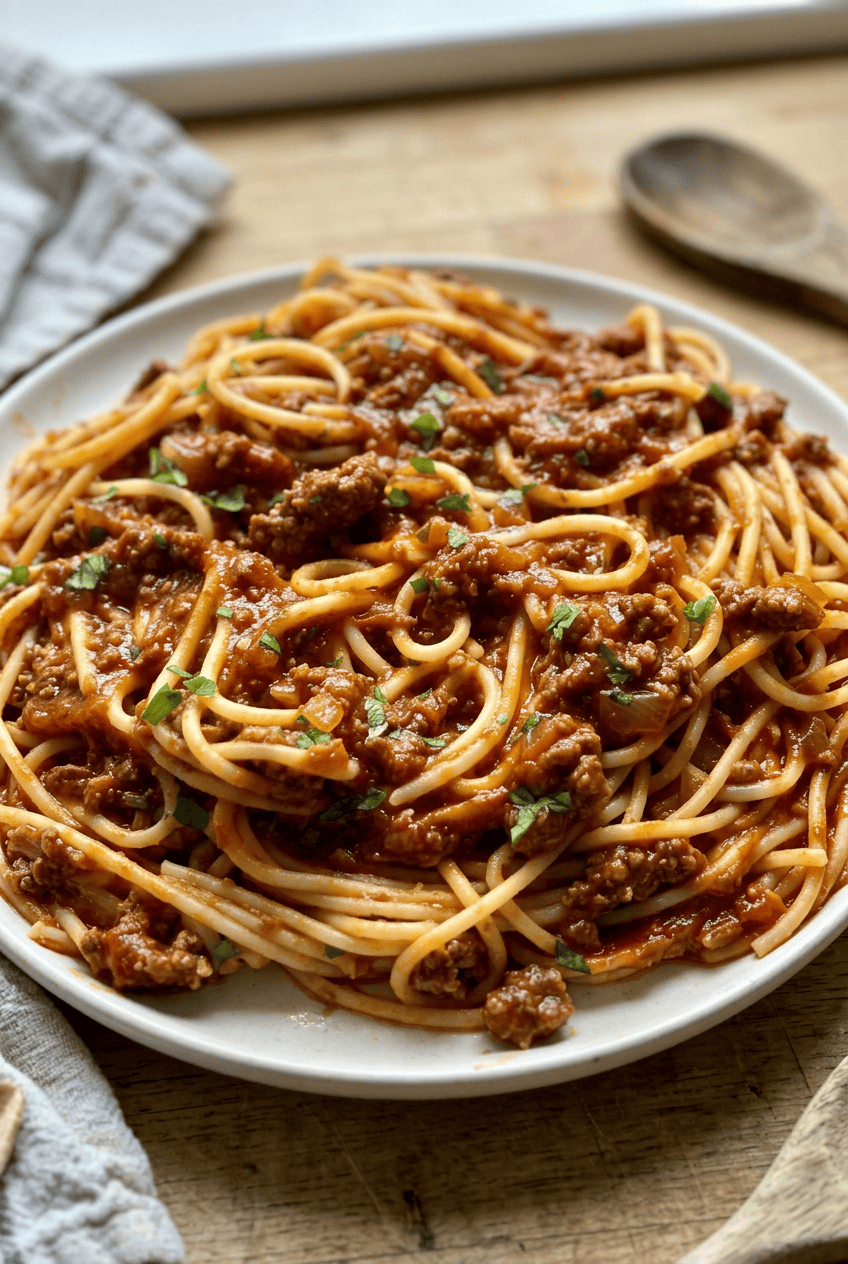
Serve your homemade spaghetti sauce hot over a bed of al dente spaghetti noodles. It also works wonderfully in lasagna or over other pasta shapes. For a complete meal, pair it with a side of Hot Water Cornbread to soak up every last drop of that delicious sauce. Gather your family around the table and enjoy a comforting, home-cooked meal made with love.
Dietary Substitutions to Customize Your Homemade Spaghetti Sauce
One of the joys of cooking at home is the ability to tweak recipes to fit your specific dietary needs or simply to use what you have in your pantry. This homemade spaghetti sauce is incredibly forgiving and adaptable. Here are some ways you can customize it to suit your preferences.
Protein and Main Component Alternatives
While ground beef is the traditional choice for spaghetti sauce, there are plenty of other options if you want to switch things up. If you are looking for a leaner protein, ground turkey or chicken works beautifully. They absorb the flavors of the sauce just as well and result in a lighter dish. For a richer flavor, try using a mix of ground pork and beef, or go all in with Italian sausage as mentioned in the ingredients list.
For those following a plant-based diet, you can substitute the meat entirely. Lentils, either brown or green, make an excellent hearty addition. Simply cook them until tender and add them to the sauce. You can also use commercially available plant-based ground crumbles that mimic the texture of beef. These options ensure that everyone can enjoy a delicious bowl of spaghetti, regardless of their dietary choices.
Vegetable, Sauce, and Seasoning Modifications
Boosting the nutritional content of your sauce is easy with a few simple vegetable additions. Finely chopped mushrooms, bell peppers, carrots, or even spinach can be sautéed along with the onions. These veggies add vitamins, fiber, and extra flavor without overpowering the sauce. It is a great way to sneak in some greens for picky eaters.
If you want to experiment with the taste, consider using different tomato products. Canned crushed tomatoes or diced tomatoes with their juice can be used instead of plain tomato sauce for a chunkier texture. You can also play with the herbs; fresh oregano or thyme can be used in place of some of the dried Italian seasoning for a brighter flavor profile. A splash of red wine can also be added during the simmering process to add complexity and depth to the sauce.
Mastering Homemade Spaghetti Sauce: Advanced Tips and Variations
Once you have mastered the basic recipe, you might want to try a few advanced techniques to take your homemade spaghetti sauce to the next level. These tips will help you achieve professional results right in your own kitchen.
Pro cooking techniques
For a smoother sauce texture, try browning your beef very finely. After browning the meat and onions, you can pulse the mixture in a food processor once or twice. This breaks down the meat into smaller crumbles without turning it into a paste, resulting in a sauce that coats the pasta more evenly. Another pro tip is to bloom your spices. Add your garlic powder and Italian seasoning to the pan for just 30 seconds after draining the grease and before adding the liquids. This releases their essential oils and intensifies their flavor.
Flavor variations
Don’t be afraid to get creative with your flavor combinations. If you like a smoky taste, try adding a teaspoon of smoked paprika or a drop of liquid smoke. For a creamy sauce, stir in a half cup of heavy cream or a dollop of cream cheese at the very end of cooking. This turns it into a pink sauce, similar to a vodka sauce, which is incredibly decadent. You can also add a grated carrot or two while sautéing the onions; this adds natural sweetness and helps balance the acidity of the tomatoes without needing extra sugar.
Presentation tips
Presentation can make a simple meal feel special. When serving, reserve a small amount of fresh basil or chopped parsley to sprinkle on top just before bringing it to the table. A sprinkle of freshly grated Parmesan cheese also adds a nice finish. Serve the sauce in a beautiful bowl rather than directly from the pot, and perhaps offer some crusty bread on the side for dipping.
Make-ahead options
This sauce is perfect for meal prepping. You can make a large batch on the weekend and use it throughout the week for quick meals. It actually tastes even better the next day as the flavors continue to meld. Portion it out into containers for easy lunches or dinners. Having a stash of homemade sauce in your freezer is like having a secret weapon against busy weeknights.
How to Store Homemade Spaghetti Sauce: Best Practices
Knowing how to properly store your homemade spaghetti sauce ensures that none of that delicious flavor goes to waste. Whether you have leftovers or you intentionally cooked a big batch to save time later, these storage tips will keep your sauce tasting fresh.
| Storage Method | Duration | Instructions |
|---|---|---|
| Refrigerator | 3 to 4 days | Store in an airtight container. |
| Freezer | 4 to 6 months | Cool completely, place in freezer bags, remove air, and lay flat. |
Refrigeration
If you plan to eat your leftover homemade spaghetti sauce within a few days, the refrigerator is the best place for it. Allow the sauce to cool completely to room temperature before storing it. Place it in an airtight container to keep odors from other foods out and moisture in. It will stay fresh in the fridge for 3 to 4 days. When you are ready to eat it, simply reheat it gently on the stove or in the microwave until it is piping hot.
Freezing
For longer storage, freezing is an excellent option. This homemade spaghetti sauce freezes remarkably well. Make sure the sauce has cooled completely first. I recommend using labeled gallon freezer bags. Spoon the sauce into the bag, squeeze out as much air as possible, and seal it. Lay the bag flat in the freezer. This saves space and allows the sauce to thaw quickly. You can keep it frozen for 4 to 6 months. It is a great idea to double or triple the recipe just to keep a stash in the freezer for those nights when you don’t feel like cooking.
Reheating
Reheating your sauce is easy. If frozen, you can thaw it overnight in the refrigerator. However, you can also reheat it straight from frozen. Place the frozen sauce in a pot over low to medium heat. Stir occasionally to break it up as it melts. It may take a little longer, but it will heat through perfectly. If it seems too thick after reheating, just add a splash of water or broth to reach the desired consistency. Avoid refreezing sauce that has already been thawed and reheated, as this can affect the texture and safety of the food.
Meal prep considerations
Batch cooking is a smart strategy for busy families. This recipe is ideal for meal prep because it freezes so well. Consider making a large batch over the weekend. Divide it into meal-sized portions before freezing. This way, you can grab a bag, thaw it, and have a homemade dinner ready in minutes. It tastes much better than store-bought frozen meals and gives you control over the ingredients. Pair your prepped sauce with pre-portioned pasta for a complete grab-and-go meal option.
FAQs: Frequently Asked Questions About Homemade Spaghetti Sauce
What’s the difference between spaghetti sauce, marinara sauce, and pizza sauce?
Spaghetti sauce, often called meat sauce or Bolognese-style, builds on marinara by adding ground meat, vegetables like onions or carrots, and sometimes cheese for a richer, heartier flavor. Marinara is a simple, meatless tomato sauce simmered with garlic, herbs like basil and oregano, and olive oil—quick to make and versatile for pasta or dipping. Pizza sauce differs as it’s uncooked or lightly cooked, thinner, and seasoned minimally with tomatoes, garlic, salt, and herbs to develop flavor while baking on the pizza. Use marinara for lighter dishes, spaghetti sauce for pasta with meat lovers, and pizza sauce straight from the jar or blender for pies. Each suits different cooking times and textures based on your recipe needs. (98 words)
How long should homemade spaghetti sauce simmer?
Simmer homemade spaghetti sauce for at least 30 minutes on low heat to meld flavors, but 1-2 hours is ideal for deeper taste as tomatoes break down and herbs infuse fully. Start by browning meat and onions, add crushed tomatoes, garlic, basil, oregano, salt, pepper, and a pinch of sugar if acidic. Cover partially to avoid splatters, stir every 15-20 minutes, and add water if it thickens too much. Longer simmers (up to 4 hours) create restaurant-quality richness without burning—watch the heat. Taste and adjust seasoning near the end. This low-and-slow method thickens naturally and boosts umami. (102 words)
Can you freeze homemade spaghetti sauce?
Yes, homemade spaghetti sauce freezes well for 4-6 months. Cool it completely to room temperature first to prevent condensation and freezer burn. Portion into freezer-safe bags or containers, squeeze out air, flatten bags for stackable storage, and label with the date. For best quality, use within 3 months. Thaw overnight in the fridge or under cold water, then reheat on the stovetop over medium heat until bubbling hot (165°F internal temp). Stir in fresh herbs post-thaw for brightness. Avoid refreezing thawed sauce. Freezing preserves flavor better than canning for home cooks—make big batches weekly for easy meals. (104 words)
How do you make homemade spaghetti sauce smoother?
For ultra-smooth homemade spaghetti sauce, brown ground beef and onions first, then pulse the mixture 1-2 times in a food processor or blender to finely crumble meat without pureeing. Add crushed or blended canned tomatoes (San Marzano for best results), garlic, herbs, and simmer slowly. Use an immersion blender midway through cooking for a silky texture, or strain through a fine mesh sieve to remove chunks. A teaspoon of baking soda neutralizes acidity and softens tomato skins if using whole tomatoes. Stir in butter or heavy cream at the end for gloss. Avoid overcooking to prevent separation—results in a velvety sauce perfect for kids or dipping. (109 words)
Can I use San Marzano tomatoes in homemade spaghetti sauce?
Yes, San Marzano tomatoes are excellent for homemade spaghetti sauce due to their sweet flavor and low acidity. Crush or blend 28-oz cans until smooth, then use in place of regular sauce—start with 2-3 cans for a standard recipe. They cook down thicker, so add 1/4 cup water or broth while simmering and monitor consistency. Brown meat and aromatics as usual, simmer 45-60 minutes, and taste at the end to adjust salt, sugar, or herbs since they’re naturally milder. This Italian heirloom variety elevates simple sauces without extras. Store leftovers as noted; pair with al dente spaghetti for authentic taste. (101 words)

Homemade Spaghetti Sauce
🍝 Savor this easy homemade spaghetti sauce, a family favorite that’s fresher, healthier, and bursting with flavor compared to store-bought, perfect for cozy weeknight dinners.
👨👩👧👦 Whip up versatile sauce in under 40 minutes for pasta, lasagna, or more, saving time and money while delighting everyone with authentic taste.
- Total Time: 40 minutes
- Yield: 6 servings
Ingredients
– 1 pound ground beef (or ½ pound ground Italian sausage and ½ pound ground beef)
– Salt and pepper to taste
– 1 medium onion, chopped
– 15 ounces tomato sauce
– 6 ounces tomato paste
– ½ teaspoon Italian seasoning
– 1 tablespoon parsley
– 1 teaspoon garlic powder
– Crushed red pepper to taste
– 1 tablespoon Worcestershire sauce
– 1 tablespoon sugar
– 1 cup water
– ¼ cup chopped fresh basil (optional, for serving)
Instructions
1-First Step: Preparation and Seasoning Start by gathering all your ingredients so everything is within reach. This is often called mise en place, and it makes cooking so much smoother. Take your 1 pound of ground beef and place it in a large mixing bowl or directly into your skillet. Season it generously with salt and pepper to taste. This initial seasoning ensures the meat itself is flavorful, not just the sauce it cooks in. If you prefer a meat blend, go ahead and mix your ½ pound ground Italian sausage with ½ pound ground beef at this stage for a little extra zest.
2-Second Step: Browning the Beef and Onions Place your large skillet over medium-high heat. There is no need to add oil if you are using a fattier beef, but you can add a splash of olive oil if your meat is very lean. Add the seasoned beef to the pan. Use a wooden spoon or spatula to break the meat up into small crumbles as it cooks. This helps the meat brown evenly and distributes it throughout the sauce. Once the meat has started to brown, add your 1 medium chopped onion to the skillet. Continue cooking until the beef is fully browned and the onions are soft and translucent. This usually takes about 5 to 7 minutes. Once cooked, you will want to drain the excess grease from the skillet. This step is crucial for reducing the fat content and preventing the sauce from becoming too oily. I like to tilt the pan and carefully spoon out the grease, or you can use a colander to drain the meat and onion mixture before returning it to the pot. Understanding the fat content of your beef can help you decide how much grease to drain.
3-Third Step: Building the Sauce Base With your meat browned and drained, it is time to turn this mixture into a sauce. Lower the heat to medium. To the skillet, add the 15 ounces of tomato sauce and the 6 ounces of tomato paste. The tomato paste is concentrated, so it will thicken things up quickly. Now, add all your dried herbs and spices. Toss in the ½ teaspoon of Italian seasoning, the 1 tablespoon of parsley, and the 1 teaspoon of garlic powder. Don’t forget the crushed red pepper if you like a little kick. Add the 1 tablespoon of Worcestershire sauce for that savory depth and the 1 tablespoon of sugar to balance the acidity. Stir everything together thoroughly. Make sure the tomato paste is fully dissolved into the sauce so you don’t have any clumps. Bring the mixture to a gentle boil, stirring constantly to ensure nothing sticks to the bottom of the pan. You will start to smell the wonderful aromas blending together already.
4-Fourth Step: Simmering to Perfection Once the sauce reaches a boil, it is time to add the 1 cup of water. Pour it in and stir well to combine. The water helps thin the sauce slightly and allows it to simmer without drying out. Reduce the heat to low and cover the skillet with a lid, leaving it slightly ajar to let steam escape. Let the homemade spaghetti sauce simmer for at least 30 minutes. This simmering time is where the magic happens. It allows the flavors to meld together and the sauce to thicken nicely. If you have the time, simmering it longer even up to an hour or more will only improve the depth of flavor. Stir the sauce occasionally to prevent it from sticking. As it simmers, the tomatoes will break down further, and the seasonings will infuse the meat.
5-Final Step: Serving and Enjoying After the sauce has simmered and thickened to your liking, it is ready to serve. Taste the sauce and adjust the salt or pepper if needed. If you decided to use fresh basil, now is the time to stir in the ¼ cup of chopped fresh basil. This adds a lovely burst of freshness that brightens the whole dish. Serve your homemade spaghetti sauce hot over a bed of al dente spaghetti noodles. It also works wonderfully in lasagna or over other pasta shapes. For a complete meal, pair it with a side of Hot Water Cornbread to soak up every last drop of that delicious sauce. Gather your family around the table and enjoy a comforting, home-cooked meal made with love.
Last Step:
Please leave a rating and comment letting us know how you liked this recipe! This helps our business to thrive and continue providing free, high-quality recipes for you.Notes
🔥 Brown the beef finely or pulse in a food processor for a smoother sauce texture.
⏱️ Simmer longer than 30 minutes to develop richer, more blended flavors.
🧊 Cool completely, then freeze in labeled bags for up to 6 months; reheat from frozen on the stove.
- Prep Time: 10 minutes
- Cook Time: 30 minutes
- Category: Sauce
- Method: Stovetop
- Cuisine: Italian-American
- Diet: Gluten-Free Option
Nutrition
- Serving Size: 1 cup
- Calories: 303 kcal
- Sugar: 11g
- Sodium: 814mg
- Fat: 18g
- Saturated Fat: 7g
- Unsaturated Fat: 11g
- Trans Fat: 0g
- Carbohydrates: 16g
- Fiber: 3g
- Protein: 18g
- Cholesterol: 64mg


